






























Best Caribbean Desserts You Must Try
Caribbean desserts are shaped by a mix of African, European, Indigenous, and Asian influences, using locally available ingredients like coconut, sugarcane, tropical fruits, spices, and root vegetables. These desserts are not just sweet dishes but reflect the region’s history, culture, and traditions. Popular desserts include rum cake (black cake), known for its rich texture and use of rum-soaked fruits, and tembleque, a simple coconut pudding. Custard-based desserts like coconut flan highlight Spanish influence, while traditional dishes such as cassava pone and sweet potato pudding show the use of indigenous ingredients and African cooking techniques. Street-style and everyday sweets like tamarind balls, coconut drops, and sugar cakes are widely available and easy to prepare. Seasonal and cultural desserts such as duckanoo, cookies, and habichuelas con dulce are tied to holidays and celebrations. Overall, Caribbean desserts range from simple, quick snacks to time-intensive festive dishes. They emphasize natural flavours, practical preparation methods, and strong cultural connections, making them an essential part of Caribbean cuisine.

The Caribbean is known for its beaches and music, but its desserts are just as important to its identity. Across islands such as Jamaica, Trinidad, Barbados, Puerto Rico, and the Dominican Republic, desserts reflect a mix of African, European, and indigenous traditions. Ingredients like coconut, sugarcane, tropical fruits, and spices define the region’s sweets.

This guide explores the most popular Caribbean desserts you should try, how they are made, and why they matter culturally. The focus is on real, widely recognized dishes that locals actually eat, especially during festivals, holidays, and family gatherings.
1. Caribbean Black Cake (Rum Cake)
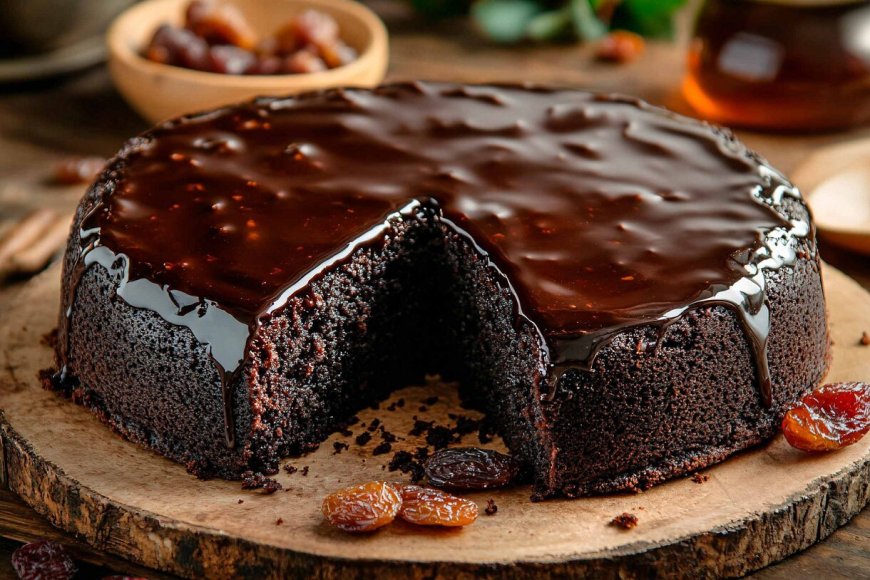
Caribbean black cake, also called rum cake, is one of the most recognized desserts in the region. It is especially important during Christmas and weddings. This cake is made by soaking dried fruits like raisins, cherries, and prunes in rum for weeks or even months. The soaked fruit is then blended and mixed into a dense cake batter with spices and caramelized sugar. The result is a dark, rich cake with a strong flavour. After baking, more rum is brushed onto the cake to keep it moist.
Why it stands out:
- Deep historical roots from British plum pudding
- Associated with celebrations and family traditions
- Found across Jamaica, Trinidad, and Guyana
2. Tembleque (Puerto Rican Coconut Pudding)
Tembleque is a coconut-based pudding from Puerto Rico. It is made by cooking coconut milk with sugar and cornstarch until it thickens.
The name “tembleque” refers to its texture it slightly shakes when moved. It is usually topped with cinnamon and served chilled.
Key features:
- Smooth, jelly-like consistency
- Strong coconut flavor
- Popular at birthdays and holidays
3. Flan de Coco (Coconut Flan)
Flan is widely eaten across the Caribbean, with coconut versions being especially popular. It is a baked custard dessert made with eggs, milk, sugar, and coconut. It has a soft texture and a caramel topping that forms during baking.
Why people love it:
- Simple ingredients
- Creamy texture
- Influenced by Spanish cuisine
4. Jamaican Sweet Potato Pudding
This dessert is often described as a mix between cake and pudding. It is made using grated sweet potatoes, coconut milk, spices, and sugar. It is baked slowly, which gives it a firm outer layer and a soft inside.
Common ingredients:
- Sweet potatoes
- Coconut milk
- Nutmeg and cinnamon
This pudding is often sold in local markets and roadside stalls.
5. Cassava Pone
Cassava pone is a dense dessert made from grated cassava (a root vegetable), coconut, and spices.
It has a chewy texture and is commonly eaten in Trinidad and Guyana.
What makes it unique:
- Uses cassava instead of flour
- Slightly sticky texture
- Often cut into squares
6. Coconut Sugar Cakes
These are simple, traditional sweets made by boiling grated coconut with sugar until thick, then shaping into small pieces.
They are popular in islands like St. Lucia and Dominica.
Key points:
- No baking required
- Strong coconut flavor
- Often colored for festivals
7. Tamarind Balls
Tamarind balls are small snacks made from tamarind pulp mixed with sugar and sometimes chili.
They have a mix of sweet, sour, and spicy flavors.
Why they are popular:
- Easy to carry and store
- Sold as street snacks
- Reflect tropical fruit usage
8. Sweet Fried Plantains
Plantains are a staple in Caribbean cooking. When ripe, they are sliced and fried to create a caramelized dessert.
Characteristics:
- Soft inside, slightly crispy outside
- Naturally sweet
- Often served as a side or dessert
9. Duckanoo (Tie-a-Leaf)
Duckanoo is a traditional dessert made from cornmeal, coconut, sugar, and spices. The mixture is wrapped in banana leaves and boiled.
It is similar to a sweet tamale and has roots in both African and indigenous cooking traditions.
Cultural importance:
- Prepared during holidays
- Represents historical food traditions
10. Jamaican Toto (Coconut Cake)
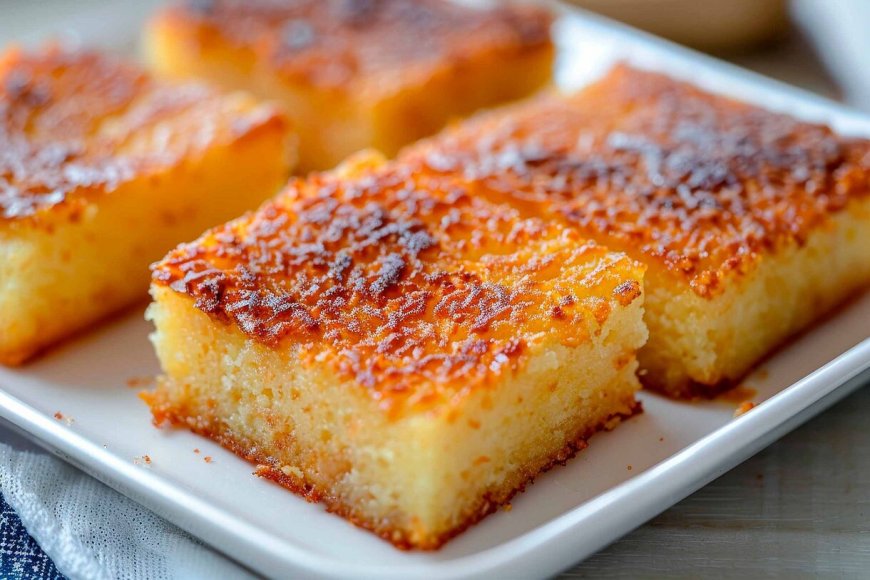
Toto is a coconut-based cake from Jamaica. It is simple, made with flour, grated coconut, sugar, and spices.
Why it matters:
- Everyday dessert
- Uses locally available coconut
- Often homemade
11. Caribbean Bread Pudding
Bread pudding is common across the Caribbean. It uses leftover bread mixed with milk, sugar, eggs, and spices.
Sometimes rum or raisins are added.
Highlights:
- Reduces food waste
- Easy to prepare
- Found in many households
12. Rice Pudding (Arroz con Leche)
Rice pudding is made with rice, milk, sugar, and spices like cinnamon. It is widely consumed across Caribbean countries with slight variations.
13. Conkies (Barbados)
Conkies are steamed desserts made with cornmeal, pumpkin, coconut, and spices.
They are wrapped in banana leaves and cooked during national celebrations.
Key facts:
- Seasonal dessert
- Linked to Barbados Independence Day
14. Habichuelas con Dulce (Dominican Republic)
This dessert is unusual because it uses red beans. The beans are cooked with coconut milk, sugar, spices, and sweet potatoes.
It is especially popular during Easter.
Why it’s unique:
- Combines savory ingredient (beans) with sweetness
- Thick, soup-like texture
15. Coconut Drops
Coconut drops are small chunks of coconut cooked with sugar and spices like ginger.
They are common in Jamaica.
Features:
- Hard texture
- Strong ginger flavor
- Sold in local markets
16. Caribbean Black Fruit Cake Variations
Different islands have their own version of black cake, with slight differences in fruit soaking and spice levels.
Examples:
- Jamaican black cake
- Trinidad black cake
- These variations reflect local tastes and available ingredients.
17. Asham (Corn Dessert)
Asham is a simple dessert made from parched corn that is ground and mixed with sugar. It has African origins and is still eaten in several Caribbean countries.
18. Gizzada (Coconut Tart)
Gizzada is a small tart filled with sweetened coconut.
Key traits:
- Crisp crust
- Sticky coconut filling
- Popular street food
19. Hummingbird Cake
This cake includes banana, pineapple, and sometimes nuts. It is one of the more modern Caribbean desserts but still widely loved.
20. Caribbean Ice Creams and Frozen Desserts
The Caribbean also has many frozen desserts made with tropical fruits.
Common flavors:
- Mango
- Coconut
- Guava
These desserts are especially popular in hot weather.
Common Ingredients in Caribbean Desserts
Across all these desserts, certain ingredients appear frequently:
1. Coconut
Used in milk, grated form, or oil. It is one of the most important ingredients in Caribbean sweets.
2. Sugarcane
Sugar production has historically shaped Caribbean cuisine.
3. Tropical Fruits
Banana, pineapple, mango, and guava are widely used.
4. Spices
Nutmeg, cinnamon, and cloves add depth.
5. Rum
Used in cakes and puddings for flavor and preservation.
Cultural Importance of Caribbean Desserts
Caribbean desserts are not just food. They are part of traditions and celebrations.
Festivals and Holidays
- Black cake during Christmas
- Conkies during national events
- Sweet treats during Easter
- Family and Community
- Many desserts are homemade and shared among families.
- Historical Influence
Caribbean desserts reflect:
- African cooking techniques
- European recipes
- Indigenous ingredients
- This mix creates a unique food culture.
- How Caribbean Desserts Are Evolving (2026 Trends)
- Modern Caribbean desserts are changing while keeping traditional roots.
1. Health-conscious versions
- Less sugar
- Plant-based alternatives
2. Fusion desserts
- Caribbean flavors combined with global desserts
- Coconut cheesecakes and rum-flavoured pastries
3. Tourism influence
Restaurants are presenting traditional desserts in modern styles.
Tips for Trying Caribbean Desserts
If you want to explore these desserts:
Start with basics:
- Rum cake
- Coconut pudding
- Fried plantains
Explore street food:
- Tamarind balls
- Coconut drops
Try seasonal dishes:
- Black cake (Christmas)
- Habichuelas con dulce (Easter)
What's Your Reaction?
 Like
0
Like
0
 Dislike
0
Dislike
0
 Love
0
Love
0
 Funny
0
Funny
0
 Angry
0
Angry
0
 Sad
0
Sad
0
 Wow
0
Wow
0