






























Caribbean Coffee Culture Beyond Jamaica
Caribbean coffee culture extends well beyond Jamaica, with countries like Haiti, Dominican Republic, Cuba, and Puerto Rico playing important roles in the region’s coffee history and daily life. Coffee was introduced during the colonial period and quickly became a major agricultural product. Over time, production shifted due to political and economic changes, but coffee remained culturally important across the region. Most Caribbean coffee is grown in mountainous areas with favourable conditions such as high altitude, fertile soil, and consistent rainfall. The region mainly produces Arabica coffee, known for its smooth, balanced taste and relatively low acidity.


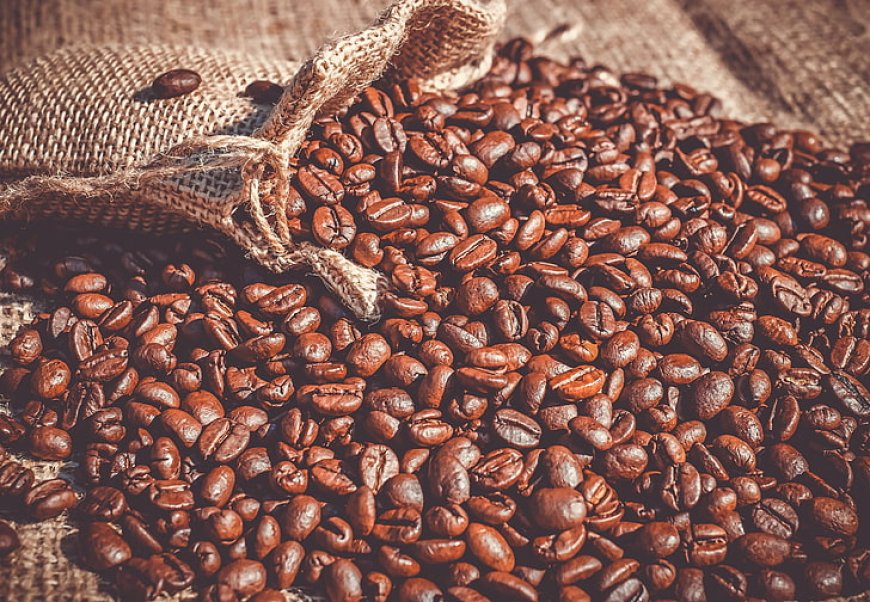
Caribbean coffee is often reduced to one name Jamaica but this overlooks a much broader and deeply rooted coffee culture spread across islands like Haiti, the Dominican Republic, Cuba, and Puerto Rico. These regions have produced coffee for centuries, shaped by colonial history, geography, and local traditions. While their global visibility is limited compared to major producers, their coffee cultures remain active, community-driven, and economically important.This detailed article explores Caribbean coffee culture beyond Jamaica, focusing on production, history, flavor, daily life, challenges, and the future of the industry across the region.

1. Understanding Caribbean Coffee Beyond the Famous Labels
Caribbean coffee is not a single style or origin. It is a group of regional traditions tied together by shared geography and historical influences. The main producing areas include:
- Haiti
- Dominican Republic
- Cuba
- Puerto Rico
These countries share several key features:
- Predominantly grow Arabica coffee
- Use mountain-based farming systems
- Rely heavily on smallholder farmers
- Maintain strong local consumption cultures
Despite this, Caribbean coffee remains underrepresented in global markets. One reason is that production volumes are relatively small and often consumed locally rather than exported.
2. Historical Foundations of Coffee in the Caribbean
Coffee arrived in the Caribbean in the 18th century through European colonial expansion. It quickly became one of the region’s most important crops.
Haiti
Coffee was introduced during French colonial rule and became a major economic driver. By the 18th century, Haiti (then Saint-Domingue) was one of the world’s leading coffee exporters.
Dominican Republic
Coffee cultivation began around 1715 and spread across mountainous regions, becoming a key crop for small-scale farmers.
Puerto Rico
Coffee was introduced in 1736 and grew rapidly. By the late 19th century, Puerto Rico became the 7th largest coffee producer globally, reflecting the scale of its industry at the time.
Cuba
Coffee production expanded significantly after the Haitian Revolution, when French farmers relocated to Cuba and established plantations.
3. Geography and Its Influence on Coffee Quality
Caribbean coffee owes much of its character to its environment.
Key Factors:
1. Mountain Terrain
Coffee is grown in highland regions such as:
- Sierra Maestra (Cuba)
- Cordillera Central (Puerto Rico)
- Barahona (Dominican Republic)
High altitude slows bean development, which improves flavor density.
2. Soil Composition
Volcanic and mineral-rich soils contribute to:
- Balanced flavors
- Subtle sweetness
- Lower acidity
3. Climate
Consistent rainfall and tropical temperatures support steady growth cycles.These factors create coffees that are generally smooth, balanced, and easy to drink compared to more acidic African coffees.
4. Haiti: Coffee as a Rural Lifeline
In Haiti, coffee remains closely tied to survival and rural identity.
Production Model:
- Dominated by smallholder farmers
- Often grown without synthetic inputs
- Intercropped with other crops
Coffee has historically been a core agricultural product, although its importance has declined compared to mango and cocoa exports in recent years.
Cultural Role:
Coffee in Haiti is not driven by specialty café culture. Instead:
- It is brewed at home
- Shared with family
- Consumed daily
Economic Context:
Haiti’s coffee industry faces challenges such as:
- Weak infrastructure
- Environmental degradation
- Limited access to global markets
However, cooperatives and fair-trade initiatives are working to rebuild production and improve farmer income.
5. Dominican Republic: Coffee as Everyday Culture
The Dominican Republic has one of the most active coffee cultures in the Caribbean.
Production Overview:
- Coffee grown mainly in mountainous regions
- Around 40,000–50,000 farmers involved
- Production levels modest globally but stable
Local Consumption:
A significant portion of Dominican coffee is consumed locally, with only a small share exported.
Coffee is consumed multiple times a day, often in small servings.
Cultural Characteristics:
- Coffee is offered to guests as a social norm
- It is part of workplace and household routines
- Preparation methods are simple and consistent
6. Cuba: Coffee as Ritual and Identity
Cuban coffee culture is distinct because of how coffee is prepared and consumed.
- Signature Style: Cafecito
- Strong espresso-style coffee
- Mixed with sugar during brewing
- Served in small cups
This method creates a concentrated, sweet beverage that is central to Cuban daily life.
Social Importance:
Coffee is:
- Offered immediately to visitors
- Shared during conversations
- Consumed in group settings
The emphasis is less on bean origin and more on preparation and social interaction.
7. Puerto Rico: Decline and Revival
Puerto Rico’s coffee industry has experienced both global prominence and decline.
Historical Importance:
- Once among the top global producers
- Known for high-quality beans
Decline Factors:
- Economic shifts toward sugar production
- Political changes after 1898
- Labor costs and natural disasters
Modern Revival:
Today, there is renewed interest in:
- Specialty coffee production
- Reviving traditional haciendas
- Exporting premium beans
Coffee production is concentrated in mountainous regions with favorable soil conditions.
8. Flavor Profiles Across the Region
Caribbean coffee tends to have consistent regional characteristics but also notable differences.
General Traits:
- Low to medium acidity
- Medium body
- Mild, balanced taste
By Country:
Haiti: Mildly sweet, sometimes slightly spicy
Dominican Republic: Clean, balanced, low acidity
Cuba: Strong, bold, often sweetened
Puerto Rico: Smooth, slightly sweet
Compared to African coffees known for fruity notes or Latin American coffees known for brightness, Caribbean coffees are typically more subtle and less complex aromatically.
9. Coffee and Daily Life in the Caribbean
Coffee is deeply integrated into everyday life across the Caribbean.
Common Practices:
- Drinking coffee multiple times daily
- Serving coffee to guests
- Brewing at home rather than in cafés
Unlike global coffee trends that emphasize:
- Specialty brewing
- Single-origin tasting
Caribbean coffee culture prioritizes:
- Accessibility
- Consistency
- Social interaction
10. Coffee Preparation Methods
Preparation styles vary across islands but share simplicity.
Popular Methods:
1. Espresso-Based Brewing
Common in Cuba and Puerto Rico.
2. Cloth Straining (Colador)
Used in Dominican households.
3. Basic Drip or Boiled Coffee
Used in rural areas, especially in Haiti.
Sugar is often added during preparation rather than after serving, especially in Cuban-style coffee.
11. Coffee and Community Identity
Coffee plays a role in maintaining social bonds.
Key Roles:
- Strengthens family connections
- Supports informal economies
- Acts as a symbol of hospitality
In many communities, refusing coffee can be seen as impolite because it is closely tied to cultural respect.
12. Festivals and Cultural Events
Coffee harvest seasons are celebrated across the Caribbean.
Example:
- Puerto Rico hosts coffee festivals such as:
- Festival del Café in Yauco
These events include:
- Tastings
- Cultural performances
- Farmer recognition
They help preserve agricultural traditions and promote local products.
13. Economic Importance of Coffee
While not dominant globally, coffee still contributes to Caribbean economies.
Key Points:
- Provides income for rural farmers
- Supports local supply chains
- Encourages agroforestry practices
However, in many countries, coffee has been overtaken by other exports like cocoa and fruit.
14. Why Caribbean Coffee Is Less Visible Globally
Several structural factors limit the global presence of Caribbean coffee.
1. Limited Production
Caribbean countries produce far less coffee than major exporters.
2. High Local Consumption
Much of the coffee never leaves the island.
3. Economic Constraints
- High labor costs
- Limited infrastructure
4. Climate Risks
Hurricanes and changing weather patterns affect crops.
5. Market Competition
Caribbean coffee competes with:
- Brazil (high volume)
- Colombia (strong branding)
- Ethiopia (distinct flavors)
15. Specialty Coffee Movement in the Caribbean
There is growing interest in Caribbean coffee within the specialty market.
Emerging Trends:
- Direct trade relationships
- Organic certification
- Traceable supply chains
Some producers are focusing on:
- Quality improvement
- Unique regional branding
- This shift may increase global recognition over time.
16. Sustainability and Environmental Impact
Sustainability is a major concern for Caribbean coffee.
Challenges:
- Soil degradation
- Deforestation
- Climate change
Solutions:
- Shade-grown coffee systems
- Reforestation projects
- Cooperative farming models
- These approaches not only improve coffee quality but also support biodiversity.
17. Tourism and Coffee Experiences
Coffee tourism is becoming more important in the Caribbean.
Activities Include:
- Visiting coffee farms
- Participating in harvests
- Tasting local brews
This helps:
- Generate additional income
- Promote cultural awareness
18. The Future of Caribbean Coffee
The future of Caribbean coffee depends on balancing tradition with modernization.
Opportunities:
- Niche specialty markets
- Eco-friendly farming
- Cultural tourism
Risks:
- Climate change
- Labor shortages
- Limited investment
Recovery and growth will depend on:
- Government support
- International partnerships
- Continued focus on quality
Conclusion
Caribbean coffee culture goes far beyond Jamaica. Across Haiti, the Dominican Republic, Cuba, and Puerto Rico, coffee remains an essential part of daily life and cultural identity. While these regions face economic and environmental challenges, their coffee traditions continue to evolve.The emphasis on community, simplicity, and local consumption distinguishes Caribbean coffee culture from global trends.Understanding this region means recognizing that coffee here is not just a commodity it is part of everyday living, shaped by history, geography, and social connection.
What's Your Reaction?
 Like
0
Like
0
 Dislike
0
Dislike
0
 Love
0
Love
0
 Funny
0
Funny
0
 Angry
0
Angry
0
 Sad
0
Sad
0
 Wow
0
Wow
0