














Safest Spots for Solo Scuba Diving
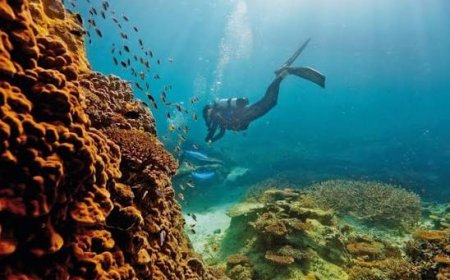
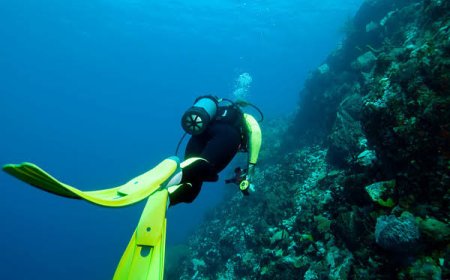
Solo scuba diving is best understood as traveling alone while diving with professional operators, guides, or groups rather than diving completely alone. Safety depends heavily on choosing the right destination and following proper diving practices. The safest locations for solo divers share key features such as calm water conditions, good visibility, reliable dive infrastructure, and access to emergency services. Destinations like Bonaire, Cayman Islands, Maldives, Hawaii, Cozumel, Great Barrier Reef, Bali, Dahab, and Fiji are considered among the safest due to their structured dive operations and supportive environments. Each destination offers different advantages. For example, Bonaire is known for easy shore diving, the Cayman Islands for strict safety standards, and the Maldives for organized group diving. Locations like Bali and Dahab are popular for their affordability and strong diving communities. Despite safe destinations, risks such as equipment failure, strong currents, and decompression sickness still exist. That is why divers should always dive within their certification limits, choose certified dive operators, and use proper equipment. True solo diving without a buddy requires advanced training and is not recommended for most divers. The buddy system or guided dives remain the safest approach. Overall, solo scuba diving can be safe and rewarding when proper precautions are taken, the right destination is chosen, and divers prioritize safety over convenience.

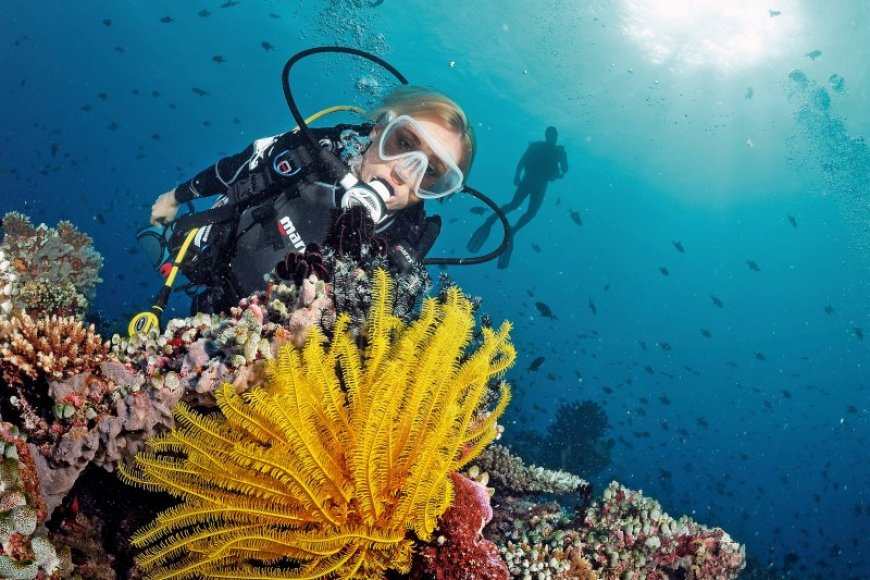
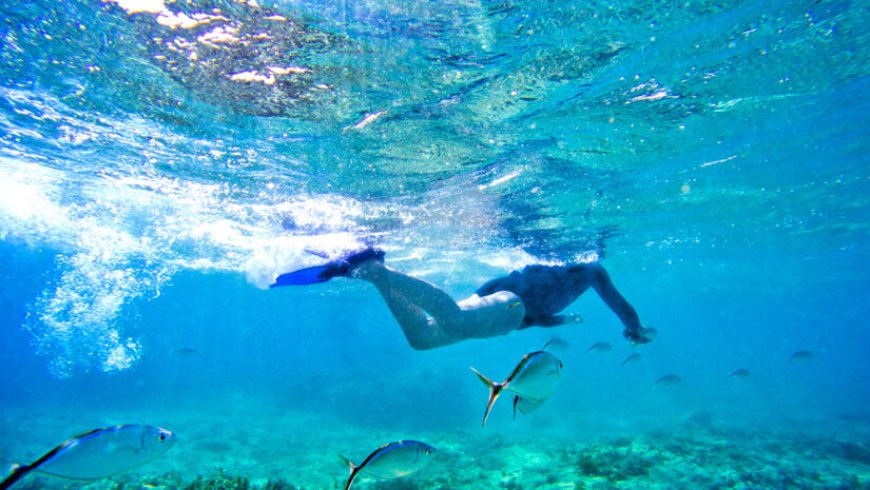
Travelling alone and scuba diving alone are two very different things. A person can travel independently, stay in a hotel by themselves and still join a professional dive boat with a certified guide and another diver. In fact, for most recreational divers, this is the safest way to enjoy a scuba trip when travelling without friends or family.

The phrase “solo scuba diving” is often used loosely in travel content. It can mean a diver who has traveled alone and joins a dive group, or it can mean a certified diver intentionally entering the water without a buddy. Those situations should not be treated as equivalent. The buddy system remains a fundamental part of recreational diving because another diver can help during an out-of-air emergency, equipment problem, entanglement, injury or other unexpected situation. Divers Alert Network also emphasizes the importance of diving with a buddy.
For experienced divers who specifically want to dive independently, specialized self-reliant training exists. PADI's current Self-Reliant Diver course requires divers to be at least 18, hold Advanced Open Water certification and have at least 100 logged dives, followed by a skills assessment. The training focuses on planning, gas management, equipment redundancy and responding to problems without depending on another diver. Local laws and dive-operator rules still apply, even when a diver holds this certification.
With that distinction established, some destinations are much easier for a person travelling alone to enjoy safely. They have established dive centres, organized boat trips, shore diving, experienced guides, good infrastructure and plenty of opportunities to meet other divers. For a solo traveler, those practical factors can be more important than simply choosing the destination with the most famous reef.
What Makes a Destination Suitable for a Solo Diver?
Safety should be considered at several levels before choosing a dive destination. The first question is whether the local diving infrastructure is reliable. A destination with established dive operators, trained professionals, maintained boats, functioning emergency procedures and access to medical services gives a solo traveler more support than an isolated location where assistance is difficult to arrange.
The type of diving also matters. Shore diving with easy entry and exit can be attractive to experienced divers, but currents, surf, boat traffic and navigation still need to be evaluated. Boat diving can provide access to better sites and professional supervision, but the diver becomes dependent on the operator's procedures and weather decisions.
Another factor is the availability of dive guides and group trips. A solo traveler should be able to book a dive without having to find a friend before arriving. Reputable operators normally organize buddy pairs or place individual travelers into guided groups.
Water conditions are also important. Warm, clear water may make diving more comfortable, but visibility alone does not determine safety. Current, depth, surface conditions, boat traffic, weather and site complexity all affect the risk of a dive.
The safest choice is therefore not simply “the clearest water.” It is a destination where the diver's experience matches the local conditions and where professional support is readily available.
Bonaire: One of the Best Choices for Independent-Minded Divers
Bonaire is often associated with shore diving and independent diving because many sites are accessible from the island's roads. That makes it especially attractive to experienced divers who like planning their own dives.
However, easy access should not be confused with zero risk. Shore entries can involve waves, surge, rocky surfaces, and current and navigation challenges. Conditions can also vary between sites.
For a solo traveler, Bonaire has another advantage: it has a strong diving culture. A person arriving alone can arrange guided dives, training or equipment rental and meet other divers through local operators.
The island's shore-diving model can provide flexibility because divers are not necessarily dependent on a daily boat schedule. Someone who prefers early-morning dives can organize the day around the sites and conditions.
For experienced divers, the attraction is the independence. For less experienced divers, the better approach is to use a local guide or dive with another certified diver.
A first-time visitor should ask a local operator about current conditions, entry points, surface traffic, currents and the suitability of each site for their experience level. Divers Alert Network recommends that divers returning to the sport or lacking recent experience choose familiar, shallow sites with minimal current and few hazards rather than immediately attempting demanding dives.
Grand Cayman: Strong Dive Infrastructure and Easy Group Diving
Grand Cayman is another strong option for people who travel alone but want professional diving support. The island has a long-established recreational diving industry, with operators offering shore dives, boat dives, guided excursions and training.
The advantage for a solo traveler is choice. You do not have to arrange an entire private dive group yourself. You can book with an established operator and join other certified divers.
Grand Cayman also has a range of dive environments, from relatively straightforward reef dives to deeper and more advanced sites. This means the destination can work for divers with different experience levels provided they select sites appropriate to their certification and current ability.
Solo travelers should still resist the temptation to choose the most advanced site simply because it is famous. A diver who normally spends most of the year in calm, shallow water may not be ready for a strong current or deep dive simply because they are vacationing in a destination known for excellent visibility.
One of the best strategies is to take a check dive after arriving. A local divemaster can observe buoyancy, weighting, air consumption and comfort in the water before recommending more demanding sites.
Cozumel, Mexico: Excellent for Solo Travelers Who Join Dive Boats
Cozumel is well known for drift diving and its large network of dive operators. It can be a practical destination for a solo traveler because organized boat trips make it easy to join a group.
The island's diving is strongly associated with current-assisted drift dives. That can be enjoyable because divers can cover reef areas without constantly swimming against the current, but it also means divers need to understand the site's procedures.
A solo traveler should tell the operator before the first dive that they are travelling alone. The operator can then organize a buddy arrangement and explain how the boat handles separation from the group.
Boat procedures matter. Before entering the water, understand where the boat will be located, what surface marker equipment is expected, how to signal for assistance and what happens if you surface away from the boat.
Cozumel is particularly suitable for divers who want a social experience. A person traveling alone can spend the morning diving with a group and then explore the island independently afterward.
The main safety issue is not whether Cozumel is “safe” in an absolute sense. It is whether the diver respects the local current, stays within the dive plan and follows the operator's procedures.
Roatán, Honduras: A Good Choice for Social Dive Travel
Roatán has developed a strong reputation as a diving destination and offers a range of dive resorts and independent dive centers. Its relatively established tourism industry can make it practical for solo travelers.
One advantage is the ability to combine accommodation and diving. Some dive resorts cater specifically to divers, making it easier for someone arriving alone to meet other guests.
For solo travelers, this social environment can be useful. Instead of trying to find a buddy independently, the dive center can arrange group diving.
The island also provides opportunities for different levels of experience. Beginners can take courses and guided dives, while experienced divers can ask about deeper reefs, walls and other sites.
The important consideration is choosing an operator rather than simply choosing the island. Read recent reviews, ask about group sizes, equipment maintenance and emergency procedures, and find out how the operator handles divers with different experience levels.
A large group is not automatically unsafe, and a small group is not automatically safer. The quality of the briefing, supervision and procedures matters more than the number of people on the boat.
Curaçao: Flexible Diving With Strong Appeal for Experienced Travelers
Curaçao is another Caribbean destination known for accessible diving and a large number of dive sites. Like Bonaire, it offers opportunities for shore diving as well as organized boat trips.
That flexibility is attractive to solo travelers because they can combine guided diving with independent sightseeing.
However, shore diving still requires proper planning. Divers should check entry and exit conditions, weather, current, depth, navigation and the location of emergency services.
A solo traveler should also avoid making a first dive at an unfamiliar site without understanding how to exit the water. A site that looks easy from photographs can have a difficult shore entry or strong surge.
One of the best approaches is to book a guided introductory dive with a local operator. After learning the area's conditions, experienced divers can decide whether the sites are suitable for their own level of independence.
Bonaire, Curaçao and the Meaning of “Easy Diving”
The southern Caribbean destinations are sometimes described as easy because of warm water and accessible reefs. That description needs context.
Warm water reduces some equipment challenges, but it does not eliminate the risks of diving. A diver can still experience rapid gas consumption, buoyancy problems, current, equipment failure, dehydration or medical problems.
Shore diving also introduces land-based hazards. Getting into the water carrying scuba equipment can be physically demanding, particularly on rocky or uneven surfaces.
This is why experienced local advice is valuable. A local divemaster knows which sites are suitable for current conditions and can often identify hazards that are not obvious to visitors.
Malta: A Strong Option outside the Caribbean
If the goal is to find a safe destination for solo diving rather than specifically a Caribbean location, Malta deserves consideration.
Malta has a mature European diving industry and a large number of dive centers. It is known for wrecks, reefs, caves and clear Mediterranean water.
The island is particularly attractive to certified divers who want to combine independent travel with structured diving. A solo traveler can book guided dives and join other divers without needing to organize a private group.
However, Malta's diving environment differs from the Caribbean. Water temperatures vary by season, and some sites involve deeper water, caves or wrecks that require appropriate training.
The lesson is important: a destination with excellent diving can still be unsuitable for a particular diver. The correct site must match certification, experience and current conditions.
Red Sea Diving: Excellent Diving but More Planning
Egypt's Red Sea coast, including destinations such as Sharm El Sheikh and Hurghada, has a large diving industry and many operators catering to international visitors.
For solo travelers, organized day boats and dive centers make it relatively easy to join other divers. The region also offers a wide range of reef and wreck diving.
However, conditions can vary significantly between sites. Currents, deeper water, boat traffic and more advanced dive profiles may be encountered.
A solo traveler should therefore choose an operator carefully and communicate their experience honestly. Saying that you are an “advanced diver” does not tell a divemaster enough. Explain your recent dive history, maximum depth, and experience with currents and whether you have recently dived in similar conditions.
This allows the operator to recommend an appropriate group and site.
Why Solo Travelers Should Consider Guided Diving
A person who travels alone does not need to dive alone.
This is probably the most useful point for anyone researching solo scuba travel.
Guided diving provides a practical middle ground. You can book your own trip, stay wherever you want and travel independently while still diving with a professional and a buddy.
A divemaster or instructor can also provide local information that a guidebook cannot. They know where currents are strongest, which entry points are difficult, where visibility is normally better and which sites are suitable for the day's conditions.
DAN recommends that divers who need to refresh their skills consider diving with a divemaster or instructor and start with familiar, shallow sites with minimal current and few major hazards.
For someone who has not dived for several months or years, a guided refresher may be a better investment than immediately attempting independent diving.
When Is Actual Solo Diving Appropriate?
Actual solo diving is a specialized activity and should not be confused with joining a dive trip alone.
The central problem is simple: when you dive without a buddy, there is no second diver immediately available to help with an emergency.
An equipment failure that might be manageable with a buddy can become much more serious when you are alone. An out-of-air situation, regulator problem, entanglement, injury or loss of orientation requires the diver to manage the problem independently.
This is why self-reliant training emphasizes redundant equipment and careful planning. PADI's current course specifically covers the risks of diving without a buddy, equipment redundancy and dive planning.
A solo diver should therefore have more than basic recreational skills. They need to understand gas management, emergency procedures, navigation, equipment failures and how to respond without assistance.
Even experienced technical divers recognize that independent diving adds risk. PADI's guidance continues to emphasize that diving with a buddy is safer and that local regulations and operator policies can prohibit solo diving.
Equipment Redundancy Matters
The equipment requirements for self-reliant diving are different from simply carrying normal recreational equipment.
A diver relying entirely on a single cylinder and regulator has limited options if the primary gas supply becomes unavailable.
Self-reliant diving training therefore emphasizes redundant life-support equipment. The exact configuration depends on the diver's training, environment and dive plan.
A surface marker buoy, appropriate signalling equipment, reliable dive computer, cutting device, compass and redundant gas supply may be part of a self-reliant setup.
The important point is that carrying extra equipment is not enough. The diver must know how to use it.
Emergency equipment that has never been practiced underwater does not provide the same benefit as equipment the diver has trained with repeatedly.
Choose the Dive Operator Carefully
For a solo traveler, choosing the right dive operator may be more important than choosing the destination.
Before booking, ask how individual divers are assigned to buddy teams. Ask whether a divemaster accompanies the group underwater. Find out the maximum number of divers per guide and how the operator handles separation.
Equipment maintenance should also be considered. Look for an operator that can clearly explain its cylinder inspection, regulator servicing and emergency procedures.
Do not be embarrassed to ask questions. A professional dive center should be comfortable discussing safety.
You should also pay attention to the pre-dive briefing. A proper briefing should explain the site, depth, expected conditions, entry and exit procedures, communication, emergency arrangements and what to do if separated from the group.
DAN specifically recommends not skipping pre-dive checks and emphasizes agreeing on dive goals, hand signals and emergency procedures with your buddy.
Consider Your Recent Experience
Certification cards do not automatically mean that a diver is ready for every dive.
Someone who completed Advanced Open Water training several years ago but has made only a few dives since then should not automatically choose a demanding wall, wreck or current dive.
Experience should be measured by recent and relevant diving.
Ask yourself when you last dived, how many dives you have completed recently and whether you are comfortable controlling buoyancy without constant attention.
If you are rusty, take a refresher course or guided check dive.
This is especially important for solo travelers because there is less opportunity for another diver to compensate for poor preparation.
Weather and Sea Conditions Can Change the Plan
A dive destination can have excellent conditions most of the year and still experience a bad-weather day.
Wind can affect visibility and shore entries. Strong currents can change a relatively straightforward reef dive into a demanding one. Storm systems can affect boat schedules and water conditions.
Never assume that because a dive site was safe yesterday, it will be safe today.
Listen to local professionals. If a dive center cancels a trip because of conditions, that is a safety decision rather than a disappointment to argue about.
DAN's advice for divers refreshing skills emphasizes choosing sites with minimal currents and no major hazards when rebuilding confidence.
Medical and Insurance Preparation
Scuba diving is physically demanding, and travelers should consider their fitness and medical status before diving.
If you have a medical condition, take regular medication or have experienced a recent health change, discuss diving with an appropriately qualified medical professional.
Travel insurance should also be checked carefully. Standard travel insurance does not necessarily cover every type of scuba diving or diving-related medical treatment. Some policies have depth limits or exclusions for particular activities.
Specialist dive insurance can provide additional coverage, depending on the policy and destination.
Emergency planning also matters. Know where the nearest appropriate medical facility is and how emergency evacuation would be handled if a serious diving incident occurred.
Best Destinations for Different Types of Solo Divers
There is no single “safest” destination for everyone.
For a diver who wants easy access and independent shore-diving opportunities, Bonaire and Curaçao are strong choices, provided the diver has appropriate experience and follows local guidance.
For someone who prefers organized boat diving and a large selection of operators, Grand Cayman and Cozumel can be practical choices.
For someone who wants a social dive-resort environment, Roatán can make it easier to meet other divers and join organized groups.
For divers interested in Mediterranean diving, wrecks and structured European dive centers, Malta offers a different experience.
For travelers looking for large-scale dive operations and extensive reef diving, parts of the Red Sea can provide many organized options, although site conditions and experience requirements vary.
The important word in all these examples is “appropriate.” None of these destinations should be considered risk-free.
What's Your Reaction?
 Like
0
Like
0
 Dislike
0
Dislike
0
 Love
0
Love
0
 Funny
0
Funny
0
 Angry
0
Angry
0
 Sad
0
Sad
0
 Wow
0
Wow
0