




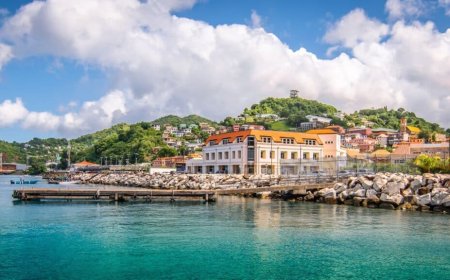






























Visa Requirements for Different Nationalities
Visa requirements vary depending on a traveler’s nationality, destination, and purpose of travel. In the Caribbean and globally, entry systems include visa-free access, visa on arrival, electronic travel authorizations, and traditional embassy visas. Travelers from countries like the United States, the United Kingdom, and European Union nations often enjoy visa-free entry to many Caribbean destinations, while citizens of some developing countries may need to apply in advance or provide additional documentation.

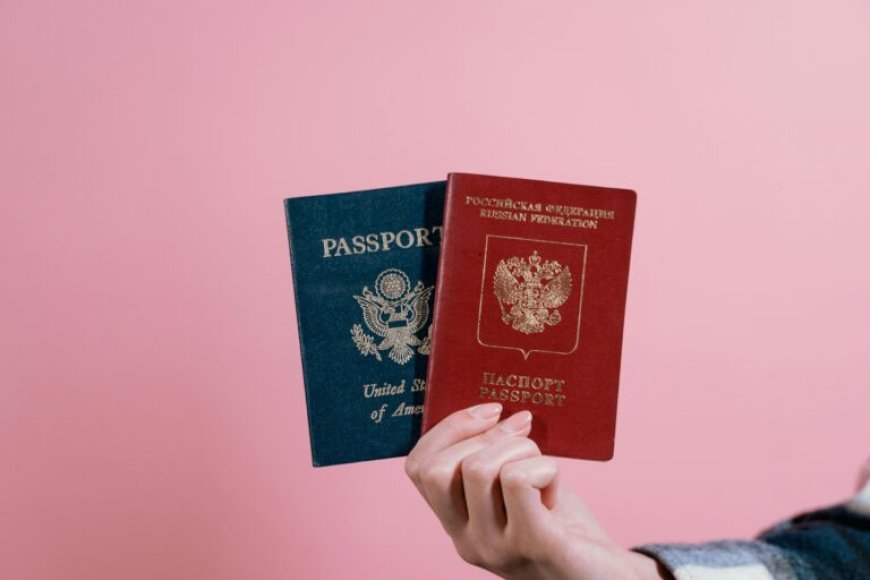

Visa requirements vary widely depending on nationality, destination country, and purpose of travel. In the Caribbean and globally, visa policies are shaped by diplomatic agreements, security concerns, tourism strategies, and regional cooperation frameworks. Travellers today encounter a mix of visa-free entry, visa on arrival, electronic travel authorizations, and traditional embassy-issued visas.

Understanding visa requirements is essential for international travel because incorrect documentation can result in denied boarding or entry. This article explains how visa systems work, how requirements differ by nationality, and what travellers should expect when visiting Caribbean destinations and beyond.
What a Visa Is and Why It Exists
A visa is an official authorization that allows a foreign national to enter, stay, or transit through a country. It is usually issued by the destination country’s government and may be stamped in a passport or provided electronically.
Governments use visas to regulate entry, monitor immigration, and ensure security. Visa requirements are often influenced by bilateral relations. Countries with strong diplomatic ties typically allow visa-free travel, while others may impose stricter controls.
Main Types of Visa Systems
Visa-Free Entry
Visa-free travel allows nationals of certain countries to enter another country without applying for a visa in advance. Most Caribbean nations offer visa-free entry to a large number of countries to encourage tourism.
For example, many visitors can enter countries like Barbados without a visa for stays ranging from 30 days to 6 months depending on nationality.
Similarly, Dominica allows visa-free entry for many nationalities, including EU, UK, and US citizens, often for up to six months.
Visa-free travel usually requires:
- A valid passport
- Proof of return or onward travel
- Sufficient funds for the stay
Visa on Arrival
Some countries allow travellers to obtain a visa upon arrival at the airport or border. This system is common in tourism-focused destinations.
For instance, certain Caribbean countries may grant visas on arrival to travelers holding valid visas or residence permits from countries like the United States or Canada.
Visa on arrival is convenient but still requires preparation, including documentation and payment of fees.
Electronic Travel Authorization (eTA / ETA)
Electronic travel authorization systems are increasingly replacing traditional visas for short-term travel. These are online approvals linked to a passport.
Recent developments include:
- The European Union’s ETIAS system, expected to apply to visa-exempt travelers
- The United Kingdom’s ETA requirement introduced in 2024
- Travellers must apply online before departure, usually at least 72 hours in advance.
Traditional Visa (Embassy Visa)
Some nationalities must apply for a visa through an embassy or consulate before travelling. This process may involve:
- Application forms
- Supporting documents
- Interviews
- Processing fees
This type of visa is common for long-term stays, work, or study.
How Visa Requirements Differ by Nationality
Citizens of Developed Countries
Travellers from countries such as the United States, Canada, the United Kingdom, and European Union states generally enjoy visa-free access to many Caribbean destinations.
For example:
- EU and US citizens can enter several Caribbean countries without a visa for tourism
- Many Caribbean islands allow stays between 30 and 180 days depending on nationality
This flexibility is due to strong diplomatic relationships and high levels of tourism exchange.
Citizens of Developing Countries
Travellers from countries in Asia, Africa, and parts of the Middle East may face stricter visa requirements.
They may need:
- Pre-approved visas
- Additional documentation
- Proof of financial stability
However, holding a valid visa or residence permit from countries like the US, UK, or Schengen Area can sometimes allow entry without a separate Caribbean visa.
Caribbean Nationals
Citizens of Caribbean countries benefit from regional agreements that simplify travel within the region.
The Caribbean Community (CARICOM) promotes free movement among member states, allowing citizens to travel with minimal restrictions.
Additionally, Caribbean passports are relatively strong globally. Citizens of countries such as Antigua and Barbuda, Grenada, and St Kitts and Nevis can travel to over 140 countries without a visa.
Regional Visa Systems in the Caribbean
CARICOM Free Movement
CARICOM agreements allow citizens of member states to travel freely within participating countries.
This system reduces the need for visas and supports regional integration, tourism, and labor mobility.
Dutch Caribbean Visa System
The Caribbean parts of the Kingdom of the Netherlands including Aruba, Curaçao, and Sint Maarten operate under a unified visa system.
A single visa allows travel across these territories for up to 90 days within a 180-day period.
Many nationalities, including US and EU citizens, can enter without a visa, while others must apply in advance.
National Visa Policies
Each Caribbean country maintains its own visa rules.
For example:
- Jamaica requires all travellers to present valid travel documents, typically a passport.
- Belize requires visitors to show proof of sufficient funds, usually around $75 per day.
- These requirements highlight the importance of checking country-specific rules before travelling.
Factors That Influence Visa Requirements
Diplomatic Relations
Countries with strong diplomatic ties often allow visa-free travel.
Economic Considerations
Tourism-dependent countries tend to relax visa requirements to attract visitors.
Security Policies
Countries may impose stricter visa rules for nationalities considered higher risk.
Reciprocity
Visa policies are often reciprocal. If one country requires a visa, the other may impose similar rules.
Duration of Stay and Conditions
Visa-free or visa-on-arrival entry does not mean unlimited stay.
Typical limits include:
- 30 days
- 90 days
- 180 days
Overstaying can result in fines, deportation, or future travel restrictions.
Documents Commonly Required
Regardless of visa type, travellers are usually required to present:
A valid passport (often with at least 6 months validity)
- Return or onward ticket
- Proof of accommodation
- Proof of sufficient funds
Failure to meet these requirements can result in denied entry even if a visa is not required.
Recent Changes in Visa Policies
Visa systems are evolving due to technology and security concerns.
Key trends include:
- Introduction of electronic travel authorizations
- Increased use of biometric data
- More pre-travel screening requirements
For example, the EU’s ETIAS system and the UK’s ETA requirement represent a shift toward digital visa control.
Special Cases and Exceptions
Transit Without Visa
Some travellers can transit through countries without a visa if they remain in the airport and meet certain conditions.
Cruise Passengers
Cruise travellers may be exempt from visas for short stays in port.
Holders of Other Visas
Travellers with valid visas or residence permits from major countries may receive exemptions in some Caribbean destinations.
Practical Tips for Travellers
Understanding visa requirements requires preparation. Travellers should:
- Check official government websites before booking
- Apply for visas or authorizations in advance
- Carry all required documents
- Verify entry conditions for transit countries
Flexibility and preparation reduce the risk of travel disruptions.
Conclusion
Visa requirements vary significantly based on nationality, destination, and travel purpose. The Caribbean generally offers flexible entry policies, especially for tourists from major economies, while maintaining stricter rules for certain nationalities.
Systems such as visa-free entry, visa on arrival, and electronic authorizations make travel more accessible, but they still require careful planning. Regional agreements like CARICOM further simplify travel within the Caribbean, while global trends are moving toward digital and pre-approved travel systems.
For travellers, the key is to stay informed and prepared. By understanding visa categories, checking country-specific rules, and meeting documentation requirements, international travel can be smooth and predictable.
What's Your Reaction?
 Like
0
Like
0
 Dislike
0
Dislike
0
 Love
0
Love
0
 Funny
0
Funny
0
 Angry
0
Angry
0
 Sad
0
Sad
0
 Wow
0
Wow
0