









Night Bioluminescent Tours by Destination
Night bioluminescent tours in the Caribbean allow travelers to experience natural light produced by microscopic organisms in the water. When disturbed, these organisms create a glowing effect that is most visible in dark, calm conditions. The intensity depends on location, environmental health, and moon phase. Top destinations include Mosquito Bay, known for the brightest glow, Luminous Lagoon, which allows swimming, and Laguna Grande, which is easily accessible. Other locations like Bioluminescent Bay Grand Cayman and Salt River Bay offer quieter experiences. Tours are usually conducted by kayak or boat and sometimes include swimming, depending on conservation rules. Overall, these experiences combine natural science, tourism, and environmental awareness, making them one of the most distinctive night time activities in the Caribbean.
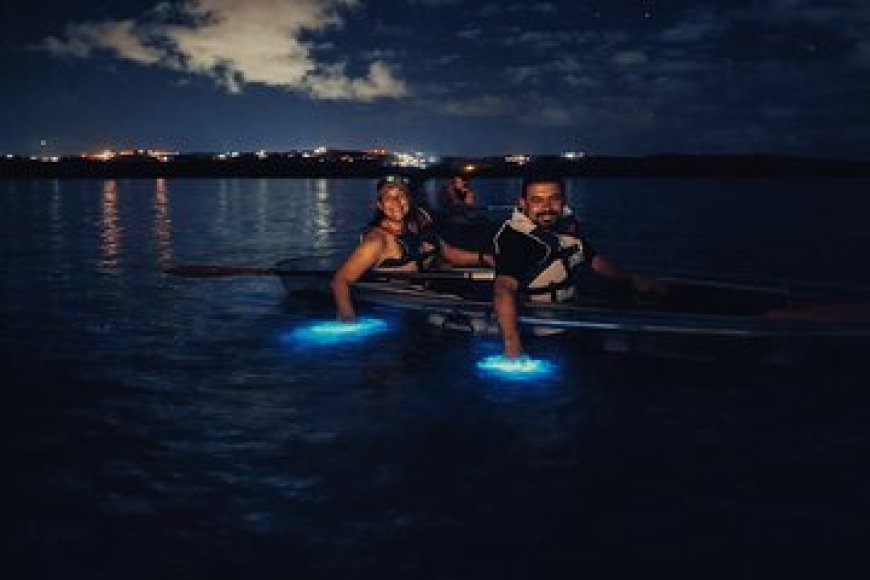
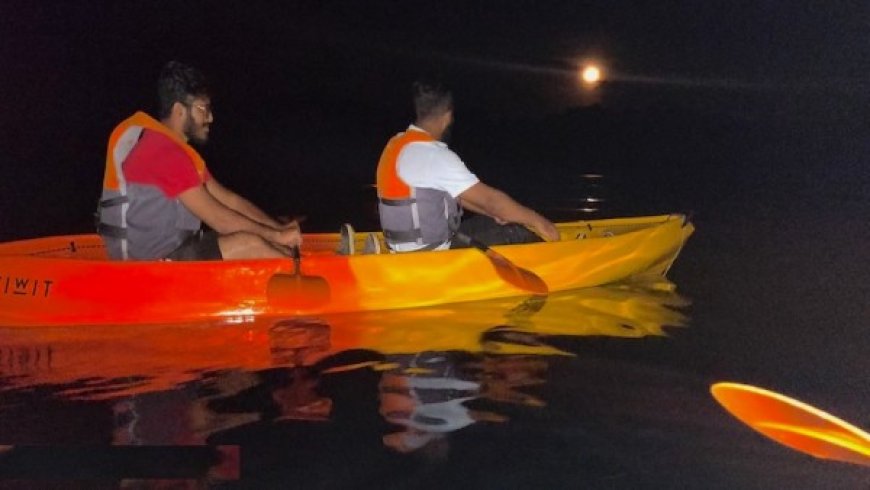
Bioluminescence is a natural process where living organisms produce light through chemical reactions. In marine environments, this effect is often created by microscopic plankton called dinoflagellates. When the water is disturbed by paddles, fish, or swimmers the organisms emit a brief glow, creating visible light in dark conditions.

The Caribbean is one of the best regions in the world to observe this phenomenon. Several coastal lagoons and bays provide ideal conditions, including calm water, low light pollution, and high concentrations of bioluminescent organisms. Night tours in these locations allow visitors to experience the effect directly, usually by kayak, boat, or guided swim.
This article explains how bioluminescence works, then explores major destinations in the Caribbean and nearby regions where night tours are available, along with practical travel details.
How Bioluminescence Works
Bioluminescence in marine environments is caused by a chemical reaction involving luciferin and luciferase. When the organism is disturbed, this reaction produces light.
In the Caribbean, the glow is typically blue-green and appears when water is agitated. The intensity depends on several factors:
- Concentration of dinoflagellates
- Water temperature
- Moon phase and light conditions
- Environmental health of the lagoon
Darker nights, especially around the new moon, provide the best viewing conditions.
Key Caribbean Bioluminescent Destinations
Mosquito Bay
Mosquito Bay is widely considered the brightest bioluminescent bay in the world. Located on the island of Vieques, it has extremely high concentrations of dinoflagellates.
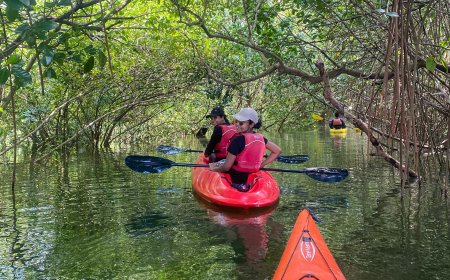
Tours typically involve kayaking through mangrove channels into the bay. Once inside, even small movements in the water create strong glowing effects. Visitors often describe the experience as seeing trails of light following paddles or fish movement.
Environmental protection measures are strict. Motorized boats are limited, and swimming may be restricted to preserve water quality.
Laguna Grande
Laguna Grande is one of the most accessible bioluminescent sites in Puerto Rico. It is located near the main island, making it a common choice for visitors staying in San Juan.
Tours usually involve guided kayaking through a narrow mangrove channel before reaching the lagoon. The glow here is less intense than Mosquito Bay but still visible under good conditions.
Because of its popularity, tour scheduling and crowd management are important factors.
La Parguera Bio Bay
La Parguera is unique because it allows boat access and, in some cases, swimming. The bioluminescence is present but less concentrated than in other Puerto Rican bays.
The ability to enter the water makes this location different from others where direct contact is restricted.
Luminous Lagoon
The Luminous Lagoon in Jamaica is one of the most well-known bioluminescent sites in the Caribbean. It is formed where the Martha Brae River meets the sea, creating ideal conditions for microorganisms.
Boat tours are common, and visitors are often allowed to swim. Movement in the water creates glowing outlines around the body, making it a highly interactive experience.
The lagoon’s accessibility and visibility make it a popular stop for travellers visiting Montego Bay and surrounding areas.
Bioluminescent Bay Grand Cayman
Grand Cayman offers guided kayak and boat tours in its bioluminescent bay. The experience is typically quieter and less crowded compared to Puerto Rico or Jamaica.
The glow intensity varies depending on environmental conditions, but the tours often include educational components explaining marine ecosystems.
Salt River Bay
Salt River Bay is known for both its historical significance and bioluminescent activity. Kayak tours are the primary way to explore the area at night.
The site offers a combination of cultural history and natural observation, making it appealing to travellers interested in both.
Indian River
Dominica’s Indian River is not a classic lagoon but still offers bioluminescent experiences under the right conditions. Night tours move slowly through the river, allowing visitors to see glowing effects when the water is disturbed. This destination is less commercialized and offers a quieter environment.
Tour Formats and What to Expect
Kayak Tours
Kayaking is the most common format. It allows close interaction with the water and minimizes environmental impact. Transparent kayaks are sometimes used to enhance visibility.
Boat Tours
Boat tours are available in locations like Jamaica and La Parguera. These are suitable for travellers who prefer not to paddle.
Swimming Experiences
Some destinations allow swimming, which creates direct interaction with the glowing organisms. However, this is not permitted everywhere due to conservation concerns.
Best Time to Visit
The best conditions for bioluminescent tours depend on:
- Moon phase: darker nights provide better visibility
- Weather: calm conditions improve water clarity
- Season: bioluminescence is generally visible year-round in the Caribbean
Tour operators often schedule trips around the lunar cycle to maximize visibility.
Environmental Considerations
Bioluminescent ecosystems are sensitive. Pollution, sunscreen, and physical disturbance can reduce organism populations.
Many destinations have implemented rules such as:
- Limiting motorized boats
- Restricting swimming
- Controlling tour numbers
Visitors are usually advised not to apply lotions or insect repellents before entering the water.
Safety and Practical Tips
- Wear lightweight clothing suitable for water activities
- Bring insect protection (applied before the tour, not in the water)
- Follow guide instructions carefully
- Avoid using bright lights or flash photography
These steps help protect both the environment and the quality of the experience.
Comparing Destinations
Brightness
Mosquito Bay offers the strongest glow, followed by Luminous Lagoon and Laguna Grande.
Accessibility
Laguna Grande and Luminous Lagoon are among the easiest to reach.
Activity Options
La Parguera and Luminous Lagoon allow swimming, while others focus on kayaking.
Scientific and Educational Value
Bioluminescent tours often include educational components explaining marine biology and ecosystem dynamics. These experiences help raise awareness about ocean conservation and the importance of protecting fragile environments.
Tourism Impact
Bioluminescent tours contribute to local economies by supporting guides, transport services, and conservation programs. However, increased tourism also creates pressure on ecosystems, making sustainable management essential.
Conclusion
Night bioluminescent tours in the Caribbean provide a direct way to observe a natural phenomenon that is both scientific and visually distinct. Destinations such as Mosquito Bay, Luminous Lagoon, and Laguna Grande offer different levels of brightness, accessibility, and interaction.
Choosing the right destination depends on travel plans, preferred activities, and environmental conditions. With proper planning and responsible behaviour, visitors can experience bioluminescence while helping preserve these unique ecosystems for the future.
What's Your Reaction?
 Like
0
Like
0
 Dislike
0
Dislike
0
 Love
0
Love
0
 Funny
0
Funny
0
 Angry
0
Angry
0
 Sad
0
Sad
0
 Wow
0
Wow
0