




























Eco-Luxury Resorts: Sustainability Meets All-Inclusive Comfort
Eco-Luxury Resorts: Sustainability Meets All-Inclusive Comfort explores how modern resorts are combining environmental responsibility with high-quality guest experiences. The article explains the rise of eco-luxury travel as travelers increasingly seek vacations that balance comfort, wellness, and sustainability. It examines key features of eco-luxury resorts, including renewable energy systems, water conservation programs, sustainable construction, local food sourcing, waste reduction initiatives, and ecosystem protection efforts. The guide also highlights the importance of community engagement through local employment, support for regional businesses, and cultural preservation projects. Additional sections discuss wellness tourism, sustainable dining, coral reef conservation, and the challenges faced by eco-luxury operators, including climate change and rising operational costs. Overall, the article shows how eco-luxury resorts are redefining all-inclusive hospitality by delivering premium experiences while reducing environmental impacts and supporting local communities.

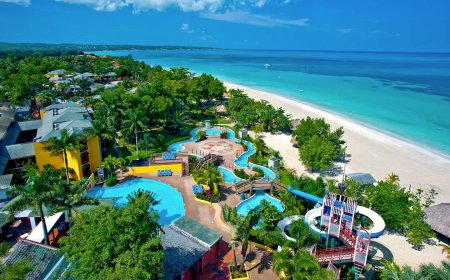
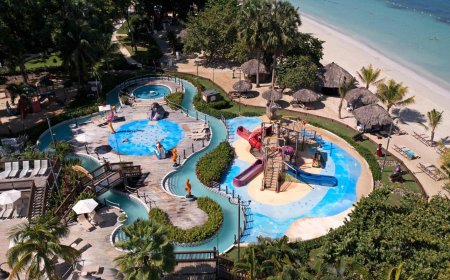
The travel industry has undergone significant changes in recent years as travelers increasingly seek experiences that combine comfort with environmental responsibility. Many travelers still want the convenience of all-inclusive resorts, private accommodations, high-quality dining, wellness facilities, and personalized service, but they also want to understand how their vacations affect local communities and natural environments. This shift has contributed to the rapid growth of eco-luxury resorts, a segment of the hospitality industry that aims to combine sustainability with premium guest experiences.

Eco-luxury resorts operate on the principle that environmental responsibility and guest comfort do not have to be competing goals. Instead, they attempt to integrate renewable energy, resource conservation, sustainable construction, local sourcing, waste reduction, and community engagement into traditional resort operations. These properties often focus on reducing environmental impacts while maintaining the standards expected by travelers who seek comfort, convenience, and high-quality service.
The concept has gained momentum across many destinations, including the Caribbean, Central America, Southeast Asia, Africa, and the South Pacific. As climate change, biodiversity loss, and environmental awareness become increasingly important topics, eco-luxury resorts are attracting travelers who want their tourism spending to support more sustainable practices. This trend has also encouraged hotel companies and independent resort operators to rethink how resorts are designed, built, and managed.
The Rise of Sustainable Luxury Travel
Luxury travel has traditionally been associated with large properties, extensive amenities, high resource consumption, and significant environmental footprints. Large swimming pools, air-conditioned facilities, imported food products, and intensive energy use were once considered standard features of upscale hospitality.
Over time, consumer expectations began to evolve. Many travelers started asking questions about water usage, waste management, local economic benefits, wildlife protection, and carbon emissions. Rather than viewing sustainability as a limitation, many resort operators recognized it as an opportunity to improve efficiency while appealing to environmentally conscious guests.
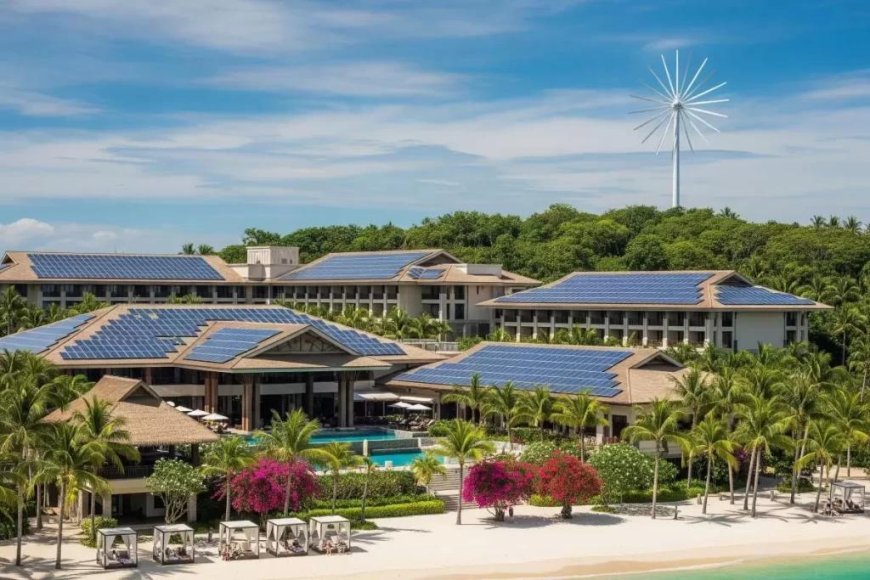
The result has been a new generation of eco-luxury resorts that focus on responsible operations without reducing guest comfort. Modern sustainability initiatives often remain largely invisible to guests while significantly improving environmental performance. Solar energy systems, rainwater collection infrastructure, advanced wastewater treatment systems, and energy-efficient building designs allow resorts to reduce resource consumption while maintaining high service standards.
This evolution demonstrates that luxury travel and sustainability can work together when environmental planning is incorporated into resort development from the beginning.
What Defines an Eco-Luxury Resort?
Not every resort that promotes environmental awareness qualifies as an eco-luxury property. Genuine eco-luxury resorts typically integrate sustainability into multiple aspects of their operations rather than relying on a single environmental initiative.
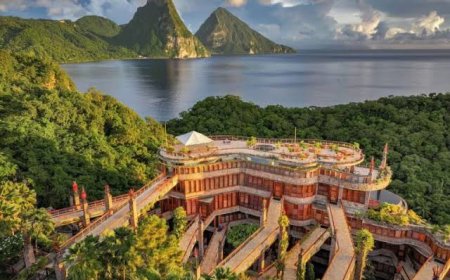
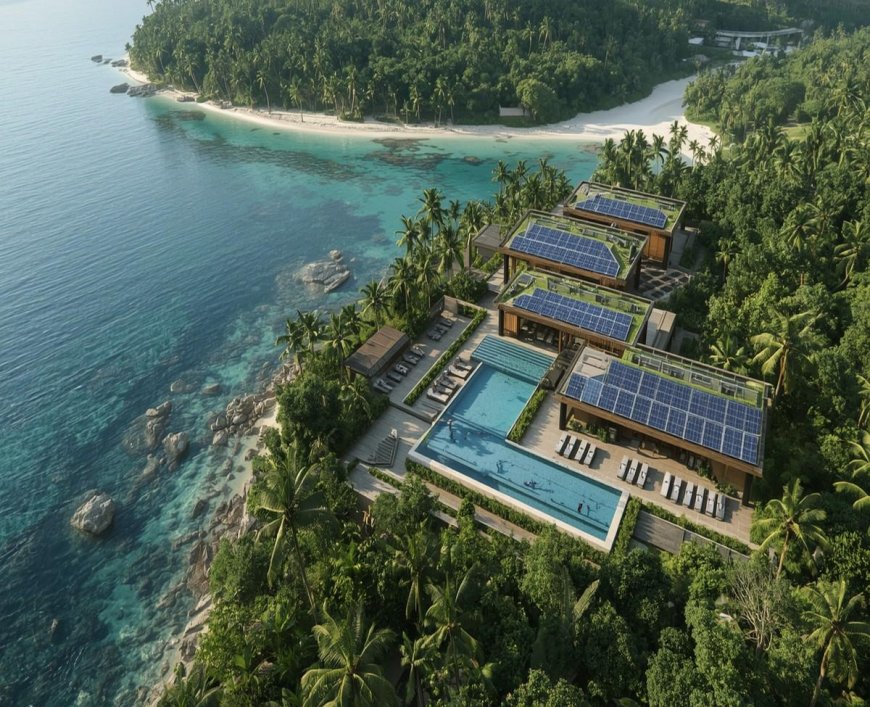
One important characteristic is responsible construction. Many eco-luxury resorts use locally sourced materials, environmentally sensitive site planning, and architectural designs that work with natural landscapes rather than dramatically altering them. Buildings may be positioned to maximize natural ventilation and daylight, reducing dependence on air conditioning and artificial lighting.
Resource management is another defining feature. Water conservation, renewable energy generation, waste reduction programs, and efficient infrastructure systems help reduce environmental impacts. These practices often lower operating costs while supporting long-term sustainability goals.
Community involvement is equally important. Many eco-luxury resorts prioritize local employment, purchase products from regional suppliers, support cultural preservation initiatives, and invest in community development programs. This approach helps ensure that tourism benefits extend beyond resort boundaries.
Guest education also plays a role. Resorts frequently offer opportunities for visitors to learn about local ecosystems, conservation projects, traditional culture, and environmental challenges.
Renewable Energy in Modern Resorts
Energy consumption represents one of the largest environmental challenges facing the hospitality industry. Resorts often require significant amounts of electricity for lighting, cooling, food preparation, transportation, and guest services.
Many eco-luxury resorts have responded by investing heavily in renewable energy systems. Solar power remains one of the most widely adopted technologies, particularly in tropical destinations that receive abundant sunlight throughout the year. Solar panels can provide electricity, heat water, and reduce dependence on fossil fuels.
Some properties supplement solar generation with battery storage systems that improve energy reliability. Others integrate wind energy or hybrid systems depending on local conditions.
Energy-efficient building design also contributes significantly to sustainability goals. Natural ventilation, reflective roofing materials, insulated walls, energy-efficient appliances, and smart climate control systems help reduce overall consumption.
Guests often benefit indirectly from these investments because lower energy costs allow resorts to allocate resources toward improved services, facilities, and conservation programs.
Water Conservation and Management
Water management is particularly important in many island destinations where freshwater supplies may be limited. Resorts can consume large volumes of water through guest accommodations, landscaping, swimming pools, restaurants, and recreational facilities.
Eco-luxury resorts increasingly use advanced water conservation technologies to address this challenge. Rainwater harvesting systems collect and store rainfall for non-potable uses such as irrigation and landscape maintenance. Efficient plumbing fixtures reduce water consumption without affecting guest comfort.
Wastewater treatment and recycling systems have become increasingly sophisticated. Treated water can often be reused for landscaping and other operational purposes, reducing pressure on local water resources.
Native landscaping also contributes to conservation efforts. Plants adapted to local climates generally require less irrigation than imported species, reducing long-term water demand while supporting local biodiversity.
These initiatives help protect natural resources while maintaining the amenities expected by resort guests.
Sustainable Food and Dining Experiences
Food sourcing has become a major focus within the eco-luxury sector. Traditional hospitality supply chains often involve transporting products long distances, increasing carbon emissions and reducing support for local producers.
Many eco-luxury resorts now prioritize local sourcing whenever possible. Fresh fruits, vegetables, seafood, herbs, and specialty products are often purchased from nearby farmers, fishers, and producers. This approach reduces transportation requirements while supporting local economies.
Farm-to-table dining programs have become increasingly common. Some resorts operate their own organic gardens, allowing chefs to incorporate freshly harvested ingredients directly into menus.
Sustainable seafood practices are also gaining attention. Resorts may avoid serving overfished species and instead partner with suppliers that follow responsible fishing methods.
These efforts provide guests with authentic culinary experiences while strengthening regional agricultural systems and reducing environmental impacts associated with food transportation.
Protecting Natural Ecosystems
Many eco-luxury resorts are located in environmentally sensitive areas that contain coral reefs, mangroves, forests, wetlands, or wildlife habitats. Protecting these ecosystems is essential not only for environmental reasons but also because they contribute directly to the guest experience.
Responsible development practices help minimize habitat disruption. Resorts may establish conservation zones, limit construction footprints, and implement measures that protect surrounding ecosystems.
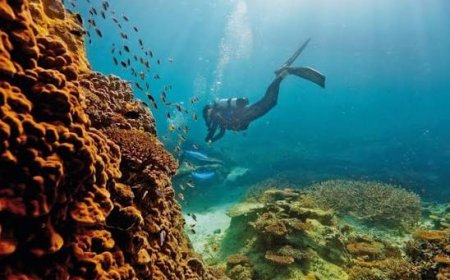
Coral reef conservation has become particularly important in many tropical destinations. Resorts often support reef restoration projects, marine research programs, and sustainable snorkelling or diving practices.
Wildlife protection initiatives may include habitat preservation, species monitoring, invasive species control, and educational programs for visitors.
By investing in ecosystem protection, resorts help preserve the natural attractions that draw travelers while supporting broader conservation objectives.
Community Engagement and Local Economic Benefits
One of the most significant aspects of eco-luxury tourism is its emphasis on community engagement. Sustainable tourism extends beyond environmental protection and includes social and economic considerations.
Many eco-luxury resorts prioritize hiring local employees and providing training opportunities that support career development. Local employment strengthens economic resilience while reducing dependence on imported labour.
Partnerships with local businesses also create broader economic benefits. Artisans, farmers, transportation providers, tour operators, and cultural organizations often gain access to new markets through resort collaborations.
Some resorts support educational programs, healthcare initiatives, environmental projects, or community infrastructure improvements. These investments help strengthen relationships between tourism operators and local residents.
Guests increasingly value these connections because they provide more meaningful travel experiences while contributing to local development.
Wellness and Sustainable Hospitality
Wellness tourism has become closely connected with eco-luxury travel. Many travelers view environmental responsibility, personal health, and overall well-being as related concepts.
Eco-luxury resorts frequently offer wellness programs that incorporate natural surroundings into guest experiences. Outdoor fitness activities, yoga sessions, hiking excursions, meditation programs, and spa treatments often emphasize connections with local environments.
Sustainable wellness facilities may use natural products, locally sourced ingredients, and environmentally responsible operating practices.
The combination of environmental awareness and wellness programming appeals to travelers seeking experiences that support both personal and ecological well-being.
Challenges Facing Eco-Luxury Resorts
Despite their growing popularity, eco-luxury resorts face several challenges. Sustainable infrastructure often requires significant upfront investment. Renewable energy systems, water treatment facilities, and environmentally responsible construction methods can increase development costs.
Certification and verification also present challenges. Numerous sustainability standards exist, making it difficult for consumers to evaluate environmental claims consistently. Some properties engage in "green washing," promoting minor environmental initiatives while failing to address larger sustainability issues.
Climate change creates additional pressures. Rising sea levels, stronger storms, changing weather patterns, and ecosystem degradation affect many destinations where eco-luxury resorts operate.
Balancing guest expectations with sustainability goals can also be complex. Travelers may support environmental responsibility in principle while still expecting high levels of comfort and convenience. Addressing these challenges requires ongoing innovation, transparency, and long-term planning.
The Future of Eco-Luxury Travel
The future of eco-luxury hospitality appears closely linked to broader sustainability trends within global tourism. Travelers continue seeking experiences that align with environmental values while maintaining comfort and convenience.
Technology is expected to play an increasingly important role. Smart energy systems, advanced water management technologies, sustainable building materials, and data-driven resource monitoring will likely improve operational efficiency.
Carbon reduction initiatives may also become more common as governments and businesses pursue climate goals. Resorts may invest in carbon-neutral operations, renewable energy expansion, and ecosystem restoration projects.
Consumer demand for transparency is likely to increase as travelers seek detailed information about sustainability performance. Resorts that provide measurable environmental results may gain competitive advantages.
The continued growth of sustainable tourism suggests that eco-luxury hospitality will remain an important segment of the global travel industry.
Conclusion
Eco-luxury resorts demonstrate that sustainability and all-inclusive comfort can coexist successfully. By integrating renewable energy, water conservation, responsible food sourcing, ecosystem protection, and community engagement into their operations, these properties offer travelers opportunities to enjoy premium experiences while supporting environmental and social responsibility.
The rise of eco-luxury travel reflects changing consumer expectations and growing awareness of tourism's environmental impacts. Travelers increasingly want vacations that align with their values without sacrificing comfort, convenience, or service quality.
Although challenges remain, continued investment in sustainable technologies, responsible development practices, and community partnerships is helping shape a more resilient hospitality industry. Eco-luxury resorts are not only changing how tourism operates but also influencing broader conversations about sustainability, conservation, and responsible travel.
As environmental awareness continues to grow worldwide, eco-luxury resorts are likely to play an increasingly important role in demonstrating how tourism can support both exceptional guest experiences and long-term environmental stewardship. They represent a practical example of how modern hospitality can adapt to changing expectations while contributing positively to destinations, communities, and natural ecosystems.
What's Your Reaction?
 Like
0
Like
0
 Dislike
0
Dislike
0
 Love
0
Love
0
 Funny
0
Funny
0
 Angry
0
Angry
0
 Sad
0
Sad
0
 Wow
0
Wow
0