






























Best Caribbean Foods You Must Try
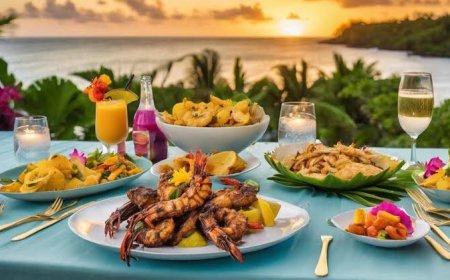
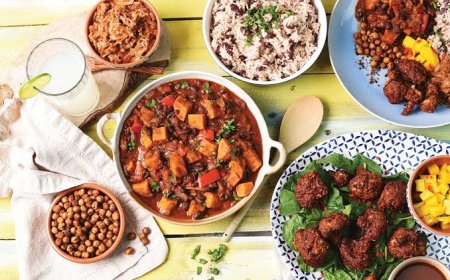
Best Caribbean Foods You Must Try explores the diverse food culture of the Caribbean and the traditional dishes travelers should experience. Popular choices include Jamaican jerk chicken, ackee and saltfish, curry goat, Jamaican patties, Puerto Rican mofongo, Barbados’ flying fish and cou-cou, Trinidad and Tobago’s doubles and roti, Saint Lucia’s green fig and saltfish, Dominican sancocho, and Bahamian conch. The article also highlights the importance of plantains, rice and peas, callaloo, fresh seafood, tropical fruits, and local desserts. Caribbean cuisine reflects African, European, Indigenous, Indian, and other cultural influences, with each island developing its own cooking traditions. Travelers can experience these flavours more authentically by visiting local restaurants, food markets, bakeries, street-food stalls, and family-run eateries rather than relying only on resort restaurants.

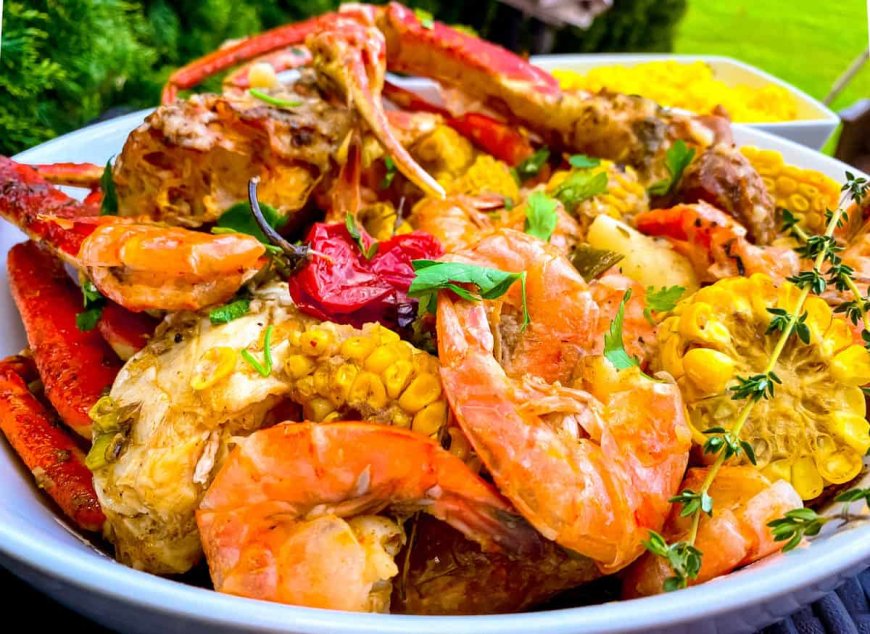
Caribbean food is not one single cuisine. It is a collection of island cuisines shaped by Indigenous Caribbean traditions, African heritage, European colonial history, Indian migration, Chinese communities, and local ingredients. That history is easy to see on a Caribbean menu: Jamaican jerk may sit alongside Indian-influenced curry, Puerto Rican mofongo, Barbadian cou-cou, Trinidadian doubles, and Dominican sancocho. A 2026 Caribbean Tourism Organisation guide also highlights how similar ingredients can appear in different forms from island to island. For travelers, this means a Caribbean holiday can become a food journey as much as a beach vacation. Instead of eating only at the hotel or resort, try local restaurants, markets, bakeries, food stalls, rum shops, and family-run eateries.

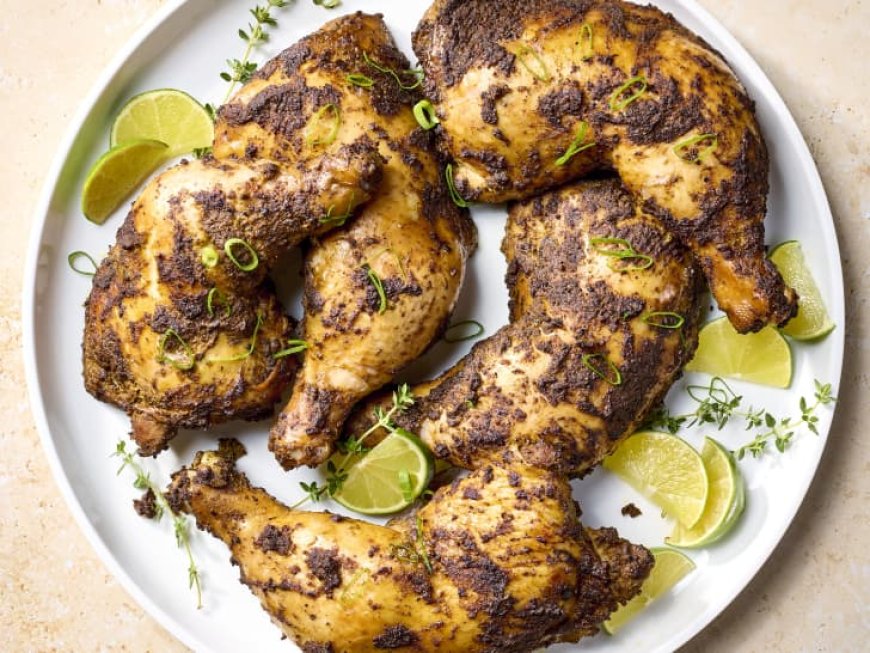
Jerk Chicken - Jamaica
Jerk chicken is one of the first foods travelers should try in Jamaica because it represents a cooking method as much as a particular seasoning. Chicken is traditionally seasoned with ingredients such as pimento, Scotch bonnet pepper, thyme, scallion, ginger, and other spices before being cooked over wood, traditionally pimento wood. The smoking process gives the meat its distinctive character and separates traditional jerk cooking from simply adding “jerk seasoning” to grilled chicken. Jamaica's tourism authorities identify jerk as one of the island's signature foods and point travelers toward places such as Boston Bay and established jerk restaurants. Order it with festival, rice and peas, bread, or another local side, and remember that Scotch bonnet peppers can be very hot.
Ackee and Saltfish - Jamaica
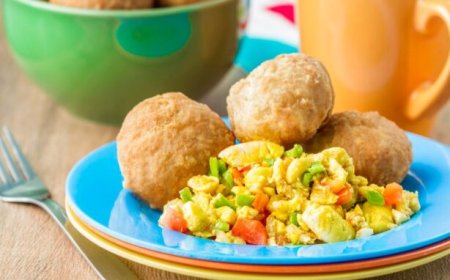
Ackee and saltfish is Jamaica's national dish and is commonly eaten for breakfast. Ackee is a fruit that develops a soft, yellow texture when properly prepared, while salted cod provides the main savoury element. The dish is usually cooked with ingredients such as onion, tomato, and seasonings and can be served with fried dumplings, callaloo, green bananas, breadfruit, avocado, or plantain. Jamaica's official tourism information describes it as a must-try local breakfast. Travelers should not attempt to prepare fresh ackee without understanding how it must be processed because unripe ackee can be toxic. The safest approach for visitors is to enjoy it at an established restaurant or local eatery.
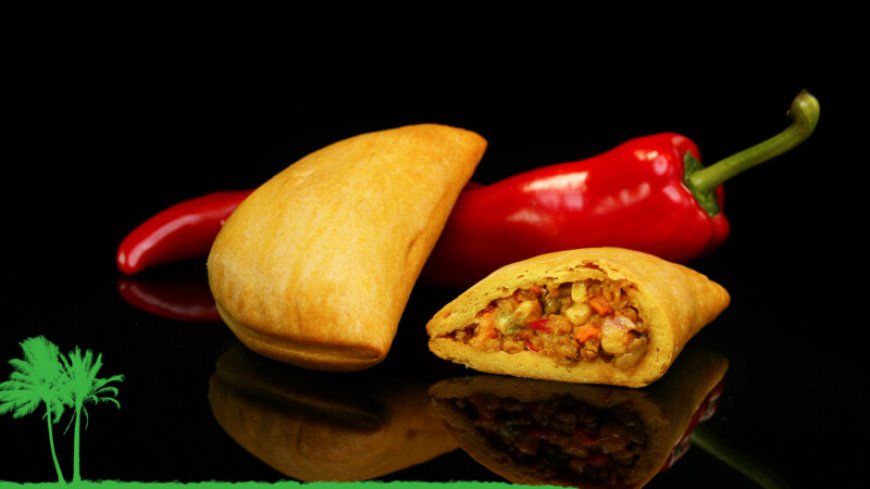
Jamaican Patty
The Jamaican patty is one of the easiest Caribbean foods to try because it is widely available at bakeries, patty shops, convenience outlets, and casual restaurants. It is a pastry filled with seasoned meat or other fillings, with beef being one of the most familiar versions. Chicken, vegetable, cheese, and other variations are also available. Jamaica's tourism information notes that the patty developed from the influence of the Cornish pasty and became an inexpensive everyday food. It is often eaten with cocoa bread, making a filling and convenient meal or snack. If you want to experience everyday Jamaican food rather than only restaurant dishes, a freshly baked patty is a good place to start.
Curry Goat - Jamaica and Trinidad & Tobago
Curry goat is found in several Caribbean cuisines, particularly in Jamaica and Trinidad and Tobago. The meat is slowly cooked with curry spices until tender, creating a dish that is usually served with rice, roti, rice and peas, or fried plantains. Its presence reflects the influence of Indian communities in the Caribbean and shows how migration became part of Everyday Island cooking. The dish is especially common at family gatherings, celebrations, Sunday meals, and other occasions when people cook for groups. The preparation can vary considerably from one cook to another, so travelers should not expect every curry goat dish to taste the same. Trying it in both Jamaica and Trinidad can reveal how the same basic idea changes between islands.
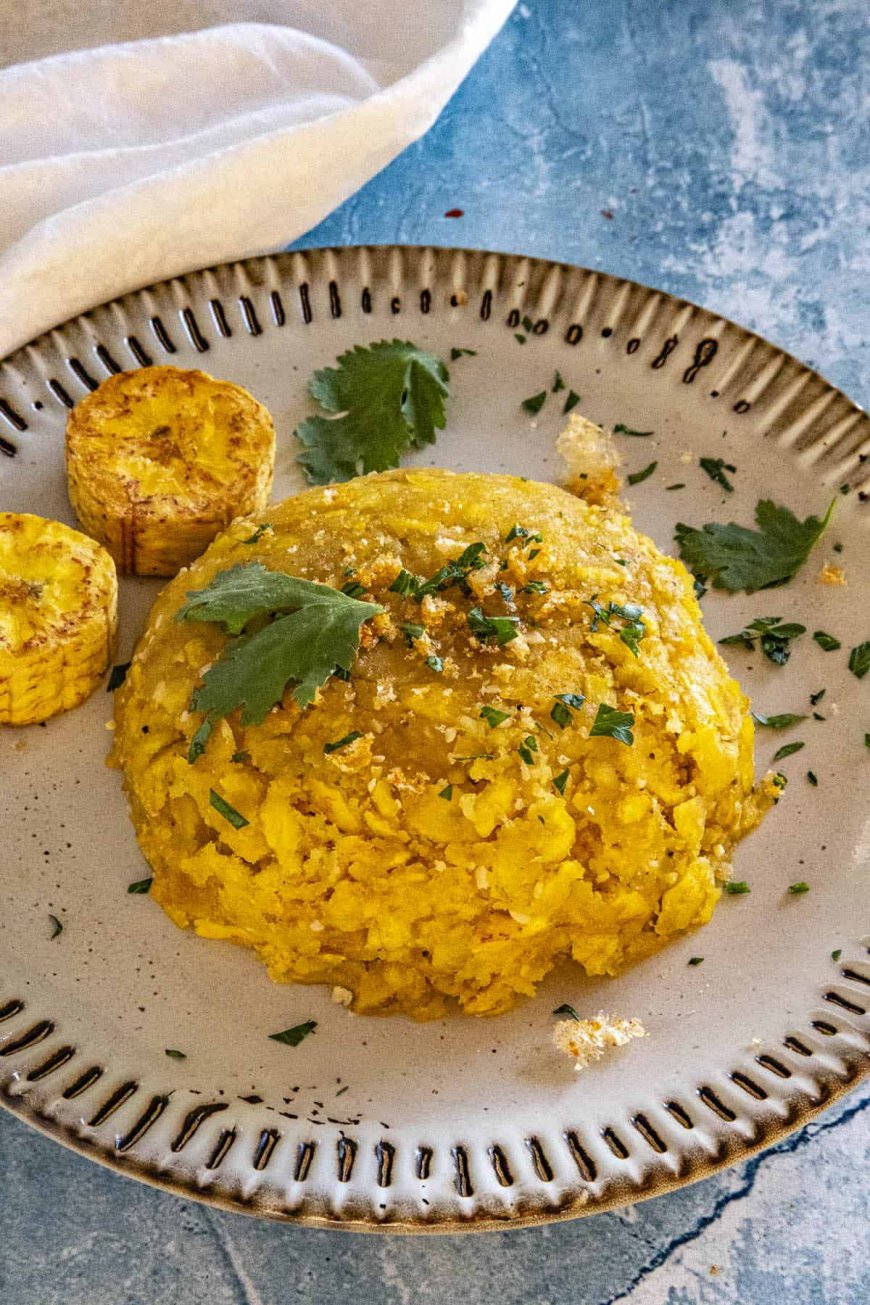
Mofongo - Puerto Rico
Mofongo is one of Puerto Rico's best-known dishes and is built around green plantains. The plantains are fried and then mashed, traditionally with garlic and other ingredients, and the mixture can be shaped into a mound or served in different forms. Mofongo may be accompanied by meat, seafood, chicken, or a savoury sauce, depending on the restaurant and preparation. Food Network's 2026 Caribbean recipe coverage also identifies Puerto Rican mofongo as an important dish within the region's wider culinary tradition. Because the plantain base is filling, mofongo works well as a main meal rather than simply a side dish. Travelers visiting San Juan or other parts of Puerto Rico will find many versions, from traditional preparations to modern restaurant interpretations.
Flying Fish and Cou-Cou - Barbados
Flying fish and cou-cou is closely associated with Barbados and is one of the dishes visitors should look for when exploring Bajan cuisine. Cou-cou is made from cornmeal and okra, while flying fish is commonly prepared separately and served alongside it. Barbados tourism information describes the dish as part of the island's culinary identity and points to the country's multicultural influences, including African, British, Irish, Indian, and Indigenous traditions. The dish is particularly useful for travelers who want to understand how local ingredients and historical influences came together in Bajan cooking. Try it at a local restaurant rather than limiting your food experience to international resort menus.
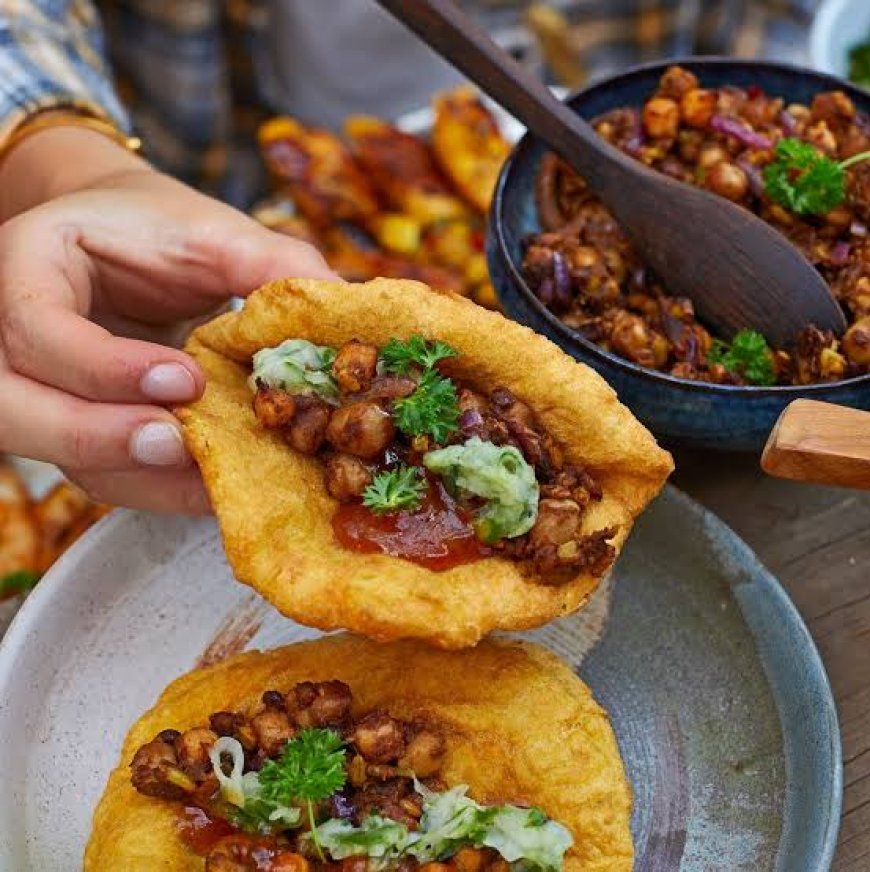
Doubles - Trinidad and Tobago
Doubles is one of Trinidad and Tobago's most recognizable street foods and is a strong choice for travelers who want something inexpensive and distinctly local. It is made with two pieces of bara, a fried flatbread, filled with curried chickpeas and usually finished with chutneys, pepper sauce, cucumber, or other toppings. Its Indian influence reflects the history of Indo-Caribbean communities in Trinidad and Tobago. Doubles is normally eaten as a casual breakfast or snack, and the preparation can be adjusted according to how much pepper and sauce a customer wants. The best way to experience it is from a busy local vendor where the food is prepared fresh. If you enjoy spicy food, ask about the pepper before adding a large amount.
Roti - Trinidad and Tobago
Roti is another important Caribbean food with strong Indian influence, particularly in Trinidad and Tobago. The dish generally combines flatbread with a filling such as curry chicken, curry goat, channa, potato, or vegetables. It is practical, filling, and commonly eaten as a complete meal rather than as a small side. The Caribbean version has developed its own identity over generations, so it should not simply be treated as the same food found in South Asia. Trinidadian roti shops are an excellent place to experience everyday local food away from tourist-focused restaurants. For visitors who want a substantial meal without spending heavily, roti is one of the dishes worth seeking out.
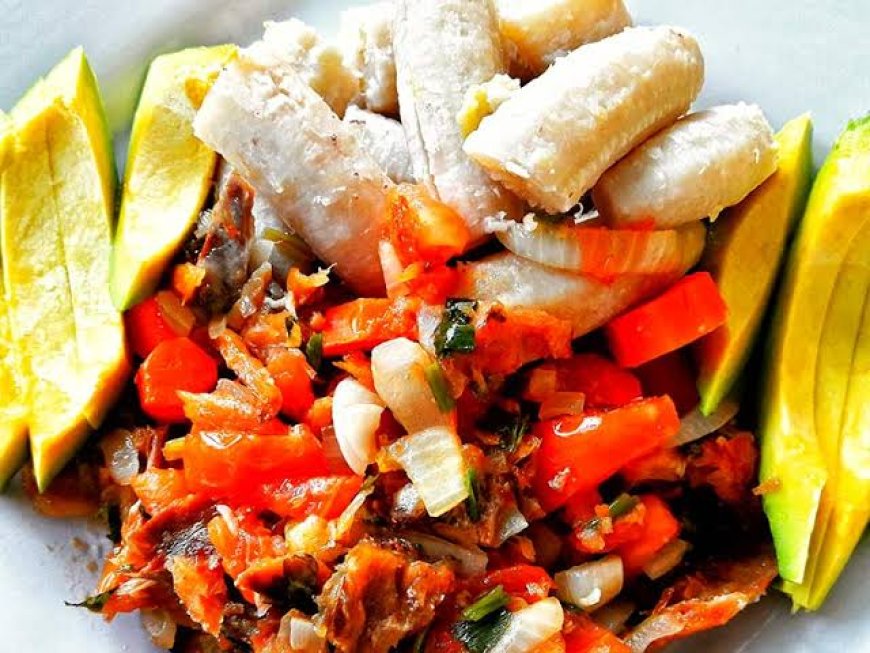
Green Fig and Saltfish - Saint Lucia
Green fig and saltfish is a traditional Saint Lucian dish that combines boiled green bananas, locally called green figs, with salted fish and vegetables. It is an important example of how Caribbean cooks turn locally available ingredients into filling meals. The salted fish provides protein while the green bananas provide the starchy base, with vegetables and seasonings adding additional flavour. The dish appears on lists of foods visitors should try in Saint Lucia, alongside other island specialties. Travelers should look for it at local restaurants and traditional food establishments rather than assuming it will appear on every resort menu. It is particularly useful for understanding Saint Lucian home-style cooking.
Sancocho - Dominican Republic
Sancocho is a hearty stew associated with the Dominican Republic and other parts of the Caribbean and Latin America. Dominican versions commonly combine different meats with root vegetables, plantains, and other ingredients in a long-simmered broth. The result is a substantial meal that is often connected with family gatherings, celebrations, and weekends. A 2026 Caribbean food guide lists Dominican sancocho among the regional dishes travelers should try. Because recipes vary between households, restaurants, and occasions, there is no single version that represents every Dominican kitchen. If you are visiting the Dominican Republic, asking locals where they recommend trying sancocho can lead you beyond the standard tourist menu.
Fried Conch - The Bahamas
Conch is an important part of Bahamian food culture and is commonly prepared in several ways. Fried conch is one of the most accessible versions for visitors, while conch salad and cracked conch are also popular preparations. The meat has a firm texture and is often paired with sauces, vegetables, or other local sides. The Bahamas is surrounded by productive marine waters, so seafood naturally plays a major role in local cuisine. AAA's 2026 Caribbean food guide specifically highlights fried conch among dishes travelers should try. When ordering seafood, choose established restaurants and local businesses that follow current food-safety requirements and responsible sourcing practices.
Callaloo - Across the Caribbean
Callaloo is an excellent example of why travelers should not assume that a dish has exactly the same meaning across the Caribbean. The word can refer to leafy greens and also to cooked dishes made from those greens. In Trinidad and Tobago, callaloo is commonly prepared as a cooked dish with ingredients such as coconut milk, okra, and seasonings, while Jamaican preparations can include callaloo cooked with saltfish and other ingredients. The Caribbean Tourism Organisation notes these regional differences in its 2026 food guide. Trying callaloo on different islands can therefore be more interesting than searching for one “original” recipe. Ask the server how the local version is prepared before ordering.
Rice and Peas - A Caribbean Staple
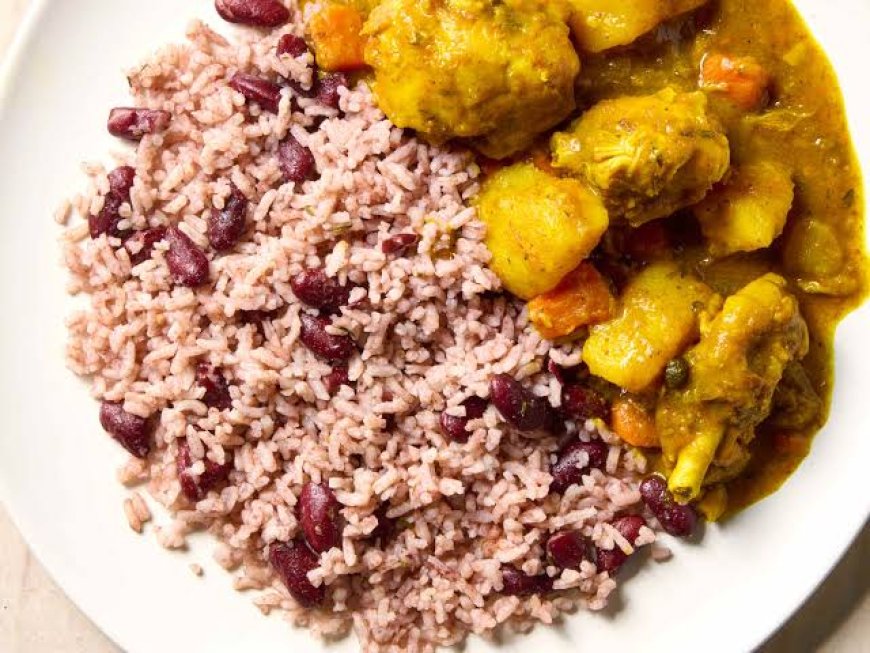
Rice and peas is found throughout Caribbean cuisine, although recipes and ingredients differ by island. In Jamaica, rice and peas commonly combines rice with kidney beans or other peas and is seasoned with ingredients such as coconut milk, thyme, scallion, and spices. Barbados also has its own rice-and-peas tradition, reflecting the island's African and other cultural influences. The dish is frequently served alongside jerk chicken, stewed meats, fish, and other main courses. It may look simple compared with more elaborate dishes, but it is an important part of understanding Caribbean meals because it often provides the staple carbohydrate alongside the main protein.
Plantains - Sweet or Savoury
Plantains are one of the most useful ingredients in Caribbean cooking because they can be prepared in different stages of ripeness. Green plantains are often fried or cooked as a savory side, while ripe plantains become sweeter and softer when fried. They can accompany meat, fish, rice, beans, or stews and appear across many Caribbean islands. The Caribbean Tourism Organisation identifies plantains as one of the region's widely used foods and notes the difference between green and ripe preparations. Travelers should try both versions because they can feel like completely different foods. Fried ripe plantains are especially easy for first-time visitors to enjoy.
Saltfish Fritters and Caribbean Fritters
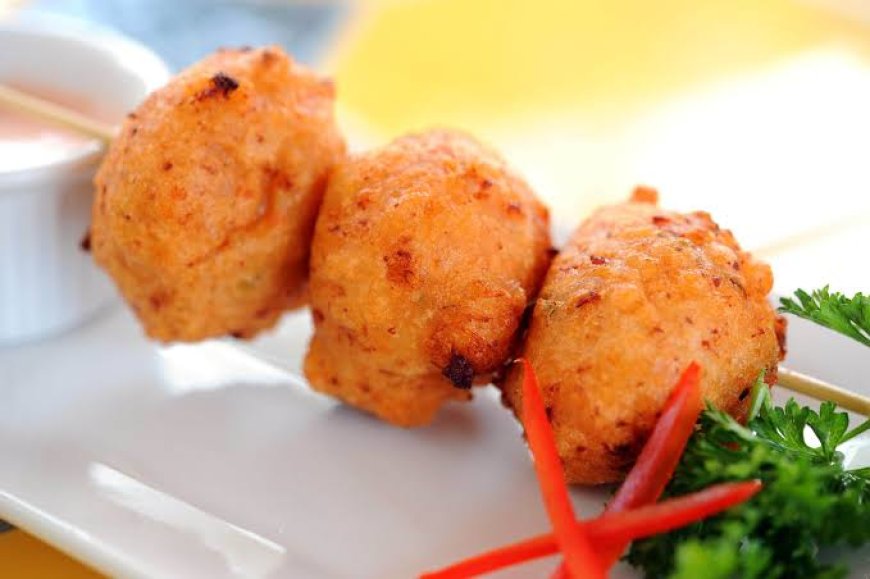
Fritters are another useful category for travelers who want to sample Caribbean food without ordering a large meal. Saltfish fritters, including versions commonly associated with Jamaica and other islands, combine salted fish with a seasoned batter before being fried. Trinidad and Tobago is also known for accra and other fritter-style foods influenced by African and Caribbean cooking traditions. These snacks are commonly found at casual restaurants, food stalls, markets, and family gatherings. Because recipes differ widely, travelers should ask what fish or ingredients are used. A plate of freshly fried fritters can be a practical way to sample local seasoning before moving on to larger dishes.
Caribbean Seafood
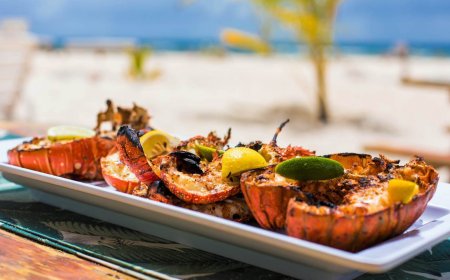
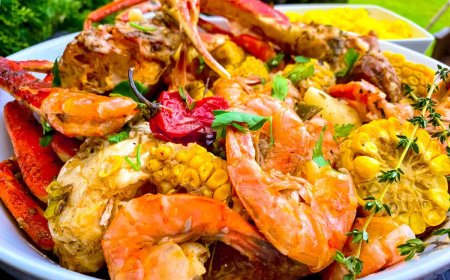
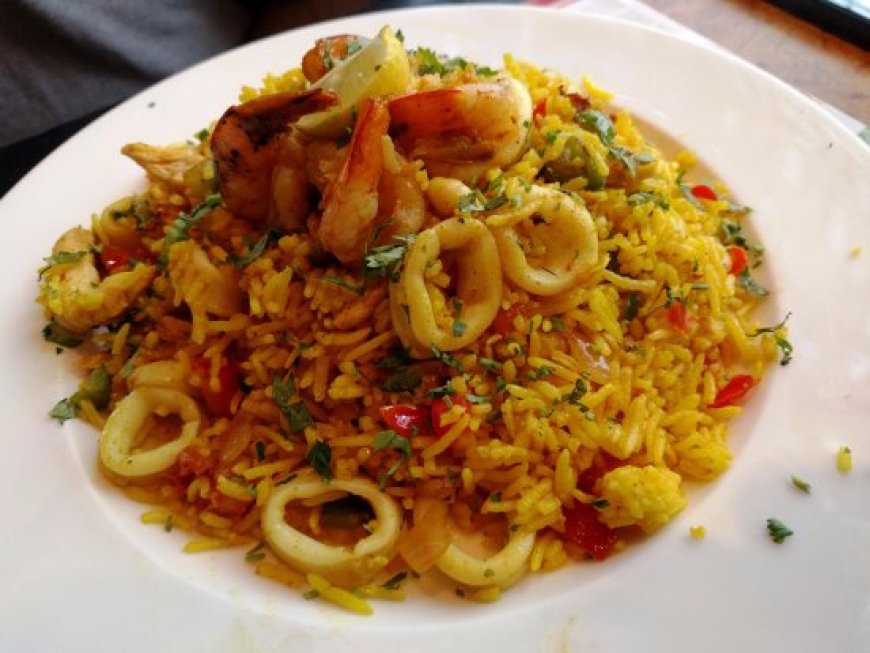
The Caribbean's geography makes seafood an important part of many island cuisines. Travelers can find grilled, fried, steamed, stewed, and escovitch-style fish depending on the destination. Jamaica's tourism authorities specifically highlight fried fish with festival, steamed fish, okra, and bammy as local seafood options. Barbados, the Bahamas, Saint Lucia, Grenada, Trinidad and Tobago, and many other destinations also have strong seafood traditions. The best choice will depend on the island and season, so ask what fish is locally available rather than automatically ordering an imported species. Fresh preparation and responsible sourcing are more important than choosing the most expensive item on the menu.
Caribbean Desserts and Tropical Fruits
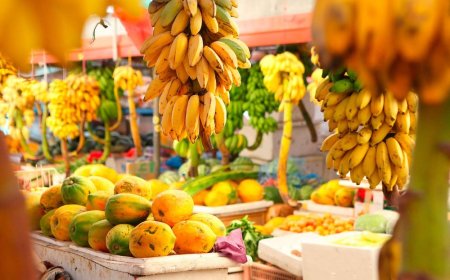
A Caribbean food journey should not end with the main course. Tropical fruits such as mango, pineapple, papaya, banana, guava, and soursop appear in drinks, desserts, breakfast plates, and snacks throughout the region. Jamaica also has a long tradition of desserts and fruit-based preparations, while other islands have their own cakes, puddings, sweet breads, and pastries. Jamaica's tourism information highlights the island's wide range of tropical fruits and traditional desserts. Travelers should visit local fruit markets when possible because they can discover fruits that are less common in their home countries. Fresh fruit is also a simple way to balance heavier meals.
How to Eat Like a Local in the Caribbean
The best way to experience Caribbean food is to avoid treating every meal as a resort dining experience. Resorts can offer good local dishes, but independent restaurants, markets, bakeries, food stalls, rum shops, and neighbourhood eateries often provide a broader view of everyday cooking. Barbados tourism authorities specifically point visitors toward local restaurants, cafés, rum shops, outdoor caterers, and casual food establishments. Look for places that are busy with local customers, ask residents what they recommend, and try dishes that are actually associated with the island you are visiting. At the same time, use normal food-safety judgment, especially with seafood and food that has been sitting unrefrigerated for long periods.
What's Your Reaction?
 Like
0
Like
0
 Dislike
0
Dislike
0
 Love
0
Love
0
 Funny
0
Funny
0
 Angry
0
Angry
0
 Sad
0
Sad
0
 Wow
0
Wow
0