














Best Caribbean Islands for Adventure Travel
Discover the best Caribbean islands for adventure travel, from hiking Dominica's rainforests and climbing Saint Lucia's Pitons to scuba diving in Bonaire, kayaking in Puerto Rico, surfing in Barbados, and sailing in the Bahamas. This guide compares the top destinations, outdoor activities, ideal travel styles, seasonal considerations, and practical safety tips to help travellers plan their next Caribbean adventure.

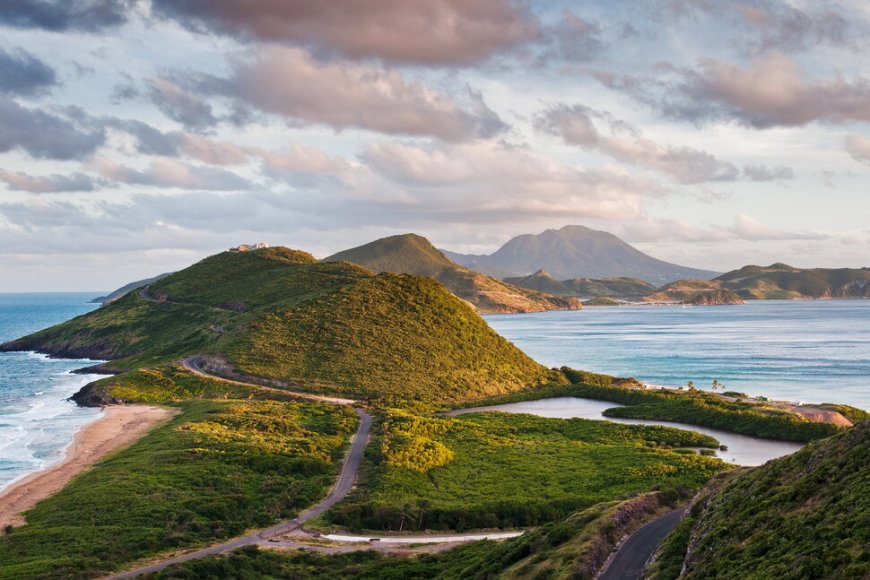
The Caribbean is much more than a destination for beaches, luxury resorts, and relaxing holidays. Its islands offer opportunities to hike volcanic mountains, explore tropical rainforests, dive among coral reefs, and paddle through mangroves, discover underground caves, and experience local wildlife. For adventure travellers, the best destination depends on their interests, fitness level, budget, and the amount of time they have available.

Some islands are ideal for challenging mountain hikes, while others are better suited to scuba diving, surfing, sailing, or wildlife exploration. Dominica is known for its volcanic landscape and hiking trails, Saint Lucia combines mountain adventures with water sports, and Bonaire attracts divers interested in exploring coral reefs. Jamaica and Puerto Rico offer a different combination of outdoor activities, cultural experiences, and accessible tourist attractions.
If you are planning an active Caribbean holiday in 2026, these islands deserve a place on your travel list. Each destination offers a different experience, along with practical considerations to help you plan a rewarding trip.
1. Dominica: The Best Island for Hiking and Rainforest Adventures
Dominica is one of the strongest choices for travellers who want to spend their holiday exploring nature rather than staying at a beach resort. Often called the Nature Island, it has mountainous terrain, dense rainforests, volcanic features, rivers, waterfalls, and natural hot springs. The Waitukubuli National Trail stretches approximately 115 miles (185 kilometres) across the island in 14 segments. Travellers can choose individual sections for shorter walks or plan a longer journey through different landscapes.
One of Dominica's most famous challenges is the hike to Boiling Lake in Morne Trois Pitons National Park, a UNESCO World Heritage Site. The demanding route passes through forest and the Valley of Desolation, where volcanic activity creates steaming vents and unusual mineral-coloured terrain. The hike requires good physical preparation, appropriate footwear, sufficient drinking water, and enough time to complete the journey safely. Visitors should confirm current trail conditions and guide requirements before setting out.
Dominica also offers river trekking, waterfall visits, canyoning, and snorkelling. Popular attractions include Trafalgar Falls and Titou Gorge, where visitors can experience the island's freshwater environments and rainforest scenery. These activities make it possible to combine physical challenges with opportunities to learn about local ecosystems and volcanic geology. Dominica is especially suitable for hikers, photographers, nature enthusiasts, and travellers who prefer small-group excursions over large commercial attractions.
Best for: Serious hikers, rainforest exploration, waterfalls, volcanic scenery, and nature-based travel.
Planning tip: Allow four to seven days if you want to experience several hikes and outdoor activities without rushing. Weather, trail conditions, and guide availability can affect your itinerary.
2. Saint Lucia: Mountain Hiking, Zip lining, and Water Sports
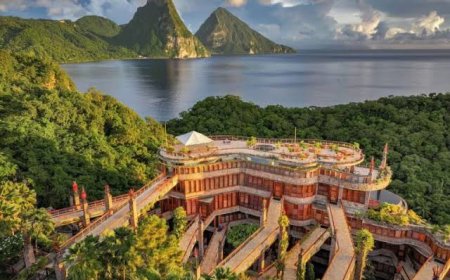
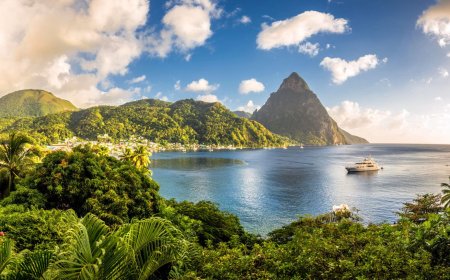
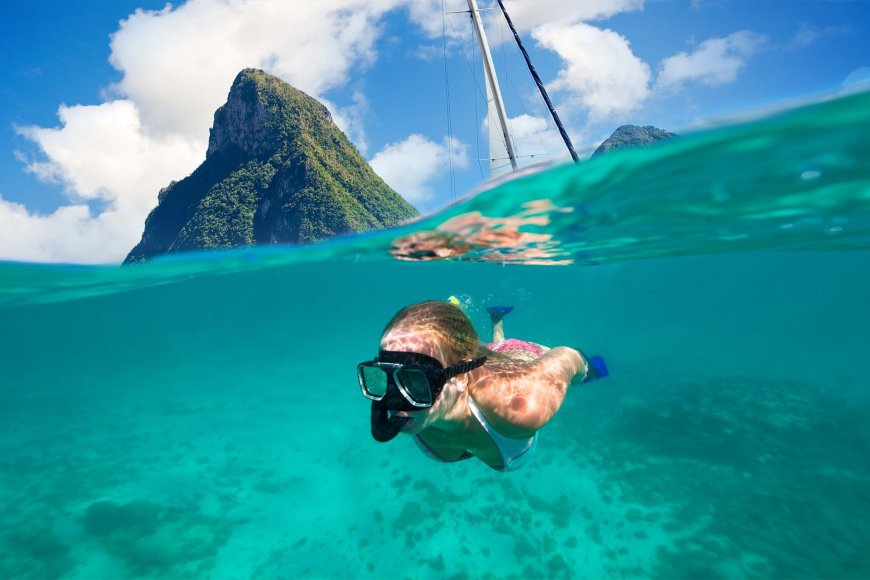
Saint Lucia is an excellent choice for travellers who want several kinds of adventure in one destination. The island's best-known landmarks are Gross Piton and Petit Piton, two steep volcanic peaks rising above the Caribbean Sea near Soufriere. The Pitons form part of a UNESCO World Heritage Site, and Gross Piton is a popular guided hiking challenge. The climb involves sustained uphill walking and uneven terrain, making it more suitable for reasonably fit travellers than for people seeking a casual scenic stroll.
Beyond the Pitons, Saint Lucia offers rainforest walks, zip lining, waterfall excursions, snorkelling, scuba diving, and sailing. Visitors can explore the island's interior on guided nature trips before spending the afternoon along the coast. The Sulphur Springs area near Soufriere provides a look at the island's volcanic features, while nearby beaches and marine sites offer opportunities for swimming and underwater exploration. Combining inland and coastal activities makes Saint Lucia particularly useful for couples, families with older children, and groups with different interests.
The island also has an established tourism sector, with hotels, local guides, transport services, and organised excursions available in its main visitor areas. However, not every attraction is close to every resort, and roads through the mountainous interior can be winding. Planning activities by region can reduce travel time and help visitors avoid spending too much of their holiday in vehicles.
Best for: Mountain hiking, zip lining, rainforest tours, snorkelling, and a mix of adventure and relaxation.
Planning tip: Spend five to seven days exploring Saint Lucia. Book a guided Piton hike in advance, check the difficulty level, and bring proper walking shoes rather than relying on beach footwear.
3. Jamaica: Waterfalls, River Adventures, and Mountain Trails
Jamaica is a strong option for travellers who want outdoor activities alongside music, food, and local culture. The island has mountain ranges, forested interiors, rivers, waterfalls, and a long coastline with opportunities for swimming, snorkelling, and boat trips. One of its best-known attractions is Dunn's River Falls near Ocho Rios, where visitors can join guided groups climbing the terraced waterfall. Those who prefer a less physically demanding experience can use designated viewing areas and walkways, depending on current access arrangements.
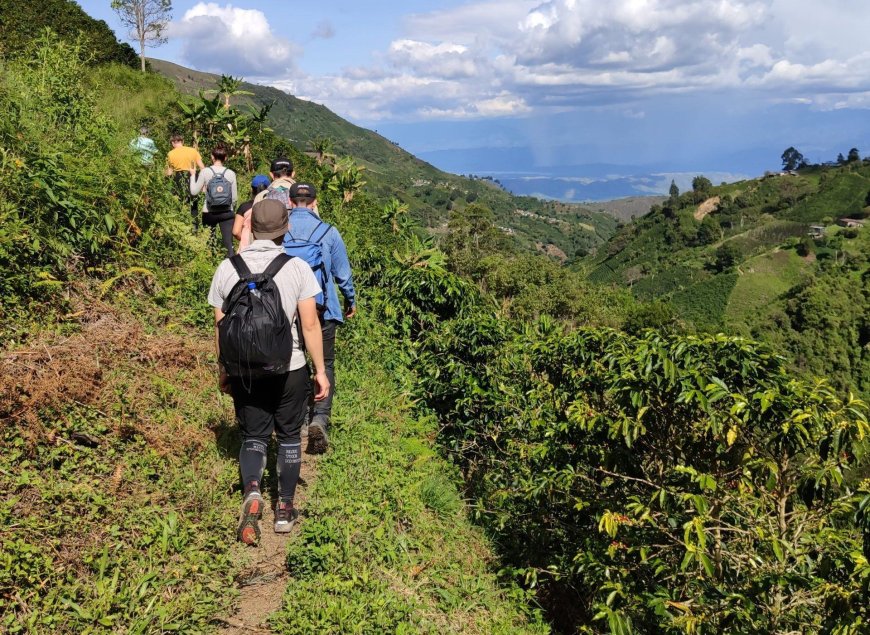
The Blue Mountains provide a different kind of adventure. Hiking routes pass through forest, agricultural land, and coffee-growing areas, with cooler conditions at higher elevations. Some excursions involve early starts to reach viewpoints around sunrise, while longer treks require a guide, suitable clothing, and sufficient water. Travellers interested in local agriculture can also learn about Jamaican coffee production and the communities that work in the mountain region.
Jamaica's rivers offer additional experiences, including bamboo rafting on the Martha Brae River and selected river tubing excursions. These activities are generally less demanding than mountain hiking and can suit visitors who want to spend time outdoors without undertaking a difficult physical challenge. For a more active itinerary, travellers can combine waterfall visits with coastal kayaking, reef snorkelling, or guided walks. Adventure providers and safety standards vary, so check what is included in each excursion before paying.
Best for: Waterfall climbing, mountain hiking, river activities, cultural experiences, and mixed-activity holidays.
Planning tip: Allow five to seven days and consider staying near the attractions you want to visit. Confirm transportation, activity duration, entry fees, and whether equipment is included when comparing tours.
4. Puerto Rico: Rainforest Hiking, Caves, and Bioluminescent Bays
Puerto Rico offers a varied adventure experience, particularly for travellers who want to combine outdoor activities with historic towns, restaurants, and established tourism services. El Yunque National Forest is one of the island's best-known natural attractions, with tropical vegetation, mountain scenery, waterfalls, and hiking opportunities. Visitors can choose shorter nature walks or more challenging trails, depending on which routes are open and their level of experience. Trail access and conditions can change after heavy rain, so checking official forest updates before setting out is important.
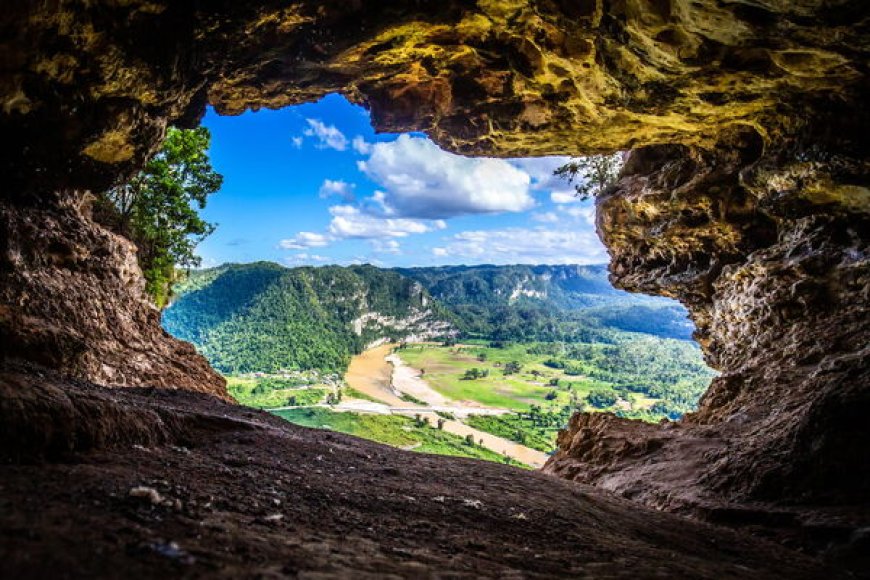
Caving is another option for adventurous visitors. Puerto Rico has limestone landscapes, underground passages, and cave systems that reveal a different side of the island's natural environment. Some cave experiences are suitable for guided sightseeing, while others involve uneven ground, darkness, and more demanding physical conditions. Travellers should select an excursion based on their experience and avoid entering restricted caves without authorised guides.
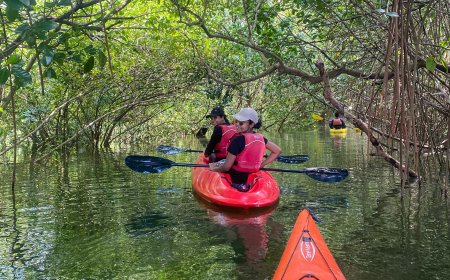
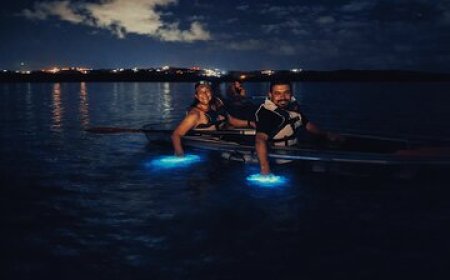
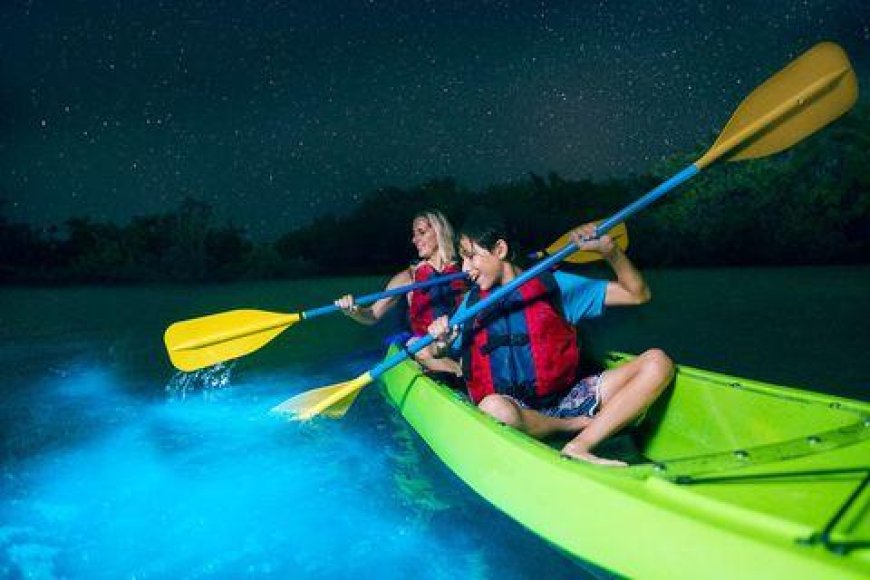
The island is also known for bioluminescent bays, where microscopic organisms can produce a blue-green glow when disturbed in the water. Mosquito Bay on Vieques is one of the best-known locations for this natural phenomenon, and guided kayaking tours are a popular way to experience it. Visibility varies with moonlight, weather, water conditions, and other environmental factors, so a glowing display is never guaranteed to look identical from one night to another. Visitors should choose authorised operators and follow local environmental rules to protect these sensitive ecosystems.
Puerto Rico's combination of rainforest, caves, coastal activities, and nighttime excursions makes it especially practical for travellers who want variety without dedicating the entire trip to strenuous hiking.
Best for: Rainforest walks, kayaking, caving, bioluminescent bays, and varied outdoor experiences.
Planning tip: Plan five to seven days if you want to explore the main island and include a trip to Vieques. Check ferry or flight arrangements separately, since reaching Vieques requires additional transportation planning.
5. Bonaire: One of the Caribbean's Best Choices for Scuba Diving
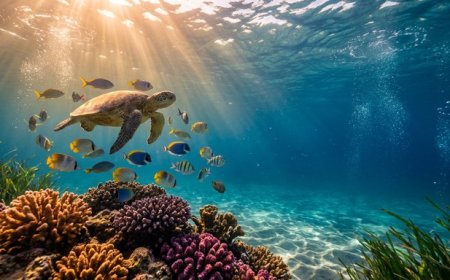
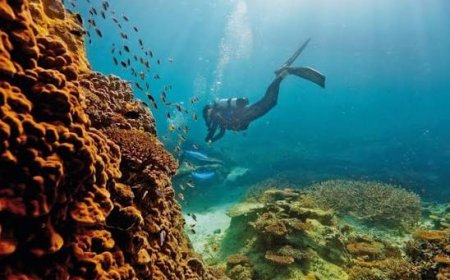
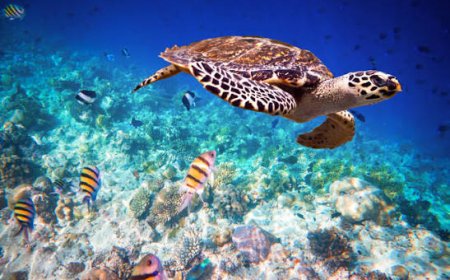
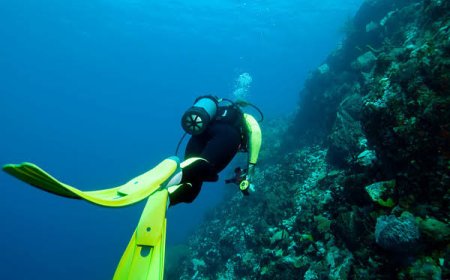
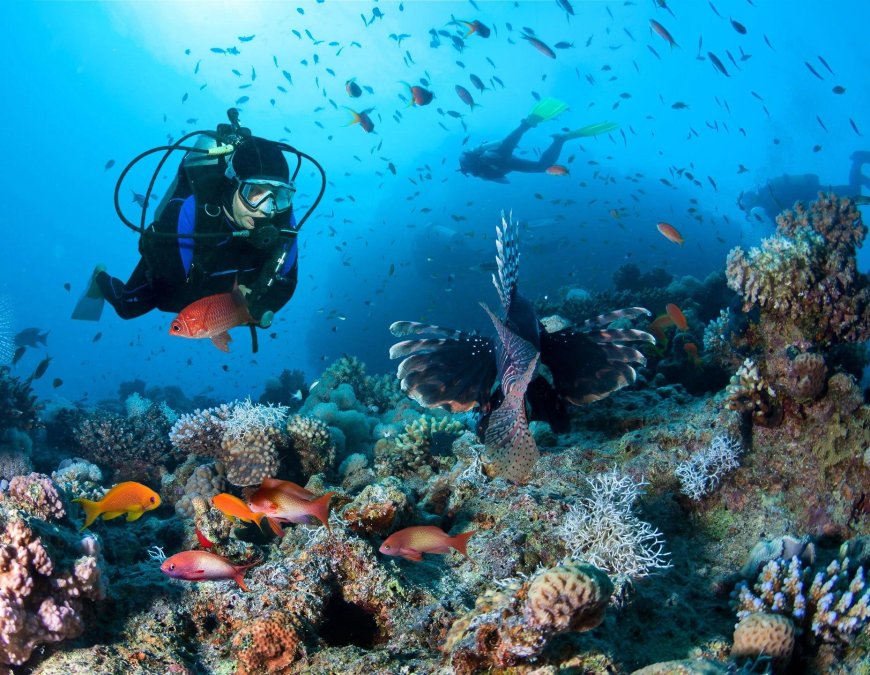
Bonaire is particularly attractive to travellers whose main goal is to explore the underwater world. Located in the southern Caribbean, the island is widely known for scuba diving, snorkelling, and marine conservation. Many dive sites are accessible from the shore, allowing certified divers to explore underwater landscapes without arranging a boat trip for every dive. The surrounding marine environment includes coral formations, tropical fish, and other reef life, making the island suitable for underwater photography and repeat dives.
The island's marine park is central to its appeal. Divers must respect local conservation requirements and follow the rules applicable to protected sites. Depending on current regulations, visitors may need to obtain a marine park access tag or pay relevant fees before diving or using designated marine areas. Beginners should arrange instruction through a reputable dive centre, while experienced divers should check site conditions, entry points, currents, and their own certification limits before entering the water.
Bonaire also offers activities away from the sea. Washington Slagbaai National Park features arid landscapes, cactus-covered terrain, coastal viewpoints, and opportunities for bird watching and nature photography. Kayaking and windsurfing are available in suitable locations, while quieter coastal areas allow visitors to experience a less crowded side of the Caribbean. The island's dry landscape differs considerably from the rainforests of Dominica and Saint Lucia, making it a useful choice for travellers who want an adventure holiday centred on the ocean.
Best for: Scuba diving, shore diving, snorkelling, marine life, and underwater photography.
Planning tip: Allow four to seven days for several dives and time on land. Bring proof of your diving certification if applicable, and never dive beyond your training or attempt a dive when conditions are unsafe.
6. The Bahamas: Kayaking, Sailing, and Ocean Exploration
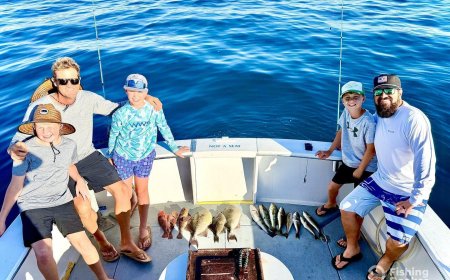
The Bahamas consists of a large archipelago of islands and cays, offering many ways to explore the sea. Travellers can choose from kayaking, snorkelling, sailing, and fishing, scuba diving, and boat excursions. The Exumas are particularly popular for trips through shallow blue waters and between small islands, while other parts of the archipelago attract divers interested in reefs, underwater caves, and blue holes. Because activities and transport options differ considerably between islands, choosing the right base is an important part of planning.
Andros is worth considering for visitors interested in more remote nature experiences. It is associated with extensive reef environments, mangrove wetlands, and blue holes, although access and difficulty depend on the individual site. Guided excursions can help travellers understand the local environment and navigate unfamiliar areas. Experienced divers should select sites that match their certification and technical ability rather than assuming all blue holes are suitable for recreational diving.
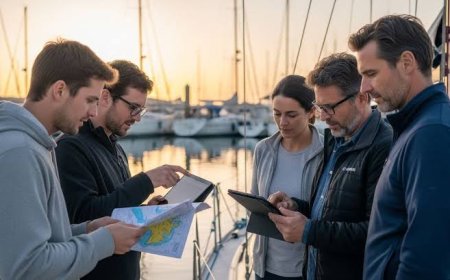
The Bahamas also suits people who enjoy sailing and boat-based exploration. A day trip may include swimming, snorkelling, visiting secluded beaches, or observing marine life. However, distances between islands can be substantial, and weather may affect boat schedules. Travellers should confirm whether their chosen excursion departs from their accommodation island or requires an additional domestic flight or ferry transfer.
Best for: Sailing, kayaking, island-hopping, snorkelling, fishing, and diving.
Planning tip: Choose one Main Island or island group for a short trip. For a week-long holiday, plan transfers carefully and confirm whether boat excursions include transport, meals, equipment, and safety gear.
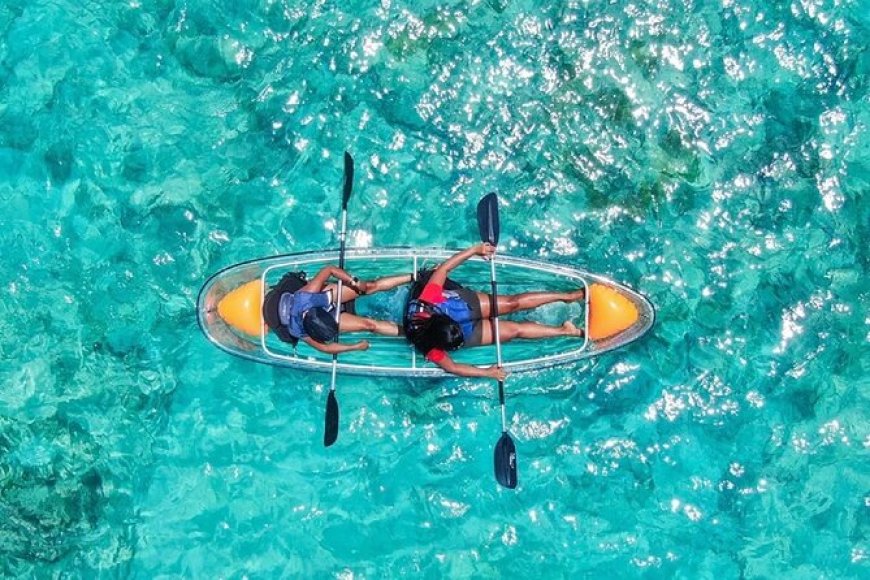
7. Barbados: Surfing, Cave Exploration, and Coastal Adventures
Barbados is a good choice for travellers who want to combine water sports with inland exploration. Its Atlantic-facing east coast is known for stronger waves and surfing opportunities, particularly around Bathsheba and the Soup Bowl area. These conditions can appeal to experienced surfers, but they are not appropriate for every swimmer or beginner. Travellers should seek local advice about currents, wave strength, surf conditions, and suitable beaches before entering the water.
For an inland adventure, Harrison's Cave provides an opportunity to see limestone formations, underground streams, and chambers shaped by natural geological processes. The island also has tropical gardens, walking areas, and opportunities for cycling through rural landscapes. These activities allow visitors to explore more than the resort strip while learning about the island's geology and natural environment.
Barbados also offers diving, snorkelling, deep-sea fishing, and other marine activities. The best choice depends on weather and sea conditions, which may differ between the Atlantic and Caribbean coasts. Travellers can spend one day exploring caves or gardens, another learning to surf, and a third taking a guided marine excursion. This variety makes Barbados suitable for visitors who want active days without committing to a challenging multi-day trek.
Best for: Surfing, caves, cycling, coastal exploration, and a balance of adventure and comfort.
Planning tip: Spend four to six days exploring the island. Beginners should arrange surf lessons with a qualified instructor and choose locations suited to their ability.
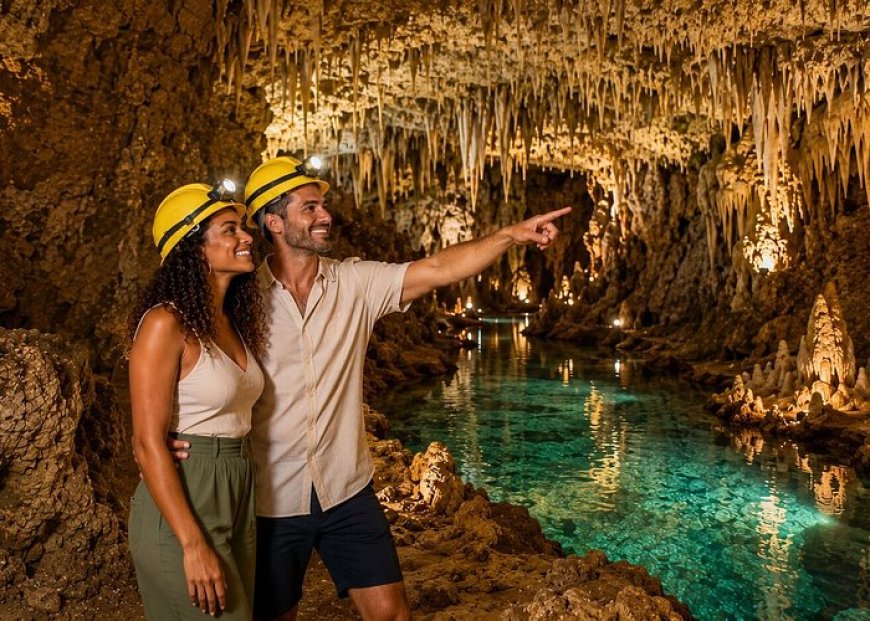
8. Grenada: Waterfalls, Diving, and Nature Trails
Grenada is an appealing destination for travellers who want to explore forests, waterfalls, and underwater attractions without planning an extremely demanding adventure holiday. The island has a mountainous interior, tropical vegetation, freshwater pools, and coastal areas suitable for swimming and diving. Grand Etang National Park and Forest Reserve is a useful starting point for nature lovers, offering trails through the island's interior and access to the Crater Lake area. Visitors can choose walks based on their fitness and available time, while guided excursions provide additional information about local plants, wildlife, and the island's volcanic origins.
One of Grenada's best-known underwater attractions is the Molinere Underwater Sculpture Park, where sculptures sit beneath the sea and form part of an artificial reef environment. Snorkelling and scuba diving trips allow visitors to view the installation, subject to sea conditions and access arrangements. The experience combines art, marine life, and environmental conservation, although visitors should avoid touching sculptures or coral and follow their guide's instructions. Divers should confirm whether their selected tour requires certification or offers an appropriate beginner experience.
Grenada also has waterfalls, including the Seven Sisters Falls area, where visitors can walk through forest and reach natural pools. Some routes can be slippery, particularly after rain, so sturdy footwear is important. The island's size makes it possible to combine inland walks with coastal activities and visits to local communities. Grenada is a good choice for travellers who prefer a varied itinerary rather than spending every day on a demanding excursion.
Best for: Waterfall walks, forest trails, snorkelling, scuba diving, and nature photography.
Planning tip: Allow four to six days for a balanced trip. Confirm trail access and waterfall conditions before visiting, especially during periods of heavy rainfall.
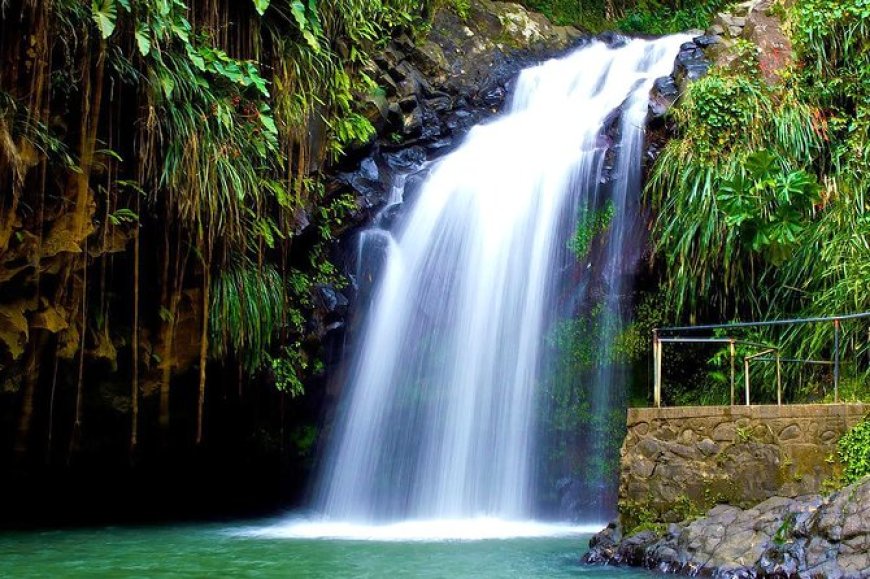
9. Dominican Republic: Mountain Treks, Canyoning, and Adventure Sports
The Dominican Republic offers a wider range of landscapes than many travellers expect from a Caribbean beach destination. Its mountains, rivers, forests, beaches, and coastal communities support activities ranging from demanding mountain treks to beginner-friendly water sports. Pico Duarte, the country's highest mountain, is a major challenge for hikers. Reaching the summit generally requires a guided, multi-day expedition, with planning for overnight stops, changing temperatures, food, water, and physical endurance. It is best suited to travellers who already have some hiking experience or are prepared for a serious outdoor challenge.
Jarabacoa, in the mountainous interior, is known for outdoor excursions involving waterfalls, river activities, hiking, and canyoning. Canyoning can involve walking through river channels, scrambling over rocks, swimming, and sometimes descending with ropes under professional supervision. The difficulty varies by route, and visitors should check equipment standards, guide qualifications, water levels, and age or fitness requirements before booking. These experiences provide an alternative to the resort-based activities concentrated around the coast.
For water sports, Cabarete is known internationally for kite surfing and windsurfing. Wind conditions attract both learners and experienced riders, although beginners should take lessons and use designated areas. The Dominican Republic's size means that adventure regions are not necessarily close to major resort destinations, so visitors should plan transport realistically. A holiday based in Punta Cana, for example, will not automatically provide easy access to the mountain interior.
Best for: Mountain trekking, canyoning, river adventures, kite surfing, and varied landscapes.
Planning tip: Allow at least five to seven days and longer if Pico Duarte is your main objective. Check travel times between regions before choosing accommodation.
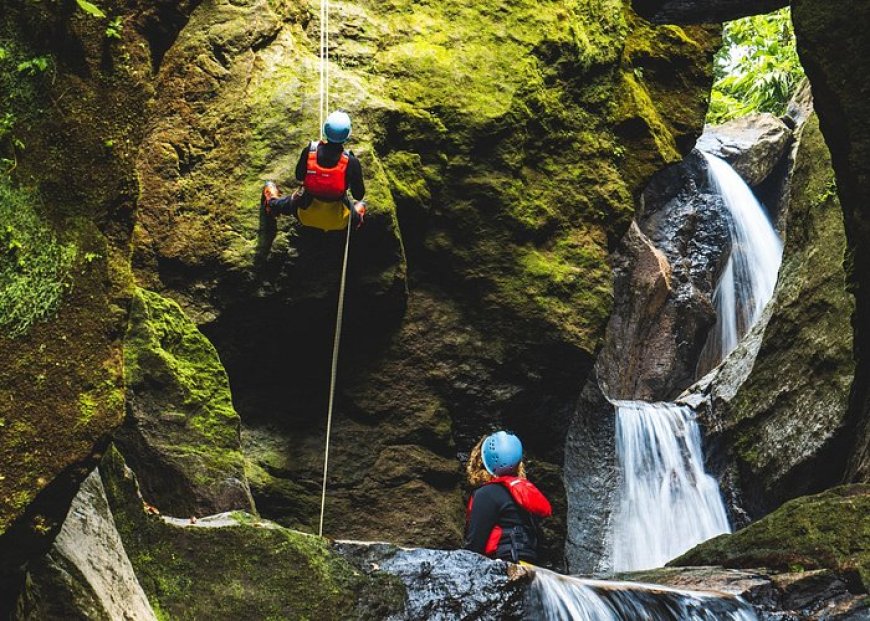
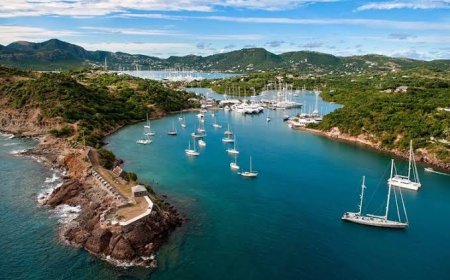
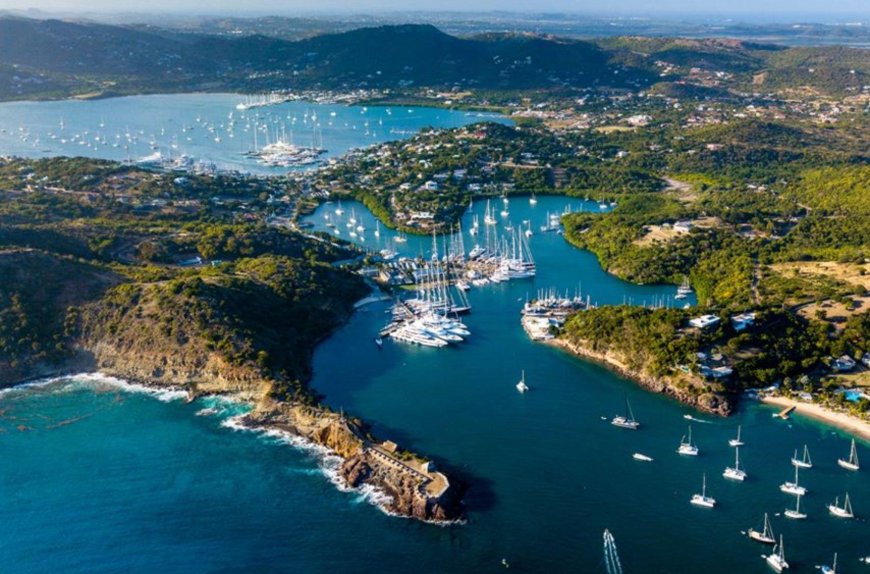
10. Antigua and Barbuda: Sailing, Snorkelling, and Coastal Exploration
Antigua and Barbuda is a strong option for travellers who prefer water-based adventures and coastal exploration over strenuous mountain hikes. Antigua has a long sailing tradition, numerous bays, and sheltered anchorages that attract sailors from around the world. Visitors can book sailing trips, learn basic sailing skills, snorkel around suitable reefs, or explore the coastline by kayak. The exact experience depends on wind, waves, and the operator's route, so travellers should check whether an excursion is suitable for beginners.
On land, visitors can explore historic sites such as Nelson's Dockyard, walk coastal paths, and visit natural landmarks including Devil's Bridge, a rock formation shaped by Atlantic wave action. These excursions combine outdoor activity with opportunities to learn about the island's maritime history and geology. Barbuda, Antigua's neighbouring island, offers a quieter environment with extensive beaches and coastal habitats, but transport between the islands requires additional planning.
The destination is particularly suitable for travellers who enjoy combining short hikes and water sports with relaxed evenings and local dining. It may not offer the same extensive high-mountain trekking as Dominica or the Dominican Republic, but it provides a different kind of adventure focused on sailing, marine exploration, and the relationship between island communities and the sea.
Best for: Sailing, kayaking, snorkelling, coastal walks, and maritime history.
Planning tip: Allow four to six days for Antigua, with extra time if you want to visit Barbuda. Check boat schedules and weather conditions before arranging activities.
Best Time to Plan a Caribbean Adventure Holiday
The Caribbean has a tropical climate, but conditions vary between islands and between coastal and mountainous areas. December through April is generally a popular period for travel because many destinations experience relatively drier weather, although prices and visitor numbers can be higher. May and June may offer a useful balance of warm weather and fewer crowds in some locations, while summer and autumn can bring more rainfall, depending on the destination.
The Atlantic hurricane season officially runs from June 1 through November 30. This does not mean every island experiences storms during those months, but travellers should understand the risks and prepare for possible changes to flights, ferries, boat tours, and outdoor excursions. Check official weather forecasts and local advisories before travelling, particularly when your itinerary includes exposed coastlines, mountain trails, or offshore activities.
Adventure planning also requires flexibility. Heavy rain may close hiking routes, strong winds can affect sailing and kite surfing, and rough seas may lead to cancelled diving or snorkelling trips. Booking activities with reputable operators and leaving spare time in your itinerary can help you adapt without losing the entire holiday to one weather disruption.
Practical Tips for a Safe and Enjoyable Adventure
Prepare for the Activity, Not Just the Destination
A beach holiday and a mountain trek require different equipment. Pack lightweight clothing, sturdy walking shoes, sun protection, insect repellent, and a reusable water bottle. For hiking, research the distance, elevation gain, terrain, and expected duration before choosing a route. For diving, use an appropriately certified operator and stay within your training and experience.
Choose Reputable Local Guides
Guides can help visitors navigate unfamiliar trails, understand local environmental rules, and respond appropriately when conditions change. This is particularly important for challenging hikes, canyoning, cave exploration, and remote-water excursions. Before booking, check what the price includes, what safety equipment is provided, and whether the operator has suitable qualifications and insurance.
Budget for Transport and Equipment
Adventure activities can involve additional costs beyond accommodation and flights. Guided excursions, national park fees, boat transfers, equipment rental, and domestic flights can add up quickly. Compare the full cost of an activity rather than its advertised starting price, and check whether transfers from your hotel are included. Travellers visiting remote areas should also account for limited public transport and the potential need for a rental vehicle or private transfer.
Protect the Natural Environment
Coral reefs, rainforests, caves, and volcanic landscapes are valuable ecosystems that need careful management. Avoid touching coral, feeding wildlife, leaving rubbish on trails, or entering restricted areas. Use designated paths and follow local guidance around rivers, waterfalls, and geothermal features. Responsible travel helps protect the places that make these islands attractive to future visitors.
Check Travel and Entry Requirements
Entry requirements depend on nationality, destination, transit route, and length of stay. Check official government and airline information before booking flights. Travel insurance should cover the activities you intend to undertake, particularly scuba diving, mountain trekking, and other higher-risk sports. Some standard policies exclude particular adventure activities unless additional coverage is purchased.
Conclusion
The best Caribbean islands for adventure travel offer far more than a few hours of swimming or sightseeing. Dominica stands out for its rainforest trails and volcanic landscapes, Saint Lucia combines mountain challenges with water sports, and Bonaire is an excellent choice for diving enthusiasts. Jamaica, Puerto Rico, the Bahamas, Barbados, Grenada, the Dominican Republic, and Antigua and Barbuda provide their own combinations of outdoor activities, marine experiences, and cultural discoveries.
The smartest approach is to choose your island based on the adventure you most want to experience. A traveller who loves hiking may prefer Dominica, while a scuba diver may get more value from Bonaire and a sailing enthusiast may prefer the Bahamas or Antigua. Research the season, check activity requirements, and allow enough time to explore without rushing from one attraction to another.
With sensible preparation, a realistic budget, and respect for local environments, a Caribbean adventure holiday can deliver much more than a beach break. It can introduce you to unfamiliar landscapes, new skills, local communities, and experiences that remain memorable long after the journey ends.
What's Your Reaction?
 Like
0
Like
0
 Dislike
0
Dislike
0
 Love
0
Love
0
 Funny
0
Funny
0
 Angry
0
Angry
0
 Sad
0
Sad
0
 Wow
0
Wow
0