


















How Digital Nomad Visas Affect Long-Term Stays
Digital nomad visas have created a more structured way for remote workers to live abroad for several months or longer while continuing to work for foreign employers or clients. The first dedicated schemes appeared in OECD countries in 2020, and the number of programs has continued to expand. By 2025, countries including Italy, Turkey and Bulgaria had introduced programs, while Croatia extended its digital nomad stay to 18 months. For long-term travellers, these visas can change the experience from short-term tourism to temporary residence. Instead of repeatedly leaving a country, eligible workers can rent accommodation for longer periods, establish daily routines, use coworking spaces and spend more time in local communities.

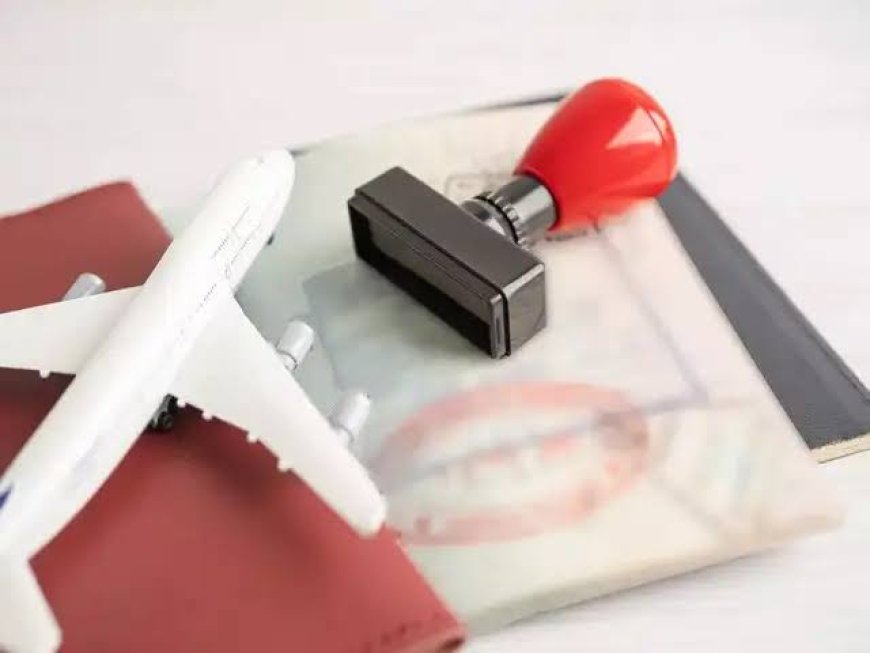
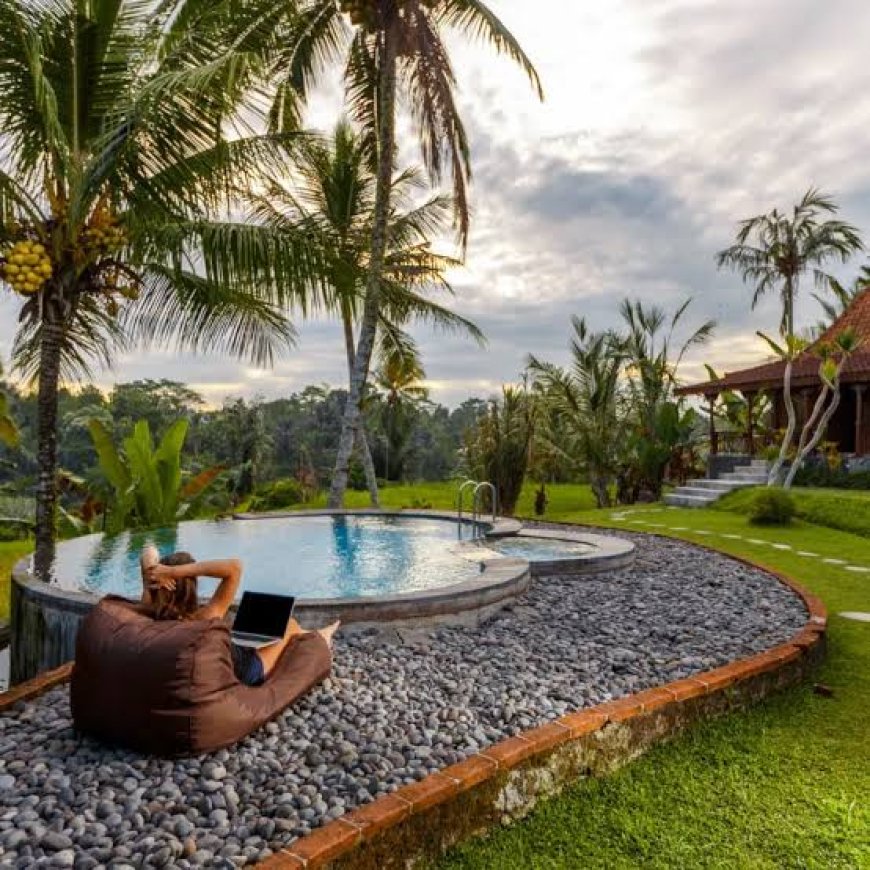
Digital nomad visas have changed the way many remote workers think about living abroad. Instead of entering a country as a short-term tourist and repeatedly leaving and re-entering, eligible remote workers can increasingly use dedicated visa or residence programs that allow them to stay for several months or, in some cases, a year or longer.

The concept is relatively new. The OECD notes that the first dedicated digital nomad visa schemes appeared in OECD countries in 2020, and since then governments have continued creating special pathways for remote workers whose income comes from employers or businesses outside the destination country.
By 2026, the digital nomad visa landscape has become more varied. Some countries offer a dedicated visa, some provide residence permits for remote workers, and others use existing immigration categories. The duration, income requirements, tax treatment, family rights and renewal rules can be very different.
For a person planning to spend one or two months abroad, these differences may not matter much. For someone planning to live overseas for six months, a year or longer, they can affect almost every part of daily life, from housing and banking to taxes, healthcare and travel planning.
What Is a Digital Nomad Visa?
A digital nomad visa is generally an immigration pathway designed for people who work remotely for an employer, clients or businesses located outside the country where they want to live.
The important distinction is between living in a country while working remotely for foreign income and entering a country to take a local job. Digital nomad programs normally focus on the first situation.
The exact legal structure differs. One country might issue a visa valid for 12 months. Another might offer a residence permit that can be renewed. A third may provide a special temporary residence category for remote workers.
The visa does not automatically create the same rights as permanent residence or citizenship. In many programs, the holder is expected to continue working for foreign employers or clients rather than entering the local labor market.
Dominica's Work in Nature, or WIN Visa, provides a useful example. The program allows eligible remote workers to stay for up to 18 months, and holders can work remotely for companies and individuals that are not registered in Dominica. The program also provides an income-tax waiver in Dominica, while the holder remains responsible for tax obligations in their normal country of tax residence.
That example demonstrates why the phrase “digital nomad visa” should not be treated as a universal legal category. Every country establishes its own rules.
Why Long-Term Stays Are Different From Tourism
A tourist normally plans around sightseeing, hotels, restaurants and short-term transportation. A long-term remote worker has a different set of priorities.
After several months, the quality of internet access becomes more important than the view from the hotel balcony. Reliable housing becomes more important than a short promotional rate. Healthcare, local transportation, banking, laundry, supermarkets and workspaces become part of the decision. This changes the economics of travel.
A person spending two weeks in a Caribbean resort may accept a high nightly hotel rate because the trip is temporary. A digital nomad staying six months may need a monthly apartment, kitchen, desk, reliable Wi-Fi and access to everyday services.
The visa therefore affects more than immigration status. It can make a longer stay practical because the traveler can legally remain in the country while maintaining their foreign employment or business.
The Growth of Longer Remote Stays
The rise of remote work created demand for immigration systems that were not designed around traditional tourism or local employment.
Traditional tourist visas are often limited to relatively short periods. For example, the European Commission explains that non-EU nationals visiting the Schengen area generally face a 90-days-in-180-days limit for short stays, while longer stays are handled through national procedures. A remote worker who wants to spend several months in Europe therefore needs to examine the immigration rules of the specific country rather than assuming that a normal tourist stay is sufficient.
Digital nomad programs attempt to create a legal route specifically for this type of mobility.
Latvia, for example, currently provides a one-year long-term visa for eligible third-country nationals employed by an employer registered in an OECD country or self-employed in an OECD country, provided they can perform their work remotely while living in Latvia. The application also requires health insurance meeting specified coverage requirements. This type of program can turn a temporary lifestyle experiment into a legally structured long-term stay.
How Visa Duration Changes Travel Planning
The length of a digital nomad visa is one of the most important factors for anyone planning an extended stay. A three-month visa creates a different lifestyle from an 18-month program.
With a short program, a traveler may continue moving between countries. With a one-year visa, the person can rent a home, establish a routine and reduce the number of international moves.
Longer validity can also make certain expenses more worthwhile. A remote worker might rent a furnished apartment, buy household items, join a gym or coworking space, and establish relationships with local service providers.
This is one reason digital nomad visas can change the economics of travel. The traveler begins behaving less like a tourist and more like a temporary resident.
Monthly Housing Becomes More Important
Accommodation is usually one of the largest expenses during a long stay. Hotels can be convenient, but their nightly pricing may become expensive over several months. Digital nomads therefore often look at furnished apartments, serviced apartments, coliving properties and monthly rental agreements. However, longer stays introduce new questions.
Is electricity included? Is high-speed internet included? Is there a backup connection? Does the apartment have a suitable desk? Is air conditioning included? Who pays for water? What happens if the internet stops working?
A low monthly rent can become expensive if utilities, coworking, transportation and other necessities are added separately. The visa gives the person permission to stay, but it does not guarantee affordable housing. In destinations that become popular with remote workers, increased demand can also affect rental markets.
Digital Nomad Visas Can Change Local Rental Demand
The relationship between digital nomads and housing markets is one of the most discussed effects of remote-worker programs.
A remote worker earning income from another country may have more purchasing power than some local workers, particularly in destinations with lower average wages. If many foreign remote workers compete for furnished apartments in the same neighbourhood, landlords may respond by targeting this market.
This can create benefits for property owners and local businesses. It can also create concerns about affordability for residents.
The effect varies significantly between cities and countries. A small tourist town with limited housing can experience different pressures from a large metropolitan area with a substantial rental market.
For this reason, long-term remote work policy increasingly involves more than immigration. Housing policy, local taxation, infrastructure and urban planning can all become relevant.
The Tax Question Is More Complicated Than the Visa
One of the biggest mistakes digital nomads make is assuming that receiving a digital nomad visa means they are automatically exempt from local taxes.
That is not generally safe to assume.
Immigration status and tax residence are separate questions.
A country may give a person permission to live there without automatically determining where that person is tax resident. Tax obligations can depend on the length of stay, domicile, income source, treaty rules and other factors.
The OECD has been addressing the growing complexity of cross-border remote work. In November 2025, it updated its Model Tax Convention to provide greater guidance on when remote work across borders may create a taxable presence for businesses. In 2026, the OECD further explained that a person working remotely from their home in another country does not automatically create a taxable place of business for their employer. The circumstances matter, including how much work is performed there and whether there is a commercial reason for the work to be conducted from that location. For individual workers, the lesson is straightforward: visa approval is not the same thing as tax clearance.
Some Programs Offer Tax Incentives
Tax treatment is one area where digital nomad programs can differ significantly.
Some destinations deliberately provide tax incentives to make their programs attractive.
Dominica is a clear example. Its WIN Visa program states that a waiver on income tax is available for people working remotely under the program, while also stating that participants remain responsible for income tax in their normal country of residence or tax domicile. Other countries may have different arrangements. Some may tax income after a certain period, while others may apply special rules to foreign-source income.
Therefore, anyone planning a stay of six months or more should examine both the immigration rules and the tax rules before moving.
Healthcare Becomes a Long-Term Concern
Healthcare is another issue that becomes more important as the length of stay increases.
A tourist may rely on travel insurance for a short trip. A person living abroad for a year needs to think more carefully about routine medical care, prescriptions, emergencies, specialist treatment and evacuation.
Many digital nomad programs require applicants to have health insurance.
Latvia's current long-term remote-work visa requirements, for example, include health insurance valid in Latvia and the Schengen member states with a specified minimum level of coverage. Insurance requirements also vary between programs. Applicants should check exactly what the policy must cover rather than purchasing the cheapest policy available.
Family Members Can Change the Equation
Digital nomad visas are not always limited to individuals.
Some programs allow spouses or dependent children to accompany the main applicant, although the requirements and fees differ.
Dominica's WIN Visa, for example, lists separate fees for single applicants and family applications and permits children of WIN Visa holders to attend school in Dominica. For families, this can make a digital nomad program significantly different from ordinary tourism.
However, parents need to investigate school availability, healthcare, housing size, transportation and the immigration status of each family member.
A destination that works perfectly for one remote worker may not be practical for a family with school-age children.
Education Can Become Part of the Visa Decision
Long-term family stays raise another question: education.
A family staying abroad for several months may need an international school, local school, online education or another arrangement.
Some digital nomad programs specifically address this issue. Dominica's WIN program states that children of visa holders may attend public, private or online school in Dominica, subject to the country's education rules. This kind of provision can make a major difference for families.
It also demonstrates how digital nomad programs are evolving. They are increasingly designed around real residence rather than simply allowing an individual to work from a beach for a few weeks.
Banking and Financial Administration
Long-term residence can also change how people manage money.
A person staying abroad for several months may want a local bank account, local payment options or access to services that are difficult to obtain as a tourist.
However, visa status does not automatically guarantee banking access.
Banks can have their own identification, address, tax-residency and compliance requirements. International transfers can also involve fees and currency conversion costs.
Remote workers should therefore investigate whether they can continue using their existing bank accounts easily and whether local payment systems accept international cards.
For a long stay, these practical details can matter more than the headline visa fee.
Internet Is a Core Requirement
For a digital nomad, internet access is not a luxury.
It is the infrastructure that allows the visa to function as a work arrangement.
Before selecting a destination, remote workers should examine actual internet availability rather than relying on general claims that a city or island has “good Wi-Fi.”
Questions worth asking include whether fibber is available, whether mobile data provides a backup, how reliable electricity is, whether the accommodation has a router with battery backup and whether coworking spaces have redundant connections.
A remote worker who has an important video meeting during a local power outage quickly discovers the difference between advertised internet and dependable work infrastructure.
Long-term stays make this issue even more important because the worker has to maintain professional performance for months rather than days.
Coworking Spaces and Professional Networks
Digital nomad visas can also influence the development of coworking spaces. A destination attracting remote professionals may see demand for shared offices, meeting rooms, business events and professional communities. This can create networking opportunities for freelancers, entrepreneurs and remote employees.
However, coworking culture varies widely. Some spaces are designed mainly for short-term visitors, while others support businesses that need private offices, conference facilities and reliable long-term connectivity. Remote workers should choose based on their actual work requirements.
Someone writing articles may only need a desk and stable internet. A consultant conducting confidential meetings may require a private room. A software developer may need reliable upload speeds and extended working hours.
The Difference between a Visa and a Path to Permanent Residence
A digital nomad visa should not automatically be viewed as a first step toward permanent residence.
Some programs are explicitly temporary. Others may allow renewal but do not count all periods toward permanent-residence requirements. Some countries have separate immigration routes for permanent residents and local employment. This distinction is critical for anyone planning to settle permanently.
A person who wants to live abroad indefinitely should examine whether the digital nomad category can eventually lead to another residence status.
If it cannot, the worker may need to leave or transition into another immigration category after the permitted period.
The European Union's broader immigration environment also demonstrates why national rules matter. The European Commission states that stays exceeding 90 days in the Schengen area are subject to national procedures rather than the standard short-stay rules. Renewals Can Create a New Set of Problems Renewal sounds simple until the applicant has to prove continued eligibility.
A program may require updated income evidence, health insurance, tax documents, accommodation records or proof of continuing foreign employment.
Some programs have clear renewal provisions. Others may require a new application.
Remote workers should never assume that spending the maximum initial period means they will automatically receive another identical period.
Immigration programs can also change. Governments may alter income thresholds, application fees, eligible nationalities, tax provisions or renewal conditions.
The rules that applied when a person entered may not necessarily remain unchanged several years later.
How Digital Nomad Visas Affect Local Economies
Governments generally create these programs because they expect economic benefits. Remote workers bring foreign income into the destination. They spend money on accommodation, restaurants, groceries, transportation, coworking spaces, recreation and other services.
Unlike conventional tourists, they may remain for several months, producing a more consistent stream of spending.
The OECD has noted that the economic benefits of digital nomad programs are not guaranteed and need to be weighed against tax implications and administrative costs. This is an important point. Simply increasing the number of foreign remote workers does not automatically mean every local resident benefits.
The quality of the program depends partly on whether the additional economic activity reaches local businesses and communities.
Long-Term Stays Can Change the Traveller’s Lifestyle
The biggest personal effect of a digital nomad visa may be the change from tourism to routine.
Instead of asking, “What should I see today?” the remote worker starts asking, “Where should I buy groceries?”
The person develops a favourite café, finds a reliable barber, learns the local bus system, establishes a gym routine and discovers neighbourhood restaurants.
This can make the experience more meaningful, but it also means that the destination has to work as a place to live.
A beautiful island may be excellent for a two-week vacation but difficult for a six-month stay if groceries are expensive, transportation is limited or reliable housing is difficult to find.
Long-Term Stays Can Reduce Travel Costs
Staying longer can sometimes reduce average accommodation and transportation costs.
Monthly rental rates can be lower than equivalent nightly hotel rates. A kitchen can reduce restaurant spending. Staying in one location also eliminates repeated flights, airport transfers and short-term accommodation changes. The visa therefore enables a different cost structure.
However, long-term living is not automatically cheap. Rent, utilities, insurance, coworking, transportation, food and taxes can add up quickly.
A realistic budget should be based on actual monthly expenses rather than a destination's reputation for being affordable.
The Social Side of Digital Nomad Life
Long-term stays can also create social benefits. A remote worker who stays for six or twelve months has more opportunities to develop friendships with both other international residents and local people.
Coworking spaces, sports groups, language classes and community events can help.
But there is also a risk of living inside a foreigner-only bubble. In destinations with large digital nomad communities, it can be easy to spend most of the week around other remote workers.
Longer residence gives people an opportunity to engage more deeply with the local community, but that depends on individual effort.
Digital Nomad Visas and Local Employment Rules
Another important limitation is local employment. Many digital nomad programs are specifically designed for foreign employment or foreign clients. This means a person cannot necessarily take a job with a local company simply because they hold a digital nomad visa.
The distinction should be understood before accepting new work. A freelancer who moves abroad may have clients in several countries. If one of those clients is located in the country where the freelancer lives, local rules may become relevant. Similarly, an employee who wants to transfer to a local office may need a different work permit.
Digital nomad status is generally designed around location-independent work, not unrestricted access to the local labor market.
Digital Nomad Visas Are Becoming More Formalized
The regulatory environment is also becoming more sophisticated.
Governments are increasingly interested in managing remote work through formal immigration categories rather than relying entirely on tourist status.
At the European level, the European Commission adopted a new Visa Strategy in January 2026 and has been emphasizing more modernized and digitized visa processes. While this is not itself a European Union-wide digital nomad visa, it illustrates the broader movement toward more structured mobility systems. At the same time, governments are paying more attention to cross-border taxation, social security and employer obligations.
This means the future digital nomad environment is likely to be more regulated than the early years of remote work.
Social Security Is another Long-Term Issue
Social security can become complicated when someone works in one country while employed by a company in another. Questions can include which country's social insurance system applies, whether contributions are required, and whether the worker retains benefits from their home country.
The European Commission announced in September 2026 that it had adopted a fair-mobility package intended to improve portability and proof of social-security and health-insurance rights for mobile workers within the EU. This illustrates a wider issue: remote work crosses borders faster than traditional employment systems were designed to handle.
For workers staying abroad for extended periods, social-security rules should be checked separately from immigration rules.
What Makes a Good Long-Term Digital Nomad Destination?
A good destination for a long-term remote worker needs more than a digital nomad visa. The visa should be only the starting point.
The destination also needs reliable internet, suitable housing, reasonable access to healthcare, dependable transportation, everyday services, safe working conditions and an environment that supports the person's lifestyle.
Climate is another consideration. A destination that looks attractive during the dry season may become very different during months of heavy rainfall or hurricanes.
Time zone can also matter. A remote employee working for a company in North America or Europe may need to work unusual hours depending on the destination.
A person should therefore choose the destination based on the actual working schedule rather than vacation photographs.
What Long-Term Applicants Should Check Before Applying
Before paying an application fee, applicants should read the official immigration information carefully.
Income requirements are particularly important. Some programs require proof of a minimum monthly or annual income. The definition of acceptable income may also differ between employment, self-employment and business ownership.
Applicants should also check passport eligibility, insurance requirements, criminal-record requirements, application fees, processing times, family provisions and renewal rules.
Most importantly, applicants should confirm whether the program permits their exact type of work.
A person working as a salaried employee for a foreign company may face different documentation requirements from a freelancer with multiple clients.
The Financial Calculation for a Long Stay
The correct way to evaluate a digital nomad visa is to calculate the total cost of living rather than focusing on the visa fee.
A basic monthly budget can include:
- Housing and utilities
- Food and groceries
- Health insurance
- Transportation
- Internet and mobile data
- Coworking or office costs
- Visa and immigration expenses
- Flights
- Taxes and professional fees
- Emergency savings
The visa application itself may be a relatively small part of the total cost.
For example, a remote worker could spend several thousand dollars during the application and relocation process but save money later through monthly accommodation and reduced international travel.
The reverse can also happen. A low-cost visa may lead to a high-cost destination.
The important number is therefore the total cost of staying legally and comfortably for the intended period.
Digital Nomad Visas Do Not Remove All Travel Risk
Long-term residence abroad still involves uncertainty.
Political changes, immigration policy changes, natural disasters, currency movements, housing shortages and changes in employment can affect the experience.
Caribbean destinations add another consideration: hurricane season.
A digital nomad staying for several months may be exposed to weather conditions that a short-term visitor could avoid by choosing a different travel period.
Long-term travelers should therefore understand local emergency procedures and have contingency plans for accommodation, internet access and transportation.
The Future of Long-Term Remote Work
Digital nomad visas are likely to continue evolving because remote work has become a permanent part of many industries.
The next stage may involve greater attention to tax compliance, social security, housing pressure, family services and local economic impact.
Governments want foreign income and skilled workers, but they also need to manage the effects of additional residents.
Remote workers, meanwhile, are becoming more selective. A visa alone is no longer enough. They want reliable infrastructure, affordable housing, healthcare, community, good transportation and clear rules.
This will push destinations to compete on the overall quality of long-term living rather than simply offering a visa with a catchy name.
Conclusion
Digital nomad visas have changed long-term international travel by creating legal pathways specifically designed for remote workers earning foreign income. Instead of relying on short tourist stays, eligible workers can live abroad for several months or longer under dedicated immigration arrangements.
The effect is much broader than simply extending a travel period. Long-term stays change housing choices, spending patterns, healthcare needs, taxation, family arrangements, banking, work infrastructure and social relationships.
What's Your Reaction?
 Like
0
Like
0
 Dislike
0
Dislike
0
 Love
0
Love
0
 Funny
0
Funny
0
 Angry
0
Angry
0
 Sad
0
Sad
0
 Wow
0
Wow
0