








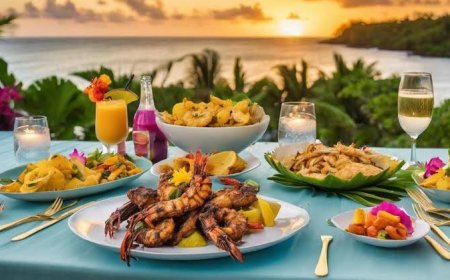





















Traditional Caribbean Food: 20 Dishes You Need to Try
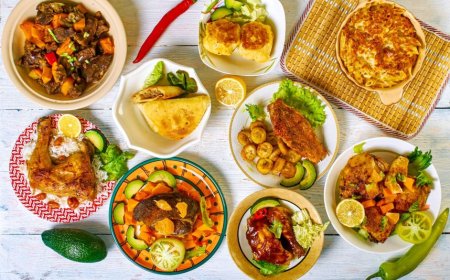
Traditional Caribbean food reflects the region’s rich cultural history, combining African, Indigenous, European, Indian, and Asian influences. From Jamaica’s spicy jerk chicken and ackee and saltfish to Trinidad and Tobago’s doubles and roti, each dish tells a story about local ingredients, traditions, and cooking methods. Barbados is known for flying fish and cou-cou, Grenada for oil down, Puerto Rico for mofongo, and the Dominican Republic for sancocho. Other popular dishes include curry goat, callaloo, Jamaican beef patties, bake and shark, conch salad, Haitian griot, Guyanese pepper pot, and fried plantains.

Caribbean food reflects the history, geography, and cultural diversity of the islands. Traditional dishes combine Indigenous ingredients with African cooking traditions, European influences, and culinary practices brought by Indian, Chinese, and other immigrant communities. The result is a food culture built around ingredients such as rice, beans, plantains, cassava, sweet potatoes, seafood, tropical fruits, herbs, and locally grown spices.

Every island has its own specialities. Jamaica is famous for jerk seasoning and ackee and salt fish, Barbados is known for flying fish and cou-cou, Trinidad and Tobago has a strong tradition of doubles and roti, and Puerto Rico is recognised for dishes such as Morongo. Some meals are served at family gatherings and festivals, while others are everyday favourites sold at roadside stalls, markets, and small restaurants.
If you want to understand the Caribbean beyond its beaches and resorts, trying its traditional food is an excellent place to start. Here are 20 dishes worth discovering, including their ingredients, origins, flavours, and the best ways to enjoy them.
1. Jamaican Jerk Chicken - Jamaica
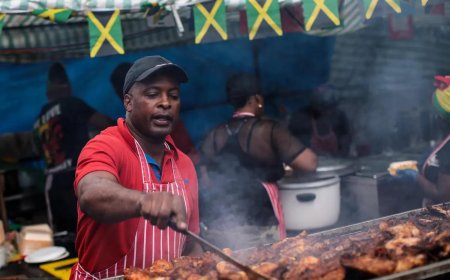
Jerk chicken is one of the Caribbean's most recognised dishes and an important part of Jamaica's food culture. The chicken is seasoned with ingredients commonly including allspice, thyme, garlic, scallions, and Scotch bonnet peppers before being grilled or smoked. Traditional jerk cooking is associated with Jamaican Maroon food traditions, and cooking over pimento wood can contribute a distinctive smoky flavour. The marinade varies from cook to cook, so the level of heat and seasoning is not always the same.
Jerk chicken is often served with rice and peas, festival bread, roasted breadfruit, or fried plantains. Roadside jerk stalls are particularly popular, where the meat may be cooked over open grills and served in generous portions. Visitors should ask about the spice level if they are sensitive to chilli, because Scotch bonnet peppers can be very hot. For an authentic introduction to Jamaican food, jerk chicken is an excellent dish to try first.
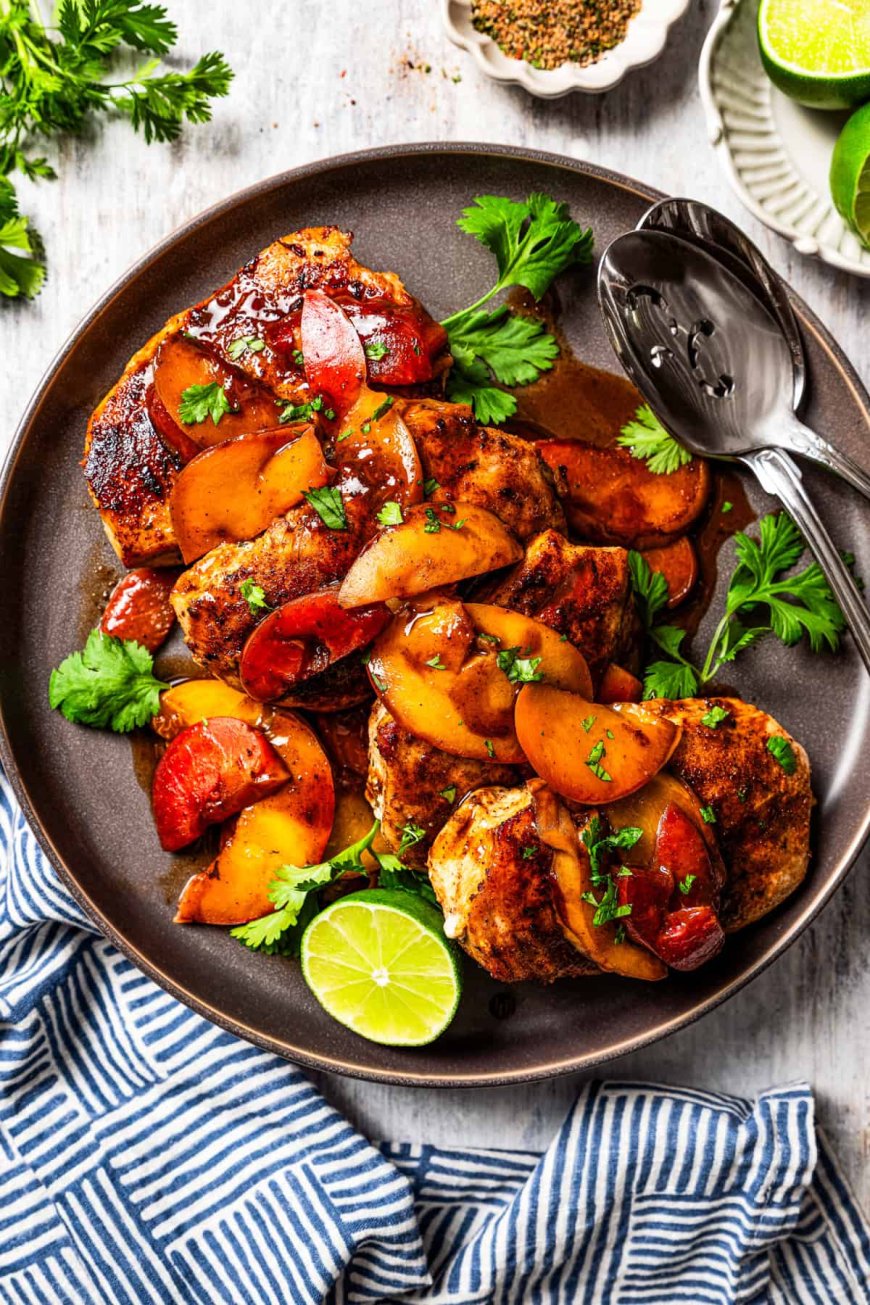
2. Ackee and Saltfish - Jamaica
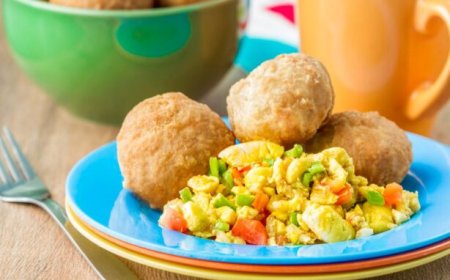
Ackee and salt fish is widely recognised as Jamaica's national dish. Ackee is a fruit that becomes edible only when it ripens naturally and opens; the edible yellow flesh is cooked with salted cod, onions, tomatoes, peppers, and seasonings. Although ackee resembles scrambled eggs after cooking, it has its own mild flavour and soft texture. Saltfish provides a savoury contrast, making the dish a popular breakfast and brunch choice.
The dish is often served with boiled green bananas, dumplings, yam, breadfruit, or fried plantains. Its history reflects the way ingredients from different regions became part of Jamaican cooking over generations. Food safety matters with ackee: unripe or improperly prepared fruit can contain dangerous toxins, so it should only be obtained and prepared through safe, reliable sources. When cooked correctly, ackee and salt fish offers a direct introduction to Jamaica's everyday food traditions.
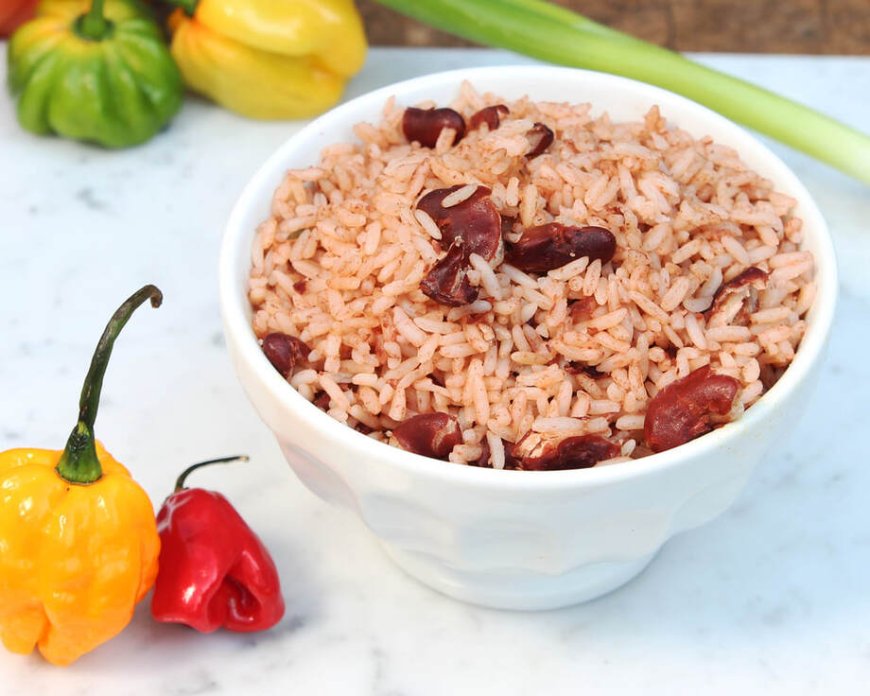
3. Rice and Peas - Jamaica and Across the Caribbean
Rice and peas is a familiar side dish in Jamaica, commonly prepared with rice, kidney beans or other local legumes, coconut milk, thyme, scallions, and spices. Despite the name, the “peas” in the Jamaican version usually refer to beans rather than green garden peas. The ingredients simmer together so that the rice absorbs the coconut milk and seasonings, creating a dish that is filling and full of flavour.
It is often served alongside jerk chicken, stewed meats, fish, or other main dishes at family meals and Sunday lunches. Recipes differ between households, and some cooks add garlic, ginger, or Scotch bonnet pepper for extra flavour. Similar combinations of rice and legumes are found throughout the Caribbean, although the names and cooking methods vary by island. Rice and peas demonstrate how everyday ingredients can become a central part of a region's food identity.
4. Flying Fish and Cou-Cou - Barbados
Flying fish and cou-cou is the national dish of Barbados and one of the island's best-known culinary traditions. Flying fish is typically seasoned and cooked by steaming, frying, or preparing it in a seasoned sauce. Cou-cou is made mainly from cornmeal and okra, stirred until it reaches a firm, smooth consistency. Together, the fish and cou-cou provide a balanced meal with protein, carbohydrates, and the flavours of local herbs and seasoning.
The dish is particularly associated with Barbadian home cooking and national identity. Some versions include tomato-based or herb-rich gravy that adds moisture and flavour to the fish. Visitors may find it at traditional restaurants and during food or cultural events, though availability can depend on fishing conditions and the season. Trying flying fish and cou-cou gives travellers a taste of Barbados that goes beyond the island's popular beach and resort dining.
5. Curry Goat - Jamaica and Trinidad and Tobago
Curry goat is a popular Caribbean dish made by cooking goat meat slowly with curry powder, garlic, onions, thyme, ginger, and other seasonings. The meat is usually marinated before cooking, allowing the spices to develop as the goat becomes tender. In Jamaica, the dish reflects the influence of Indian cooking traditions brought by indentured workers during the nineteenth century. Trinidad and Tobago also has a strong curry tradition, with its own seasoning blends and ways of serving the meat.
Curry goat is commonly served with rice, roti, rice and peas, or boiled provisions such as yam and green banana. It often appears at family gatherings, celebrations, weddings, and community events because a large pot can feed many people. The cooking time is important: goat meat generally needs slow simmering to become tender and absorb the seasoning. If you enjoy rich sauces and spiced meat, curry goat is one of the most satisfying traditional Caribbean meals to try.
6. Trinidadian Doubles - Trinidad and Tobago
Doubles is one of Trinidad and Tobago's best-known street foods. It consists of two pieces of soft, fried flatbread called Bara, filled with curried chickpeas known as channa. Vendors often add cucumber chutney, tamarind sauce, pepper sauce, or other condiments, allowing customers to adjust the flavour and heat. The combination of soft bread, seasoned chickpeas, and tangy toppings makes doubles a filling snack that is often eaten for breakfast or during the day.
The dish reflects the influence of Indian culinary traditions on Trinidadian food, adapted over generations using local ingredients and tastes. It is commonly sold at roadside stalls and food stands, where it is prepared quickly and served wrapped in paper. If you are trying doubles for the first time, ask for a mild pepper sauce and add more gradually if you enjoy spicy food. It is also a useful option for vegetarians, although people with dietary restrictions should check the ingredients in the bread and sauces.
7. Roti - Trinidad and Tobago, Guyana, and Jamaica
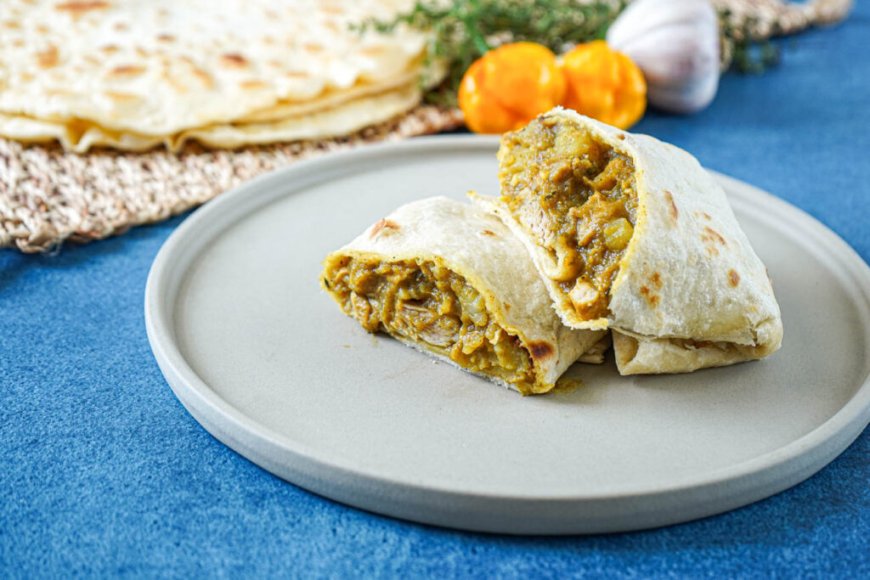
Caribbean roti is a flatbread associated with South Asian culinary traditions and adapted across several Caribbean countries. Trinidad and Tobago is particularly known for dhalpuri roti, which contains seasoned ground split peas inside the bread, and paratha-style roti, often called buss-up-shut because of its torn, soft texture. Roti is usually served with curries such as chicken, goat, chickpeas, or potatoes, creating a complete meal that can be eaten with the hands.
Recipes and names differ by island and household, so ordering roti in Trinidad may produce a different experience from ordering it in Guyana or Jamaica. The bread can be used to scoop up curry, while a wrapped roti makes the filling easier to carry and eat on the go. Vegetarian versions with channa and aloo, or curried chickpeas and potatoes, are widely enjoyed. For visitors exploring Caribbean street food, roti is a practical way to experience the region's South Asian influences.
8. Callaloo - Trinidad and Tobago and Other Caribbean Islands
Callaloo is a traditional leafy vegetable dish found in several Caribbean countries, but its ingredients and preparation vary considerably. In Trinidad and Tobago, it commonly uses dasheen leaves, okra, pumpkin, coconut milk, herbs, and seasonings; some versions include crab or salted meat. In Jamaica, the term often refers to a leafy green vegetable cooked with onions, tomatoes, peppers, and seasonings. These differences are important because callaloo is not one identical recipe throughout the region.
In Trinidad and Tobago, callaloo is often served as a side dish with rice, provisions, or other main courses, and it may form part of a Sunday lunch. The slow cooking softens the leaves and allows the ingredients to combine into a thick, savoury dish. Vegetarian versions are available, but diners should ask about meat or seafood stock if they avoid animal products. Callaloo is a good introduction to the Caribbean's use of leafy vegetables, local herbs, and one-pot cooking.
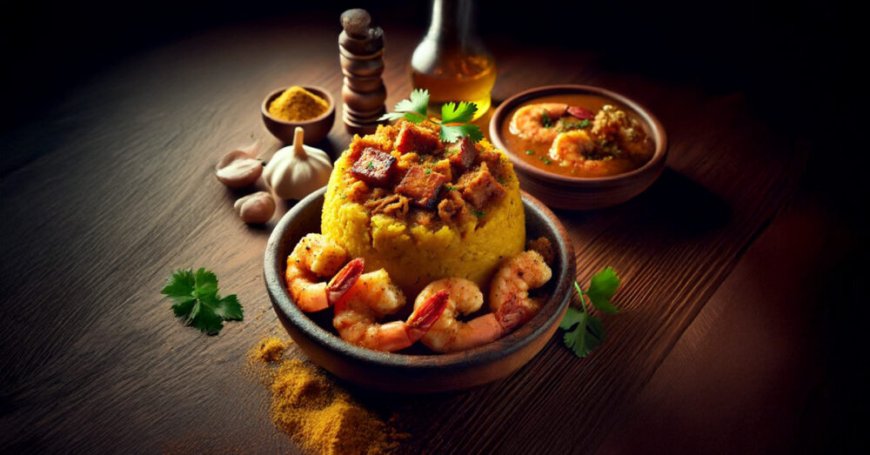
9. Morongo - Puerto Rico
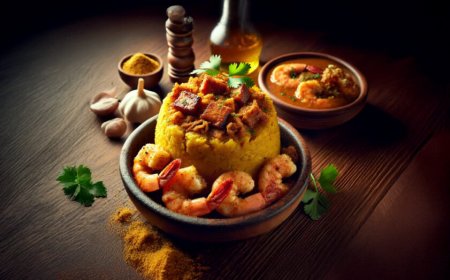
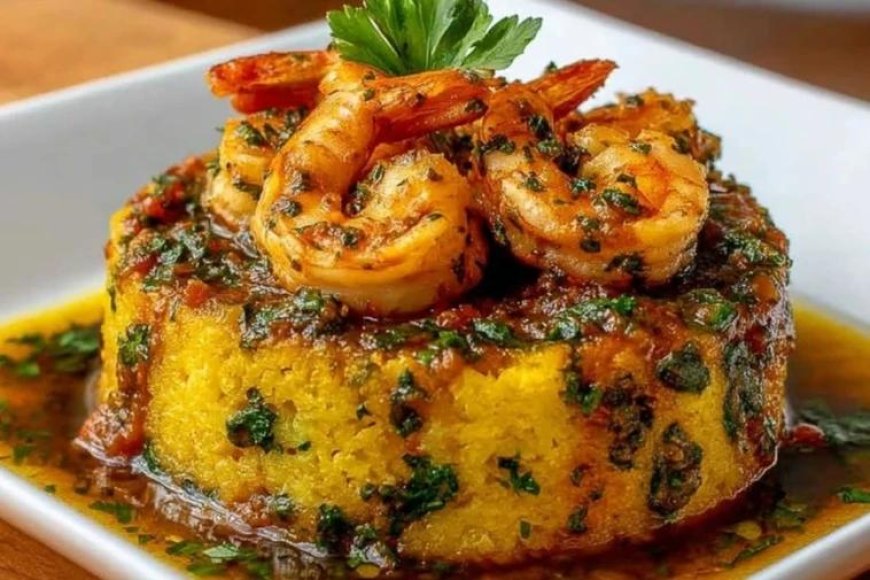
Morongo is a well-known Puerto Rican dish made by mashing fried green plantains with garlic, oil, and often crispy pork cracklings called chicharrón. The mixture is traditionally pounded in a mortar and pestle, which helps create its distinctive texture. It is frequently shaped into a mound or bowl and served with broth, garlic sauce, meat, or seafood. Some restaurants fill the Morongo with shrimp, chicken, or stewed meat, turning it into a substantial main course.
Plantains are a staple ingredient across the Caribbean, but Morongo is particularly associated with Puerto Rico and reflects African culinary influences. The dish can be quite filling, so a smaller serving may be sufficient when ordered alongside other food. Vegetarian versions can be prepared without pork cracklings, though the traditional recipe commonly includes them. Visitors should ask how the dish is made if they have dietary requirements or prefer a lighter version.
10. Sancocho - Dominican Republic
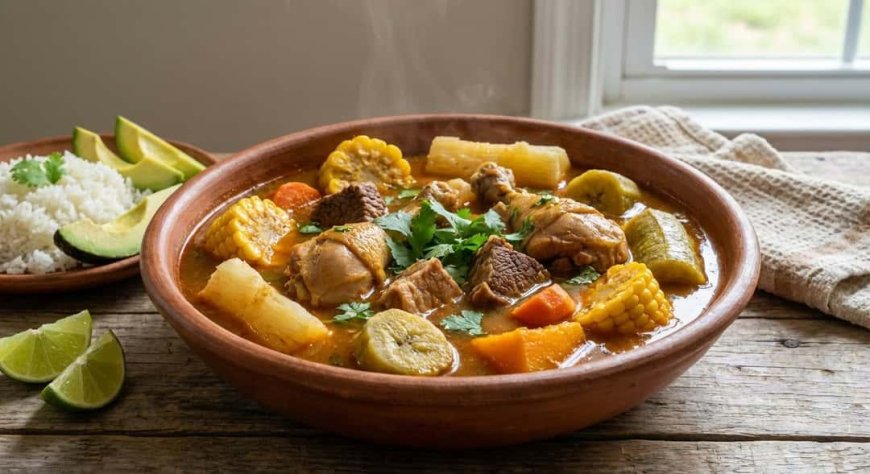
Sancocho is a hearty stew that holds an important place in Dominican home cooking. It is generally prepared with meat, root vegetables, plantains, corn, squash, and seasonings, all simmered together in a rich broth. Recipes differ according to family tradition and the ingredients available, and some versions combine several types of meat. The slow cooking allows the vegetables to soften and the broth to develop a deep, savoury flavour.
Sancocho is often served at family gatherings, weekend meals, and celebrations, especially when a large pot is prepared for several people. It is commonly accompanied by rice and may be served with avocado or a squeeze of lime, depending on local preference. The dish is also found in different forms elsewhere in Latin America and the Caribbean, with variations in ingredients and cooking methods. For visitors to the Dominican Republic, sancocho offers a taste of home-style food rather than the international menus often found in resorts.
11. Oil down - Grenada
Oil down is Grenada's national dish and a classic example of Caribbean one-pot cooking. Its ingredients commonly include breadfruit, callaloo leaves, coconut milk, turmeric, dumplings, herbs, and salted meat or chicken. Ingredients are layered in a large pot and cooked slowly until the breadfruit and other provisions become tender and the coconut mixture is absorbed. The name is often explained by the way the coconut milk cooks down and the oil separates as the dish finishes.
Oil down is associated with family gatherings, community events, and occasions when a large meal is shared. Its ingredients make it filling, while breadfruit and coconut milk provide much of its characteristic texture and flavour. Recipes vary between households, especially in the choice of meat, vegetables, and seasoning. Visitors should ask about the ingredients if they are vegetarian or avoid pork, because traditional versions often contain salted meat. Eating oil down is a good way to experience Grenadian food beyond the island's spice markets and beaches.
12. Green Fig and Saltfish - Saint Lucia
Green fig and salt fish is the national dish of Saint Lucia. In this name, “green fig” refers to unripe green bananas rather than the sweet fruit commonly called a fig. The bananas are boiled until tender and served with salted cod that has been soaked, flaked, and cooked with onions, peppers, tomatoes, and local seasonings. The dish brings together a filling staple with preserved fish, a combination that became useful in Caribbean cooking where ingredients had to be stored and used efficiently.
It can be served for breakfast, lunch, or dinner, and recipes differ from one household to another. Some cooks add carrots, cabbage, or other vegetables, while others keep the preparation simple to highlight the banana and fish. Saltfish has a strong flavour, so it is normally soaked and prepared to reduce excess salt before cooking. Travellers visiting Saint Lucia should look for this dish at local restaurants and food events to experience a national favourite that is less familiar internationally than jerk chicken.
13. Jamaican Beef Patties - Jamaica
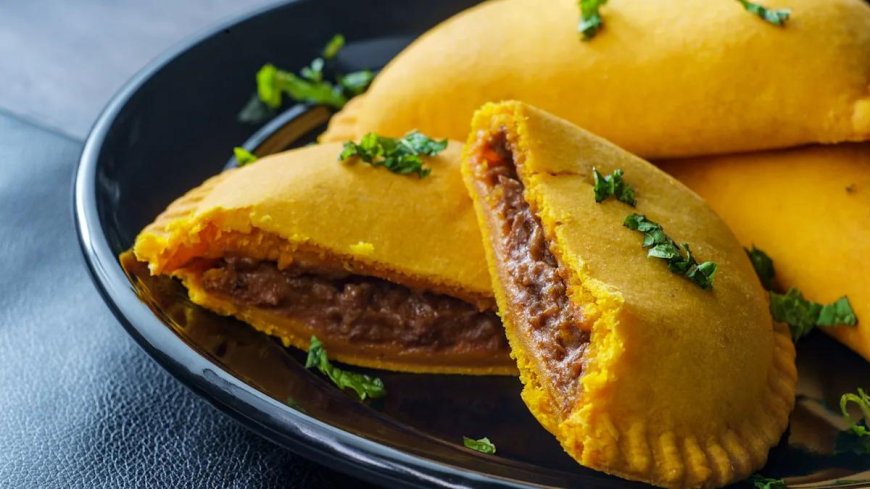
The Jamaican beef patty is a popular snack made with a golden pastry shell filled with seasoned minced beef. The pastry often gets its yellow colour from turmeric or similar seasoning, while the filling typically contains onions, herbs, spices, and sometimes Scotch bonnet pepper. The result is portable, filling, and easy to eat without cutlery, which has helped make the patty a staple of bakeries, lunch counters, and street-food shops across Jamaica.
Although beef is the familiar filling, patties are also made with chicken, vegetables, lentils, and other ingredients. Some are served inside a soft coco bread roll, creating a more substantial meal. Patties reflect Jamaica's mixed culinary history and the influence of different pastry and seasoning traditions. They are ideal for travellers, who want to try local food between sightseeing stops, but the pastry can be rich, so one patty may be enough for a light meal or snack.
14. Bake and Shark - Trinidad and Tobago
Bake and shark is a famous Trinidadian beach food, especially associated with Maracas Bay. It consists of fried shark served inside soft fried or baked bread, with toppings such as lettuce, tomato, cucumber, pineapple, garlic sauce, and pepper sauce. Vendors often allow customers to customise the sandwich, so it can be mild, tangy, or very spicy. The combination of crisp fish, bread, and fresh toppings makes it a filling meal after a day at the beach.
Because shark populations and fishing rules are environmental concerns in some locations, travellers should ask vendors what species of fish is being served and choose suppliers that follow local regulations. Some places may offer other fish options as substitutes. The dish is closely connected with Trinidad's coastal food culture, and it demonstrates how street vendors create meals around fresh ingredients and local tastes. If you visit Maracas Bay, bake and shark is one of the best-known foods to look for, although availability can vary.
15. Conch Salad - The Bahamas
Conch salad is a well-known Bahamian dish made with diced conch, citrus juice, onions, tomatoes, bell peppers, and sometimes cucumber or hot peppers. The acidity of the lime or other citrus helps season the seafood, while the chopped vegetables provide freshness and texture. It is often prepared to order at seafood stalls and local restaurants, making it a popular choice for visitors who want a dish that highlights the Bahamas' connection to the sea.
The flavour is typically bright and tangy, with heat depending on the vendor's choice of pepper. Conch is also used in fritters, chowders, and cracked conch, which is battered and fried. When ordering conch salad, choose a reputable vendor and check that the seafood is handled and chilled safely. Travellers should also be aware that conch harvesting is regulated in the Bahamas to help protect stocks, so choosing legally sourced seafood supports responsible local fishing.
16. Griot - Haiti
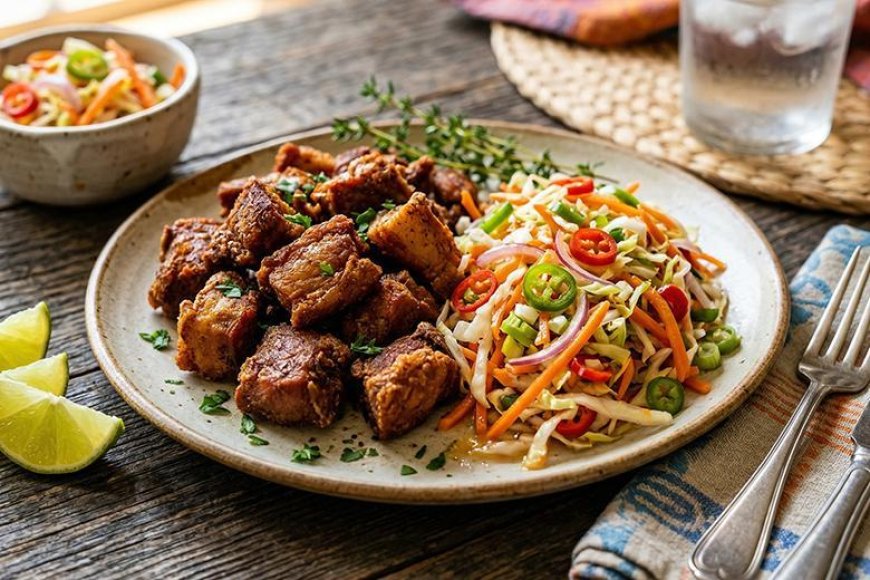
Griot is one of Haiti's best-known traditional dishes. It is made from pieces of pork marinated with citrus, garlic, herbs, and seasonings, and then cooked until tender and fried or roasted to create a browned exterior. It is commonly served with pikliz, a sharp, spicy pickled cabbage and carrot mixture that cuts through the richness of the meat. The combination of savoury pork and tangy vegetables creates a meal with contrasting textures and flavours.
Griot is often served at gatherings, celebrations, and restaurants, accompanied by rice, beans, or fried plantains. Pikliz can be quite hot, so people who are sensitive to chilli should try a small amount first. The dish is an important part of Haitian food culture and illustrates how marinades, citrus, and preservation techniques shape Caribbean cooking. Visitors who want to explore Haiti's culinary traditions should look for griot from a reputable restaurant and ask about the side dishes served with it.
17. Pelau Trinidad and - Tobago
Pelau is a one-pot rice dish popular in Trinidad and Tobago. It often combines chicken, rice, pigeon peas, vegetables, coconut milk, and seasonings, with the meat browned in caramelised sugar before the other ingredients are added. This step gives the dish its distinctive colour and helps build a sweet-savoury flavour. The ingredients cook together in one pot, allowing the rice to absorb the juices and seasoning from the meat and vegetables.
Pelau is commonly prepared for family meals, picnics, beach outings, and community gatherings because it is practical to cook in large quantities. Some versions use beef or other meats, while vegetarian versions may focus on peas and vegetables. The final texture should be moist but not overly wet, with the grains of rice absorbing the cooking liquid. Pelau is an excellent choice for travellers who want a complete Caribbean meal in one serving rather than ordering separate meat, rice, and side dishes.
18. Ropa Vieja - Cuba
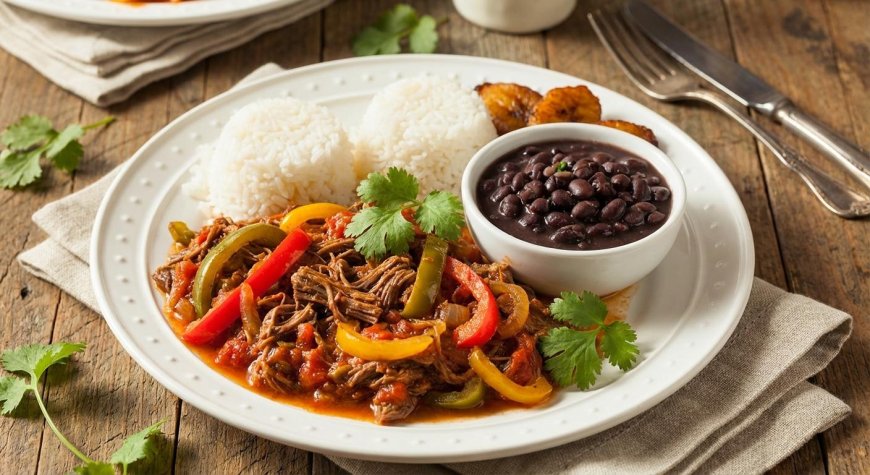
Ropa vieja is a traditional Cuban dish of shredded beef simmered in a tomato-based sauce with onions, peppers, garlic, and seasonings. Its Spanish name means “old clothes,” a reference to the shredded appearance of the cooked meat. The beef is generally braised slowly until it becomes tender enough to pull apart, and then combined with the sauce so that it absorbs the seasoning. The dish is popular in Cuban home cooking and is served at restaurants throughout the country and in Cuban communities abroad.
It is often accompanied by white rice, black beans, and fried plantains, creating a balanced plate with protein, starch, and vegetables. The sauce is usually savoury rather than extremely spicy, making ropa vieja a good choice for people who prefer milder food. Recipes vary, with some cooks adding olives or other ingredients for extra flavour. Trying ropa vieja provides a look at the Spanish and Caribbean influences that shape Cuban cuisine, while its slow-cooking method makes it a familiar comfort food for many families.
19. Pepper pot - Guyana
Guyanese pepper pot is a slow-cooked meat stew traditionally associated with Christmas and other special occasions. Its defining ingredient is cassareep, a thick seasoning made from cassava juice that has been processed and cooked, giving the stew its distinctive dark colour and flavour. Beef is common, although other meats may be used, and the stew is seasoned with spices that can include cinnamon, cloves, and peppers. The long cooking process allows the meat to become tender and the sauce to develop its characteristic depth.
Pepper pot is often served with bread, particularly during Christmas breakfast, but it can also be eaten at other times of the year. The dish reflects Guyana's Indigenous food traditions alongside influences from other communities that have shaped the country's cuisine. Recipes and family practices differ, including how the pot is stored and reheated. Visitors should remember that Guyana is on the northern mainland of South America, rather than an island, but it shares many cultural and culinary connections with the wider Caribbean.
20. Fried Plantains across the Caribbean
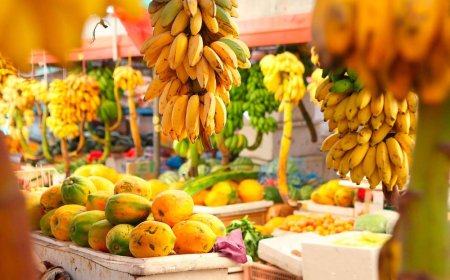
Fried plantains are one of the most widely enjoyed side dishes across the Caribbean. Ripe plantains are sliced and fried until their surfaces turn golden and caramelised, producing a sweet, soft interior. Green plantains are used differently: they are often fried once, flattened, and fried again to make crisp tostones or similar preparations. Although plantains resemble bananas, they are usually cooked before eating and are used in both savoury and sweet dishes.
Fried ripe plantains accompany meals such as jerk chicken, rice and peas, Morongo, stewed meat, and beans. Their mild sweetness balances spicy sauces and savoury dishes, making them a useful addition to many Caribbean plates. Recipes differ in the thickness of the slices and the degree of browning, but the basic preparation is simple. For travellers who want to try several dishes without choosing a completely unfamiliar main course, plantains is an easy way to experience a staple ingredient shared across many island cuisines.
What's Your Reaction?
 Like
0
 Dislike
0
 Love
0
 Funny
0
 Angry
0
 Sad
0
 Wow
0