
























Caribbean Travel Tips for First-Time Visitors
Planning a first trip to the Caribbean becomes easier when travellers understand the differences between its islands, entry requirements, weather conditions and travel costs. Visitors should choose a destination that matches their interests, check passport and visa rules, and book flights and accommodation in advance. It is important to prepare a realistic budget, arrange reliable island transport and pack essentials such as sunscreen, insect repellent and comfortable clothing. Travellers should also purchase suitable travel insurance, follow local safety advice, protect their documents and respect island cultures and traditions. Exploring local food, supporting small businesses and allowing enough time to enjoy each destination can make a first Caribbean holiday more comfortable, enjoyable and memorable.

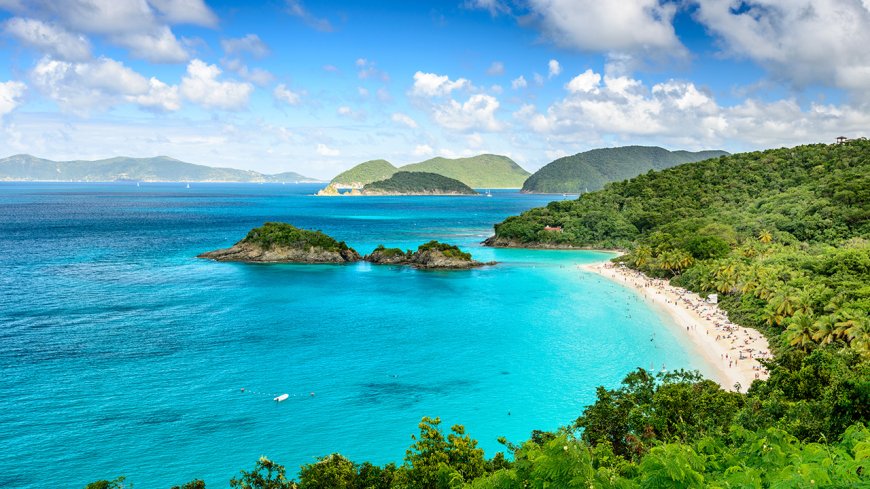
The Caribbean is one of the most popular holiday regions in the world, offering tropical beaches, historic towns, island food, water sports and different cultural experiences. However, travelling to the Caribbean for the first time requires more planning than simply booking a flight and choosing a beach resort. The region includes many independent countries and territories, each with its own entry rules, currency, transport system, weather patterns and local customs. A little preparation can help visitors avoid unnecessary expenses and enjoy a smoother trip. Here are practical Caribbean travel tips every first-time visitor should know before planning a holiday.

1. Choose the Right Caribbean Island for Your First Trip
The Caribbean is made up of many islands, and each destination offers a different travel experience. Jamaica is known for reggae music, waterfalls and local food, while the Bahamas attracts visitors with its beaches, boating and marine activities. Barbados offers historic attractions, surfing and a strong food culture, whereas Saint Lucia is popular for its Pitons, hiking and romantic resorts. The Dominican Republic has a wide range of all-inclusive hotels, beaches and cultural attractions. Before booking, consider your budget, interests, preferred activities and the amount of time available. Choosing one or two nearby islands is usually better than trying to visit too many destinations during a short holiday.

2. Check Passport, Visa and Entry Requirements Early
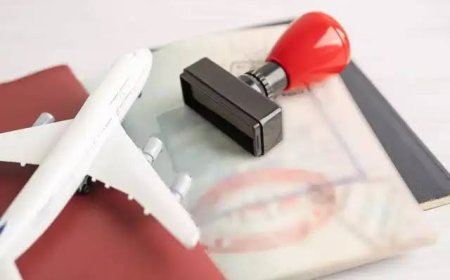
Entry requirements are among the most important things to check before travelling. Visa rules depend on your nationality, the island you are visiting and sometimes your travel route. Some destinations require a return or onward ticket, accommodation details, proof of funds or an online arrival declaration. For example, Jamaica requires visitors to complete its online C5 Passenger Declaration Form, while Barbados makes its immigration and customs form available within 72 hours before arrival. The Dominican Republic also uses an electronic entry and exit form. Check the official immigration website or your country's embassy well before departure, and confirm the rules again shortly before travelling because requirements can change.
3. Understand the Best Time to Visit
The Caribbean has warm weather throughout much of the year, but rainfall, humidity and storm risks vary by season and island. December to April is generally a popular period for visitors seeking drier weather, although flights and accommodation can be more expensive during peak holiday months. The Atlantic hurricane season officially runs from June through November, with the highest activity generally occurring between August and October. Travelling during the wetter season can offer lower hotel prices and fewer crowds, but flexible bookings and weather monitoring become more important. Check local forecasts and official hurricane updates before and during your trip rather than relying only on general seasonal information.
4. Prepare a Realistic Travel Budget
A Caribbean holiday can suit different budgets, but costs vary considerably between islands and travel styles. Your expenses may include international flights, accommodation, airport transfers, meals, activities, local transport, taxes and tips. All-inclusive resorts can make spending easier to manage because meals and selected activities are included, but they may not cover every excursion, premium drink or service charge. Independent travellers can save money by choosing guesthouses, local restaurants and public transport where these options are reliable. Compare the full cost of accommodation rather than looking only at the nightly rate. Keep some extra money for unexpected transport changes, medical expenses or weather-related delays.

5. Book Flights and Island Transfers Carefully
Reaching the Caribbean may involve a connecting flight, especially when travelling from destinations in Asia, Europe or other regions outside the Americas. Compare routes through major international airports and check whether your transit country requires a transit visa. If your journey includes separate flight tickets, leave enough time between connections because a delay on the first flight may affect the next one. Travelling between islands can require regional flights, ferries or private boat services, and these options do not operate with the same frequency everywhere. Confirm luggage allowances, departure terminals and transfer times before booking. For a first visit, spending more time on one island can be easier and less expensive than arranging several transfers.
6. Choose Accommodation According to Your Travel Style
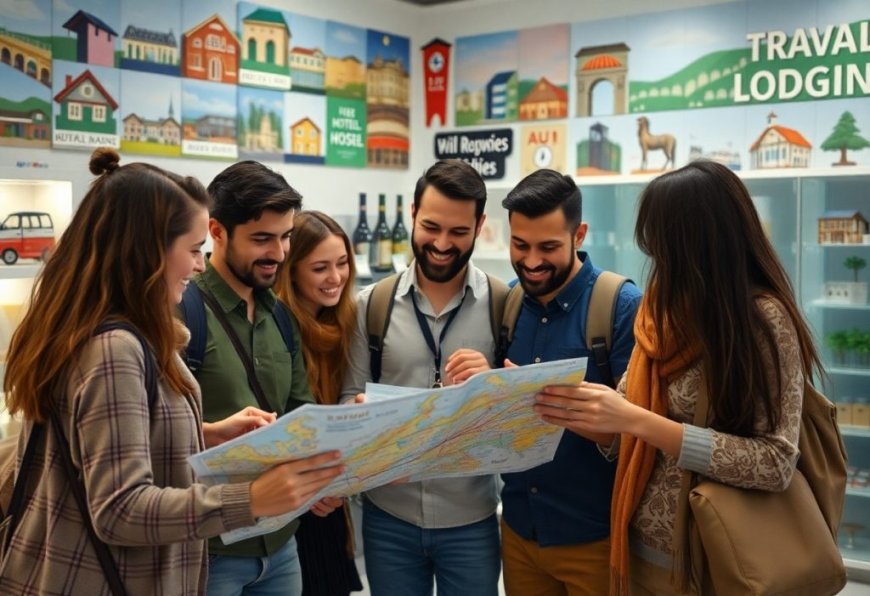
The Caribbean offers large resorts, boutique hotels, villas, guesthouses and holiday apartments. Families may prefer resorts with supervised activities and easy beach access, while couples might choose smaller hotels or private accommodation. Independent travellers can consider centrally located guesthouses that provide convenient access to restaurants, shops and public transport. Before confirming a booking, read recent reviews and check the property's exact location, cancellation policy, internet availability and included facilities. A hotel described as beachfront may still be far from restaurants or local attractions. Also ask about airport transfers, resort fees, breakfast charges and taxes so that the final cost does not come as a surprise.
7. Pack for Tropical Weather and Outdoor Activities
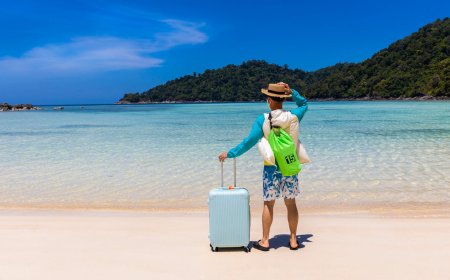
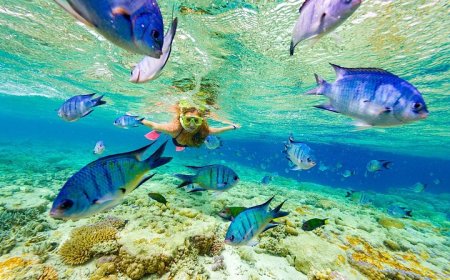
Lightweight clothing, comfortable walking shoes, swimwear, sunglasses and a wide-brimmed hat are useful for most Caribbean holidays. Strong sunlight can cause sunburn even when the weather feels pleasant, so carry broad-spectrum sunscreen and apply it regularly. Insect repellent and light long-sleeved clothing can help reduce mosquito bites, particularly during the evening. If you plan to hike, snorkel, dive or take boat trips, pack suitable footwear and activity-specific clothing. A reusable water bottle, waterproof phone pouch and small day bag can also be helpful. Carry prescription medicines in their original packaging, along with a copy of your prescription, and check whether any medication is restricted at your destination.
8. Use Reliable Local Transport and Follow Safety Advice
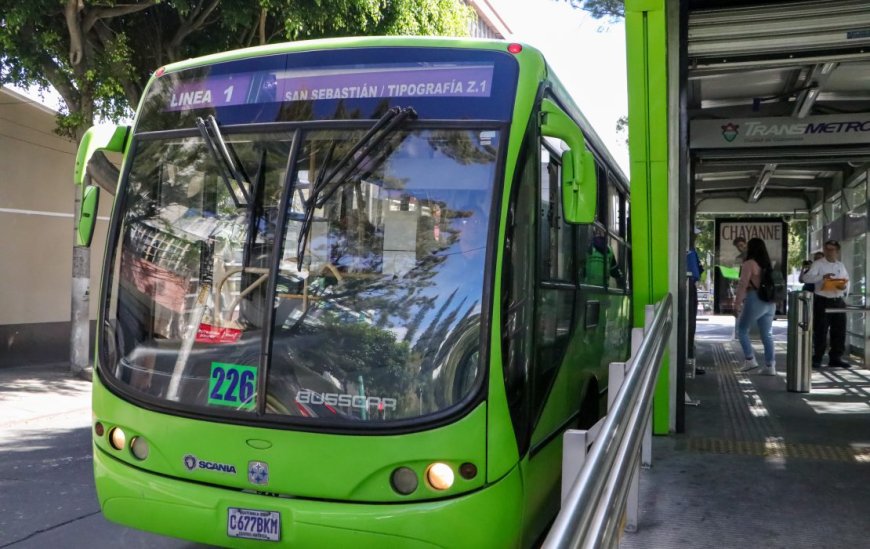
Transport arrangements differ from island to island. Some destinations have public buses and shared minibuses, while others depend more heavily on taxis, rental cars and organised transfers. Ask your hotel or a trusted local operator about safe and practical ways to travel before exploring unfamiliar areas. Agree on taxi fares in advance where meters are not used, and avoid unlicensed transport services. Keep valuables secure, avoid displaying large amounts of cash and be particularly careful when walking alone at night. Check your government's latest travel advisory before departure, as local safety conditions can change. When renting a vehicle, understand local driving rules, road conditions and insurance requirements.
9. Try Local Food and Respect Island Traditions
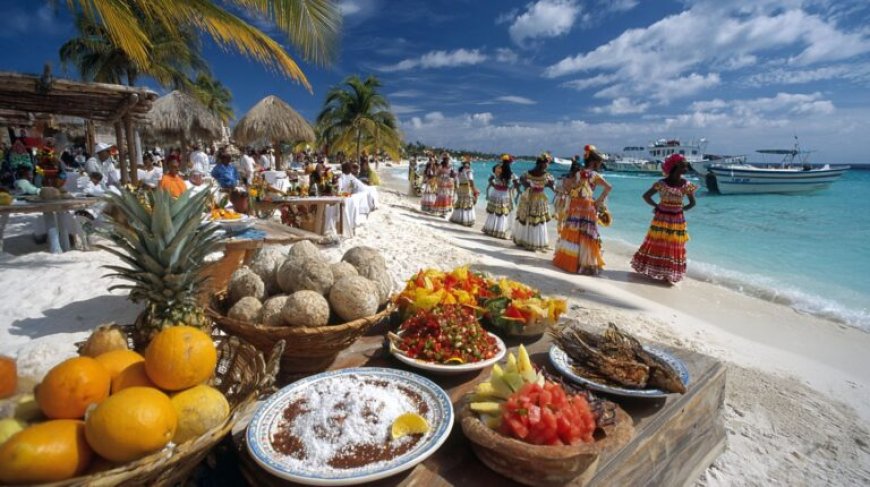
Food is an important part of Caribbean culture, and first-time visitors should explore more than hotel restaurants. Try Jamaican jerk chicken, Trinidadian doubles, Barbadian flying fish and cou-cou, Bahamian cracked conch or Dominican sancocho, depending on the island you visit. Local markets and family-run restaurants can offer a better understanding of everyday food traditions. Ask about ingredients if you have allergies or dietary restrictions, and choose clean, well-reviewed food outlets. Learn a few basic local greetings, dress respectfully when visiting religious or historic places, and ask permission before photographing people. Supporting local guides, artisans and small businesses also helps communities benefit from tourism.
10. Protect Your Health, Money and Travel Documents
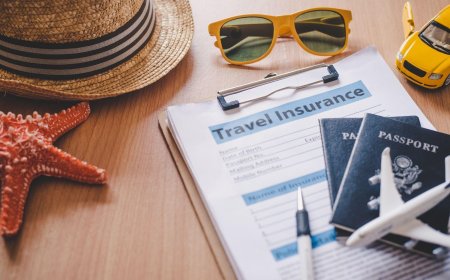
Travel insurance is an important part of planning a Caribbean holiday. Choose a policy that covers overseas medical treatment, emergency evacuation, trip cancellation and the activities you intend to do. Some basic policies exclude scuba diving, hiking, sailing or other adventure sports, so read the conditions carefully. Keep digital and printed copies of your passport, visa, insurance details, flight tickets and accommodation bookings in separate places. Inform your bank about international travel if necessary, and check foreign transaction fees before departure. Carry some local currency for small purchases, while using cards where accepted. Follow local health advice, drink safe water and seek medical assistance if you become unwell.
Conclusion
A successful first Caribbean holiday depends on good preparation and realistic expectations. Choose an island that matches your interests, confirm entry requirements, plan your budget and arrange reliable transport before departure. Leave enough time to enjoy local food, beaches, history and everyday island life instead of rushing through too many attractions. Most importantly, stay informed about weather and safety conditions and respect the communities you visit. With thoughtful planning, first-time visitors can enjoy a comfortable, memorable and rewarding Caribbean travel experience.
What's Your Reaction?
 Like
0
 Dislike
0
 Love
0
 Funny
0
 Angry
0
 Sad
0
 Wow
0