

























Caribbean Carnival Guide: History, Music, Costumes and Traditions
Caribbean Carnival is a cultural celebration shaped by African traditions, European colonial history, and the creativity of Caribbean communities. Its main features include soca, calypso, steelpan music, elaborate costumes, masquerade bands, J’ouvert, local food, and street parades. Festivals such as Trinidad and Tobago Carnival, Barbados Crop Over, Grenada Spicemas, and Dominica’s Mas Domnik each have distinct traditions and schedules. Travelers can enjoy these events more fully by researching their history, booking early, following safety guidance, and respecting local culture.

1. The History behind Caribbean Carnival

Modern Caribbean Carnival developed through a complex history of European pre-Lenten celebrations, African cultural traditions, colonial rule, and resistance to slavery. In Trinidad, French settlers brought masquerade balls and seasonal festivities, while enslaved Africans, who were excluded from many elite celebrations, developed their own forms of music, dance, and masquerade. After emancipation, these traditions became more visible in public life and continued to evolve into modern street carnival.
Carnival therefore represents more than entertainment. Its performances preserve cultural memory, express social commentary, and celebrate communities that shaped Caribbean identity. Over time, traditions spread and developed differently across islands, creating distinct festivals in Barbados, Grenada, Saint Lucia, Jamaica, Dominica, and elsewhere. Each carnival has its own history, so visitors should avoid treating the region’s celebrations as identical.
2. Soca, Calypso and Steelpan Music
Music is central to Caribbean Carnival, but the sound changes depending on the destination. Trinidad and Tobago is particularly associated with calypso, soca, and Steelpan, while other islands feature their own combinations of traditional rhythms, modern dance music, and local performance styles. Calypso has long been used for storytelling, humor, and commentary on public affairs, while soca developed as an energetic style closely associated with dancing and carnival celebrations.
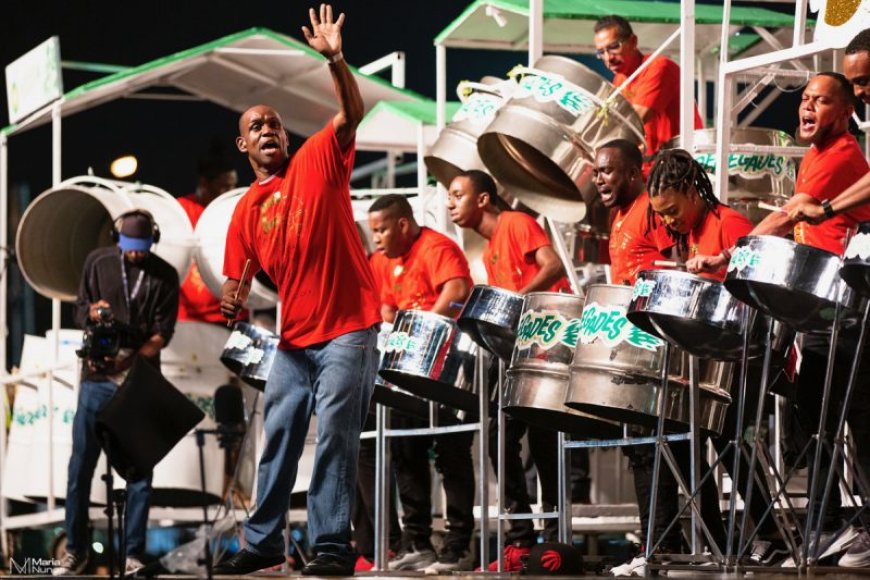
Steelpan music is another defining feature of Trinidad and Tobago’s cultural heritage. Steelpan ensembles perform arrangements ranging from traditional calypso to contemporary popular music, with the annual Panorama competition showcasing the skill of large steel orchestras. Visitors can attend music competitions, live concerts, and outdoor performances before the main street parades. Listening to these musical traditions helps travelers understand Carnival as a living cultural practice rather than simply a large party.
3. Carnival Costumes and Masquerade Bands
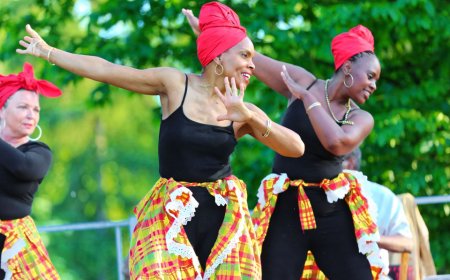
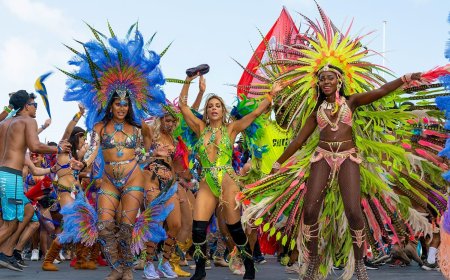
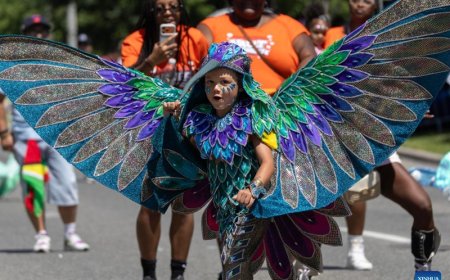
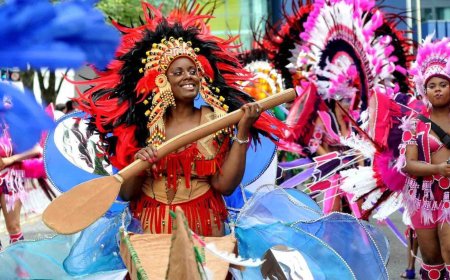
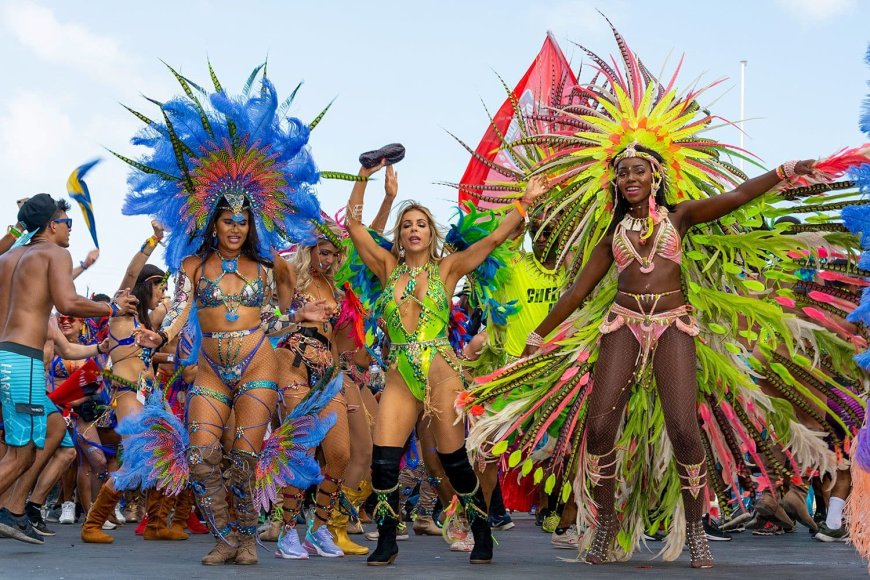
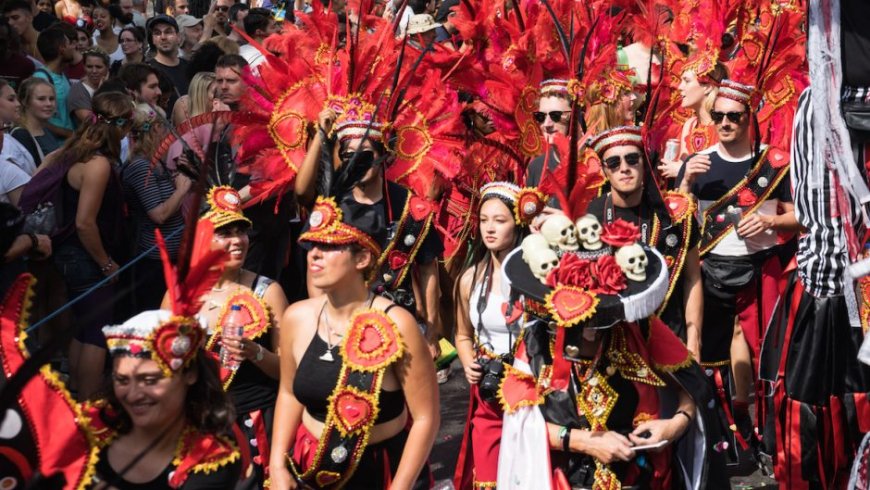
Carnival costumes are a major part of the festival experience. In large modern parades, masqueraders often wear coordinated designs featuring feathers, beads, sequins, fabrics, and decorative accessories. Costume bands may organize thousands of participants around a theme, with different sections offering varied designs and prices. The work behind these costumes involves designers, seamstresses, craftspeople, performers, and organizers who prepare for months before parade day.
Traditional masquerade characters also remain important in some carnivals. Trinidad and Tobago’s traditional portrayals include characters such as the Midnight Robber, Pierrot Grenade, and Moko Jumbie, each associated with distinctive costumes and performance styles.
Modern costume bands and traditional characters offer different ways to experience Carnival, and both contribute to the festival’s cultural identity. Visitors who want to participate should register with an established band, compare what each package includes, and check collection dates and parade arrangements.
4. J’ouvert: Carnival before Sunrise
J’ouvert is one of the most recognizable Carnival traditions in several Caribbean destinations. The name is associated with the opening of the day, and events often begin before sunrise with participants gathering in the streets for music, dancing, and expressive forms of body decoration. In Trinidad and Tobago, J’ouvert is an important part of Carnival Monday and has historical links to traditions shaped by enslaved and formerly enslaved communities.
Depending on the island and event, participants may use paint, mud, powder, or other materials as part of the celebration. J’ouvert is not identical everywhere, and visitors should check local rules about materials, clothing, and participation. Wear clothes and shoes that can get dirty, protect phones and other valuables, and plan transport before the event begins. Respect local traditions and follow organizers’ safety instructions, especially in crowded streets.
5. How Carnival Differs Across Caribbean Islands
Trinidad and Tobago Carnival is especially known for soca, calypso, Steelpan, J’ouvert, and the Parade of the Bands. Barbados’ Crop Over combines harvest-related heritage with calypso-style competitions, concerts, and Grand Kadooment, while Grenada’s Spicemas is associated with Jab Jab and its own distinctive masquerade traditions. These festivals may share music, costumes, and street celebrations, but their cultural meanings and annual schedules differ.
Other islands offer different experiences, from the traditions of Guadeloupe’s carnival to Jamaica’s soca-centered national carnival and Dominica’s Mas Domnik. Some celebrations take place around February and the period before Lent, while others happen during the summer or later in the year. Travelers should choose a destination based on the traditions they want to experience, not only on photographs of costumes or claims that one festival is the biggest. Checking official tourism websites is the best way to confirm dates, event programmes, and participation details.
6. Traditional Food and Community Celebrations
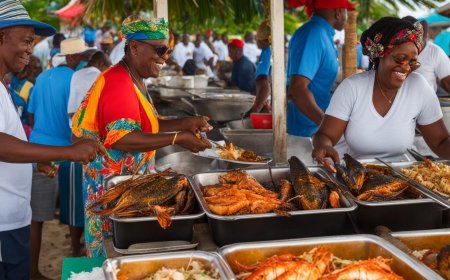
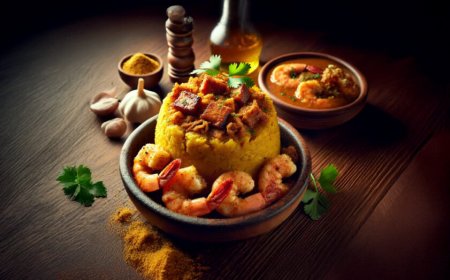
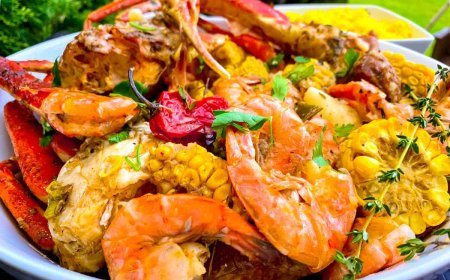
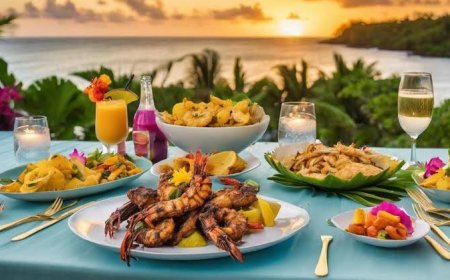
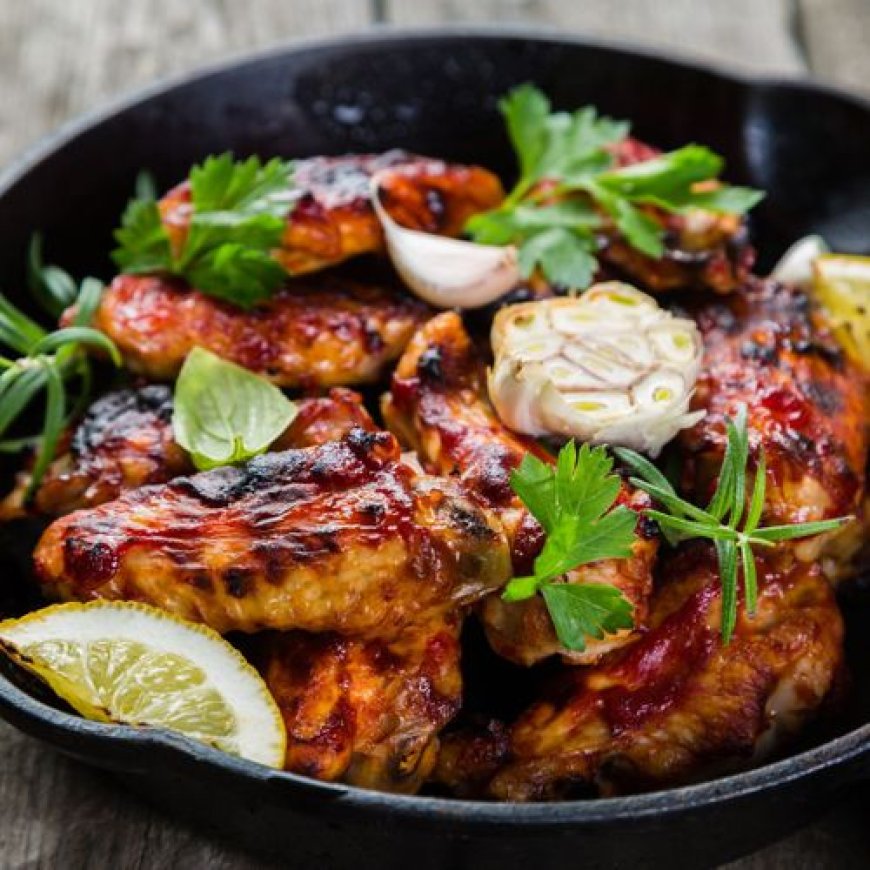
Food is an important part of the Carnival experience. Festival visitors may find local specialties such as Trinidadian doubles, roti, bake and shark, Jamaican jerk chicken, Barbadian fish dishes, and snacks sold by independent vendors. The available dishes depend on the island, and food stalls often provide an opportunity to sample everyday local cooking alongside the music and parades.
Community groups, musicians, costume makers, food vendors, and volunteers help make Carnival possible. Many events also include competitions, cultural showcases, family activities, and performances that take place before the main parade days. Visitors can support local businesses by purchasing food and crafts from reputable vendors and attending cultural events beyond the largest parties. Trying local dishes and learning about their origins can make the trip more meaningful.
7. Planning Your Caribbean Carnival Trip
Carnival travel requires more planning than an ordinary beach holiday because flights, accommodation, costume packages, and event tickets can become expensive as demand increases. Book early for major festivals and check whether your accommodation is close to the venues you plan to attend. Read the terms of costume packages carefully, as some include drinks, meals, or event access while others charge separately.
Carnival schedules change each year, and not all event details are announced at the same time. For the remainder of 2026, travelers can investigate late-year events such as Tobago Carnival, scheduled for October 30 to November 1, and St. Kitts and Nevis’ Sugar Mas, which spans December and early January; confirm dates and programme details with official organizers before booking.
8. Safety and Cultural Respect during Carnival
Large street festivals can involve dense crowds, road closures, heat, loud music, and late-night travel. Carry water, use sun protection, keep valuables secure, and agree on a meeting point if you are attending with friends. Plan your return transport in advance and follow official instructions around parade routes. If you join J’ouvert or a costume band, understand the event’s rules and wear appropriate clothing and footwear.
Respect is equally important. Ask permission before taking close-up photographs, follow organizers’ guidance about costumes and body decoration, and learn about the traditions you encounter. Carnival is created and sustained by local communities, so visitors should approach it as a cultural celebration rather than simply a tourist spectacle. Supporting local artists, musicians, designers, and vendors helps keep these traditions active.
Conclusion
Caribbean Carnival is a celebration of history, music, creativity, and community. Its traditions developed through complex colonial histories and the cultural contributions of African and other Caribbean communities, becoming festivals that continue to evolve today. From Steelpan and calypso in Trinidad and Tobago to the costumes of modern masquerade bands and the early-morning energy of J’ouvert, every tradition adds something distinctive to the experience.
For travelers, the best way to enjoy Carnival is to plan ahead, explore local food and music, and learn about the meaning behind the celebrations. Confirm dates with official organizers, budget for accommodation and events, and respect local customs. Carnival offers a chance not only to enjoy Caribbean music and dancing but also to understand the region’s cultural heritage.
What's Your Reaction?
 Like
0
 Dislike
0
 Love
0
 Funny
0
 Angry
0
 Sad
0
 Wow
0