












Island-Wide Cultural Events Worth a Visit
Island-wide cultural events offer travellers a way to experience the Caribbean through its music, food, history, dance, traditions and local communities rather than focusing only on beaches and resorts. Major celebrations such as Barbados Crop Over, Antigua Carnival, Tobago Heritage Festival and Jamaica’s Emancipendence demonstrate how cultural events can involve communities across an island and continue for several days or weeks. Barbados Crop Over combines the island’s sugar-cane heritage with contemporary music, arts, food, competitions and Grand Kadooment. Antigua Carnival brings together steelpan, calypso, soca, masquerade and street celebrations. Tobago Heritage Festival focuses more strongly on traditional storytelling, folk music, theatre, historical re-enactments and the island’s African, East Indian, Chinese and First Peoples influences.

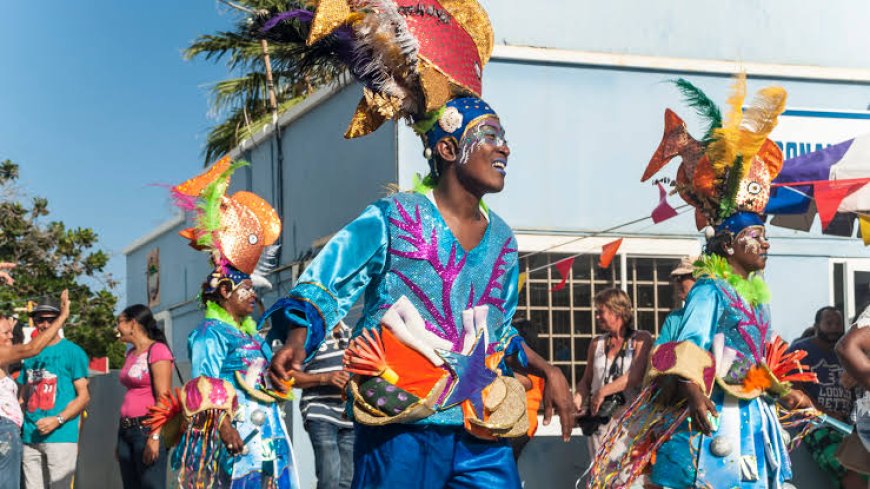
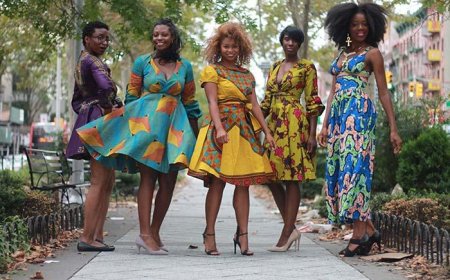
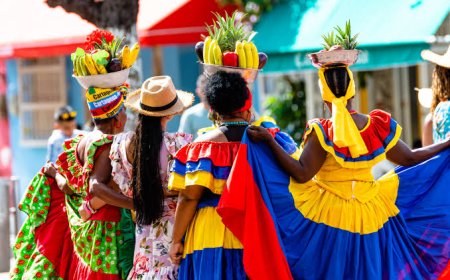
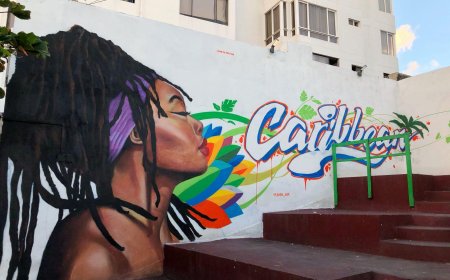
The Caribbean is often marketed through beaches, resorts, cruises and warm weather, but some of the most meaningful travel experiences happen when an entire island begins to celebrate its culture. Island-wide cultural events can bring together music, food, dance, history, religion, traditional crafts, and storytelling and community traditions in ways that ordinary sightseeing cannot easily reproduce. Instead of visiting one attraction and moving on, travelers can experience different communities, venues and traditions across several days or even weeks.

These events are also important because Caribbean culture is not a single culture. Each island has its own history and mix of African, Indigenous, European, Asian and other influences. Carnival in Trinidad and Tobago has a different character from Crop Over in Barbados. Jamaica's national celebrations connect with emancipation and independence, while Tobago's Heritage Festival focuses heavily on traditional village culture and historical customs. Saint Lucia combines music and arts with community events, while Antigua Carnival places strong emphasis on calypso, soca, Steelpan, masquerade and national celebration.
For travelers, timing a Caribbean trip around one of these events can change the entire experience. Hotels may become busier, transportation can be more complicated, and prices can increase around major weekends. At the same time, visitors have an opportunity to see performances, food traditions and community celebrations that may not be available during a normal holiday.
What Makes an Event Truly Island-Wide?
An island-wide cultural event is more than a concert or a single parade. The strongest examples spread across communities and include several types of activities. There may be competitions, concerts, religious or historical ceremonies, food fairs, craft markets, community performances, exhibitions, workshops and street celebrations.
This broad structure matters because it gives visitors more opportunities to experience local culture. A traveler who only attends a major parade may see the most visible part of a festival, but smaller community events can provide more context. Local musicians, dancers, cooks, artisans, historians and community groups often play important roles outside the headline events.
UNESCO's regional cultural resources research identifies major Caribbean festivals including Antigua Carnival, Bahamas Junkanoo, Barbados Crop Over, Dominica Mas, Grenada Spicemas, Jamaica's carnival and Reggae SumFest, Saint Lucia Carnival, Vincy Mas in Saint Vincent and the Grenadines, Trinidad Carnival and several others. This reflects the wide range of cultural celebrations found throughout the region.
For visitors, the practical lesson is simple: do not plan a festival trip around one event alone. Look at the complete calendar and see what happens before and after the main celebration.
Barbados Crop Over: A Festival That Runs Across the Island
Barbados Crop Over is one of the Caribbean's best-known cultural festivals and has roots in the island's sugar-cane history. The modern festival combines historical traditions with music, food, arts, competitions, parties and masquerade celebrations.
The official Barbados tourism calendar lists the 2026 Crop Over Festival from July 3 to August 4. The festival is associated with the end of the sugar-cane harvest and includes a wide range of cultural and entertainment activities. Grand Kadooment is the major finale, with masquerade bands moving along the Spring Garden Highway.
The scale of the festival makes it suitable for travelers who want more than one day of activity. Visitors can encounter calypso competitions, craft markets, food events, music performances and other community celebrations before reaching the major finale.
Crop Over is also useful for understanding how Caribbean festivals evolve. It has historical roots, but today's event includes contemporary music, fashion, performance and entertainment. The official festival organization describes it as more than a carnival, emphasizing heritage, creative arts, music, masquerade and celebration. It reports hundreds of events and a substantial visitor and local attendance base.
Travelers should expect demand for accommodation to increase during the busiest period. Anyone planning to attend Grand Kadooment should arrange accommodation and transportation well in advance. It is also worth checking the event schedule rather than assuming that the main parade is the only important day.
Tobago Heritage Festival: Traditional Culture across Communities
The Tobago Heritage Festival is particularly interesting for travelers who want to see traditional culture rather than concentrating entirely on modern carnival entertainment.
The 2026 Tobago Heritage Festival ran from July 16 to August 1 and was the 39th annual edition. The official Tobago tourism site describes a program involving communities across the island, with storytelling, folk music, theatre and traditional re-enactments. One of its best-known features is the Ole Time Wedding. The festival also recognizes African, East Indian, Chinese and First Peoples influences on Tobago's cultural identity.
This community-based approach is what makes the festival different from a conventional music festival. Instead of keeping performances inside one major venue, activities take place in different communities.
For a visitor, that creates an opportunity to travel around Tobago and see how local traditions vary from one community to another. Food, music, language, costumes and storytelling can all become part of the experience.
The festival also demonstrates why travelers should allow additional days when visiting for a cultural event. Moving between communities requires time, and rushing from one activity to another can make it difficult to understand what is happening.
Antigua Carnival: Eleven Days of Music, Mas and Culture
Antigua Carnival is another major island celebration. In 2026, the official tourism authority announced that the festival would take place from July 25 to August 4, creating eleven days of cultural and entertainment programming.
The festival includes Steelpan, calypso, soca, masquerade, street parades and fetes. It is not simply one parade at the end of a holiday period. The extended calendar allows visitors to experience different forms of Caribbean performance.
For travelers interested in Caribbean music, the combination of Steelpan, calypso and soca provides a useful introduction to several traditions. These musical styles are closely connected to the region's history and social life, while contemporary performers continue to develop them.
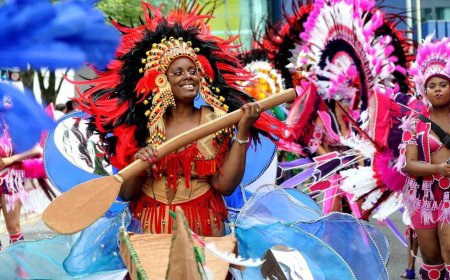
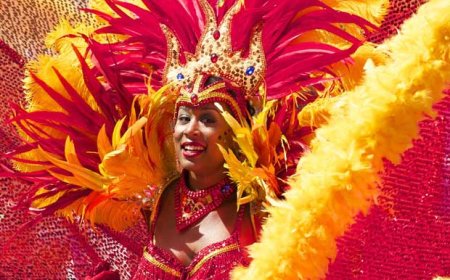
Antigua Carnival also has a strong visual component. Masquerade costumes, bands and street performances create an environment where music and movement become part of public space.
Visitors should remember that major carnival events can affect normal transportation patterns. Streets may close temporarily, taxis can become more difficult to find at peak times, and accommodation near popular event areas can become expensive. Staying slightly outside the main celebration zone can sometimes provide a better balance between convenience and quieter evenings.
Jamaica's Emancipation and Independence Celebrations
Jamaica's national celebrations offer a different type of cultural experience because they are closely connected to the island's history.
The annual Emancipation and Independence period includes events connected to Jamaican heritage, national identity, music, food, arts and community activities. In 2026, the official program included the Emancipation Jubilee at Seville Heritage Park on July 31, followed by a series of events at the National Stadium from August 1 to August 6.
The Emancipation Jubilee is particularly significant because it uses historical interpretation as part of the celebration. The 2026 event included an all-night cultural vigil and a reenactment of the Emancipation Proclamation at midnight.
The national program also included food, arts and crafts, exhibitions, family activities and nightly entertainment. The schedule culminated in a Grand Gala on August 6.
For visitors, these celebrations provide an opportunity to understand Jamaica beyond reggae and beaches. The country's history of slavery, emancipation, colonialism, independence and cultural development is visible in the structure of the celebrations.
A traveler planning a Jamaica cultural trip should therefore consider combining national events with visits to historical sites, museums, music venues and local food establishments. The result is a more complete picture of Jamaican culture.
Jamaica's Food, Film and Music Events
Jamaica's cultural calendar extends beyond national celebrations. Food, film and music festivals provide additional opportunities to explore different aspects of island life.
Visit Jamaica's 2026 calendar, for example, lists the Negril Universal Film Festival from October 8 to 11. The festival combines international and Caribbean cinema with panel discussions, workshops, cultural experiences and beachfront screenings.
The same calendar lists the Treasure Beach Food, Rum & Reggae Festival for November 6-8, 2026. Events such as these show that Jamaican cultural tourism is not concentrated only in Kingston or during carnival periods.
For visitors, regional festivals can also change the way they experience the island. A trip centered around Treasure Beach, Negril or another community may offer a different perspective from a resort-based vacation.
The important point is to look at the entire Jamaican calendar. Film, food, reggae, sports, heritage and national celebrations each attract different audiences.
Saint Lucia Jazz & Arts Festival
Saint Lucia's Jazz & Arts Festival is another example of an event that spreads cultural activity beyond a single concert.
The 2026 festival ran from April 30 to May 10 and included eleven days of music, culture, community events and cultural showcases. The final celebration took place at Pigeon Island National Landmark. The official government report noted participation by international and regional performers alongside Saint Lucian artists and dancers.
The festival is important for travelers because it combines international entertainment with local creative industries. A visitor can attend a major performance while also encountering Saint Lucian musicians, dancers and community activities.
According to the Saint Lucia Tourism Authority, the 2026 festival recorded notable increases in attendance for several components, including Opening Night, Pure Jazz and World Beats. The next edition is scheduled for April 30 to May 9, 2027.
Planning around the festival can therefore work particularly well for travelers who enjoy music but also want to explore Saint Lucia during the daytime.
A useful approach is to spend part of the trip attending organized events and part exploring local communities, food and heritage sites independently.
Trinidad and Tobago: Carnival and Community Culture
Trinidad and Tobago has one of the strongest festival traditions in the Caribbean, with Carnival being its most internationally recognized celebration.
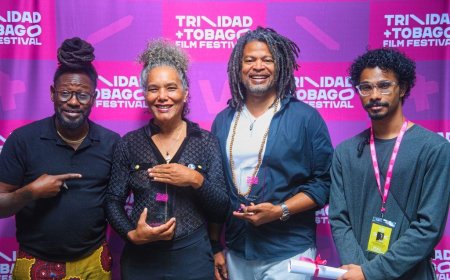
However, visitors who want a deeper cultural experience should not stop with Carnival. Tobago, in particular, offers a different cultural calendar through the Tobago Heritage Festival.
Trinidad's Carnival is strongly associated with calypso, soca, Steelpan, masquerade and large public celebrations. The festival also includes competitions and community traditions that developed over generations.
The relationship between music and cultural identity is particularly visible in Trinidad and Tobago. Steelpan, for example, is not simply an entertainment product for tourists. It is an important part of the country's cultural history and contemporary musical life.
Travelers should also consider visiting outside the busiest Carnival period if their priority is cultural exploration rather than large crowds. Community performances, museums, food experiences and heritage sites can provide additional context.
Dominica's Cultural Calendar
Dominica is known for its connection to nature, but its cultural calendar is equally important. The island's Carnival often referred to as Mas Dominik, combines music, costumes, calypso, soca and traditional elements.
Dominica is also notable for its Creole heritage. Events associated with Creole culture provide opportunities to experience local food, music, language and traditions.
The island's cultural experiences can be particularly interesting when combined with visits to villages and natural attractions. Rather than treating the festival as a separate entertainment event, visitors can use it as an entry point into understanding Dominica's wider culture.
This approach is useful on smaller islands because cultural and environmental experiences are often geographically close. A traveler may spend the morning exploring a natural attraction and the evening attending a local cultural performance.
Grenada Spicemas
Grenada's Spicemas is another major carnival celebration. The festival reflects the island's musical traditions, costume culture, street performance and community participation.
The name itself connects the celebration with Grenada's reputation as the "Spice Isle," but the festival is about more than the island's food products. Music, dance, masquerade and public performance dominate the major celebrations.
Visitors should consider attending events before the main parade because competitions and smaller celebrations provide additional context. Calypso and soca events, for example, help explain the musical side of the festival before visitors encounter the large street celebrations.
Grenada is also a destination where food can become part of the cultural experience. Travelers can combine festival activities with local markets and traditional dishes rather than relying entirely on resort restaurants.
Saint Vincent and the Grenadines: Vincy Mas
Vincy Mas is Saint Vincent and the Grenadines' major carnival celebration. It combines music, calypso, soca, costumes, competitions and street events.
One advantage of attending a cultural event in a smaller island nation is that visitors can often experience the relationship between festival culture and everyday community life more directly.
The Grenadines also provide an opportunity to extend a cultural trip beyond the main island. However, travelers should plan inter-island transportation carefully because ferry and air connections can have different schedules and may be affected by weather.
For visitors interested in photography, Vincy Mas also offers opportunities to document costumes, musical performances and street scenes, although travelers should always respect restrictions around professional photography and ask permission before closely photographing individuals.
Bahamas Junkanoo: A Different Cultural Tradition
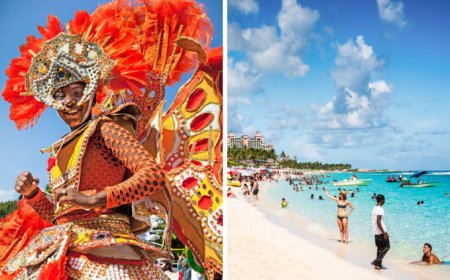
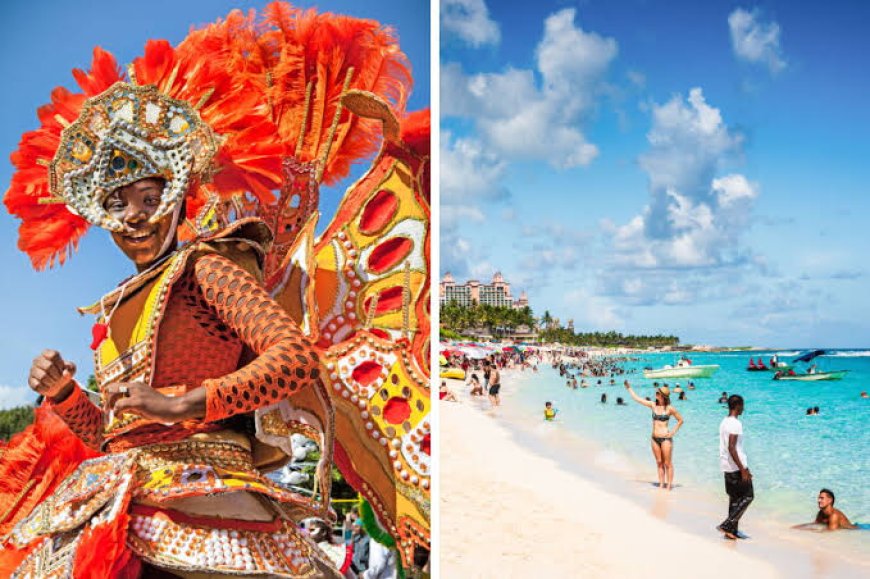
Junkanoo is one of the Bahamas' most recognizable cultural traditions. It is particularly associated with large parades featuring music, dance and elaborate costumes.
The tradition has historical roots and has developed into a major public celebration. The strongest experience comes from understanding the preparation behind the parade. Costumes are not simply purchased decorations; groups spend substantial time developing designs and preparing performances.
For travelers, this is an important reminder that cultural festivals involve work by local communities long before visitors arrive.
A visitor who wants to understand Junkanoo should therefore learn about the history of the tradition, the participating groups and the meaning behind the costumes and music rather than treating the parade only as a photographic spectacle.
Cultural Festivals and Caribbean Food
Food is one of the easiest ways for travelers to connect with an island's culture.
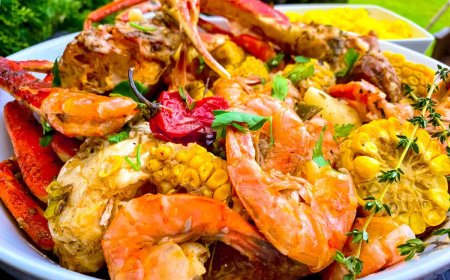
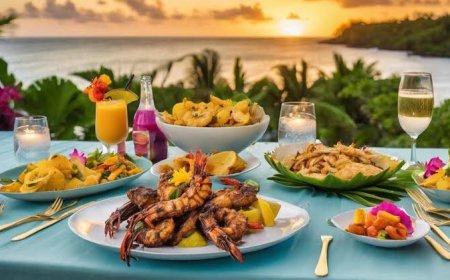
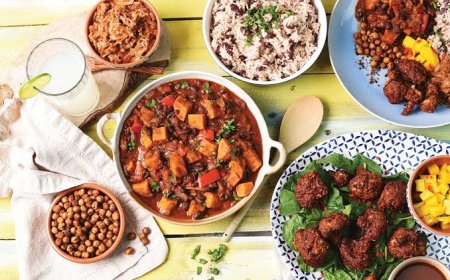
Festival food can include dishes that visitors may not encounter in international hotel restaurants. Depending on the destination, travelers may find jerk preparations, roti, curry dishes, seafood, rice and peas, plantains, pepper-based sauces, cassava dishes, pastries and other local foods.
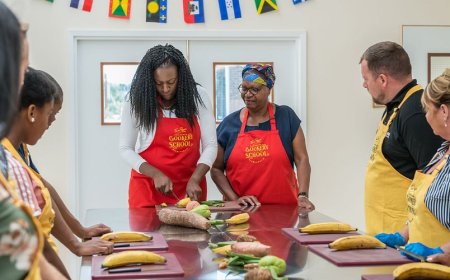
Food festivals and cultural fairs are particularly useful because they often bring several local vendors together. Travelers can compare different preparations of similar dishes and speak with vendors about ingredients and cooking methods.
However, visitors should remember that food served at a festival may differ from everyday home cooking. Festival menus often emphasize popular or easily served dishes. Travelers interested in deeper culinary knowledge should also visit local markets, cooking demonstrations and independent restaurants.
Music Is Often the Cultural Thread
Music connects many Caribbean festivals. Calypso, soca, reggae, dancehall, Steelpan, zouk, kompa and other musical traditions developed under different historical and cultural circumstances. Festivals allow these styles to remain connected to public life while also providing opportunities for contemporary artists.
For travelers, listening to local music before visiting can improve the festival experience. Understanding basic musical traditions makes it easier to recognize differences between performances.
It is also worth attending smaller performances. Large concerts may feature internationally recognized performers, but local musicians often provide a stronger connection to the destination itself.
Why Travelers Should Attend Smaller Community Events
Major parades are visually impressive, but smaller community events can sometimes provide more cultural information.
Village celebrations, craft fairs, storytelling sessions, local theatre, food demonstrations and heritage performances often involve people who live in the community year-round.
These events may also be less overwhelming for travelers who are not comfortable with very large crowds.
A useful cultural itinerary therefore includes both major and smaller events. Attend the headline celebration, but leave room for local activities that are not necessarily promoted internationally.
Planning Accommodation around Festival Dates
Cultural festivals can have a direct impact on accommodation availability. Large festivals bring residents, returning nationals, regional visitors and international tourists together. Hotels, guesthouses, villas and short-term rentals can fill quickly.
Travelers should compare the location of their accommodation with the event schedule rather than automatically choosing the closest property. A hotel near a major parade may be convenient during the day but noisy late at night.
In some destinations, staying outside the main festival district can also reduce costs. The trade-off is transportation time.
Booking early is particularly important when the festival dates are fixed and the island has limited accommodation capacity.
Transportation during Island-Wide Events
Transportation is another issue that should not be overlooked.
Road closures, parades, concerts and nighttime celebrations can change normal travel times. A journey that takes 20 minutes on an ordinary day may take much longer during a major event.
Visitors should check official festival announcements for road closures and transportation information. If they are attending a late-night event, they should arrange transportation before the event rather than assuming a taxi will always be available afterward.
On islands with limited public transportation, renting a car may provide flexibility, but parking can become difficult during major events. In other destinations, organized transfers may be more practical.
Supporting Local Businesses
Cultural tourism can provide direct benefits to local businesses. Visitors spend money on accommodation, food, transportation, crafts, entertainment and other services. Buying from local artisans and eating at locally owned establishments can help more of the travel budget remain within the community.
Travelers should also be careful about buying cultural products without understanding what they are purchasing. Handmade crafts, locally produced food and legitimate cultural products are generally preferable to mass-produced souvenirs presented as local goods.
The objective should not simply be to consume culture. Visitors can support the people who create and maintain it.
Respecting Cultural Traditions
Good cultural tourism requires respect. Visitors should avoid treating ceremonies, religious activities or historical reenactments as entertainment without context. Some events may have sacred or community-specific elements that are not intended for unrestricted participation.
Photography is another consideration. Taking pictures at a parade is usually expected, but photographing individuals at close range without permission can be uncomfortable.
Dress codes may also apply to religious or heritage events. Travelers should research expectations before attending.
Learning a few local expressions, asking questions politely and showing interest in the history of an event can make interactions more meaningful.
Cultural Events beyond the Carnival Calendar
Although carnival dominates international coverage of Caribbean festivals, travelers should not assume that carnival is the only cultural season.
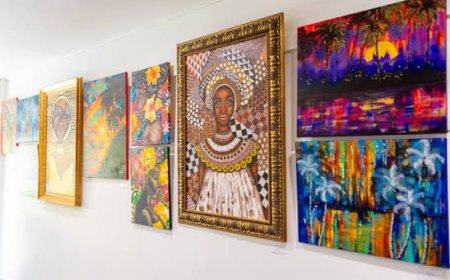
Film festivals, jazz festivals, food festivals, heritage months, independence celebrations, literary events, art exhibitions and traditional village festivals can provide very different experiences.
Jamaica's Negril Universal Film Festival, for example, brings cinema, workshops and cultural experiences together in October 2026. Saint Lucia's Jazz & Arts Festival combines music with community and cultural programming. Tobago Heritage Festival emphasizes traditional performance and historical customs. These examples demonstrate how diverse the Caribbean cultural calendar is.
This diversity is particularly useful for repeat visitors. Someone who has already attended Carnival can return for a food, music, and film or heritage event and experience another side of the destination.
How to Choose the Right Cultural Event
The right festival depends on what a traveler wants from the trip. Visitors interested in traditional heritage may prefer Tobago Heritage Festival or Jamaica's Emancipation celebrations. Music fans may be drawn toward Saint Lucia Jazz & Arts Festival or the major carnival calendars. Travelers interested in food can combine cultural festivals with local markets and culinary events. Film lovers can look for events such as the Negril Universal Film Festival.
Families may prefer daytime heritage events, craft fairs and cultural exhibitions rather than late-night parties. Younger travelers looking for music and street celebrations may prefer major carnival periods.
The key is to research the complete event schedule rather than choosing an island simply because a festival name is famous.
The Value of Travelling During Cultural Season
Travelling during a cultural event can make an ordinary Caribbean vacation feel much more connected to local life.
Instead of spending every day inside a resort, visitors have reasons to travel through communities, talk to local residents, try traditional food and listen to local performers. The island becomes more than a collection of beaches and hotels.
At the same time, festival travel requires flexibility. Crowds, traffic, weather and changing schedules can affect plans. Travelers should avoid creating an itinerary that leaves no room for unexpected delays. A good approach is to book the most important festival activities first and keep the rest of the trip flexible.
Looking Ahead: Cultural Tourism in the Caribbean
Cultural tourism is likely to remain an important part of the Caribbean travel industry because visitors increasingly look for experiences connected to local identity.
The region already has a strong foundation. Many festivals have existed for decades, while newer events are developing around film, food, creative industries and contemporary music.
The announcement that Guyana will host CARIFESTA XVI from October 8–17, 2027 is one example of the continuing regional importance of cultural exchange. Guyana hosted the inaugural CARIFESTA in 1972, and the 2027 edition is expected to bring together artists and cultural practitioners from across the Caribbean and beyond.
This kind of regional event shows that Caribbean culture cannot be understood by looking at one island in isolation. The islands share historical connections while maintaining distinct identities.
What's Your Reaction?
 Like
0
Like
0
 Dislike
0
Dislike
0
 Love
0
Love
0
 Funny
0
Funny
0
 Angry
0
Angry
0
 Sad
0
Sad
0
 Wow
0
Wow
0