
























10 Things to Know Before Visiting the Caribbean
The Caribbean offers beautiful beaches, tropical landscapes, rich cultural traditions, delicious local cuisine, and exciting outdoor activities. However, every island has its own entry requirements, currency, transportation options, customs, and travel costs. Before booking a trip, travellers should choose a destination that matches their interests and budget, check passport and visa requirements, and consider seasonal weather conditions, including the Atlantic hurricane season from June to November.

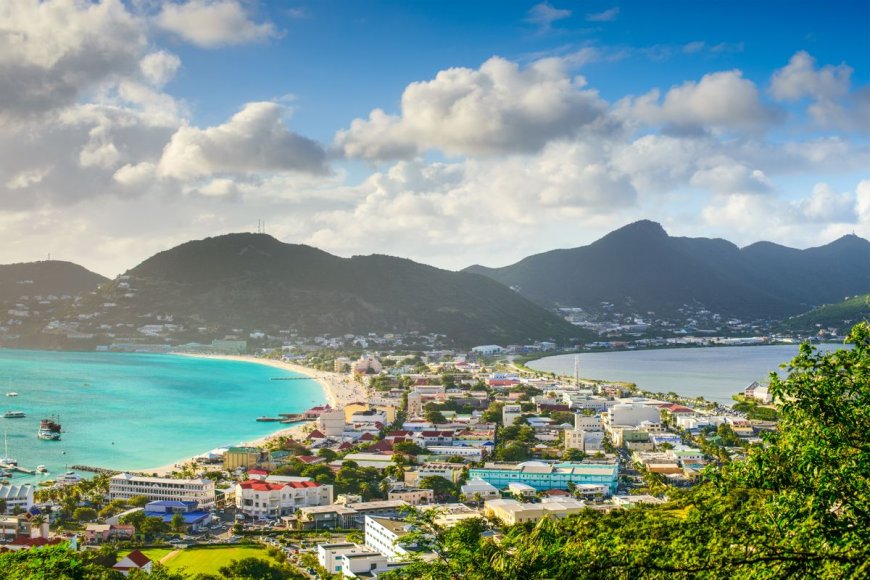
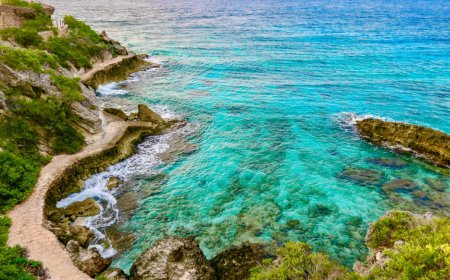
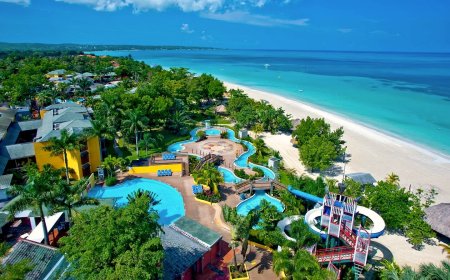
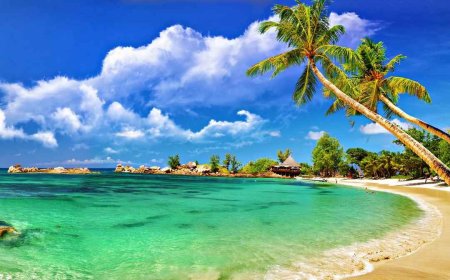
The Caribbean is one of the world's most varied holiday regions, offering white-sand beaches, coral reefs, tropical forests, historic towns, local food markets, music festivals and opportunities for adventure. However, travelling to the Caribbean requires more planning than simply booking a flight and choosing a beach resort. The region consists of many islands and territories, each with its own entry requirements, currency arrangements, transportation systems, cultural traditions and travel costs. A holiday in Jamaica can feel very different from a trip to Aruba, Barbados, Saint Lucia or the Dominican Republic. Some destinations are ideal for all-inclusive resort stays, while others are better suited to independent travellers who want to explore towns, hiking trails and local communities.

Understanding a few important details before departure can help travellers save money, avoid common mistakes and make better use of their time. From choosing the right island and travelling during hurricane season to understanding local customs and arranging transportation, these ten points cover the practical information visitors should know before planning a Caribbean holiday.
1. Choose the Right Caribbean Island for Your Travel Style
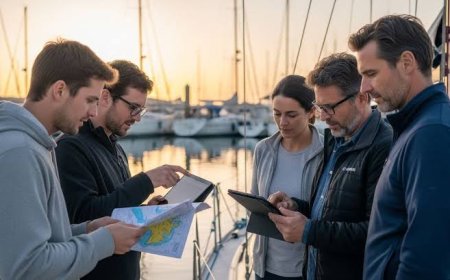
One of the biggest mistakes travellers make is treating the Caribbean as a single destination. Although many islands share warm weather, beaches and a tropical environment, their landscapes, activities, prices and travel experiences differ considerably. The best island for a honeymoon may not be the best choice for a family holiday, a hiking trip or a budget-conscious solo adventure. Before booking flights, identify what you want from the trip and compare destinations according to activities, accommodation, transport and the amount of time you have available.
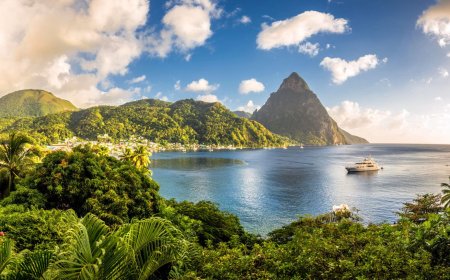
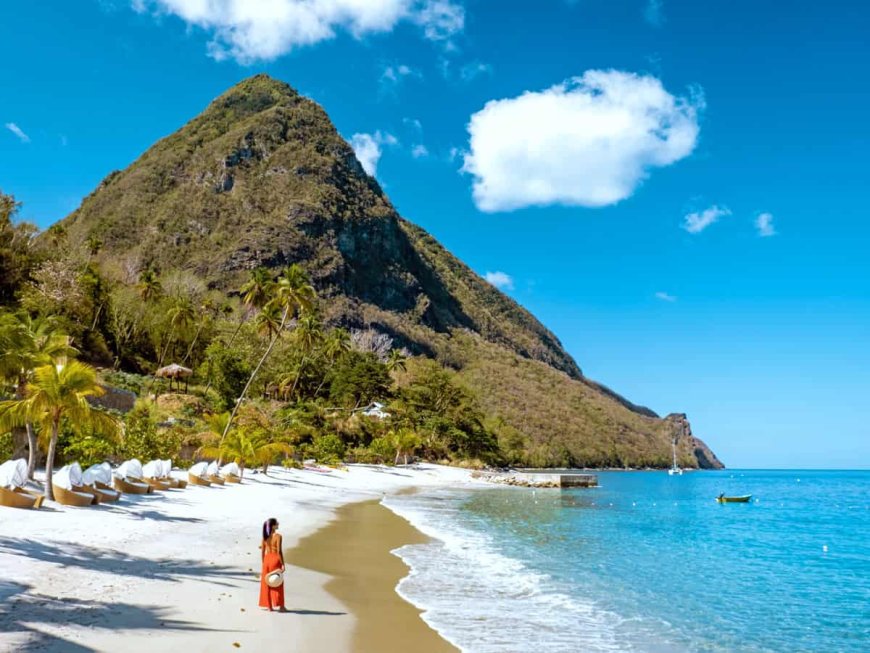
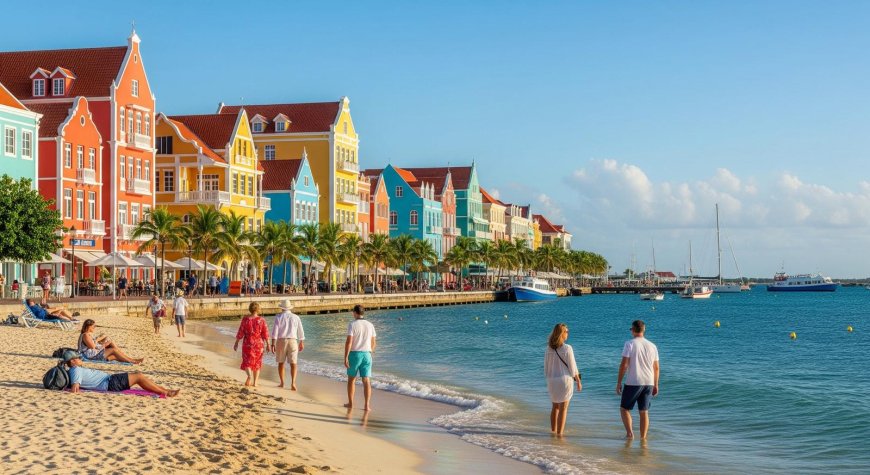
Jamaica is well known for reggae music, waterfalls, Blue Mountains scenery and its distinctive food culture. Barbados offers beaches, surfing opportunities, historic sites and a well-developed dining scene. Saint Lucia attracts visitors with the Pitons, rainforest trails, volcanic landscapes and coastal resorts. Aruba is popular with beach visitors and water-sport enthusiasts, while the Dominican Republic offers a large selection of resorts, historic Santo Domingo, mountain landscapes and outdoor activities. The Bahamas is known for its islands, boating, beaches and marine experiences, although travel between different islands can require additional flights or ferry connections.
Travellers interested in nature should consider destinations with accessible hiking trails, protected marine areas, waterfalls or wildlife experiences. Those who prefer nightlife may want to compare resort areas and larger towns with active music and restaurant scenes. Families should look closely at beach conditions, children's facilities, medical services and travel times between the airport and accommodation.
It is also important to consider whether you want to stay in one place or visit several islands. Island-hopping can be rewarding, but flights, ferries, transfers and additional hotel nights can quickly increase the total budget. For a first visit lasting five to seven days, choosing one island and exploring it properly is often more practical than trying to cover several destinations.
2. Check Passport, Visa and Entry Requirements before Booking
Entry requirements are among the most important details to confirm before travelling. The rules depend on your nationality, passport type, and destination, length of stay and purpose of travel. A traveller who can enter one Caribbean island without a visa may need advance permission to visit another. Even destinations with visa-free entry can require a valid passport, a return or onward ticket, proof of accommodation or evidence that the visitor can support them during the trip.
Check the official immigration website or government travel advice for every destination on your itinerary. Do this before purchasing non-refundable flights, particularly if your trip involves multiple countries or territories. Do not assume that a visa or residence permit for the United States, the United Kingdom, Canada or the Schengen Area automatically provides permission to enter a Caribbean destination. Each jurisdiction establishes its own rules.
Passport-validity requirements also vary. Some destinations require a passport to remain valid for a specified period after arrival or departure, while others apply different conditions. Check the exact rule rather than relying on a general statement those six months of validity is always necessary. Travellers should also verify whether an electronic immigration form, customs declaration or online travel authorisation must be completed before departure.
Keep copies of your passport, travel insurance, flight details and accommodation confirmation in a secure digital location. Carrying a separate copy can make it easier to replace documents if the original is lost. Families travelling with children should check whether additional consent documents or birth certificates are required, particularly when a child is travelling with only one parent or with another adult.
Finally, distinguish between tourist visits and permission to work. A visitor entry stamp generally does not automatically authorise employment or every form of remote work. If you intend to stay for several months, work remotely or conduct business, check the relevant immigration rules before travelling.
3. Understand the Best Time to Visit and the Hurricane Season
The Caribbean has warm weather throughout much of the year, but seasonal differences affect rainfall, accommodation prices, crowds and travel arrangements. December through April is generally a popular period for visitors seeking to escape colder weather in North America and Europe. Many destinations experience attractive beach conditions during this period, although weather varies between islands and individual weeks. Flights and hotels can be more expensive around Christmas, New Year, and school holidays and other peak travel periods, so early booking may be worthwhile.
The Atlantic hurricane season officially runs from June 1 through November 30. NOAA identifies August, September and October as the peak months for activity, although tropical storms can occur outside the official season. Its 2026 outlook initially projected a below-normal season, but seasonal forecasts do not predict whether a particular island will be affected. Even a season expected to be quieter than average can produce a dangerous storm.
Travelling during hurricane season does not mean a holiday will necessarily be disrupted. Many trips take place without major problems, and some hotels offer lower prices during less busy periods. However, visitors should understand the risks before deciding whether the potential savings are worthwhile. Storms can affect flights, ferry services, cruise itineraries, beaches, electricity and local transport, sometimes even when a destination does not experience a direct hit.
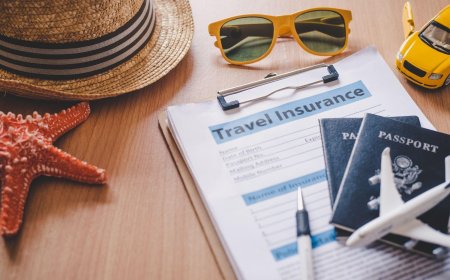
If you travel between June and November, choose accommodation with a clear cancellation or change policy and review your travel insurance carefully. Check whether the policy covers trip cancellation, interruption, and additional accommodation and transport expenses caused by severe weather. Coverage depends on the policy wording, and buying insurance after a storm has been forecast may not protect you against an already known event.
Monitor official weather advisories as your departure approaches and follow local authorities' instructions while on the island. Avoid swimming, boating or hiking during dangerous weather conditions. The best travel date is not simply the month with the lowest airfare; it is the period that offers the right balance of weather, cost, activities and flexibility.

4. Plan a Realistic Budget beyond Flights and Hotels
The cost of a Caribbean holiday can vary substantially according to the island, season, accommodation type and travel style. A budget traveller staying in a guesthouse and eating at local restaurants will have different expenses from someone booking a luxury beachfront resort. Comparing only the advertised hotel rate can therefore create an inaccurate picture of the overall cost.
Start by calculating flights, accommodation, airport transfers, meals, activities, local transportation and travel insurance. Then include smaller expenses such as baggage charges, tips, beach equipment, entrance fees, boat trips and mobile data. Travellers visiting remote beaches or smaller islands may need to pay for private transfers or organised excursions because public transport is limited.
All-inclusive resorts can simplify budgeting because meals, drinks and selected activities are included in the room rate. However, check exactly what the package covers. Premium restaurants, spa treatments, excursions, motorised water sports and airport transfers may cost extra. A lower-priced room can also become more expensive if it requires long transfers or additional paid activities to reach the experiences you want.
Independent travellers can often reduce costs by staying in locally owned accommodation, using public transportation where practical and eating at neighbourhood restaurants. Markets, bakeries and small food businesses can provide affordable meals while introducing visitors to local dishes. Nevertheless, prices differ between islands, and imported products can be expensive because of shipping costs and local taxes.
Plan a daily spending allowance and keep some emergency money separate from your ordinary holiday budget. Credit cards are accepted at many hotels and established businesses, but smaller vendors may prefer cash. Before departure, check foreign transaction fees and whether your bank charges for overseas ATM withdrawals. When comparing prices, include taxes and service charges wherever they are not already part of the advertised total.
5. Learn About Local Currency and Payment Methods
Currency arrangements differ across the Caribbean. Several destinations use their own national currencies, while others use the Eastern Caribbean dollar or accept US dollars widely in tourism-related businesses. The Eastern Caribbean dollar is used by members of the Eastern Caribbean Currency Union, including Antigua and Barbuda, Dominica, Grenada, Saint Lucia, Saint Vincent and the Grenadines, Saint Kitts and Nevis, Anguilla and Montserrat. Its exchange rate is pegged to the US dollar at EC2.70perUS1 under the currency arrangement maintained by the Eastern Caribbean Central Bank.
Other destinations have different systems. Jamaica uses the Jamaican dollar, the Dominican Republic uses the Dominican peso, and Barbados uses the Barbados dollar. The Bahamas uses the Bahamian dollar, which is maintained at parity with the US dollar. Although US dollars are commonly accepted in some tourist areas, this does not mean that every shop, taxi or restaurant will accept them or provide a favourable exchange rate.
Before travelling, find out which currency is used at your destination and whether card payments are widely available. Carry a reasonable amount of local cash for small purchases, public transport, markets and businesses that do not accept cards. When withdrawing money, use reputable ATMs and review any fees displayed before confirming the transaction.
If a card terminal asks whether you want to pay in your home currency or the local currency, compare the options carefully. Paying in your home currency may involve a conversion rate set by the payment provider, while paying in local currency usually leaves the conversion to your card issuer. The better option depends on the fees and exchange rates involved, so check your bank's policy before departure.
Tipping customs also vary. Some restaurants include a service charge, while others expect an additional tip for good service. Hotels, tour operators and drivers may follow different practices. Read your bill and ask politely if you are unsure rather than assuming one tipping rule applies across the entire region.
6. Respect Local Culture, Customs and Everyday Life
Caribbean culture is not uniform. It reflects Indigenous heritage, African history, European colonial influences, South Asian communities and other migration patterns, with each island developing its own language, food, music and traditions. Visitors who take time to understand these differences often have a more rewarding experience than those who remain within the boundaries of a resort.
English is widely spoken in many Caribbean destinations, including Jamaica, Barbados and several Eastern Caribbean countries. Spanish is the main language in the Dominican Republic and Puerto Rico, while Dutch and Papiamento are important in Aruba, Curaçao and Bonaire. French and French Creole are used in destinations such as Martinique and Guadeloupe. Many communities also speak local Creoles and distinctive forms of English, Spanish or French. Learning a few polite expressions in the local language can make everyday interactions easier.
Dress expectations depend on the setting. Swimwear is appropriate at many beaches and resort pools, but it may not be suitable in town centres, shops, religious buildings or government offices. Carry a light cover-up or change of clothes when leaving the beach. Some destinations also have specific laws or cultural expectations regarding public behaviour, so visitors should check local guidance.
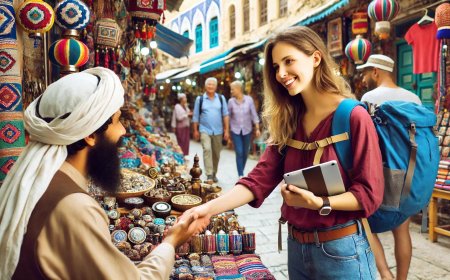
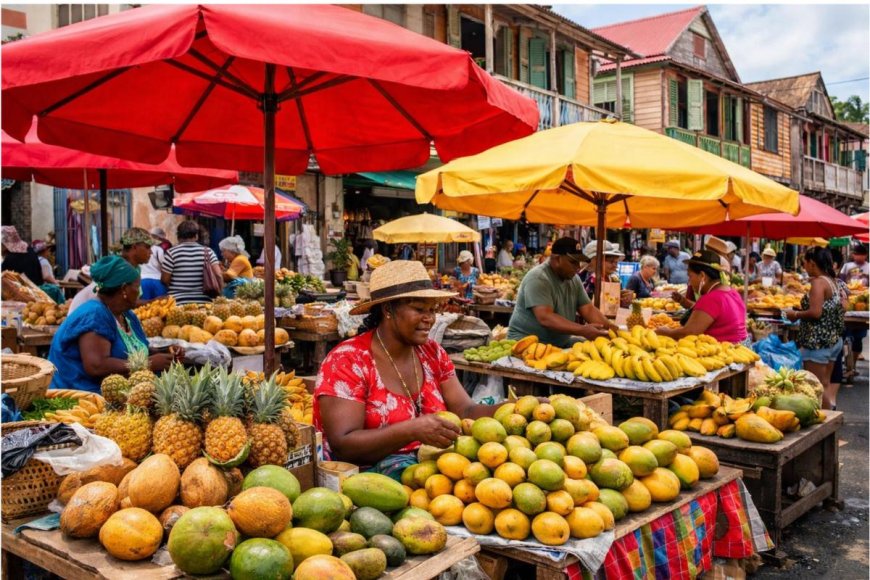
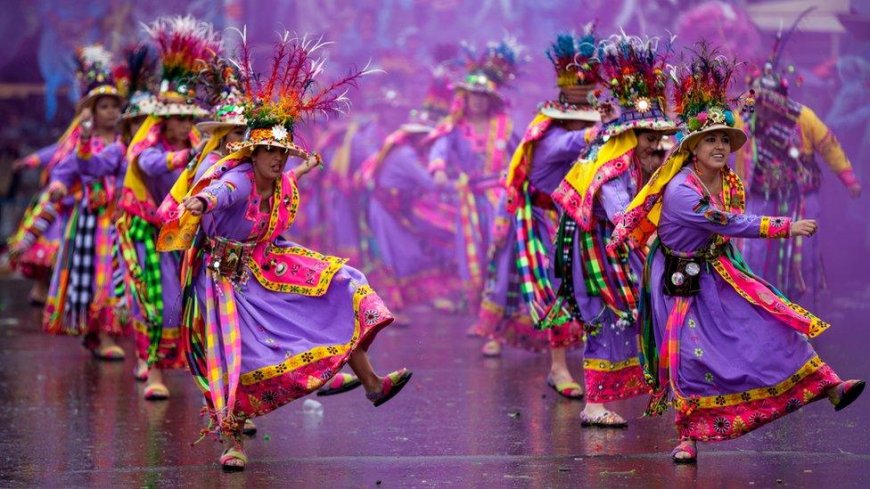
Music and food provide excellent ways to experience Caribbean culture. Depending on the island, visitors may encounter reggae, calypso, soca, dancehall, zouk, kompa and other musical traditions. Local dishes may feature plantains, rice and peas, roti, curry, jerk seasoning, fresh fish, cassava, coconut and tropical fruit. Trying food from a local restaurant or attending a community festival can offer a different perspective from a resort's international menu.
Ask before photographing people, especially children, performers, religious ceremonies or private gatherings. Be courteous when discussing history and politics, which can involve sensitive subjects connected with colonialism, slavery, migration and independence. Travellers do not need extensive historical knowledge to be respectful; listening carefully and showing genuine interest are often enough.
7. Research Transportation Before You Arrive
Transportation can have a major effect on the amount of a Caribbean island you can explore. Some destinations have useful bus networks and established taxi services, while others rely heavily on rental cars, private drivers, organised excursions or domestic flights. The right choice depends on where you stay, how far apart attractions are and whether you plan to travel after dark.
Airport transfers deserve particular attention. A resort may be located a considerable distance from the airport, and the advertised room price may not include transportation. Confirm whether your accommodation provides a shuttle, whether the service must be booked in advance and how much a private transfer costs. After a long flight, having a reliable arrival plan can save time and prevent confusion.
Public buses and minibuses can be economical, especially for travellers staying near towns or popular routes. However, schedules, operating hours and payment arrangements vary. Services may be less frequent in rural areas or on Sundays and public holidays. Ask your accommodation which routes are suitable for visitors and confirm the last return service before travelling far from your base.
Rental cars provide greater flexibility for reaching beaches, viewpoints, villages and hiking areas. Before booking, check driving regulations, licence requirements, insurance coverage, road conditions and parking arrangements. Several Caribbean countries drive on the left, while others drive on the right. Narrow roads, steep hills, potholes and limited street lighting can make unfamiliar routes challenging, particularly at night.
Ferries and domestic flights are useful for island-hopping, but they should not be treated as interchangeable with a short road journey. Services may operate only on certain days, and bad weather can cause delays or cancellations. Allow sufficient time between separate bookings, especially when connecting a ferry or domestic flight to an international departure. If your schedule is tight, an extra overnight stay may be safer than attempting several connections in one day.
8. Protect Your Health and Take Beach Safety Seriously
A Caribbean holiday often involves swimming, boating, hiking, sun exposure and outdoor activities. These experiences can be enjoyable, but visitors should prepare for heat, strong sunlight, changing sea conditions and the possibility of insect-borne illnesses. Check travel-health advice for your particular destination before departure, ideally several weeks in advance if vaccinations or prescription medicines may be needed.
Pack sunscreen, insect repellent, any regular medicines, basic first-aid supplies and clothing suitable for hot and rainy conditions. Drink water regularly and avoid spending long periods in direct sunlight during the hottest part of the day. Sunburn can develop quickly, even when clouds make the temperature feel comfortable. Travellers planning hikes should carry sufficient water, wear suitable footwear and check the route's difficulty before setting out.
Beach conditions deserve special attention. A beach that looks calm from the shore can still have strong currents or dangerous waves. Pay attention to warning flags, lifeguard instructions and local advice. If there are no lifeguards, do not assume the water is safe simply because other people are swimming. Avoid swimming alone, particularly at unfamiliar beaches, and do not enter the water after drinking alcohol.
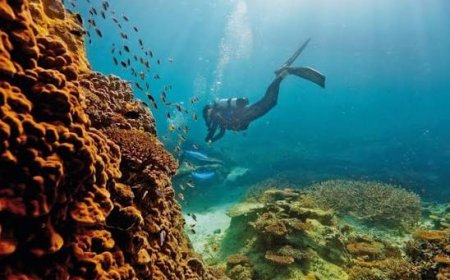
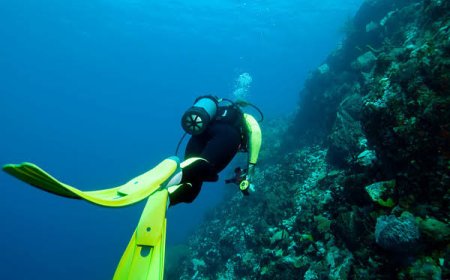
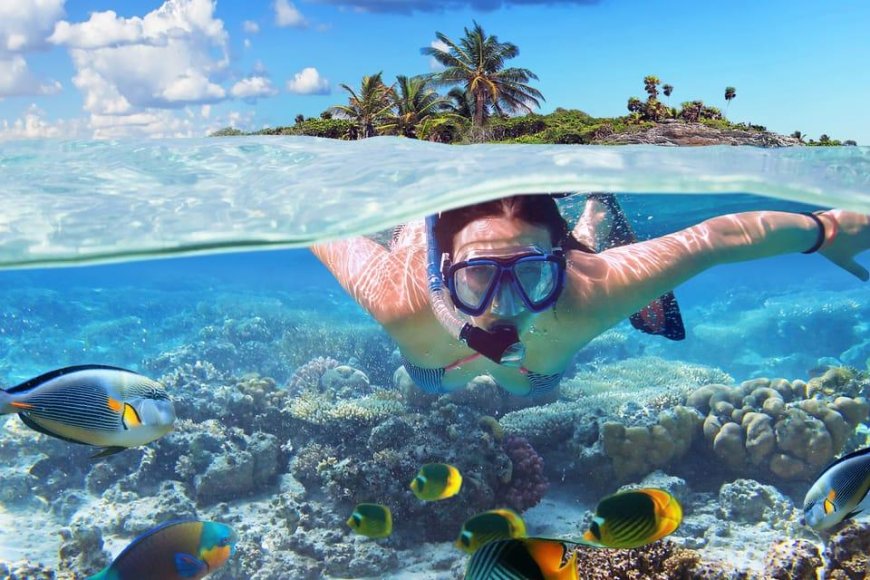
Snorkelling and scuba diving should be organised through reputable operators that provide appropriate safety briefings and equipment. Check weather conditions, currents and your own experience level before joining an excursion. For boat trips, confirm that life jackets are available and that the operator follows local safety requirements.
Healthcare access varies across the region. Major tourist areas may have private clinics and pharmacies, while remote islands may have limited facilities or require medical evacuation for serious conditions. Travel insurance should be reviewed for emergency medical treatment, evacuation and adventure activities you intend to undertake. Travellers with existing medical needs should confirm that their medicines are available and that their insurance covers relevant treatment.
9. Protect the Environment and Support Local Businesses
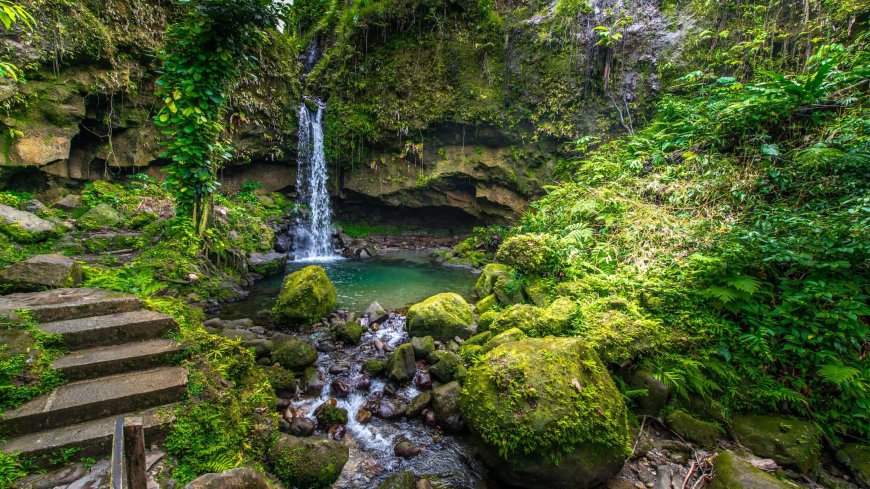
The Caribbean's beaches, reefs, mangroves, forests and marine wildlife are major reasons people visit the region. These environments also support local livelihoods through fishing, tourism and coastal protection. Responsible travel helps protect the places that attract visitors in the first place.
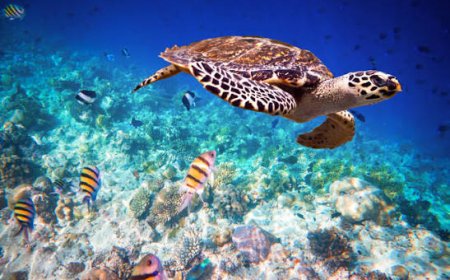
Coral reefs are especially sensitive to physical damage, pollution and changes in water temperature. When snorkelling, avoid standing on coral, touching marine animals or collecting shells and coral fragments from protected areas. Use reef-conscious sun protection where appropriate, but remember that no sunscreen can replace the need to avoid damaging the reef through direct contact. Follow the rules of marine parks and listen to guides who understand local conditions.
Reduce unnecessary plastic waste by carrying a reusable water bottle where safe drinking-water facilities are available. Dispose of rubbish properly and never leave food packaging on beaches or hiking trails. If you visit a protected forest, follow marked paths and avoid disturbing birds, nesting turtles or other wildlife. Some beaches have seasonal restrictions to protect turtle nesting areas, and these rules should be respected even if they limit access to a particular section of sand.
Responsible tourism also involves how visitors spend money. Eating at locally owned restaurants, buying crafts directly from makers, hiring qualified local guides and attending community-led cultural activities can help tourism income reach residents. Ask about the origin of souvenirs and avoid purchasing products made from protected wildlife, coral or other restricted natural materials.
When choosing tours, look beyond photographs and low prices. A responsible operator should explain safety procedures, respect wildlife, follow protected-area regulations and treat workers fairly. Supporting such businesses helps maintain the natural and cultural resources on which Caribbean tourism depends.
10. Plan Your Internet Access, Packing and Daily Itinerary
Practical preparation can make the difference between a relaxed holiday and one filled with unnecessary problems. Mobile connectivity is particularly important for travellers who need maps, transport bookings, banking access or contact with family. International roaming can be expensive, so compare your mobile provider's Caribbean packages with local SIM cards and travel eSIM options. Coverage and data speeds vary by island and between urban areas and remote beaches, so check compatibility and network availability before purchasing a plan.
Download offline maps, save accommodation addresses and keep copies of important reservations somewhere accessible without an internet connection. If you depend on your phone for navigation and bookings, bring a suitable charger and power bank. A waterproof pouch can help protect your phone during boat trips, although it should not be treated as a guarantee against water damage.
Pack according to your activities rather than assuming you will spend every day at the beach. Lightweight clothing, swimwear, comfortable walking shoes, sandals, sun protection and insect repellent are useful for many destinations. A compact rain jacket or umbrella can be helpful during wetter periods. If you plan to hike, dive or participate in specialised activities, check whether you need specific footwear or equipment and whether it is better to rent locally.
Build flexibility into your itinerary. Travelling between islands, visiting waterfalls or joining boat excursions can involve weather-related changes. Instead of scheduling every activity tightly, leave time for local markets, unexpected discoveries and rest. Check opening hours and reservation requirements for popular attractions, particularly during major festivals and holiday periods.
Finally, keep your important documents and emergency contacts accessible. Know how to contact your accommodation, travel insurer and relevant local emergency services. If your plans involve remote areas, tell someone where you are going and when you expect to return. A little preparation allows you to spend less time solving avoidable problems and more time enjoying the destination.
What's Your Reaction?
 Like
0
Like
0
 Dislike
0
Dislike
0
 Love
0
Love
0
 Funny
0
Funny
0
 Angry
0
Angry
0
 Sad
0
Sad
0
 Wow
0
Wow
0