











Top 20 Caribbean Adventures You Must Try
The Caribbean offers a wide range of outdoor experiences for adventure travelers in 2026, from hiking volcanic mountains and climbing waterfalls to scuba diving, snorkeling, surfing, kayaking, and white-water rafting. Popular adventures include Dunn’s River Falls in Jamaica, the Boiling Lake hike in Dominica, scuba diving in the Cayman Islands, kitesurfing in the Dominican Republic, and rainforest exploration in Trinidad and Tobago. Each destination offers different activities for beginners, families, and experienced travelers. Planning a successful Caribbean adventure holiday means choosing activities that match your fitness and experience, comparing tour prices, checking seasonal weather conditions, and booking reputable local guides. Travelers should also follow safety instructions and protect coral reefs, forests, wildlife, and local communities. With thoughtful preparation, the Caribbean can provide an exciting and rewarding travel experience beyond its famous beaches.

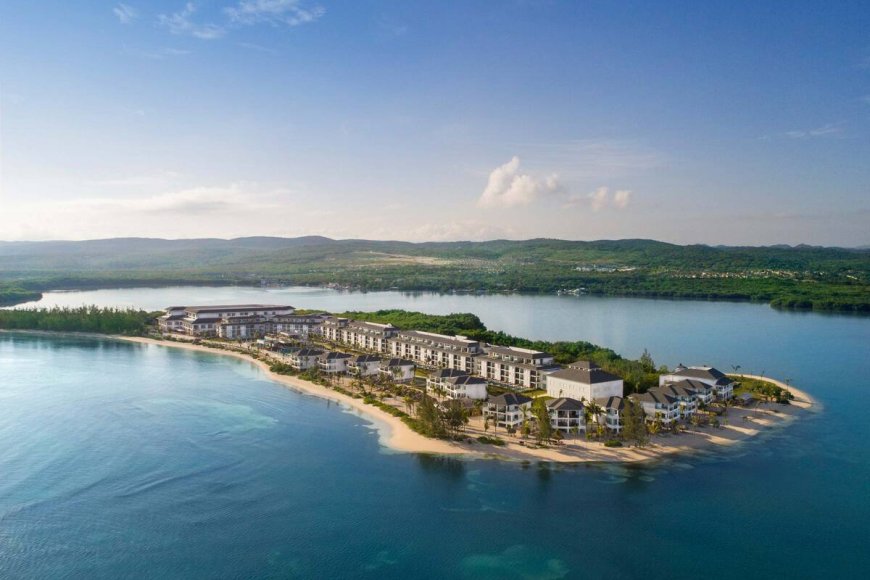
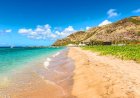
The Caribbean is known for its beaches, but there is much more to explore beyond the coastline. Across the region, travelers can hike through tropical rainforests, climb waterfalls, dive around coral reefs, and paddle through mangrove forests, explore underground caves, and discover volcanic landscapes. Each island offers a different kind of adventure, from the mountainous interior of Dominica to Jamaica’s rivers and waterfalls and the clear waters surrounding the Cayman Islands.

For adventure travelers in 2026, the Caribbean offers experiences for different fitness levels, budgets, and interests. Some activities are suitable for families and first-time explorers, while others require physical preparation, specialist equipment, or a certified guide. The best trip combines outdoor activities with local culture, responsible tourism, and enough time to enjoy each destination without rushing. Here are 20 Caribbean adventures worth adding to your travel plans.
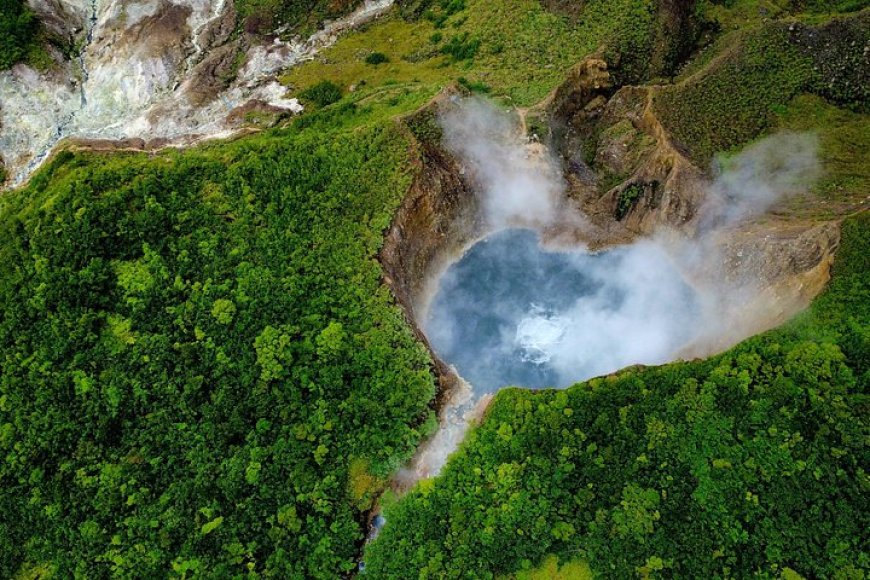
1. Hike to the Boiling Lake in Dominica
Dominica is one of the Caribbean’s leading destinations for travelers who enjoy challenging hikes and volcanic landscapes. The hike to the Boiling Lake in Morne Trois Pitons National Park takes visitors through dense rainforest, steep mountain paths, and the Valley of Desolation, where volcanic activity has created a landscape of steam vents and mineral-colored ground. The lake is a geothermal feature whose water temperature and appearance can change with volcanic conditions, so it should never be approached without following official safety instructions.
This is a demanding excursion rather than a casual nature walk. Depending on trail conditions, weather, and the group’s pace, the journey can take much of the day and requires good footwear, drinking water, and a reasonable level of fitness. Hiring an authorized local guide is strongly recommended because the route includes uneven terrain and potentially hazardous geothermal areas. Travelers should check trail access before departure, as weather or volcanic conditions can affect availability.
2. Climb Dunn’s River Falls in Jamaica
Dunn’s River Falls near Ocho Rios is one of Jamaica’s best-known outdoor attractions. The waterfall forms a series of natural limestone steps that visitors can climb with the assistance of a guide, often moving through shallow pools and flowing water along the route. The experience combines a physical challenge with opportunities to stop for photographs and enjoy the surrounding tropical vegetation.
Visitors should wear secure water shoes because the rocks can be slippery, and they should follow the guide’s instructions about where to step and where swimming is permitted. People who prefer a less demanding experience can view sections of the falls from designated areas instead of climbing the entire route. Arriving early may help reduce the effects of busy tour schedules, especially when cruise ships are in port. Official Jamaican tourism information lists Dunn’s River Falls among the island’s major outdoor attractions.
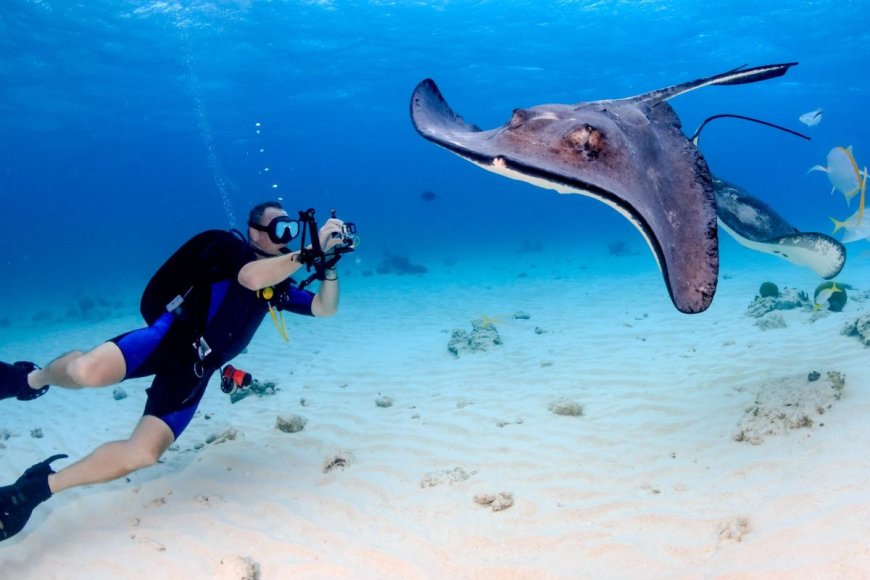
3. Scuba Dive around the Cayman Islands
The Cayman Islands are a major destination for scuba diving, with reefs, underwater walls, coral formations, and shipwrecks attracting divers from around the world. Grand Cayman is particularly known for its underwater sites, while Cayman Brac and Little Cayman offer additional diving opportunities. Depending on the location, divers may encounter reef fish, rays, sea turtles, sponges, and other marine life.
Beginners can look for introductory sessions or certification courses offered by recognized dive operators, while experienced divers can select sites that match their training and comfort level. Before booking, confirm whether the price includes equipment, boat transfers, park fees, and any required certification checks. Divers should follow their instructor’s safety procedures, maintain appropriate buoyancy, and avoid touching coral or marine animals. The Cayman Islands also offer snorkelling and guided marine excursions for visitors who prefer to remain closer to the surface.
4. Explore Bioluminescent Water at Night in Jamaica
A night visit to Jamaica’s Luminous Lagoon near Falmouth offers a different type of adventure. The lagoon contains microscopic organisms that produce light when disturbed, creating a blue-white glow around moving water under suitable conditions. Visitors typically join a boat excursion after sunset, when guides demonstrate the phenomenon and explain the environmental conditions that make it visible.
The brightness is not guaranteed on every night. Moonlight, weather, water conditions, and the concentration of bioluminescent organisms can all influence the experience, so travelers should avoid expecting identical results every time. Choose a responsible operator that explains swimming arrangements, safety requirements, and how the lagoon environment is protected. If swimming is offered, follow local guidance and ask about any restrictions before entering the water. This activity works well for couples, families with suitable supervision, and travelers seeking a nature experience that does not require a strenuous hike.
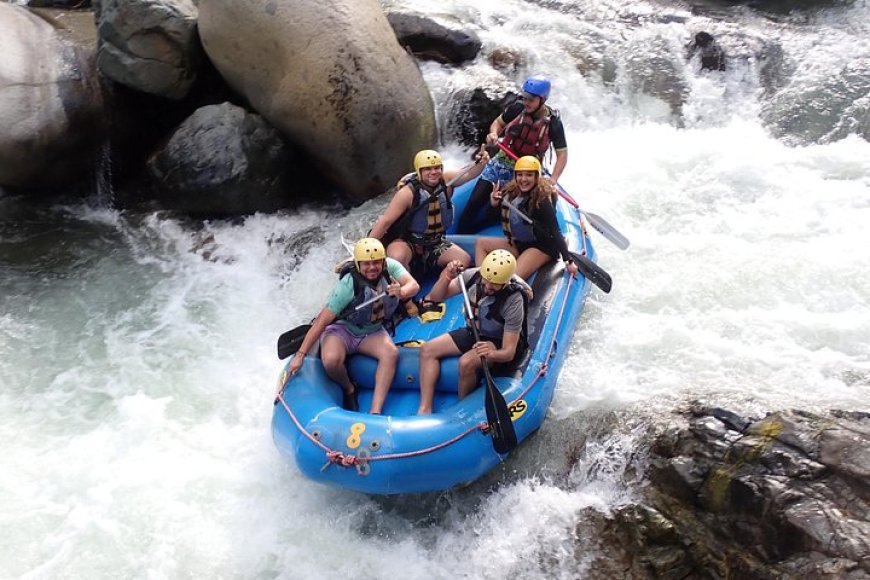
5. Go White-Water Rafting in the Dominican Republic
The Dominican Republic offers mountain adventures beyond its popular coastal resorts. Jarabacoa, located in the country’s central highlands, is known for river activities, waterfalls, hiking, and cooler mountain surroundings. Rafting on the Yaque Del Norte River gives travelers the opportunity to navigate moving water while experiencing a landscape very different from the country’s beach destinations.
The difficulty of a rafting trip depends on river levels, rainfall, the selected section, and the operator’s route. Beginners should book a guided trip designed for their experience level rather than choosing an excursion based only on promotional photographs. Safety equipment, a qualified guide, and a clear briefing about paddling commands are essential. Visitors can combine rafting with a trip to Salto de Jimenoa or another accessible waterfall, although travel times between attractions should be checked in advance. Jarabacoa is a strong choice for travelers who want active days away from crowded resort areas.
6. Snorkel with Marine Life in Tobago
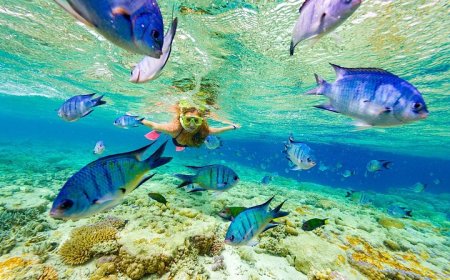
Tobago is an excellent option for travelers interested in exploring Caribbean marine ecosystems without necessarily taking a scuba course. Its coastal waters include coral reefs, rocky underwater areas, and habitats for tropical fish and other marine species. Buccoo Reef is among the island’s recognized marine attractions, and guided boat trips can provide access to snorkelling locations according to sea conditions.
A well-planned snorkelling excursion allows visitors to observe marine life while learning about reef conservation. Beginners should choose a trip with properly fitted masks, flotation equipment where needed, and a guide who explains currents and entry procedures. Avoid standing on coral, feeding wildlife, or collecting shells and marine organisms. Visibility can change with weather, waves, and local conditions, so the best time to visit a particular site should be confirmed with an experienced local operator. Travelers can also explore Tobago’s forest reserves and waterfalls to balance time in the water with inland adventures.
7. Hike the Waitukubuli National Trail in Dominica
The Waitukubuli National Trail offers a long-distance hiking experience across Dominica, connecting communities, forests, mountain areas, and coastal landscapes. The route is divided into sections, allowing travelers to complete a short hike or plan a more extensive trekking holiday. It is especially appealing to visitors who want to experience the island beyond its main tourist attractions.
The trail passes through varied terrain, so the difficulty depends on the selected segment, elevation changes, weather, and trail maintenance. Hikers should research current access, arrange local transport, and carry sufficient water, food, rain protection, and navigation information. Some sections may require a guide or advance planning, particularly when the route crosses remote areas. Rather than attempting the entire trail without preparation, travelers can choose stages that match their fitness and schedule. Dominica’s official tourism information identifies the trail as a major part of the island’s outdoor adventure offering.
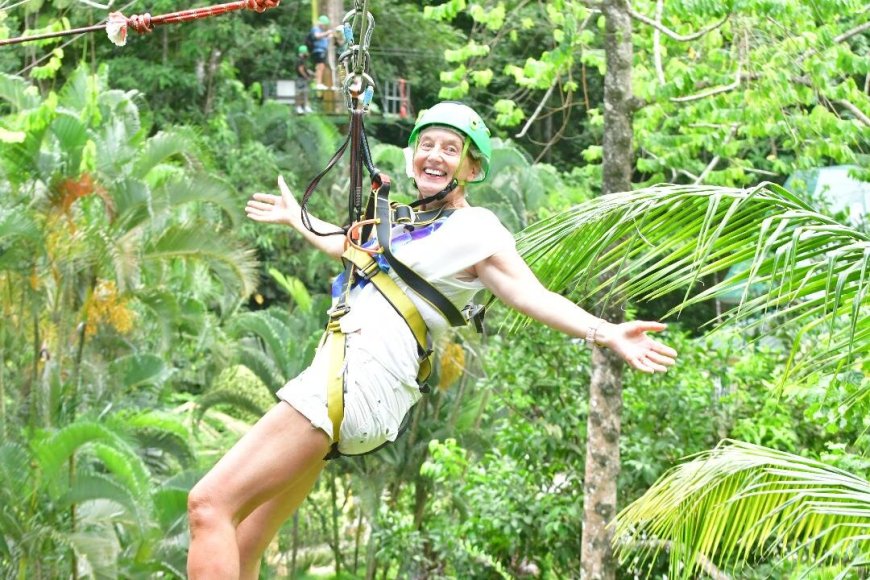
8. Zip-Line through a Tropical Rainforest in Saint Lucia
Saint Lucia combines forested mountains with coastal scenery, making it a suitable destination for visitors who want adventure without spending an entire day on a difficult trek. Zip-line tours allow participants to move between platforms above forest vegetation while wearing a safety harness attached to an overhead cable. Some excursions combine zip-lining with short nature walks or other outdoor activities.
Before booking, check the operator’s minimum age, weight restrictions, equipment standards, and rules for participants with mobility limitations or certain medical concerns. A professional briefing should explain how to use the harness, brake when required, and follow instructions at each platform. Wear closed-toe shoes and clothing that allows comfortable movement. Travelers who prefer a less adrenaline-focused activity can explore guided rainforest walks or scenic viewpoints around the island. Combining a morning zip-line excursion with an afternoon at the coast is a practical way to experience two different sides of Saint Lucia.
9. Go Surfing in Barbados
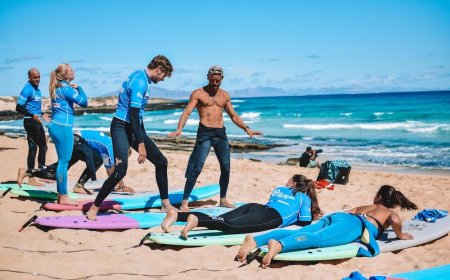
Barbados has a well-established surfing scene, with conditions that vary around the island. The Atlantic-facing east coast, including Bathsheba and the Soup Bowl area, is known for more powerful waves, while some other beaches may offer conditions better suited to lessons or less experienced surfers. This variety makes the island appealing to both experienced surfers and visitors who want to try the sport for the first time.
Beginners should book a lesson at a suitable location with a qualified instructor who can assess wave conditions and explain surf etiquette. Strong currents, reef formations, and changing swell can make some breaks unsuitable for inexperienced swimmers. Travelers should never assume that every tropical beach is safe for surfing simply because the water looks calm. Board rental, lessons, and transport costs should be considered when planning a budget. Barbados also offers snorkelling, wreck diving, hiking, and cycling, so visitors can create an active itinerary even if the surf conditions are not suitable during their stay.
10. Explore Jamaica’s Green Grotto Caves
Green Grotto Caves, on Jamaica’s northern coast, provide an underground adventure through limestone passages, chambers, and geological formations. Guided visits introduce travelers to the cave environment and its history, including its connections to earlier inhabitants and later periods of Jamaican history. The experience is a useful alternative to beach activities, especially on days when travelers want a break from direct sunlight.
Visitors should remain with their guide, use designated walkways, and avoid touching cave formations or disturbing wildlife. Cave interiors can be damp and slippery, so practical footwear is more useful than beach sandals. Ask about accessibility and the length of the tour before booking, particularly when travelling with young children or anyone who has difficulty walking on uneven surfaces. A cave visit can be paired with other attractions along Jamaica’s northern coast, but allow enough time for traffic and transfers between stops.
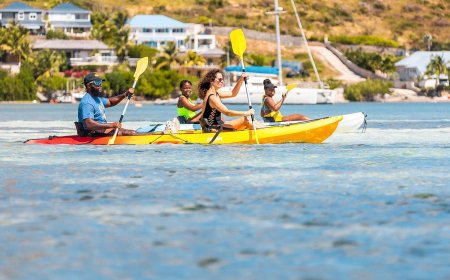
11. Kayak through Mangrove Forests in the Cayman Islands
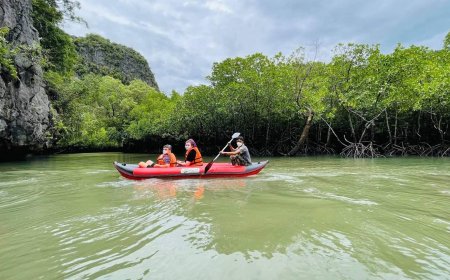
Mangrove kayaking provides a quieter adventure focused on wildlife and coastal ecosystems rather than speed. In the Cayman Islands, guided trips can take visitors through sheltered channels where mangrove roots create habitats for fish, birds, and other marine organisms. These environments also help protect coastlines and serve as important nursery areas for marine life.
Most guided excursions are suitable for beginners who can follow basic paddling instructions, although the route and conditions determine the level of effort required. Ask whether the tour provides kayaks, life jackets, dry bags, and instructions on entering and leaving the water safely. Avoid dragging boats through sensitive vegetation or disturbing animals along the route. Morning trips may offer comfortable temperatures, but weather and tide conditions should guide the final choice. This is a good activity for travelers who want to learn about the natural environment while enjoying an active outing at a manageable pace.
12. Hike to Pico Duarte in the Dominican Republic
Pico Duarte is the highest mountain in the Caribbean and a major goal for serious hikers visiting the Dominican Republic. The mountain lies in the Cordillera Central, and reaching its summit requires preparation for long walking days, changing temperatures, and remote trail conditions. Unlike a short viewpoint walk, this is a multi-day trekking objective for many visitors.
Travelers should arrange an established guided expedition and confirm the current route, permits, accommodation or camping arrangements, and transport to the trailhead. Fitness training before departure is important because the route involves sustained climbing and extended periods on foot. Temperatures at higher elevations can be much cooler than at the coast, particularly overnight, so warm layers and suitable rain protection are necessary. Pack light but carry the essential equipment recommended by the guide. Pico Duarte is best suited to travelers who are comfortable with physical challenges and can set aside sufficient time for the trek.
13. Take a Bamboo Raft Ride in Jamaica
Bamboo rafting on rivers such as the Martha Brae offers a slower-paced adventure that still connects visitors with Jamaica’s natural environment. A local raft captain guides the bamboo craft along the river, using a pole to steer through calm stretches while explaining aspects of the surrounding vegetation and local area. The experience focuses on scenery, conversation, and the rhythm of the river rather than rapid movement.
Although it is generally more relaxed than white-water rafting, visitors should still follow the operator’s safety instructions and check whether flotation equipment is provided. Water levels, rainfall, and river conditions can influence the route and availability. Confirm the duration, transport arrangements, and any additional charges before booking. Bamboo rafting can suit couples, families, and travelers who prefer an outdoor activity without demanding strenuous exercise. It also provides an opportunity to learn from local guides and support businesses connected to Jamaica’s tourism economy.
14. Discover Waterfalls and Rainforest Trails in Trinidad
Trinidad has a wide range of inland adventures, including waterfall hikes, forest walks, caves, and mountain routes. The Paria Bay and Waterfall excursion on the north coast is one example of a longer outing that combines coastal scenery with a forest trail. Other areas offer different levels of difficulty, making it possible to plan anything from a short nature walk to a more demanding day outdoors.
Hiking conditions can change quickly in tropical environments, particularly after heavy rain. Travelers should check the weather forecast, confirm trail access with a reputable guide, and avoid river crossings when water levels are rising. Carry drinking water, snacks, insect protection, and suitable shoes with good grip. Some routes involve remote sections where mobile coverage may be limited, so travelers should not leave their plans entirely to chance. Trinidad’s inland landscape is a good reminder that Caribbean adventure travel can involve forests and rivers as much as beaches.
15. Go Horseback Riding Along the Coast in Tobago?
Horseback riding offers a way to experience Tobago’s coastal scenery at a slower pace. Some local operators offer rides along beaches or through countryside, while particular excursions may include carefully supervised opportunities to enter shallow water with the horses. The exact route depends on the operator, the condition of the beach, local regulations, and the animals’ welfare requirements.
Choose a provider that matches horses to riders’ experience levels and supplies appropriate helmets and safety instructions. Ask whether beginners are welcome, how long the ride lasts, and whether the route includes uneven ground or water crossings. Travelers should not pressure an operator to take horses into the sea if conditions are unsuitable. A responsible ride should prioritize the health of the animals and the safety of participants. This activity is a good choice for visitors who want an outdoor experience that combines scenery, local knowledge, and a different perspective on the island.
16. Take a Catamaran Trip to Saona Island
Saona Island, off the south-eastern coast of the Dominican Republic, is a popular excursion for visitors staying around Punta Cana and nearby resort areas. Many tours combine boat travel, beach time, swimming stops, and opportunities to see coastal landscapes. Depending on the package, transport may involve a speedboat, catamaran, or a combination of vessels.
Because Saona Island is associated with protected coastal environments, travelers should select operators that follow local rules and avoid damaging sea grass beds or disturbing wildlife. Confirm whether meals, drinks, transfers, and park-related charges are included in the price. Sea conditions can affect travel time and the availability of particular stops. Travelers who prefer a quieter experience may wish to compare smaller-group tours with larger excursions before booking. This adventure is particularly convenient for people who want a full day on the water without needing scuba certification or advanced outdoor skills.
17. Try Kite surfing in the Dominican Republic
The Dominican Republic attracts water-sports enthusiasts, particularly around destinations such as Cabarete, where wind and beach conditions support kite surfing. The sport combines a large controllable kite with a board, allowing riders to travel across the water using wind power. It offers a challenging activity for travelers who enjoy learning a technical skill rather than simply joining a one-time excursion.
First-time participants should begin with professional instruction and practice kite control on land before entering the water. Lessons generally cover wind direction, launch and landing procedures, equipment handling, and emergency responses. Conditions can change, and strong winds can create serious hazards for inexperienced riders. Ask the school about instructor qualifications, lesson duration, equipment, and weather-related cancellation policies. Even if you do not become proficient during a short holiday, an introductory course can provide a useful understanding of the sport and help you decide whether to continue learning.
18. Go Bird watching in Jamaica’s Blue Mountains
Adventure does not always mean speed, height, or physical risk. Bird watching in Jamaica’s Blue Mountains provides an opportunity to explore forest habitats while looking for native and endemic bird species. The region’s elevation and vegetation create different habitats from those found along the coast, making it interesting for nature enthusiasts and photographers.
A guided early-morning walk can help visitors identify bird calls and find suitable viewing locations without disturbing wildlife. Bring binoculars, comfortable walking shoes, drinking water, and a camera with a suitable zoom lens if you want photographs. Keep a respectful distance from nests and avoid playing bird calls loudly to attract birds. Trails may be wet or muddy, so footwear and weather protection matter even on relatively short walks. Bird watching can be combined with visits to local coffee-growing areas, offering a broader understanding of the Blue Mountains and the communities that live there.
19. Go Sea Kayaking along Dominica’s Coast
Dominica’s mountainous landscape continues beneath the sea, creating coastal scenery that can include steep cliffs, small coves, and volcanic rock formations. Sea kayaking gives travelers a closer look at the coastline than they might get from a road or a large boat. Depending on the route and sea conditions, a guided trip may include sheltered bays, coastal villages, and stops for swimming or snorkelling.
The experience requires attention to wind, waves, currents, and the distance from shore. Beginners should choose a sheltered route with a qualified guide and suitable flotation equipment rather than attempting an exposed coastal crossing independently. Check whether the operator provides dry bags and explains what happens if conditions deteriorate. Bring sun protection and drinking water, and follow instructions about approaching sensitive marine habitats. Dominica’s official tourism resources also highlight its coastal sea-trail experiences, making the island especially attractive to travelers who want to combine paddling with hiking and rainforest exploration.
20. Take a Guided ATV or Off-Road Adventure
Off-road excursions are available in several Caribbean destinations, including parts of Jamaica, the Dominican Republic, and Barbados. Depending on the location, tours may travel along designated dirt tracks, countryside routes, or selected rural trails. They can provide a different view of the landscape, taking visitors away from the main beach areas and into agricultural or less-developed surroundings.
Before booking, check the vehicle type, driving requirements, age restrictions, insurance terms and whether the tour is guided or self-driven. Some excursions require a valid driving licence, and passengers may have different eligibility requirements. Wear the protective equipment provided, follow the designated route, and never drive under the influence of alcohol. Ask how the company manages dust, noise, waste, and access to environmentally sensitive areas. A responsible off-road trip should provide an enjoyable experience without damaging local communities or natural habitats.
How to Plan a Caribbean Adventure Holiday in 2026
Choose the Right Island for Your Interests
Not every island offers the same type of adventure, so begin by identifying the activities that matter most to you. Dominica is particularly suitable for rainforest trekking, waterfalls, and volcanic landscapes, while Jamaica offers a broad mix of river excursions, caves, beaches, and cultural experiences. The Dominican Republic is a strong choice for mountain trekking, rafting, and kite surfing, while Tobago and the Cayman Islands are attractive for marine activities and wildlife experiences.
If you want to combine several activities, consider how far apart the attractions are and how much time transport will require. An island that looks small on a map may have winding roads, limited public transport, or boat schedules that affect your itinerary. Staying in two different areas can sometimes make sense for a longer trip, but changing hotels every night may reduce the time available for activities. Build your plan around realistic travel times instead of trying to fit every attraction into one holiday.
Set a Realistic Adventure Budget
The total cost of an adventure holiday includes more than flights and accommodation. Guided tours, park entry charges, equipment rental, transfers, meals, travel insurance, and tips can add substantially to the final budget. Activities such as a multi-day mountain trek or certified scuba diving may require additional equipment, instruction, and transport arrangements.
Compare tour prices carefully and confirm what each package includes. A lower advertised rate may exclude transfers, equipment, or meals, while a more expensive option might include several of these services. Booking directly with an established local operator can help clarify the details, but travelers should still check recent reviews, safety procedures, and cancellation policies. Keep a reserve for weather-related changes because some sea and outdoor activities cannot operate safely every day.
Consider Weather and Seasonal Conditions
The Caribbean’s tropical climate means that rain, wind, heat, and sea conditions can affect outdoor plans. The Atlantic hurricane season officially runs from June 1 through November 30, although conditions vary by year and location. This does not mean that every island will experience a storm during that period, but travelers should monitor official forecasts and understand their airline, accommodation, and tour cancellation policies.
For hiking, heavy rain can make steep trails and river crossings dangerous. For diving, snorkelling, kayaking, and boat trips, wind and waves may lead to cancellations or changes of route. Avoid scheduling your most important activity for the final day of your holiday, when a cancellation may leave no opportunity to reschedule. Leave flexibility in your itinerary and follow local authorities’ advice whenever weather conditions become hazardous.
Travel Responsibly and Protect the Environment
The natural environments that make Caribbean adventures attractive can be vulnerable to pollution, coastal development, and damage from careless tourism. Coral reefs can be harmed by touching, standing on, or breaking coral, while careless wildlife encounters may disrupt feeding and breeding behaviour. Choose operators that explain conservation rules and follow local regulations for marine parks, forests, and protected areas.
Use reusable water bottles where practical, carry waste back to appropriate disposal points, and avoid purchasing products made from protected wildlife or coral. When hiking, stay on established trails and respect private property and community rules. Support local guides and small businesses when possible, particularly in rural areas where tourism income can benefit local livelihoods. Responsible choices help protect the places that travelers come to experience.
Essential Safety Tips for Caribbean Adventures
Outdoor activities are rewarding when they are matched to your ability and planned with care. Check the difficulty level before booking, and be honest about your fitness, swimming ability, and previous experience. Use qualified guides for challenging hikes, technical water sports, cave excursions, and other activities where local knowledge or specialist equipment is important.
Carry drinking water, sun protection, insect repellent, suitable footwear, and any personal medication you may need. Wear a life jacket when required, follow equipment instructions, and never enter dangerous water or geothermal areas because other visitors appear to be doing so. Scuba divers should follow certification requirements and recognized diving safety practices. Travelers should also review their insurance coverage to ensure it includes the specific activities they plan to undertake.
Finally, save local emergency numbers, share your itinerary with someone you trust, and check official travel and weather information before setting out. If a guide or operator cancels an excursion because conditions are unsafe, treat that decision seriously rather than looking for an unqualified alternative.
Conclusion
The Caribbean offers much more than a beach holiday. From climbing Dunn’s River Falls in Jamaica and exploring Dominica’s volcanic interior to diving in the Cayman Islands and kayaking along Tobago’s coast, the region provides a wide range of outdoor experiences for different interests and ability levels. Some adventures require serious preparation, while others can fit comfortably into a single day during a relaxing vacation.
The best adventure holiday is not necessarily the one with the most activities. It is the one that matches your interests, allows enough time to explore safely, and creates opportunities to learn about local communities and natural environments. For 2026, plan ahead, compare operators carefully, monitor weather conditions, and make responsible choices. With the right preparation, a Caribbean trip can become a memorable journey filled with exploration, learning, and genuine outdoor adventure.
What's Your Reaction?
 Like
0
 Dislike
0
 Love
0
 Funny
0
 Angry
0
 Sad
0
 Wow
0