


























Best Caribbean Islands for Real Estate Investment in 2026
The Caribbean offers a range of real estate investment opportunities, from beachfront villas and holiday rentals to residential properties and long-term rental homes. Popular destinations include the Dominican Republic, Barbados, the Bahamas, Jamaica, Antigua and Barbuda, Grenada, Saint Lucia, the Cayman Islands, Belize, and Saint Kitts and Nevis. Each market has different property prices, rental demand, taxes, ownership rules, and investment opportunities.

Real estate in the Caribbean attracts international buyers looking for holiday homes, rental income, retirement properties, and long-term investment opportunities. However, the Caribbean is not one uniform property market. An apartment near a busy tourist area, a beachfront villa, a family home in a residential community, and a property connected to a citizenship-by-investment programme all involve different costs, risks, and legal requirements.

In 2026, investors should consider more than the advertised purchase price. Tourism demand, international flight connections, property taxes, insurance premiums, maintenance costs, rental regulations, and resale potential can all affect the final return. Foreign buyers must also understand the ownership rules of their chosen destination. The following Caribbean locations offer different investment possibilities, but no island or property guarantees rental income or capital appreciation.
1. Dominican Republic: Best for a Wide Range of Property Budgets
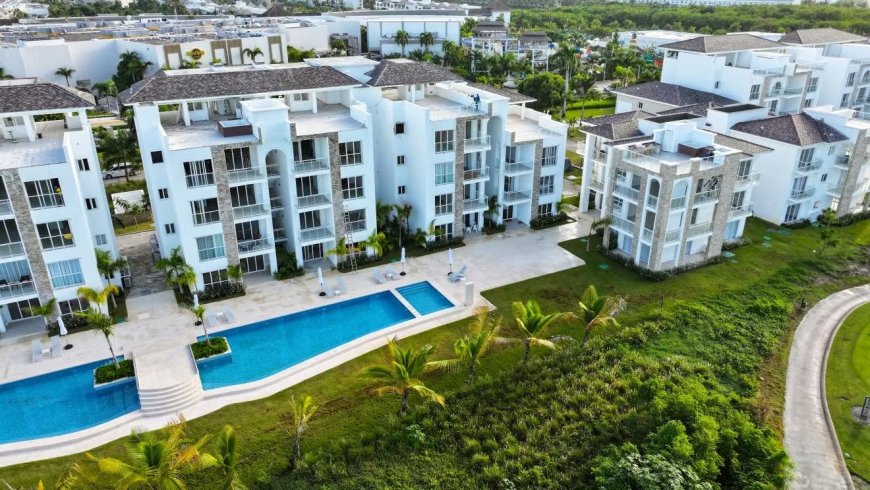
The Dominican Republic is one of the Caribbean's major tourism markets and offers a broad selection of apartments, condominiums, villas, resort properties, and residential homes. Punta Cana attracts buyers interested in holiday rentals, while Santo Domingo offers a larger urban market with residential and commercial demand beyond tourism. Las Terrenas and Puerto Plata are also worth researching for buyers seeking coastal properties and access to local communities.
Foreign individuals can generally purchase property under the Dominican Republic's property ownership framework, but legal due diligence remains essential. Buyers should verify the registered title, check for liens and unpaid taxes, obtain an independent survey, and confirm that the seller has the legal right to transfer the property. Investors planning short-term rentals should also investigate local rules, property management charges, cleaning costs, maintenance, and seasonal occupancy. A realistic income forecast is more valuable than a developer's best-case rental projection.
2. Barbados: Best for Established Residential and Premium Property Markets
Barbados appeals to buyers seeking an established tourism destination, a sizable expatriate community, and properties ranging from apartments to high-value villas. The west coast is known for premium residential and holiday properties, while the south coast offers a mixture of apartments, guest accommodation, and homes close to restaurants and services. Bridgetown and surrounding communities may be more suitable for buyers interested in residential demand beyond seasonal tourism.
Foreign buyers should understand Barbados' property purchase and foreign-exchange procedures before making an offer. Non-residents generally need permission to purchase local real estate, and the relevant Central Bank requirements should be confirmed with a qualified local attorney. Investors must also calculate land tax, legal fees, insurance, maintenance, and property management expenses. Barbados can be worth considering for long-term ownership, but a high purchase price does not automatically produce a strong rental return.

3. The Bahamas: Best for Luxury Homes and Island-Lifestyle Properties
The Bahamas offers a varied property market, from apartments and family homes in New Providence to waterfront villas and second homes on the Out Islands. Nassau and Paradise Island attract buyers who want access to restaurants, international connections, tourism facilities, and established services. Other islands may provide more privacy, but buyers should check the availability of contractors, utilities, healthcare, and transportation before choosing a remote location.
Investors need to consider property taxes, insurance, storm exposure, building quality, and the costs of maintaining a home in a marine environment. Waterfront properties may attract premium rental rates, but hurricanes, coastal erosion, salt corrosion, and expensive repairs can affect profitability. Buyers should review the property's condition and obtain suitable insurance quotations before completing a purchase. Rental forecasts should also account for seasonal demand, management fees, and periods when the owner plans to use the property personally.

4. Jamaica: Best for Tourism Rentals and Lifestyle Buyers
Jamaica attracts property buyers through its tourism industry, international airport connections, cultural attractions, and range of residential locations. Montego Bay is worth researching for properties aimed at visitors, while Kingston has an urban market supported by employment, education, and business activity. Negril and Ocho Rios appeal to different types of holidaymakers, so the best location depends on whether the investor wants a short-term rental, a long-term tenant, or a personal residence.
Investors should investigate ownership records, planning permission, building approvals, utility access, insurance availability, and the rules governing the intended rental activity. A property that initially appears inexpensive may require substantial repairs, security improvements, backup water storage, or storm protection. Before buying, ask local property managers for realistic estimates covering occupancy, cleaning, repairs, commissions, and the cost of preparing a property between guests. These expenses can make a significant difference to the final return.
5. Antigua and Barbuda: Best for Villa Rentals and Premium Tourism
Antigua and Barbuda is worth considering for investors interested in villa rentals, second homes, and tourism-related property. Antigua has an established visitor economy, marinas, restaurants, and coastal attractions that support holiday accommodation. Barbuda has a different, lower-density market, where infrastructure, access, development restrictions, and environmental considerations require careful investigation.
The country also operates a citizenship-by-investment programme with an approved real estate option. However, buying an ordinary property does not automatically qualify someone for citizenship. Only eligible investments that meet the programme's official requirements can qualify. Investors should confirm current minimum investment amounts, government fees, holding periods, and approval conditions through official sources before proceeding. The property should still make financial sense based on its location, realistic rental income, operating expenses, and resale prospects.

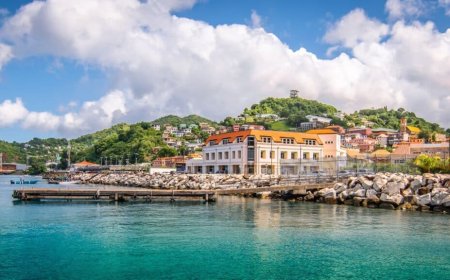
6. Grenada: Best for Lifestyle Properties and Approved Developments
Grenada attracts buyers interested in a smaller-island lifestyle, residential homes, villas, and tourism-related investments. St. George's and nearby communities provides access to services and employment, while coastal and hillside locations may appeal to second-home owners. Investors considering holiday rentals should examine visitor demand, transportation, local management services, and competition from comparable properties.
Grenada also operates a citizenship-by-investment programme that includes an approved real estate route. This is different from buying an ordinary property on the open market. Buyers must verify that a specific development is eligible, understand the current investment threshold and associated fees, and check any required holding period. Some approved developments may have different pricing and resale conditions from conventional residential properties. Independent legal advice and a conservative rental forecast are important before committing funds.

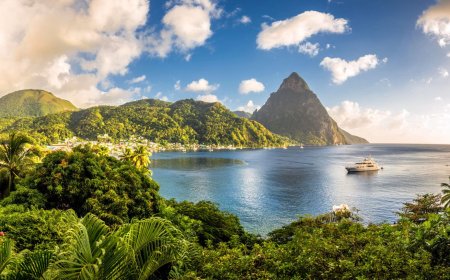
7. Saint Lucia: Best for Scenic Villas and Tourism-Linked Investments
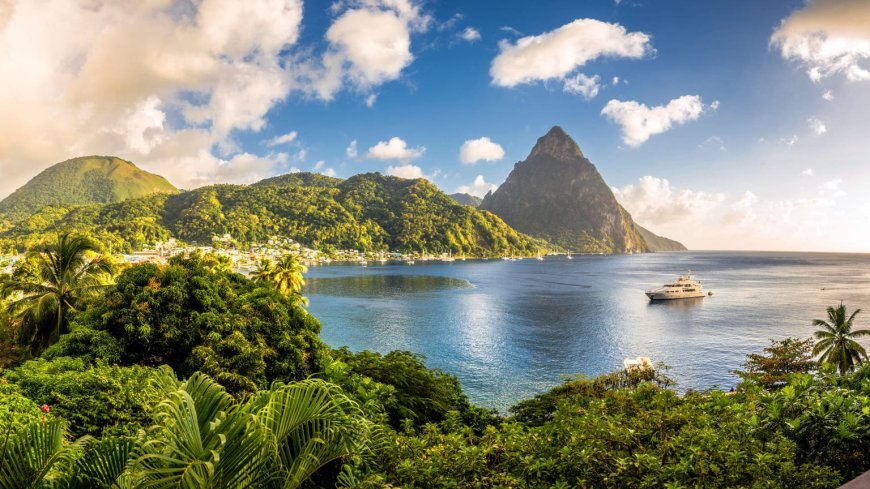
Saint Lucia is known for its mountainous scenery, coastal resorts, and properties aimed at holidaymakers and second-home buyers. Rodney Bay and the northern coast provide access to restaurants, marinas, shopping, and visitor services, while the Soufriere area attracts buyers interested in mountain views and natural attractions. Villas with private pools may appeal to holiday renters, but construction quality, road access, water supply, and maintenance costs vary by location.
Saint Lucia has a citizenship-by-investment programme with a real estate option for eligible approved developments. Buyers should confirm the current minimum investment, processing fees, professional charges, and holding requirements directly through official channels. A scenic property is not automatically a profitable investment. Before purchasing, compare similar properties, estimate realistic occupancy, calculate ongoing expenses, and assess whether the property can attract visitors beyond the busiest tourism periods.
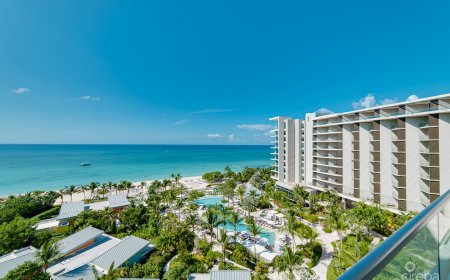
8. Cayman Islands: Best for High-Value Property Investment
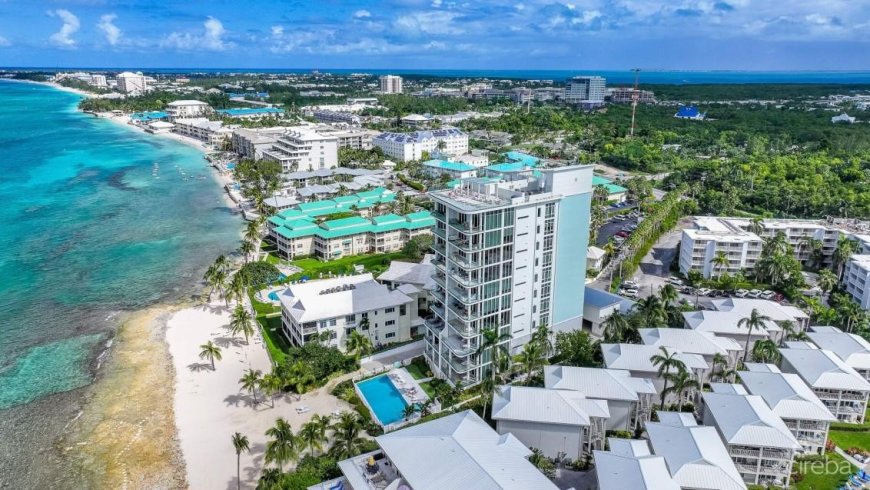
The Cayman Islands may appeal to investors seeking a high-value property market supported by international business activity and established tourism. Grand Cayman offers condominiums, residential homes, and luxury properties, including accommodation near Seven Mile Beach. Demand can come from residents, professionals, and visitors, although each group has different property requirements and price expectations.
The cost of entering this market can be high, making it less suitable for buyers with limited budgets. Investors should compare purchase costs, insurance, condominium fees, property management expenses, and regulations governing rental arrangements. A high-priced property can still deliver a weak return if the purchase price is excessive or operating costs are underestimated. Independent legal and tax advice can help buyers understand the rules and evaluate whether the potential net return justifies the investment.
9. Belize: Best for Nature-Focused and Coastal Properties
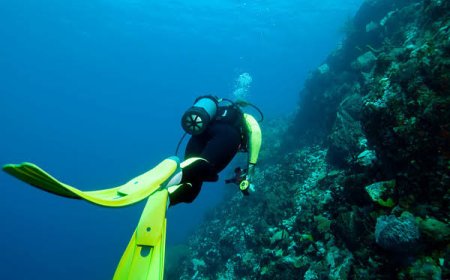
Belize is worth exploring for buyers interested in coastal homes, island properties, nature tourism, and a lifestyle connected to the sea. Although Belize is not an island nation, its Caribbean coastline and offshore cayes make it relevant to the wider Caribbean property market. Placencia, Ambergris Caye, and areas around Belize City serve different markets, from holiday accommodation to residential homes and properties aimed at divers.
Foreign buyers should check land registration, ownership rules, property taxes, closing expenses, and any restrictions applying to the particular transaction. Coastal properties need special attention to storm exposure, erosion, drainage, and construction standards. In smaller cases, repairs and building materials may cost more because transport and skilled contractors can be limited. An independent valuation and legal title review should be completed before the buyer transfers a substantial deposit.
10. Saint Kitts and Nevis: Best for Approved Investment Developments
Saint Kitts and Nevis offers residential homes, resort-linked accommodation, and properties designed for second-home buyers. Saint Kitts has more commercial and tourism activity in some areas, while Nevis appeals to buyers seeking a smaller-scale residential environment. Investors should consider access to services, likely tenants, property management arrangements, and how easily the property can be resold.
The country operates a citizenship-by-investment programme that includes an approved real estate option. Minimum investments, government fees, eligibility conditions, and holding requirements depend on current official rules. Buyers should verify that the specific development is eligible and understand any resale restrictions before committing funds. They should also compare the purchase price with similar properties outside the programme. Citizenship-related benefits should be evaluated separately from rental income and long-term resale value.

How to Evaluate a Caribbean Property Investment in 2026
Choosing an island is only the first step. Investors must determine whether a particular property makes financial sense after all expenses are included. Compare similar properties, review recent sales where available, and request evidence supporting projected rental income. If a developer promises a fixed return, examine who is responsible for paying it, how long the promise lasts, what conditions apply, and whether it is legally enforceable.
Before making an offer, consider these essential factors:
Purchase and closing costs: Include legal fees, transfer taxes, registration, surveys, inspections, and any foreign-buyer permissions.
Rental income: Estimate achievable nightly rates and occupancy using comparable properties instead of relying on optimistic sales forecasts.
Operating expenses: Include insurance, cleaning, property management, utilities, repairs, taxes, condominium fees, and periods without tenants.
Weather and insurance: Check hurricane exposure, flood risk, drainage, roof condition, and the availability of appropriate insurance.
Resale potential: Consider the number of likely buyers, the property's location, infrastructure, and the cost of selling.
Legal compliance: Confirm title, planning approval, permitted land use, rental licences, tax obligations, and any restrictions on foreign ownership or currency transfers.
Understand Gross Rental Yield and Net Return
Gross rental yield is the annual rental income divided by the property's purchase price. For example, a property purchased for $300,000 that generates $24,000 in annual rent has a gross yield of 8%. However, if annual operating expenses total $10,000, the remaining $14,000 represents a yield of approximately 4.7% before financing costs, income taxes, and major capital repairs.
Investors should also distinguish rental return from capital appreciation. A property may earn modest rental income while increasing in value or it may generate rental income without appreciating significantly. Neither outcome is guaranteed. Use conservative assumptions and calculate how the investment would perform if occupancy fell, insurance premiums rose, or repairs cost more than expected.
Common Mistakes Foreign Buyers Should Avoid
One of the biggest mistakes is buying a property after seeing attractive photographs or visiting during peak tourism season. A location that feels busy in winter may experience lower demand during other months, while a residential neighbourhood may offer more consistent long-term rental demand than a seasonal resort. Investors should research the area, speak to independent property managers, and understand local demand before committing money.
Another mistake is underestimating the challenges of managing property from overseas. Repairs may take longer, contractors may be difficult to schedule, utilities can be unreliable in some locations, and insurance exclusions may expose owners to substantial costs. Never transfer a large deposit without verifying the seller, property title, escrow arrangements, and legal documents. Use an independent local attorney who represents your interests rather than relying exclusively on the developer's recommended professionals.
What's Your Reaction?
 Like
0
Like
0
 Dislike
0
Dislike
0
 Love
0
Love
0
 Funny
0
Funny
0
 Angry
0
Angry
0
 Sad
0
Sad
0
 Wow
0
Wow
0