
































Real Estate Through Timeshare Conversions
Timeshare conversions are creating a connection between vacation ownership and the wider real estate market. A property originally developed as a timeshare can sometimes be repositioned as a conventional condominium, fractional ownership project, vacation home, or another type of real estate. The process can involve major changes to ownership rights, property management, financing, renovations, and legal arrangements. Deeded timeshares can represent real property interests, while right-to-use and points-based programs may provide contractual vacation rights rather than direct ownership of real estate.

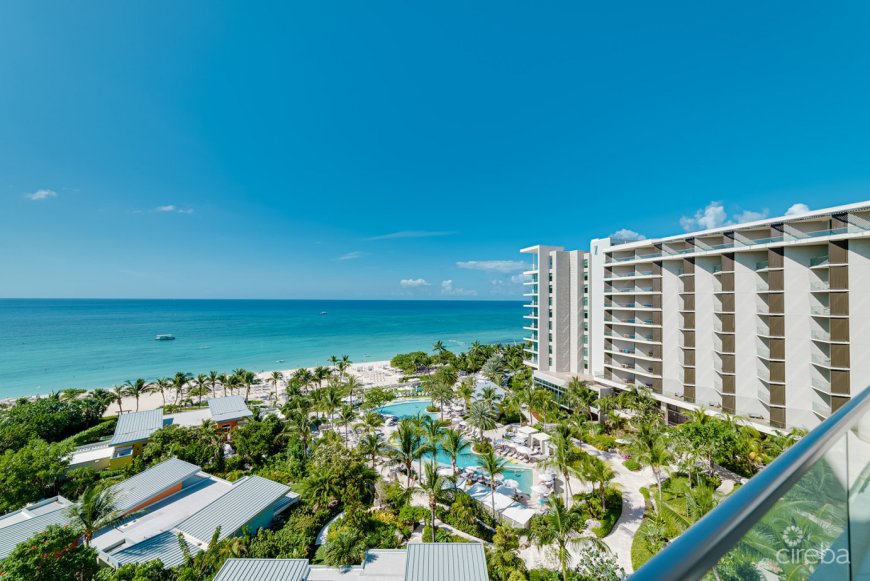

Timeshares have traditionally been associated with vacation ownership rather than conventional real estate. Instead of buying an entire property, buyers purchase the right to use a resort unit for a particular period each year or receive points that can be exchanged for stays at participating properties. But the relationship between timeshares and real estate is changing. In some markets, resort properties originally developed for shared vacation ownership are being converted into condominiums, whole-ownership vacation homes, fractional ownership projects, or other forms of real estate.

This creates an interesting connection between the vacation-ownership industry and the broader property market. A resort that once depended on hundreds of owners paying annual maintenance fees may eventually be repositioned as a conventional residential or hospitality development. At the same time, developers can take existing resort buildings, renovate them and sell individual units to buyers who want more control over the property. A recent example in Texas involves the conversion of a former timeshare resort in Canyon Lake into a condominium project, showing that this model continues to attract developers in 2026.
The concept is not entirely new. For years, developers have looked at ways to reuse resort and condominium inventory when the original ownership structure no longer fits market conditions. What has changed is the range of options available. Rising operating costs, changing consumer preferences, demand for short-term rentals and the growing interest in flexible vacation properties can all influence whether a timeshare property remains in shared ownership or moves toward another real estate model.
What Is a Timeshare Conversion?
A timeshare conversion generally means changing the ownership or operating structure of a property that has been divided into vacation intervals. The exact process depends on the property, its legal structure, local laws, existing owners and the developer's plans.
Traditional deeded timeshares can give owners a real estate interest in a specific unit or interval, while right-to-use arrangements provide contractual access without giving the purchaser a deed to the property. Points-based vacation clubs work differently again, with owners receiving points that can be used for reservations within a particular system. These differences matter because a conversion cannot simply be treated as changing the name on a property document. The rights of existing owners, resort associations, lenders, management companies and developers all have to be considered.
In a conventional timeshare development, a unit might be divided among dozens or even hundreds of ownership interests over different weeks or points allocations. If the property is converted to whole ownership, those interests have to be addressed before a developer can sell the unit as a conventional condominium. Depending on the legal structure, this may involve purchases of existing interests, agreements with owners, association decisions, restructuring of property rights and compliance with local real estate regulations.
This is why timeshare conversion is fundamentally both a real estate and legal exercise. The physical building may remain largely the same, but the ownership structure can change significantly.
Why Developers Consider Converting Timeshare Properties
One of the main reasons for a conversion is that the original business model may no longer produce the desired financial results. A resort can remain physically attractive while its timeshare structure becomes difficult to operate. Maintenance costs can rise, buildings can require major capital improvements and consumer preferences can change over time.
Timeshare owners are also responsible for recurring costs. Maintenance fees, assessments, taxes and other charges can become an important part of the ownership decision. Government consumer guidance has warned buyers that vacation-ownership plans should not automatically be viewed as traditional real estate investments and that resale prices can be substantially lower than original purchase prices.
For a developer, converting a property can provide another route to generate value. Instead of continuing to sell or manage individual vacation intervals, the developer may reposition the property for conventional condominium buyers, vacation-home owners or investors.
A conversion can also make sense when the surrounding real estate market has changed. A resort that was originally developed for timeshare ownership may be located in a destination where demand for individually owned vacation homes has increased. If buyers are willing to pay more for full ownership, a developer may see an opportunity to renovate the property and sell units individually.
The current Texas example illustrates this approach. KC Hospitality and Currier & Company Development are converting the former Holiday Inn Club Vacations Hill Country Resort at Canyon Lake into Limestone Landing, a condominium project with 72 two-bedroom, two-bath units. The developers are also investing in property improvements and repositioning the resort for vacation-home buyers and potential short-term rental investors.
From Shared Vacation Ownership to Conventional Real Estate
The biggest difference between a timeshare and conventional real estate is the level of ownership and control.
A traditional timeshare buyer may receive the right to occupy a unit for a particular week or a number of points each year. That can work well for someone who wants predictable vacation access without purchasing an entire property. But the owner generally does not have the same freedom as someone who owns a complete condominium.
With whole ownership, the buyer generally has a specific real estate interest in the property. Subject to local laws, condominium rules, financing terms and association restrictions, the owner may be able to occupy the property, rent it, sell it or leave it to heirs.
That difference is one reason conversions can attract buyers who have little interest in the traditional timeshare model. A person who wants a vacation property but does not want to manage points or coordinate annual usage may prefer a conventional condominium.
However, whole ownership does not automatically mean that a property is a better investment. Location, purchase price, operating expenses, property taxes, insurance, rental restrictions, financing costs and resale demand remain important. A converted resort can have a new ownership structure without becoming a guaranteed investment.
The Role of Fractional Ownership
Not every conversion has to move from timeshare directly to full ownership.
Fractional ownership can occupy a middle ground. Instead of dividing a property into dozens of vacation weeks, a developer can sell larger ownership shares to a smaller number of buyers. Each owner receives rights based on the fractional agreement, often involving scheduled use periods and shared expenses.
For example, a property might have four or eight fractional owners rather than hundreds of timeshare owners. This can reduce the number of people involved in the ownership structure while allowing buyers to acquire access to a high-value vacation property without paying the entire purchase price.
Fractional ownership has long been used in destination markets, particularly for vacation residences and resort properties. Hospitality industry research has described whole ownership, fractional ownership and timeshare as different forms of real estate ownership associated with destination resorts.
The important point is that fractional ownership is still different from buying an ordinary condominium. The buyer must understand exactly what is being purchased, how use is scheduled, how expenses are divided and what happens when an owner wants to sell.
Converting Timeshare Resorts into Condominiums
Condominium conversion is one of the clearest examples of how timeshare assets can move into the wider real estate market.
The process normally starts with an assessment of the existing property. Developers look at the building's condition, location, unit sizes, amenities, market demand and legal ownership structure. They then determine whether the property can be repositioned for conventional buyers.
Renovation can be a major part of the process. Kitchens, bathrooms, flooring, electrical systems, plumbing, exteriors and common areas may need improvements. Developers may also update swimming pools, recreational facilities, parking areas and landscaping.
The objective is not always to rebuild the property. In many cases, the existing resort infrastructure is an important part of the value. A conversion can therefore involve taking an existing vacation property and adapting it to meet the expectations of today's residential buyers.
In the Canyon Lake project, for example, the developers are investing in improvements including exterior upgrades, a resort-style pool, sports facilities, barbecue areas and a playground. The project demonstrates how an existing vacation property can be repositioned rather than simply abandoned or demolished.
What Happens to Existing Timeshare Owners?
This is one of the most complicated parts of any conversion.
Existing owners cannot simply be ignored because the developer wants to change the property's business model. Their legal rights depend on the ownership documents, applicable state or local laws, association rules and the specific conversion agreement.
Some projects may involve buying out existing interests. Others may offer owners alternative accommodations, compensation, replacement interests or other arrangements. In certain circumstances, owners may be asked to vote on significant changes through their homeowners' or timeshare associations.
Owners should therefore read the actual documents rather than relying on verbal explanations. The financial outcome can be very different depending on whether an owner has a deeded interest, a right-to-use contract or a points-based membership.
This issue is particularly important because a timeshare interest and a conventional residential property are not interchangeable assets. A person who paid a substantial amount for a vacation-ownership product should not assume that a later conversion automatically gives them an equivalent amount of conventional real estate.
The Growing Importance of Maintenance Costs
Operating costs are becoming an important factor in the economics of resort real estate.
Timeshare properties need regular maintenance just like hotels and condominiums. Roofs, elevators, air-conditioning systems, pools, and landscaping, roads, plumbing and common areas all require ongoing investment. Older resorts can face significant capital expenditure requirements.
For timeshare owners, those costs are often reflected in annual maintenance fees or special assessments. For developers considering a conversion, they become part of the financial calculation.
A conversion may offer an opportunity to renovate the property and create a new revenue model. But renovation itself can be expensive. The developer must determine whether the expected sales value of the converted units justifies acquisition, legal, renovation, financing and marketing costs.
This is why not every timeshare resort is suitable for conversion. A strong location alone is not enough. The building's condition, title structure, local regulations and demand for the proposed new product all matter.
Timeshare Points and Real Estate Are Not the Same Thing
Modern vacation clubs have made the relationship between timeshare and real estate even more complicated.
Many vacation-ownership programs now use points rather than a fixed week. Points can provide greater flexibility because owners may be able to choose different destinations, dates and accommodation sizes. Some programs also allow exchanges into hotels, cruises or other travel experiences.
Industry material has described these conversions as a form of vacation currency, allowing owners to exchange their timeshare usage for other travel products.
But points should not automatically be treated as conventional real estate. Depending on the program, the owner may not own a specific piece of property. Instead, the purchase may provide contractual or membership rights within a vacation club.
That distinction becomes especially important when someone considers selling, transferring or converting an existing ownership interest.
Opportunities for Real Estate Investors
For real estate investors and developers, timeshare conversions can offer an unusual acquisition opportunity.
A property may already have buildings, roads, utilities, recreational facilities and an established tourist location. Acquiring and repositioning such a property can sometimes be faster than starting a new development from undeveloped land.
The challenge is that the existing ownership structure can be complicated. Developers may need to negotiate with multiple stakeholders and resolve existing obligations before redevelopment can begin.
There is also the question of the property's future use. A developer may decide to create conventional condominiums, a hotel, rental apartments, vacation homes or another hospitality product. Each option has different zoning, financing, and operating and tax implications.
For investors considering this sector, the key is to look beyond the physical property. The legal structure can be just as important as the building itself.
What Buyers Should Check Before Purchasing a Converted Property?
Buyers considering a property that was previously operated as a timeshare should conduct the same due diligence they would perform on any other real estate purchase, while paying additional attention to the property's history.
First, check the title and ownership documents. Confirm that the property being sold is actually a conventional real estate interest and understand what restrictions apply.
Second, examine the homeowners' association documents. Resort-style condominiums can have significant monthly association fees because they maintain pools, recreational facilities, landscaping and other amenities.
Third, investigate rental rules. A property marketed as an attractive vacation rental may have restrictions on short-term rentals. Local governments and condominium associations can impose rules that affect how frequently a unit can be rented.
Fourth, examine the property's physical condition. A recent conversion does not necessarily mean every component of the building is new. Buyers should understand what was renovated and what remains from the original resort.
Finally, compare the price with similar conventional properties in the same market. The fact that a unit came from a timeshare conversion does not automatically make it cheaper or more valuable.
What the Future Could Look Like
Timeshare conversions are likely to remain part of the broader resort real estate market because tourism destinations constantly change. A property designed for one generation of vacation buyers may eventually need a different business model to remain financially viable.
At the same time, the demand for vacation homes, flexible accommodation and short-term rental properties continues to influence resort markets. Developers therefore have several options when evaluating older vacation-ownership assets.
Some properties will remain timeshares and be renovated for existing owners. Others may move toward points-based vacation clubs. Some may become fractional developments, while others may be converted into conventional condominiums or other real estate products.
The most important factor is not the label attached to the property. It is whether the new ownership structure fits the location, the building and the market.
What's Your Reaction?
 Like
0
Like
0
 Dislike
0
Dislike
0
 Love
0
Love
0
 Funny
0
Funny
0
 Angry
0
Angry
0
 Sad
0
Sad
0
 Wow
0
Wow
0