




















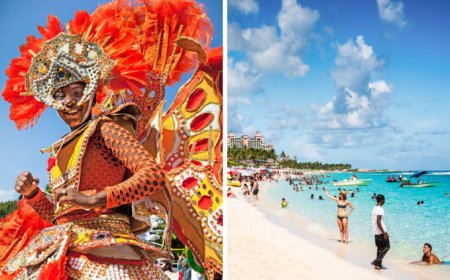









Caribbean Moyenne Cuisine: Fusion Food Highlights
Caribbean Moyenne Cuisine represents the Caribbean as a meeting point of different culinary traditions rather than a single type of food. The article explains how Indigenous Caribbean ingredients and techniques combined with African, European, Indian, Chinese and other influences to create distinct island cuisines. African food traditions helped shape many Caribbean staples, including stews, rice dishes, plantain preparations, greens and heavily seasoned foods. Indigenous ingredients such as cassava, peppers, sweet potatoes and tropical fruits remain important, while later influences introduced dishes and techniques such as Indian-style curries and roti, Chinese-Caribbean stir-fries, and French-Caribbean preparations.

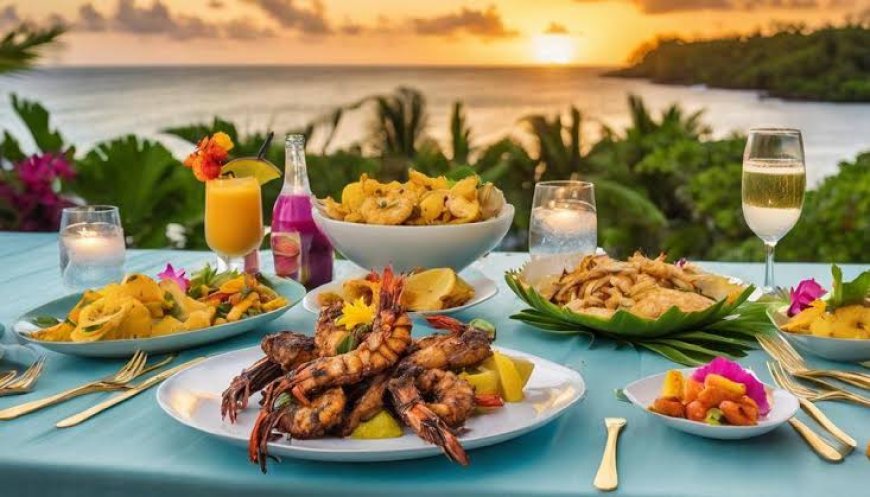
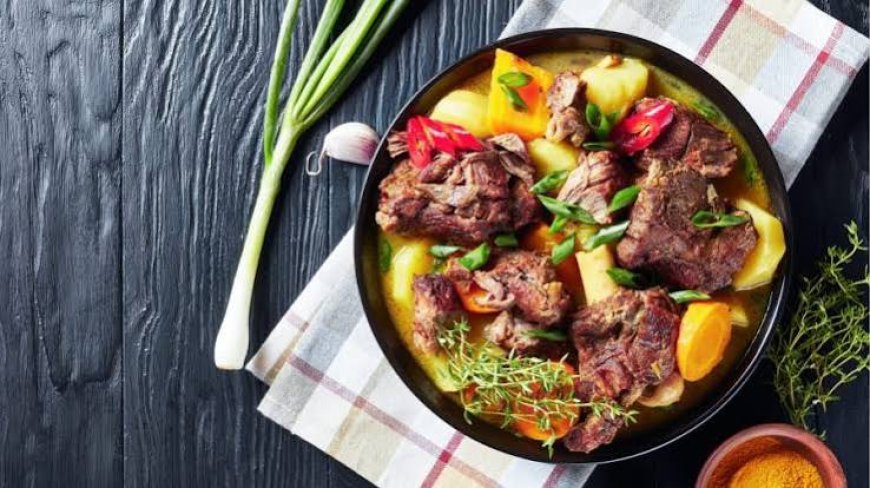
Caribbean cuisine is often described as a fusion of different food cultures, but that description only begins to explain what makes the region's cooking so interesting. Across the islands, Indigenous Caribbean ingredients and techniques have been combined with African, European, Indian, Chinese, Middle Eastern and other culinary traditions over centuries. The result is not one single Caribbean cuisine, but a collection of island food cultures that share ingredients while preparing them in very different ways.

The phrase "Moyenne cuisine" can be understood in this context as a middle ground or meeting point between culinary traditions. Rather than treating Caribbean food as a simple category of jerk chicken, rice and peas, rum and seafood, it is more useful to look at the region as a place where cooking traditions continuously meet and adapt. A Trinidadian curry, a Jamaican curry goat, a French-Caribbean Colombo, a Puerto Rican mofongo or a Caribbean-Chinese stir-fry can all tell a different story about migration, local agriculture and cultural exchange.
This fusion did not begin as a modern restaurant trend. It developed through centuries of movement across the Caribbean. Indigenous peoples used local crops such as cassava, peppers and tropical fruits. Africans brought agricultural knowledge, cooking techniques and food traditions. European colonial powers introduced ingredients, livestock and cooking methods, while later Indian and Chinese migration added curries, roti, rice dishes, spices and stir-frying techniques. Caribbean cooks then adapted these influences to local ingredients and circumstances.
Today, chefs across the region are taking this history further. Contemporary Caribbean restaurants may combine traditional ingredients with French techniques, Asian sauces, Latin American preparations or modern presentation. Kingston, for example, has developed a strong culinary scene in which chefs deliberately explore the connections between Jamaican food and the many cultures that shaped it.
1. What Makes Caribbean Fusion Cuisine Different?
The first thing to understand is that Caribbean fusion food is not simply the combination of two ingredients from different countries. In many cases, the fusion happened generations ago, meaning the resulting dish is now considered traditional rather than experimental.
Take Trinidad and Tobago as an example. Trinidadian food reflects African, Indian, Chinese and European influences. Indian indentured workers introduced curries, roti and other cooking traditions, but those foods changed as cooks began working with Caribbean ingredients such as salt fish, callaloo, mango and local peppers. Over time, these adaptations became part of everyday Trinidadian food culture.
Jamaica provides another strong example. Jamaican culinary heritage combines Indigenous, African, European, Chinese and Indian influences. Curry goat, for instance, reflects South Asian influence, but Jamaican curry goat is not simply an Indian curry served in Jamaica. The seasoning, cooking method and ingredients have developed into a distinctly Jamaican preparation.
This is why Caribbean fusion is best understood as an ongoing process rather than a fixed recipe. A chef can start with a traditional dish and introduce another technique while still maintaining its Caribbean identity.
2. African Roots: The Foundation of Many Caribbean Dishes
African influence is one of the most important foundations of Caribbean cooking. Enslaved Africans brought knowledge of crops, food preparation, preservation and communal cooking. They also adapted their cooking to ingredients that were available on plantations and in local markets.
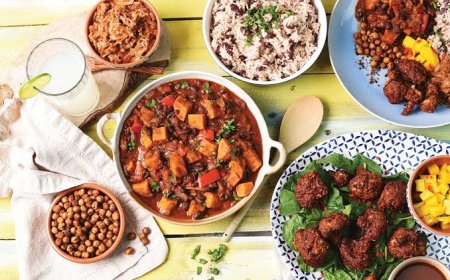
One important legacy is the use of one-pot cooking. Stews, rice dishes, soups and slow-cooked meats allowed cooks to combine affordable ingredients into filling meals. Techniques such as seasoning meat heavily, using greens, cooking with peppers and making thick stews became part of the broader Caribbean food tradition.
Ingredients associated with African foodways also became deeply integrated into Caribbean cooking. Okra, for example, appears in several Caribbean soups and stews. Plantains and various root vegetables are used throughout the region, while rice and legumes became central to many everyday meals.
The important point is that African influence did not remain separate from other traditions. It interacted with Indigenous ingredients and European colonial cooking methods and later with Indian and Chinese traditions. This layering is one of the reasons Caribbean food varies so much from island to island.
3. Indigenous Ingredients Still Matter
Before European colonization, Caribbean Indigenous communities had established food systems based on the resources available on the islands. Cassava was especially important, along with peppers, sweet potatoes, fruits, fish and other local foods.
Cassava remains an important ingredient in Caribbean cooking. It appears in breads, side dishes and other preparations, while peppers continue to provide heat in many regional cuisines.
Other ingredients that have become closely associated with Caribbean food include plantains, coconut, tropical fruits and seafood. Some ingredients commonly thought of as traditional Caribbean foods were actually introduced from other parts of the world, demonstrating how complicated food history can be. Breadfruit, mangoes and sugarcane, for example, arrived through European colonial networks before becoming firmly established in Caribbean agriculture and cuisine.
This is one of the defining characteristics of Caribbean fusion: an ingredient can have a foreign origin but become completely local through generations of cultivation and cooking.
4. Indian Influence: Curries, Roti and Spiced Cooking
Indian influence is particularly visible in Trinidad and Tobago, Guyana and Jamaica, as well as in parts of the eastern Caribbean.
Indian indentured workers brought cooking traditions that included curry, roti, dhal and rice-based dishes. Local cooks adapted these traditions using Caribbean ingredients and local preferences. In Trinidad, roti became an important everyday food and is now closely identified with the country's culinary culture.
Curries also developed their own Caribbean identities. Trinidadian curry, Jamaican curry and the French-Caribbean Colombo style are related to South Asian culinary influence but are not identical to dishes served in India.
Jamaican curry goat is a particularly familiar example. Indian cooking contributed to the curry tradition, while Jamaican cooks developed their own seasoning combinations and preparation methods. Jamaican curry powder itself developed as a local interpretation rather than being a direct copy of one Indian regional spice blend.
For travelers, this is an important distinction. Ordering curry in the Caribbean can offer a very different experience from ordering curry in India, even when some of the basic spices and techniques overlap.
5. Chinese-Caribbean Fusion
Chinese migration also had a significant effect on Caribbean food, especially in Jamaica, Trinidad and Tobago, Guyana and other parts of the region.
Chinese-Caribbean cuisine developed from Cantonese and other Chinese traditions adapting to West Indian ingredients and tastes. Today, Chinese-Caribbean food can include fried rice, chow mein, stir-fried meats and vegetables, but these dishes often carry distinctly Caribbean seasoning and preparation styles.
Jamaica is particularly interesting because Chinese influence developed alongside African, Indian, European and Indigenous food traditions. Chinese migrants arrived during the nineteenth century, and their food culture gradually became part of the island's wider culinary landscape.
Modern chefs have expanded this connection even further. Caribbean ingredients such as Scotch bonnet peppers jerk seasoning, plantains and tropical fruits can be paired with Asian techniques such as wok cooking, dumpling making and pickling.
The result can be dishes such as jerk-inspired dumplings, Caribbean-style fried rice or seafood prepared with a combination of Asian sauces and island spices. These dishes are especially common in contemporary restaurants where chefs are interested in exploring Caribbean identity through international techniques.
6. French-Caribbean Fusion
The French-speaking Caribbean offers another important form of culinary fusion, particularly in Martinique and Guadeloupe.
French culinary methods are combined with Caribbean ingredients such as seafood, peppers, herbs, tropical fruits and rum. A dish such as stuffed crab demonstrates this combination clearly. French culinary influence appears in the preparation, while Caribbean peppers, herbs and local ingredients create a regional identity. National Geographic has highlighted stuffed crab from Guadeloupe and Martinique as an example of this French-Caribbean combination.
The French-Caribbean tradition also includes Colombo, a spice-based dish associated with Martinique and Guadeloupe. Colombo reflects South Asian influence that reached the French Caribbean through migration, but it developed into its own Caribbean cooking tradition.
This makes the French Caribbean especially useful for understanding how fusion develops over time. What may originally have been an imported technique or spice combination can become a local culinary tradition after generations of adaptation.
7. Spanish Caribbean: Puerto Rico, Cuba and the Dominican Republic
Spanish influence is particularly strong in Puerto Rico, Cuba and the Dominican Republic, but these cuisines are also deeply shaped by African and Indigenous traditions.
Puerto Rican mofongo is a good example. Green plantains are fried and mashed with garlic and other ingredients, producing a dish that is now strongly associated with Puerto Rican food. Plantains themselves became important across the Caribbean, while the cooking methods surrounding them developed through multiple cultural influences.
Puerto Rican cooking also features sofrito, a seasoned mixture used as a foundation for many dishes. Rice, beans, pork, seafood and root vegetables appear frequently, creating combinations that are both filling and strongly seasoned.
Cuba has its own fusion dishes, including ropa vieja, roast pork and rice-and-beans preparations. Cuban roast pork often uses citrus, garlic, cumin and oregano, creating a flavour profile that connects Spanish culinary traditions with Caribbean ingredients and cooking practices.
The Dominican Republic has developed dishes such as sancocho, mangú and various rice-and-bean combinations. These foods demonstrate how African, European and Indigenous influences can become part of everyday national cuisine rather than remaining identifiable as separate traditions.
8. Jerk: More than Just a Seasoning
Jerk is one of the Caribbean's best-known culinary traditions, but it is often reduced outside Jamaica to a seasoning powder or spicy sauce.
Traditional Jamaican jerk cooking is more closely associated with meat that is heavily seasoned and cooked using a particular smoking and grilling approach. Scotch bonnet peppers, allspice, thyme and other seasonings are commonly associated with the preparation.
The history of jerk is connected to Jamaica's Maroon communities and the preservation and cooking of meat. Over time, jerk developed into a major part of Jamaican food culture and later became internationally popular.
Today, chefs use jerk flavours in many new ways. Jerk fish, jerk vegetables, jerk burgers, jerk tacos and even jerk-inspired pasta can be found in contemporary food scenes. Some versions remain close to traditional preparation, while others use the seasoning profile as a starting point for modern fusion dishes.
This is where contemporary Caribbean fusion becomes particularly interesting. The goal is not always to reproduce a historical dish exactly. Sometimes the chef takes the central flavor idea and applies it to another cooking technique.
9. Seafood as a Major Fusion Ingredient
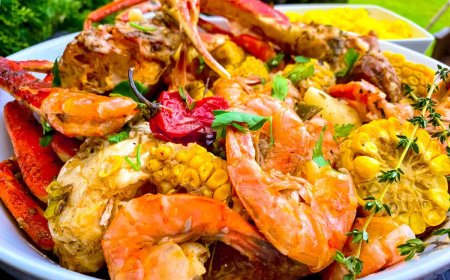
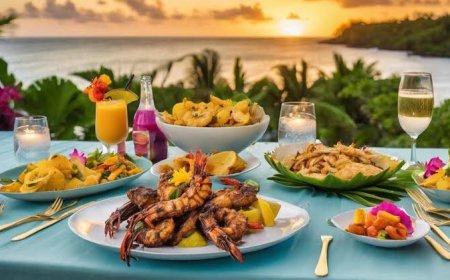
The Caribbean's geography naturally makes seafood important. Fish, lobster, crab, conch, shrimp and other seafood appear across the region.
Seafood is also an excellent ingredient for fusion because it works with many culinary traditions. A chef might prepare fish with Caribbean herbs and peppers use a French sauce, introduce Asian fermentation or pair seafood with an Indian-inspired curry.
Conch is particularly important in several Caribbean food cultures. It may be served in fritters, salads, stews or other preparations. In the Dutch Caribbean, French Caribbean and Bahamian food traditions, seafood dishes can show very different approaches even when the same ingredient is used.
The lesson is simple: Caribbean fusion is not only about spices. It is also about changing the cooking technique while keeping the local ingredient at the center of the dish.
10. Plantains, Rice and Root Vegetables
Some of the strongest connections across Caribbean cuisines are built around everyday staple foods.
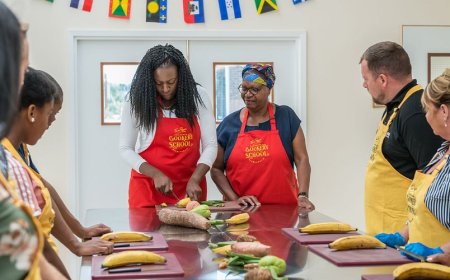
Plantains can be fried, boiled, mashed or baked. Depending on the island, they can become a side dish, breakfast food, snack or part of a larger meal.
Rice is equally important. Rice and peas, rice with beans, pelau and other rice-based dishes appear in different forms across the region. The ingredients may look similar, but seasoning and preparation change from island to island.
Root vegetables such as cassava, sweet potato and yam also provide a connection between Indigenous Caribbean food traditions and later culinary influences.
These foods are important to fusion cuisine because they provide a local base for imported techniques. A Caribbean chef does not necessarily need an exotic ingredient to create something new. A familiar plantain or cassava can become the foundation for a modern dish.
11. Modern Caribbean Fusion Restaurants
The contemporary Caribbean food scene is increasingly focused on culinary identity. Rather than simply copying European or North American restaurant models, chefs are exploring local ingredients, family recipes and historical influences.
Kingston is one example of this development. Recent culinary events and restaurants have presented dishes that deliberately combine Jamaican ingredients with techniques and ideas from other cuisines. Examples highlighted in recent coverage include lobster-ackee ravioli, Jamaican mussel dishes and preparations using Scotch bonnet peppers in modern ways.
This trend is also visible beyond Jamaica. Restaurants throughout the Caribbean are using local seafood, tropical fruits, spices and heritage ingredients while experimenting with fermentation, smoking, fine-dining techniques and international presentation.
For travelers, this means the best Caribbean food experience may not always be found in a traditional restaurant. A small food stall, family-run restaurant, modern bistro or chef-led tasting menu can each show a different side of the region's culinary history.
12. How Travelers Can Explore Caribbean Fusion Food
The best way to explore Caribbean fusion cuisine is to avoid treating the Caribbean as one destination. Every island has its own history, and that history is reflected on the plate.
In Jamaica, try dishes connected to African, Indigenous, Indian, Chinese and European influences. In Trinidad and Tobago, explore roti, doubles, curries and other foods that show the island's multicultural history. In Puerto Rico, look for mofongo, sofrito-based dishes and traditional rice preparations. In Martinique and Guadeloupe, explore Creole food alongside French-Caribbean techniques. In the Bahamas and other English-speaking islands, seafood, peas, pastries and slow-cooked dishes reveal different combinations of African, European and local traditions.
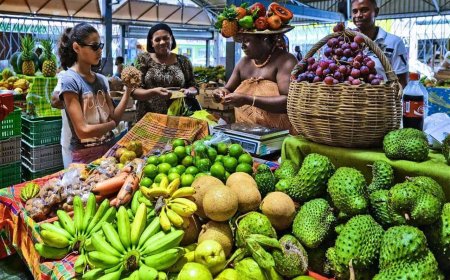
Street food is particularly valuable because it often shows how people actually eat rather than how food is presented for tourists. Markets, roadside stalls and small family restaurants can reveal dishes that have been passed through generations.
Travelers should also ask questions. Knowing where a dish came from, why a particular spice is used or how a family prepares it can make a meal much more meaningful.
13. The Future of Caribbean Fusion Cuisine
Caribbean fusion cuisine is unlikely to remain fixed. The region has always changed through migration, trade and cultural exchange, and modern travel is creating new connections.
Today's chefs have access to international ingredients, professional culinary training and global restaurant trends, while at the same time there is increasing interest in heritage ingredients and traditional cooking. This creates an opportunity to combine modern culinary methods with local food knowledge.
There is also a growing effort to be more specific about individual island cuisines. Food writers and chefs increasingly emphasize that the Caribbean should not be treated as a single culinary culture. Jamaican food is not Trinidadian food, and Puerto Rican food is not Martini can food. Each has its own history and identity.
That distinction makes Caribbean fusion more interesting rather than less. The region's strength is not that everything tastes the same. It is that different food traditions have met in different ways.
What's Your Reaction?
 Like
0
Like
0
 Dislike
0
Dislike
0
 Love
0
Love
0
 Funny
0
Funny
0
 Angry
0
Angry
0
 Sad
0
Sad
0
 Wow
0
Wow
0