






























Best Farm-to-Table Spots in the Caribbean
Farm-to-table dining in the Caribbean is becoming an important part of the region’s food and tourism scene, connecting travelers directly with local farms, fishermen, traditional ingredients and seasonal cooking. Puerto Rico stands out for its growing network of restaurants and agricultural experiences, with places such as Bacoa Finca + Fogón, Verde Mesa and Frutos del Guacabo emphasizing locally sourced ingredients and Puerto Rican food traditions. Jamaica, particularly St. Elizabeth and the south coast, offers another strong farm-to-table experience, combining produce from the island’s agricultural areas with fresh seafood and farm-raised products. Grenada focuses on local produce, seafood and its well-known spices, while Barbados and the Cayman Islands provide opportunities to combine locally sourced food with farmers’ markets and seafood experiences.

Farm-to-table dining in the Caribbean is no longer limited to a few small restaurants serving vegetables from a nearby garden. Across the region, chefs, farmers, fishermen and food producers are building closer relationships, bringing local ingredients into restaurants and putting more attention on where food comes from. For travelers, this means that a Caribbean meal can offer much more than the familiar combination of grilled fish, rice, plantains and rum. It can reveal the crops grown on a particular island, the fish caught along its coast, the spices produced in its hills and the agricultural traditions that have survived generations of economic and environmental pressure.

The idea is especially interesting in the Caribbean because food supply is complicated. Many islands depend heavily on imported food even though their climates can support a wide range of crops. Puerto Rico, for example, still imports a large share of the food it consumes, while hurricanes, transportation costs and other structural factors can make locally produced food more expensive or difficult to source. That makes restaurants working directly with farmers and fishermen more significant than simply being a culinary trend. They are also part of a wider effort to strengthen local food systems.
For visitors, the best way to experience this movement is to look for restaurants where the menu changes according to what farmers, fishermen and producers can actually provide. These restaurants may not always advertise themselves as strictly farm-to-table, but their kitchens show the principle through seasonal menus, locally grown vegetables, island-grown herbs, fresh seafood and traditional ingredients. Here are some of the Caribbean destinations where that approach is particularly worth exploring.
Puerto Rico: One of the Caribbean's Strongest Farm-to-Table Scenes
Puerto Rico deserves a leading position when discussing farm-to-table dining in the Caribbean. In recent years, chefs around the island have increasingly focused on native ingredients, traditional cooking techniques and direct relationships with agricultural producers. The movement is visible in both San Juan and rural areas, making it possible to combine a city food trip with visits to farms and countryside restaurants.
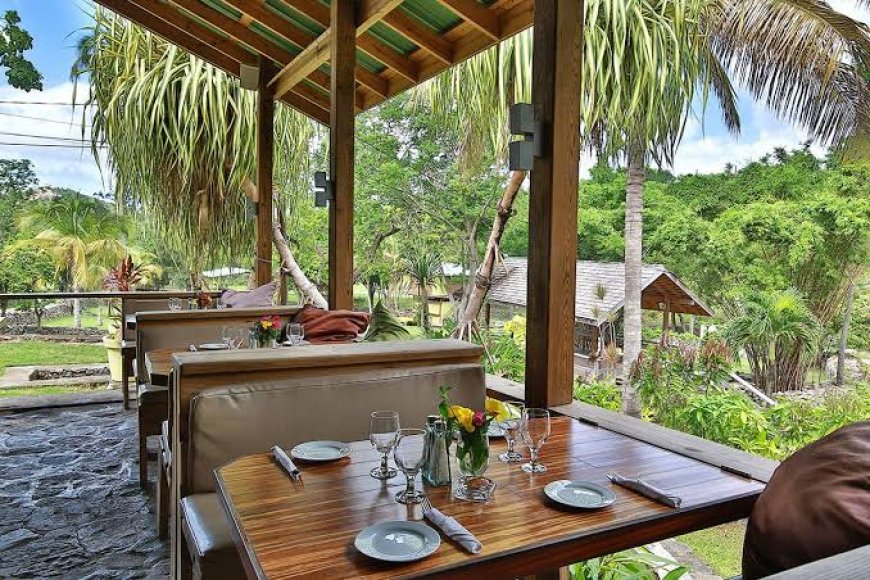
One of the most interesting places to experience this approach is Bacoa Finca + Fogón in Juncos. Located in the hills southeast of San Juan, Bacoa operates from a hacienda-style setting and puts cooking over fire at the center of its food. Chefs Raúl Correa, Xavier Pacheco and René Marichal use produce grown on the property as well as ingredients purchased from local farmers. The menu can include grilled fish, pork, pumpkin, plantains and other Puerto Rican ingredients prepared over wood fire. The restaurant's setting is important because the experience connects the meal directly with the agricultural landscape around it.
Another important San Juan restaurant is Cocina al Fondo, led by chef Natalia Vallejo. The restaurant is known for building Puerto Rican cooking around relationships with farmers, fishermen and local producers. Instead of treating local ingredients as decorative additions to an international menu, Cocina al Fondo uses them as the foundation of its food. That approach makes the restaurant particularly interesting for travelers who want to understand Puerto Rican cuisine rather than simply eat familiar tourist dishes.
Vianda is another strong choice. Located in Santurce, the restaurant works with seasonal Puerto Rican agriculture, meaning the menu changes according to what is available. This is one of the clearest characteristics of genuine farm-to-table cooking: the kitchen does not always start with a fixed menu and then search for ingredients. Instead, the availability of ingredients helps determine what appears on the plate. Vianda has been recognized for turning local produce into contemporary dishes without losing the connection to Puerto Rican food traditions.
Travelers interested in the agricultural side of the movement should also look beyond restaurants. Frutos del Guacabo in Manatí is a family-owned farm and food-production hub that connects local producers with restaurants. It also offers agrotourism experiences where visitors can learn about indigenous herbs, edible flowers and farming practices before sharing meals based on locally grown ingredients. It demonstrates why farm-to-table tourism is more than restaurant dining: sometimes the most useful part of the experience is seeing the farm and producers behind the food.
Grenada: Where Spices and Local Produce Shape the Plate
Grenada has a natural advantage when it comes to farm-to-table cooking. The island's volcanic soil supports crops including citrus, mangoes, papaya, callaloo, dasheen, yams, breadfruit and other tropical produce. Grenada is also closely associated with spices, particularly nutmeg, which has become an important part of the island's food identity.
At Callaloo, the farm-to-table philosophy is built directly into the dining concept. Six Senses La Sagesse says it grows produce on site where possible and works with local suppliers for ingredients from land and sea. The restaurant's menus focus on fresh, local and seasonal produce, making it a useful option for travelers staying in the La Sagesse area who want a resort dining experience with a stronger connection to Grenadian agriculture.
Another current option is Mr H Grill & Chill. The restaurant describes its approach as farm-to-table, working with farm partners and emphasizing island ingredients prepared over an open flame. Its menu changes around what is fresh and available, and its concept combines Grenadian produce, seafood and spices with grill-focused cooking.
Grenada is also a destination where visitors should pay attention to ingredients rather than simply restaurant names. A meal featuring breadfruit, callaloo, dasheen, local vegetables, fresh fish or Grenadian spices can provide a more meaningful connection to the island than an imported dish with little local identity. Traditional dishes such as oil down also demonstrate how local agriculture has shaped everyday Caribbean cooking. The dish typically combines ingredients such as breadfruit, salted meat, vegetables, dumplings and coconut milk.
Barbados: Local Food beyond the Tourist Menu
Barbados has a well-developed restaurant scene, but travelers looking for farm-to-table food should look beyond the large hotel dining rooms. Local produce, seafood and farmers' markets are increasingly important parts of the island's food culture, and some restaurants make a deliberate effort to source ingredients locally.
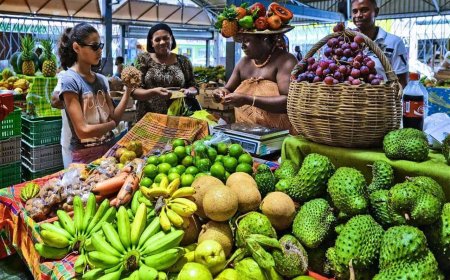
One advantage of eating locally in Barbados is that the farm-to-table experience does not necessarily require an expensive tasting menu. Farmers' markets and independent food businesses can provide an opportunity to meet growers and purchase local ingredients directly. The Holders Farmers Market, for example, has been highlighted as a place where visitors can interact with organic growers and learn more about local produce.
The island's coastal location also makes seafood an important part of the local food chain. Rather than focusing only on restaurant branding, travelers should ask where seafood comes from and whether the fish on the menu is locally caught. This simple question can help distinguish a meal built around Barbados' food system from one that merely uses Caribbean-style recipes.
For travelers staying on the island for several days, combining a farmers' market visit with a restaurant meal is one of the better ways to understand Barbadian food. The market shows what is actually being grown, while the restaurant demonstrates how chefs transform those ingredients into contemporary dishes.
The Cayman Islands: Small-Scale Agriculture Meets Local Seafood
The Cayman Islands face a different challenge. Agricultural land is limited, while tourism creates strong demand for food. That makes local production and responsible sourcing particularly relevant. Some restaurants and food producers have responded by growing their own ingredients or developing relationships with local suppliers.
Historical examples include Le Soleil d'Or on Cayman Brac, which has operated with a large organic garden, while The Brasserie Cayman has long promoted local sourcing. Its approach has included locally sourced seafood and vegetables, along with food-waste initiatives and honey production.
For visitors, the Cayman Islands are particularly interesting because farm-to-table dining can work alongside the island's seafood culture. Local fish such as wahoo can become the starting point for a dish, while garden vegetables, herbs and locally produced ingredients provide the rest. Travelers should remember that "local" does not necessarily mean every ingredient on the plate comes from the island. On small islands, imported ingredients remain unavoidable. A restaurant can still have a strong local sourcing program while using imported staples.
St. Kitts: Dining Connected to a Working Farm
St. Kitts provides one of the Caribbean's more unusual examples of the connection between tourism, agriculture and food. Belle Mont Farm has access to a large agricultural landscape with fruit trees and farming areas. The property has incorporated agriculture into the guest experience, allowing visitors to see and learn about crops rather than treating food production as something hidden from tourists.
The farm environment is especially relevant for travelers interested in tropical fruit. Mangoes and avocados are among the crops associated with the property, and the agricultural program has also been used for research and cultivation. For visitors, this creates a different type of farm-to-table experience: the farm is not simply a supplier somewhere outside the tourist zone; it becomes part of the destination itself.
This model is useful because it shows how Caribbean resorts can make agriculture part of tourism. Instead of importing most food and keeping the kitchen separate from the landscape, a property can use gardens, orchards and farms to create a more visible connection between production and dining.
Jamaica: From Small Farms to Outdoor Dining
Jamaica's farm-to-table story is often more informal than the polished restaurant concepts found in major tourist areas. Small farms, roadside producers, local fishermen and family-run restaurants remain important parts of the island's food culture.
Treasure Beach and the wider St. Elizabeth area are particularly interesting for visitors interested in local food. St. Elizabeth has long been known as an agricultural area, and small-scale farm experiences have helped connect travelers with local ingredients. One notable example is Dool's, an organic farm in Pedro Plains that has hosted farm-to-table dinners using ingredients grown on the farm and sourced from other nearby farms. The dinners have traditionally been linked to the full moon and have offered a very different experience from eating in a conventional hotel restaurant.
The Jamaican version of farm-to-table dining is often less about formal terminology and more about proximity. You may eat vegetables grown nearby, fish caught by local fishermen or chicken prepared using produce purchased from farmers in the surrounding community. This is one reason Jamaica is worth exploring beyond the large resort areas. Travelers who move into rural food regions can see how closely farming, fishing and cooking remain connected.
Why Farm-to-Table Dining Matters in the Caribbean
The appeal of farm-to-table dining is easy to understand, but its importance in the Caribbean goes deeper. Islands face unique challenges when it comes to food imports. Transportation costs can be high, agricultural land may be limited, and hurricanes and other extreme weather events can damage crops and infrastructure. In Puerto Rico, for example, the food system remains heavily dependent on imports, while local farmers have faced economic and logistical barriers to expanding production.
Restaurants can help by creating reliable demand for local products. When a chef regularly purchases vegetables from a farmer, buys fish from local fishermen or works with a small producer, that relationship can provide a market for products that might otherwise struggle to compete with imports. It can also encourage chefs to use ingredients that visitors might not otherwise encounter.
The impact is not only economic. Farm-to-table restaurants can help preserve food traditions and ingredients that are less common in mainstream tourism. Puerto Rican cooks, for example, have been bringing ingredients such as malanga, yams, chayote, pumpkin, plantains and local herbs into contemporary restaurant menus. Grenada's cuisine similarly demonstrates how crops and spices influence everyday food. These ingredients tell visitors something about the islands that a generic international menu cannot.
How to Choose a Genuine Farm-to-Table Restaurant
Travelers should also be careful with the term "farm-to-table." It does not automatically mean that every ingredient is produced locally. Caribbean islands import many basic foods, and restaurants cannot realistically source everything from nearby farms.
A better approach is to ask a few simple questions. Does the menu identify local farmers or fishermen? Does it change with the season? Are local vegetables and seafood central to the dishes? Does the restaurant explain where its ingredients come from? Does it work directly with producers instead of simply buying through a large distributor?
A restaurant does not need to grow everything itself to be genuinely committed to local sourcing. In fact, some of the strongest examples are restaurants that act as a bridge between small farms and customers. Puerto Rico's Frutos del Guacabo is a good example of this wider system because it connects producers, restaurants and visitors rather than functioning only as a conventional farm.
The Best Way to Plan a Caribbean Food Trip
If farm-to-table food is a major reason for your Caribbean trip, do not plan the entire experience around one restaurant. Build a food itinerary around the island's agricultural regions, markets and fishing communities as well.
Puerto Rico is probably the easiest destination for travelers who want variety because San Juan has several restaurants connected to local producers, while rural areas such as Juncos provide a more direct farm-and-fire experience. Grenada works well for travelers interested in spices, tropical crops and traditional food. Barbados offers a combination of restaurants, markets and seafood experiences. Jamaica is especially rewarding if you are willing to travel beyond the main resort corridors.
The most memorable meal may not be the most expensive one. It could be a plate of grilled fish served close to the coast, vegetables bought that morning from a farmer, breadfruit prepared using a traditional recipe, or a dinner where the chef explains which ingredients arrived from a nearby farm that afternoon.
What's Your Reaction?
 Like
0
Like
0
 Dislike
0
Dislike
0
 Love
0
Love
0
 Funny
0
Funny
0
 Angry
0
Angry
0
 Sad
0
Sad
0
 Wow
0
Wow
0