






























Multigenerational Travel Tips
Multigenerational travel allows grandparents, parents, children, and teenagers to enjoy a holiday together, but it requires careful planning because each generation has different needs, interests, budgets, energy levels, and physical abilities. The most important step is to discuss expectations before choosing a destination. Families should consider travel time, accommodation, accessibility, food preferences, health requirements, transportation, budget, and activities. A successful trip should have a comfortable pace rather than an overloaded itinerary. Families can combine shared experiences with individual free time so that nobody feels forced to participate in every activity. Accommodation should be selected carefully, with attention to elevators, accessible bathrooms, sleeping arrangements, kitchens, childcare facilities, and proximity to attractions.



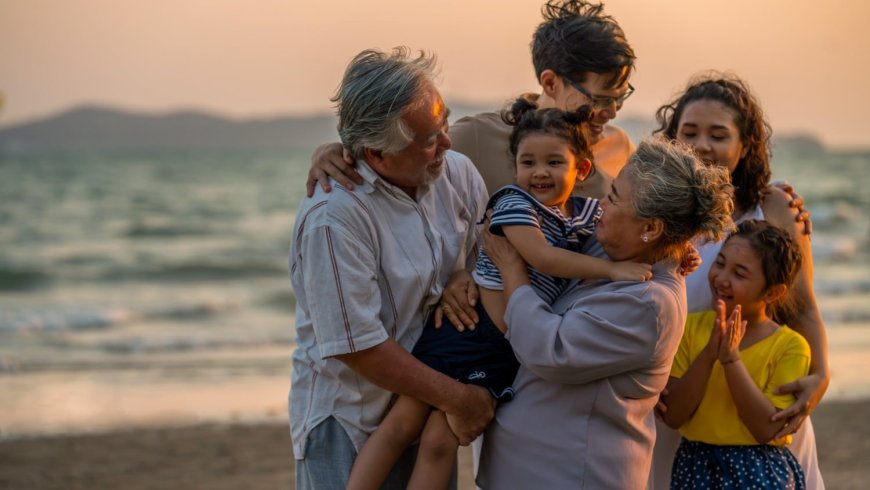
Multigenerational travel brings grandparents, parents, teenagers, children, and sometimes even toddlers together on the same vacation. It can be a family reunion, a long-awaited holiday, a birthday celebration, a wedding trip, or simply an opportunity to spend time together away from everyday responsibilities. But planning a trip for several generations is different from planning a vacation for two adults. Every age group has different expectations, physical abilities, energy levels, food preferences, budgets, sleeping habits, and interests. A child may want a swimming pool while a grandparent may prefer a quiet afternoon. Teenagers may want adventure and independence, while parents may be thinking about safety, transportation, meals, and costs. The key is not to create a schedule in which everyone does everything together. The goal is to create a trip where everyone has enough shared time while also having space to enjoy the holiday in their own way.

Multigenerational travel continues to be an important part of family tourism. A 2026 AARP travel study found that family and multigenerational trips remain among the common forms of travel for adults aged 50 and over. Research released in September 2026 by Fora also highlights how closely multigenerational travel is connected with accessibility. In its survey, 55% of families planning a multigenerational trip said someone in their group would need an accessibility accommodation, while 78% of those families said they would pay more to have those needs properly met. These figures show why successful family travel requires more than simply finding a destination and booking rooms. The practical details matter.
Start With the Family, Not the Destination
One of the biggest mistakes families make is choosing a destination before discussing what different members actually need. Someone sees a beautiful resort, a famous European city, a mountain destination, or a beach holiday and immediately wants to book it. Later, the family discovers that the hotel has stairs, the sightseeing involves several hours of walking every day, the journey requires multiple connections, or the children are going to spend most of their holiday sitting in a vehicle.
A better approach is to start with the people travelling. Before booking anything, have a simple family discussion about the length of the trip, approximate budget, preferred travel dates, mobility requirements, food preferences, sleeping arrangements, and activities. Ask the grandparents what they are comfortable doing. Ask parents about school or work schedules. Ask children and teenagers what they would genuinely enjoy. This conversation does not have to become a complicated meeting. Even a family group chat can help identify the most important requirements.
The most useful question is not, “Where does everyone want to go?” It is, “What does everyone need from this trip?” Once those answers are clear, destinations become easier to evaluate. A place that works for three generations is usually one where transportation is manageable, accommodation is comfortable, activities are varied, and the family does not have to spend every day rushing from one attraction to another.
Choose the Right Pace
The pace of a multigenerational holiday can determine whether the trip feels enjoyable or exhausting. Younger travellers may wake up early, walk for hours, visit several attractions, and still want to go out in the evening. Older adults may need more time to rest between activities. Young children can become tired or irritable when meals and naps are delayed. Parents are often caught in the middle, trying to keep everyone moving.
Instead of filling every day with activities, create a rhythm. One major activity in the morning may be enough, followed by lunch and a quieter afternoon. Another option is to keep one part of the day for the whole family and leave the rest flexible. For example, everyone might visit a historical site together in the morning, while some family members return to the hotel and others continue exploring.
This approach is particularly useful when travelling with older adults. Accessibility is not limited to whether a location has a wheelchair ramp. Walking distance, the availability of seating, bathroom access, stairs, transportation, heat, noise, and the amount of time spent standing can all affect comfort. The 2026 Fora research found that limited walking endurance or stamina was among the most common accessibility needs reported by families planning multigenerational trips.
A relaxed schedule also protects the children. Young travellers need time to eat, sleep, play, and simply do nothing. A holiday does not become better because every hour is occupied.
Select Accommodation Carefully
Accommodation can make or break a multigenerational trip. A beautiful property in the wrong location can create more problems than a simpler hotel in a convenient area. Families should look beyond photographs and ratings and examine the practical details.
Think about how many rooms are required and whether adjoining or nearby rooms are available. Some families prefer a large holiday home because everyone can stay under one roof. Others prefer separate hotel rooms because different generations have different sleeping schedules and need privacy. There is no universal answer. The right choice depends on family relationships, budget, and comfort.
If older adults are travelling, confirm whether the property has elevators, step-free entrances, accessible bathrooms, suitable shower arrangements, and rooms close to dining areas. Do not assume that the word “accessible” tell you everything you need to know. Ask specific questions about stairs, bathroom configuration, door widths, shower access, distance from the room to reception and transportation arrangements.
This is especially important because accessibility information online can be incomplete. Fora's 2026 research found that 90% of surveyed travel advisors said online accessibility information can be incomplete, outdated, or contradictory. Calling the property directly can therefore be worthwhile when a specific accessibility need matters.
For families with young children, ask about cribs, high chairs, kitchen facilities, laundry, refrigerator access, child-friendly dining, and sleeping arrangements. These details may seem small before the trip, but they can become major issues once the family arrives.
Do Not Confuse Family Time with Constant Togetherness
A successful multigenerational holiday does not require everyone to stay together every minute. In fact, giving people some independence can make the shared experiences more enjoyable.
Teenagers may want to explore a hotel activity area with cousins. Grandparents may want a quiet morning with coffee. Parents may appreciate an hour to themselves. One group might visit a museum while another spends time at the beach. Later, everyone can meet for dinner.
This is particularly useful when interests differ. Instead of arguing about which single activity everyone should do, divide the day into shared and optional activities. A family breakfast can be followed by different choices. People can then come together for lunch or dinner.
The same principle applies to sightseeing. Nobody should feel guilty for skipping an activity that is physically difficult or simply uninteresting to them. If a grandparent does not want to climb hundreds of steps to reach a viewpoint, that person can enjoy a café or scenic location nearby. If a teenager does not want to spend three hours inside a museum, the family can arrange another activity. The purpose of travelling together is connection, not compulsory participation.
Build the Trip Around Shared Experiences
Although everyone needs flexibility, a multigenerational holiday should have some experiences that bring the family together. These shared moments often become the memories people talk about years later.
Choose activities that naturally involve different ages. A family cooking class, boat ride, wildlife experience, cultural performance, easy nature walk, local food tour, beach afternoon, family photography session, or visit to a historical site can work better than an activity designed for only one age group.
In India, Hilton's 2026 trends research reported that 65% of surveyed families in India said they take holidays involving three or more generations at least once a year. The research also found that historical and cultural landmarks and culinary experiences were among the leading activities Indian respondents wanted from family travel.
This suggests an important planning idea: shared activities do not have to be expensive or complicated. A family meal at a local restaurant, visiting a heritage site, preparing a traditional dish together, or spending an evening telling stories can become an important part of the trip.
Consider the Needs of Older Travellers
Older adults should not be treated as people who simply need to “keep up” with the rest of the group. Their needs should be included in the planning from the beginning.
Start by discussing walking ability, medications, dietary requirements, preferred sleeping times, heat tolerance, and medical considerations. If the trip involves international travel, the CDC recommends that older adults discuss their destination, itinerary, planned activities, accommodations, medications, and health conditions with a healthcare professional before departure. The CDC advises doing this around four to six weeks before travel.
Medication planning deserves particular attention. Travellers should carry enough medication for the trip and allow extra supply for possible delays, while keeping medicines properly labelled and following destination-specific requirements. A paper or electronic record of important medical information can also be useful.
Families should also identify where medical care is available at the destination. This does not mean expecting something to go wrong. It means having a plan if someone becomes sick or needs assistance.
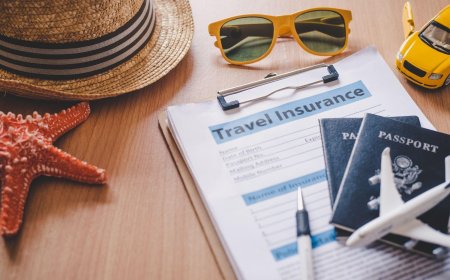
Travel insurance can also be considered, particularly for expensive international trips or journeys involving older travellers. Coverage varies widely, so families should check what is actually included, including medical treatment, emergency evacuation, cancellations, and pre-existing-condition rules where applicable.
Plan Properly for Children
Children bring energy and curiosity to a family holiday, but they also require planning. Their needs can change quickly depending on age.
Young children need predictable meal and sleep opportunities. Older children usually need activities that keep them interested. Teenagers often want some independence, social time, technology access, and activities that feel age-appropriate.
When travelling internationally, families should also review destination-specific health recommendations before departure. The CDC recommends consulting a child's healthcare professional or a travel medicine specialist at least one month before international travel and checking that routine vaccinations are up to date.
Safety is equally important. The CDC's 2026 Yellow Book notes that road traffic and water-related injuries, including drowning, are important safety concerns for children travelling internationally. It also recommends attention to appropriate car seats, helmets, supervision around water, and adequate supplies of children's medications when required.
Parents should therefore avoid assuming that a destination's normal arrangements will automatically suit children. Check transportation, swimming areas, child supervision, food hygiene, and emergency medical access before travelling.
Make Transportation Easier
Transportation becomes more complicated when a group contains multiple generations. The cheapest option is not always the easiest option, especially when the group includes older adults or young children.
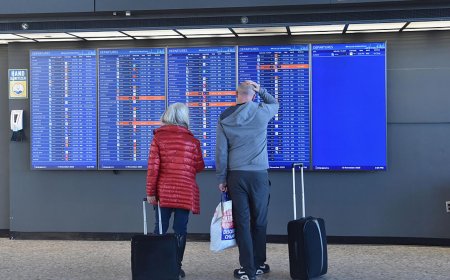
Consider the number of transfers, walking distances at airports or stations, luggage handling, vehicle space, and travel time. A journey with three inexpensive connections may cost less but can create considerable physical and mental strain.
For road trips, regular breaks are important. A two-hour drive for two adults may be simple, but a long journey involving children and older adults should include stops for bathrooms, food, stretching, and rest.
At airports, families should understand what assistance is available. If a traveller requires mobility assistance, arrange it in advance with the airline and confirm the process. Do not wait until the day of travel to explain a significant accessibility requirement.
For international journeys, passport, visa, and health requirements should be checked close to departure because requirements can change. The IATA Travel Centre provides current passport, visa, and health requirement information based on information from official sources worldwide.
Think About Food before You Travel
Food is one of the easiest ways for a family holiday to become complicated. Different generations may have different eating habits, allergies, medical dietary requirements, or cultural preferences.
Before booking accommodation, determine whether everyone can find suitable food nearby. A hotel with breakfast included may be useful for families because it gives everyone a predictable start to the day. A kitchen or kitchenette can also help when travelling with toddlers, people with allergies, or family members who prefer simple meals.
Do not make every meal a group decision. With a large family, deciding where everyone will eat can consume a surprising amount of time. Choosing a few important meals in advance and keeping other meals flexible often works better.
For food allergies, communicate clearly with restaurants and accommodation providers. Carry necessary medication and avoid assuming that a restaurant can accommodate a serious allergy simply because it has similar dishes on the menu.
Create a Realistic Budget
Money can become uncomfortable in large family groups if expectations are not discussed before the trip. Different households may have different incomes and priorities. One family may be comfortable with an expensive resort while another may prefer a modest hotel.
Talk about the budget before making bookings. Decide which expenses are shared and which are individual. Accommodation, transportation, group meals, entrance fees, and activities should be clearly understood.
One useful approach is to establish a basic shared budget and allow each family unit to manage its own optional spending. For example, the main accommodation and one family dinner might be shared expenses, while shopping, spa treatments, special activities, or additional restaurant visits remain individual. This reduces awkwardness and allows people to participate according to their preferences.
Choose the Destination According to the Group
There is no single destination that is perfect for every multigenerational family. A beach resort may work well for one group because grandparents can relax while children swim. Another family may prefer a city with museums, restaurants, parks, and easy public transportation. A cruise can simplify accommodation and meals because the group stays in one place while travelling between destinations.
The destination should be judged according to practical factors rather than popularity alone. Look at travel time, weather, walking requirements, healthcare access, accommodation, transportation, food, activities, and cost.
A famous destination is not automatically a good multigenerational destination. A less famous place with shorter transfers, better accommodation, and a comfortable pace may produce a better family experience.
Avoid Over planning
Large family trips naturally require organization, but too much planning can create its own problems. A detailed itinerary may look impressive on paper while becoming impossible to follow in real life.
Leave open time every day. If the family has a morning activity, do not necessarily book another major attraction immediately afterward. Delays happen. Someone may sleep late. A child may become tired. A restaurant may take longer than expected. Weather may change.
A flexible itinerary allows the family to adapt without feeling that the entire day has failed.
One useful approach is to identify the day's “must-do” activity and treat everything else as optional. If everyone has energy, add something. If the family is tired, return to the hotel.
Let Different Generations Contribute
A multigenerational trip can become more meaningful when every generation has a role. Grandparents may know family history, traditional recipes, stories, or cultural connections related to the destination. Parents may handle practical arrangements. Teenagers can help with navigation, photography, translation, or technology. Children can help choose a restaurant, activity, or family game.
This gives everyone a reason to participate beyond simply being a passenger. For families travelling to ancestral or culturally significant destinations, this can be especially valuable. A visit to a village, historic site, family hometown, temple, museum, or cultural centre can turn a holiday into an opportunity for younger generations to learn about their family's background.
Plan Some “Skip-Gen” Travel
Multigenerational travel does not always mean three generations travelling together. Skip-generation travel, where grandparents travel with grandchildren without the children's parents, is also receiving attention.
Hilton's 2026 trends research reported that 79% of surveyed respondents in India had taken or planned a skip-generation holiday, compared with 60% across its Asia-Pacific sample. The survey also reported that creating memories between grandparents and grandchildren was the leading motivation among Indian respondents.
Such trips require additional planning because the responsible adults travelling with children may need appropriate documentation and parental consent depending on the destination and circumstances. Families should check the requirements of the destination country, airlines, and relevant authorities before departure.
The trip itself can be kept simple. A shorter journey with a comfortable hotel and a few meaningful activities may be more enjoyable than an ambitious international itinerary.
Prepare for Weather and Seasonal Conditions
Weather affects every generation differently. Extreme heat can be particularly difficult for older adults and young children. Cold weather requires appropriate clothing and can make walking harder. Rain can change transportation and outdoor activities.
Check seasonal weather before choosing dates. If travelling during a hot period, schedule outdoor sightseeing earlier in the day and keep the afternoon flexible. Carry water and allow regular breaks.
If the destination is known for extreme weather, make sure the accommodation has suitable indoor alternatives. A family holiday should not depend entirely on perfect weather.
Keep Everyone Connected
Large families can easily become separated during travel. A simple communication system helps. Make sure everyone knows the hotel name, address, room details, and emergency contact information.
For international travel, consider local mobile connectivity or roaming arrangements. Older family members who do not use smart phones regularly should have important information available in a simple format, such as a printed card containing the hotel address and emergency contacts.
Children should know what to do if they become separated from the group. Establish a meeting point in busy locations such as airports, theme parks, railway stations, and shopping areas.
These simple preparations can prevent a small separation from becoming a major problem.
Give Teenagers Some Independence
Teenagers often have different expectations from younger children and adults. If they are treated as children throughout the trip, they may become disengaged. Giving them limited, age-appropriate independence can make the holiday more enjoyable.
They might choose one restaurant, plan a family activity, take responsibility for navigation, or have some supervised free time. Parents should establish clear boundaries around where they can go and when they must return. The goal is not to let teenagers disappear from the itinerary. It is to give them a sense that they have some ownership of the trip.
Make Photography Less Important Than Experience
Family holidays naturally create a lot of photographs, but constantly stopping to take pictures can become tiring. Choose a few important moments for group photographs and otherwise allow people to enjoy the experience.
Consider giving different family members responsibility for photographs on different days. Children and teenagers may enjoy documenting the trip from their perspective. Grandparents may appreciate family portraits or photographs of places that have personal significance.
After returning home, the family can create a shared digital album. This can become a valuable record of the trip and help family members who could not travel feel connected.
Build in Emergency Flexibility
A good family itinerary should have a backup plan. Flights can be delayed, luggage can be lost, weather can disrupt activities, and someone can become sick.
Keep essential medicines, important documents, valuables, and a basic change of clothes accessible rather than putting everything into checked luggage. Keep copies of important travel documents in a secure location.
For international travel, check local emergency numbers before arrival. Families should also know where the nearest hospital or medical facility is located, especially when travelling with people who have specific medical needs.
Older adults should carry relevant medical information and medication supplies. The CDC specifically recommends having a record of medical history available during travel and planning ahead for healthcare and unexpected expenses.
Do Not Make One Person the Entire Trip Manager
Large family holidays often fail because one person ends up organizing everything. That person books flights, checks hotels, manages payments, confirms transportation, handles children, answers everyone's questions, and tries to solve problems during the trip. Divide responsibilities.
One person can manage accommodation. Another can handle transportation. Someone else can research activities. A family member who is comfortable with technology can maintain the shared itinerary. Another person can keep track of group expenses. Sharing responsibilities makes the trip less stressful and gives everyone a sense of involvement.
Use Technology without Depending Entirely on It
Travel apps can make multigenerational trips easier. Shared calendars, digital maps, translation tools, restaurant booking services, airline apps, and digital payment systems can simplify coordination.
However, technology should not be the only solution. Older family members may not use every app comfortably, and internet access may fail. Keep important addresses, booking details, and emergency information available offline or on paper.
AI-based travel planning tools are also becoming more common. AARP's 2026 research found growing use of AI among travellers aged 50 and over, particularly for finding deals and customizing itineraries. Such tools can help with research, but families should still verify important information directly with airlines, hotels, authorities, and healthcare providers.
Think About Accessibility from the Beginning
Accessibility should not be treated as a last-minute request. It should influence the destination, hotel, transportation, activities, and daily schedule from the beginning.
This is increasingly relevant to multigenerational travel. Fora's 2026 survey found that accessibility needs can include limited walking endurance, dietary requirements, medical equipment or medication, accessible bathrooms, step-free access, and transportation not just wheelchair access.
This broader definition is important. A person may be able to walk independently but still struggle with a full day of sightseeing. Another traveller may need frequent bathroom access because of a medical condition. A child may need a quiet environment because of sensory needs. Ask specific questions and get important arrangements confirmed in writing whenever possible.
Leave Room for Spontaneous Moments
Planning is important, but some of the best family memories are not planned. Maybe everyone discovers a small local restaurant. Perhaps grandparents teach the children a traditional game. The family might find a beautiful viewpoint while driving or spend an unexpected evening talking at the hotel.
A completely packed itinerary leaves little room for these moments. Leave empty space in the schedule. Sometimes the best decision is to cancel an activity and spend an afternoon together doing nothing important.
The Best Multigenerational Trip Is Not the Most Expensive One
Families sometimes assume that a successful multigenerational holiday requires a luxury resort, private transportation, or an expensive international destination. Those things can be helpful, but they are not the foundation of a good family trip.
Comfort, communication, realistic expectations, and flexibility matter more. A simple destination can work extremely well if everyone is comfortable with the pace and arrangements.
Similarly, an expensive trip can still be stressful if the itinerary is overloaded, the accommodation is inconvenient, or family members have different expectations.
The real measure of success is whether people return home feeling that they had meaningful time together rather than feeling that they survived a complicated schedule.
What's Your Reaction?
 Like
0
Like
0
 Dislike
0
Dislike
0
 Love
0
Love
0
 Funny
0
Funny
0
 Angry
0
Angry
0
 Sad
0
Sad
0
 Wow
0
Wow
0