




























Caribbean Beers You Should Know
Caribbean beer culture is much more diverse than the familiar image of a cold lager on a beach. Although rum remains the region's most famous alcoholic drink, beer is an important part of everyday life, social gatherings, sports, festivals, restaurants, and tourism. Each island has developed its own beer traditions, influenced by local history, climate, agriculture, tourism, and consumer preferences. Some of the region's best-known beers include Red Stripe from Jamaica, Carib and Stag from Trinidad & Tobago, Banks from Barbados, Kalik from The Bahamas, President from the Dominican Republic, Piton from Saint Lucia, and Wadadli from Antigua. These brands have become closely connected with national identity and often appear at local celebrations, restaurants, beaches, sporting events, and community gatherings.

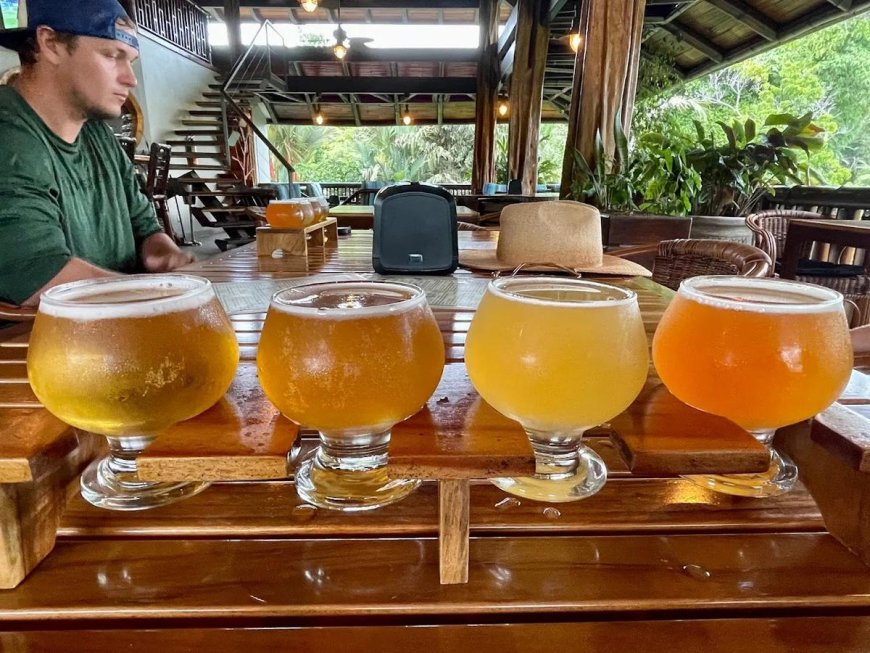
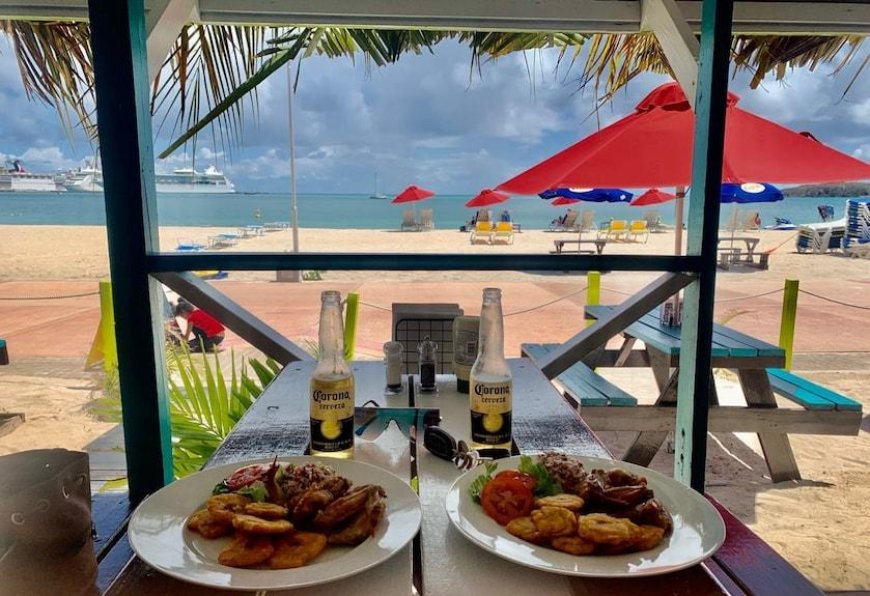
When people think about Caribbean drinks, rum is usually the first thing that comes to mind. But beer has an important place in the region's everyday food and social culture. From a cold lager served with jerk chicken in Jamaica to a bottle enjoyed beside a beach in Barbados, beer is closely connected with casual dining, sporting events, festivals, family gatherings, and evenings with friends.

Caribbean beer culture is not based on one single brewing tradition. The region includes independent island nations and territories with different colonial histories, agricultural systems, climates, and food traditions. These differences have influenced the beers produced and consumed across the islands. Some markets are dominated by large breweries producing familiar pale lagers, while others have developed smaller craft breweries offering ales, stouts, wheat beers, and experimental seasonal products.
Climate has also shaped drinking habits. The Caribbean is generally warm throughout the year, creating strong demand for beers that are easy to drink and refreshing when served cold. Pale lagers therefore dominate many markets. They are generally lighter in body, relatively moderate in alcohol content, and designed to be served chilled.
At the same time, Caribbean beer is becoming more diverse. Craft breweries are experimenting with local ingredients, different yeast strains, barrel aging, and styles inspired by international brewing traditions. This means travelers can now find much more than the familiar commercial lager.
Understanding Caribbean beer is therefore a useful way to understand the region itself. Each bottle can reveal something about local agriculture, business history, tourism, and food culture.
How Caribbean Beer Culture Developed
Beer was not historically as dominant in the Caribbean as rum. Sugar production became one of the region's most important industries, and the development of rum was closely associated with sugar cane and molasses.
Beer, however, developed through European influence and later through imported brewing technology, changing consumer preferences, and the growth of commercial breweries.
During the colonial period, European populations brought their own traditions and preferences to the islands. Imported beer was initially expensive and difficult to transport in large quantities, encouraging local production as populations and markets expanded.
The development of modern Caribbean breweries accelerated during the twentieth century. Local companies began producing beer adapted to regional tastes and climate. Some breweries established strong national identities around their products, using local advertising, sporting sponsorships, festivals, and cultural events to make beer part of everyday life.
Tourism later became another major influence. Hotels, restaurants, cruise ports, and beach bars created demand for familiar local brands that visitors could easily recognize.
Today, commercial beer remains an important part of the Caribbean beverage market, while independent breweries are adding new choices for consumers and tourists.
Why Lager Dominates the Caribbean
The popularity of lager across the Caribbean is closely connected to climate and drinking habits.
A light lager can be served cold and pairs easily with a wide variety of foods. Its relatively mild flavour also makes it approachable for people who do not regularly drink stronger or more bitter beer styles.
Caribbean lagers are commonly associated with beaches, outdoor restaurants, cricket matches, music festivals, barbecues, and casual social gatherings.
This does not mean Caribbean beer is limited to lager. Stouts, porters, pale ales, IPAs, wheat beers, and fruit-infused products are increasingly available, particularly in larger cities and tourism centers.
However, the classic pale lager remains the most recognizable beer style across much of the region.
Jamaica
Jamaica has one of the most recognizable beer cultures in the Caribbean.
The island's beer market is strongly associated with local brands that have become part of Jamaican popular culture. Among them, Red Stripe is the best-known internationally.
Red Stripe
Red Stripe is a Jamaican lager produced by Desnoes & Geddes, a company with a long history in Jamaica's brewing industry. The brand became internationally recognized and is now closely associated with Jamaican culture.
Its distinctive short, wide bottle is one of its most recognizable features. The beer is a pale lager designed to be refreshing and easy to drink.
Red Stripe is commonly enjoyed with Jamaican dishes such as jerk chicken, jerk pork, grilled seafood, patties, rice and peas, and festival.
Its international popularity has also made it one of the beers most closely associated with Caribbean tourism.
For visitors, trying Red Stripe in Jamaica offers a simple introduction to the island's beer culture.
Red Stripe Light
Red Stripe's product range has also included lighter variations designed for consumers looking for a lower-calorie or lighter-tasting option.
Availability can vary by market, so travelers should not assume that every variation will be available at every Jamaican bar or restaurant.
The main Red Stripe lager remains the more recognizable choice for visitors.
Jamaican Beer and Food
Beer has a natural place within Jamaican cuisine because many popular dishes combine grilled meats, spicy seasoning, smoky flavours, and rich sauces.
A cold lager provides contrast to spicy jerk seasoning and works well with grilled seafood and casual street food.
At Jamaican restaurants, beer is often consumed alongside meals rather than treated as a formal tasting experience.
This everyday relationship between beer and food is an important part of the country's beverage culture.
Trinidad & Tobago
Trinidad & Tobago has a strong beer tradition and one of the Caribbean's most recognizable breweries.
Carib Beer
Carib is one of the best-known beers associated with Trinidad & Tobago.
Produced by Carib Brewery, the brand has become strongly connected with Trinidadian culture and is widely consumed across the country.
Carib is a pale lager designed for a warm climate. It is commonly served chilled and is popular at social gatherings, restaurants, sporting events, and celebrations.
The brand has also expanded beyond Trinidad & Tobago and can be found in other Caribbean markets and international locations.
For travelers visiting Trinidad, Carib is one of the obvious local beers to look for.
Stag Lager
Stag Lager is another important Trinidadian beer.
It has a stronger positioning than the standard Carib lager and has developed a loyal consumer base in Trinidad & Tobago.
The brand's identity has historically been associated with strength and masculinity, reflected in its marketing and packaging.
For travelers interested in comparing local beers, tasting Carib and Stag provides an easy introduction to differences within Trinidad's commercial beer market.
Carib Brewery and Regional Brewing
Carib Brewery has played an important role in the development of Trinidad & Tobago's brewing industry.
Its operations have also extended beyond Trinidad, reflecting the regional nature of the Caribbean beverage market.
Beer produced in one island may be exported to neighboring countries, allowing established brands to develop recognition across national borders.
This regional distribution is important because the Caribbean is made up of many relatively small domestic markets. Large breweries can reach more consumers by operating across multiple territories.
Barbados
Barbados has a particularly strong relationship with beer, supported by tourism, local consumption, and the island's long brewing history.
Banks Beer
Banks Beer is one of the most recognizable beers in Barbados.
Banks Barbados Brewery has been producing beer on the island for decades, and Banks beer has become closely associated with Barbadian identity.
Banks is a pale lager that is commonly served cold in restaurants, bars, hotels, sporting venues, and social gatherings.
Its popularity extends beyond Barbados, with the brand available in other Caribbean markets and some international destinations.
For travelers visiting Bridgetown or exploring Barbados' coastal communities, Banks is one of the local beers most likely to appear on menus.
Banks Amber Ale
Barbadian brewing is not limited to pale lager. Banks has also produced other beer styles, including amber ale products.
Amber beers generally have more pronounced malt character and a deeper color than standard pale lagers.
This provides visitors with an opportunity to explore a different side of Barbadian brewing.
Availability of specific products can change over time, so travelers interested in particular varieties should check current local menus or brewery information.
Barbados Craft Brewing
Barbados has also developed a growing craft beer scene.
Small breweries and independent producers have introduced styles that differ from traditional commercial lagers.
These may include pale ales, IPAs, stouts, wheat beers, and seasonal products.
Craft brewing benefits from Barbados' large tourism industry because visitors are often interested in trying locally produced products rather than only internationally recognized brands.
Some craft breweries also incorporate local flavours and ingredients into selected products, creating beers that reflect the island's agricultural identity.
The Bahamas
The Bahamas has a distinctive beer culture influenced heavily by tourism and its close relationship with the United States.
Kalik
Kalik is one of the most famous Bahamian beer brands.
Produced by Commonwealth Brewery in Nassau, Kalik has become strongly associated with the Bahamas.
The beer is a pale lager designed to be refreshing in the country's warm climate.
The name "Kalik" is widely recognized throughout the Bahamas, and the brand has become part of the country's tourism identity.
Visitors can find Kalik at restaurants, resorts, bars, supermarkets, and other locations across the islands.
Kalik Gold
Kalik has also been offered in stronger variations, including Kalik Gold.
Compared with the standard lager, stronger versions provide a fuller drinking experience and higher alcohol content.
As with other regional brands, availability can differ between islands and individual businesses.
Travelers visiting Nassau or other Bahamian destinations can compare different local beer options when available.
Bahamian Beer and Tourism
The relationship between beer and tourism is particularly important in The Bahamas.
Millions of visitors arrive in the country each year, and local beverages form part of the destination experience.
A Bahamian beer at a waterfront restaurant or resort allows visitors to experience something produced locally rather than relying exclusively on international brands.
Beer is also common at casual seafood restaurants, beach bars, marina areas, and social events.
It pairs naturally with conch, grilled fish, cracked conch, burgers, barbecue, and other casual dishes.
Dominican Republic
The Dominican Republic has one of the largest beer markets in the Caribbean.
Its most recognizable beer is Presidente.
Presidente
Presidente is a pale lager produced by Cervecería Nacional Dominicana.
It is arguably one of the most recognizable beer brands in the Dominican Republic and has become strongly associated with Dominican social life.
Presidente is commonly consumed at restaurants, bars, family gatherings, sporting events, concerts, and beach destinations.
The beer's widespread availability makes it an easy choice for travelers who want to experience a local Dominican product.
Presidente Light
The brand has also offered lighter versions for consumers seeking a lighter beer.
Product availability varies according to market and establishment.
The standard Presidente remains the classic option most visitors will encounter.
Beer and Dominican Social Culture
Beer plays an important role in Dominican social life.
Music, baseball, food, and gatherings frequently come together around casual drinking occasions.
A cold Presidente is commonly associated with relaxed social settings, including weekends, family celebrations, sporting events, and outdoor gatherings.
Beer also pairs well with Dominican dishes such as grilled meats, fried plantains, empanadas, seafood, and other casual foods.
For travelers, enjoying a local beer alongside Dominican food can provide a more complete understanding of the country's everyday food culture.
Why Caribbean Beer Brands Become Cultural Symbols
The success of brands such as Red Stripe, Carib, Banks, Kalik, and Presidente goes beyond their recipes.
These beers have become associated with national identity.
Breweries frequently sponsor sporting events, music festivals, cultural celebrations, and community programs.
Their advertisements often use local landscapes, music, language, and cultural references.
Over time, consumers begin to associate the brand with the country itself.
This is particularly valuable in tourism because visitors often want products that represent the destination.
A local beer therefore becomes more than a beverage. It can function as a small and accessible piece of local culture.
Beer, Beaches, and Caribbean Tourism
The image of a cold Caribbean beer beside the sea is a powerful part of tourism marketing.
However, the reality of Caribbean beer culture extends well beyond beaches.
Beer is consumed in urban neighbourhoods, restaurants, supermarkets, sporting venues, festivals, family gatherings, and music events.
Visitors who explore beyond major resorts will often discover that local beer is part of everyday life rather than simply a tourist product.
This distinction is important because it shows how beverages connect visitors with local communities.
What Travelers Should Know
Travelers should remember that beer availability varies significantly between islands.
A brand that is common in Jamaica may be difficult to find in Barbados, while a Barbadian beer may not be widely available in the Dominican Republic.
Imported international beers are also common in tourist areas, particularly at large resorts.
If the goal is to experience local beer culture, travelers should ask bartenders or restaurant staff which beers are brewed locally.
Checking alcohol content is also useful because different brands and variations can have different strengths.
Responsible consumption is particularly important in hot climates. Drinking water alongside alcoholic beverages and avoiding excessive consumption can help travelers remain comfortable and safe.
Beers from Other Caribbean Destinations
The Caribbean beer scene extends far beyond the best-known brands from Jamaica, Barbados, Trinidad & Tobago, The Bahamas, and the Dominican Republic. Across the Lesser Antilles and other Caribbean destinations, local breweries have developed beers that reflect different national markets and drinking traditions. Some islands rely heavily on established regional breweries, while others have developed smaller independent producers that cater to both residents and visitors.
For travelers, exploring these less internationally known beers can be one of the easiest ways to discover a destination's local food culture. A beer purchased at a supermarket or ordered at a neighbourhood restaurant can sometimes tell you more about everyday life than a drink created specifically for tourists.
Saint Lucia
Saint Lucia has a strong connection to local beer through Piton Beer, one of the island's most recognizable beverage brands. The beer takes its name from the famous Pitons, the two volcanic peaks that have become symbols of Saint Lucia.
Piton is a pale lager designed for easy drinking in the island's warm climate. It is widely associated with beaches, restaurants, local gatherings, and tourism.
For visitors staying in Saint Lucia, Piton is one of the obvious local beers to try. It is commonly available at hotels, restaurants, supermarkets, and bars.
The brand's identity demonstrates how Caribbean breweries often connect their products directly to national landscapes. Instead of using a generic international image, the beer name itself communicates a connection with Saint Lucia.
Grenada
Grenada is better known internationally for rum and spices than for beer, but the island has also developed local brewing activity.
Grenada's agricultural reputation provides an interesting foundation for beer experimentation. Nutmeg, cocoa, ginger, and other crops have long been important parts of the island's economy and culinary traditions.
Small producers and craft operations have explored beers influenced by local ingredients and international brewing styles.
For visitors interested in craft beverages, checking local restaurants, specialty shops, and current brewery offerings can reveal products that are not widely exported.
Antigua and Barbuda
Antigua and Barbuda has a long-standing local beer identity associated with Wadadli Beer.
The beer takes its name from Wadadli, a traditional name associated with Antigua.
Wadadli is a pale lager and has been marketed as a distinctly Antiguan product. It is commonly available in local bars, restaurants, supermarkets, and tourism establishments.
Its presence demonstrates the importance of local beer brands in relatively small island markets. A national beer provides residents with a familiar product while giving visitors an easy introduction to local beverage culture.
Dominica
Dominica has a smaller beer market than some of the larger Caribbean destinations, but its reputation for lush forests, agriculture, and natural resources provides opportunities for locally influenced beverage production.
The island is particularly interesting for travelers who want to explore beverages made using regional ingredients.
Ginger, citrus, tropical fruits, herbs, and spices can all influence local beverage production, although availability varies between producers and seasons.
Dominica's tourism industry has increasingly emphasized nature and community-based experiences, making local food and beverage products a useful part of the visitor experience.
Local Ingredients and Caribbean Brewing
One of the most interesting developments in Caribbean brewing is the use of local ingredients.
Traditional commercial lagers generally rely on standard brewing ingredients such as malted grain, hops, yeast, and water. Craft producers, however, have greater flexibility to experiment with additional flavours.
Tropical fruit is an obvious source of inspiration.
Mango, pineapple, passion fruit, guava, coconut, citrus, and banana can be incorporated into selected beer styles to create seasonal or specialty products.
Spices provide another opportunity.
Ginger, nutmeg, cinnamon, allspice, vanilla, and cocoa are all associated with Caribbean cuisine and can add distinctive aromas and flavours to beer.
These ingredients help breweries create products that cannot easily be duplicated in other regions.
Climate and Brewing Choices
The Caribbean climate influences consumer preferences.
In hot weather, many people prefer beers that are refreshing and relatively light.
Pale lagers therefore remain dominant.
However, craft breweries have shown that consumers are also willing to explore heavier styles when served appropriately.
Stouts and porters can work particularly well with chocolate-based desserts, grilled meats, and strongly seasoned dishes.
Pale ales and IPAs provide more bitterness and aroma for drinkers who prefer stronger hop character.
Wheat beers can be especially suitable for warm-weather drinking because of their lighter body and refreshing profile.
Beer and Caribbean Food
Beer and Caribbean cuisine naturally complement each other.
The region's food traditions include grilled meats, seafood, spicy sauces, fried foods, rice dishes, root vegetables, plantains, and flavourful marinades.
A cold lager can provide contrast to spicy or salty foods while cleansing the palate between bites.
Jamaican jerk chicken is a classic example. The heat from Scotch bonnet peppers and the aromatic spices used in jerk seasoning can work well with a crisp lager.
Seafood is another natural pairing.
Light lagers and wheat beers can complement grilled fish, shrimp, lobster, conch, and other seafood without overpowering delicate flavours.
Beer with Jamaican Cuisine
Jamaican food offers numerous opportunities for beer pairing.
Jerk chicken and jerk pork work well with refreshing lagers because the beer provides a mild contrast to spicy seasoning.
Red Stripe is the obvious local pairing for visitors seeking a traditional Jamaican combination.
Patties, festival, fried fish, and grilled meats also pair naturally with lager.
For stronger Jamaican dishes, a fuller-bodied craft beer can provide another option.
The key is balancing intensity. Strongly flavoured food can overwhelm a delicate beer, while a very powerful beer may dominate lighter dishes.
Beer with Trinidadian Food
Trinidad & Tobago has a particularly diverse food culture influenced by African, Indian, European, Chinese, and other culinary traditions.
Beer can accompany dishes such as doubles, roti, curry, grilled meats, seafood, and pepper sauces.
A crisp lager can provide relief from spicy curry and pepper-heavy dishes.
Carib and Stag are common local choices, although visitors may also find imported beers and craft options.
Beer with Barbadian Food
Barbados is famous for seafood, flying fish, fish cakes, grilled meats, and traditional dishes such as cou-cou.
Banks Beer is a natural companion to many of these foods because its light lager profile works well with seafood and casual dishes.
Beach restaurants and casual dining establishments frequently offer chilled local beer alongside freshly prepared food.
This simple combination remains an important part of the island's food culture.
Beer with Bahamian Food
Bahamian cuisine includes plenty of seafood, particularly conch, grouper, snapper, and other locally available fish.
Kalik works well with seafood because its refreshing profile does not overpower delicate flavors.
Cracked conch, grilled fish, conch salad, barbecue, and casual fried dishes can all be paired with a cold local lager.
The combination of seafood, beer, and ocean views has become a familiar part of the Bahamian visitor experience.
Beer with Dominican Food
Dominican cuisine is particularly suitable for beer pairing.
Presidente is commonly enjoyed with grilled meats, fried plantains, empanadas, seafood, rice and beans, and other everyday dishes.
The beer's refreshing character works well with salty and fried foods.
Dominican social gatherings frequently combine music, food, and beer, making the beverage part of a wider cultural experience rather than simply an accompaniment to a meal.
The Growth of Caribbean Craft Beer
Commercial lagers continue to dominate the region, but craft brewing has introduced new choices.
Craft breweries generally operate on a smaller scale and can experiment more easily with ingredients, recipes, and brewing methods.
The Caribbean craft beer movement has been influenced by international trends while maintaining a local identity.
Brewers are producing styles such as pale ales, IPAs, stouts, porters, wheat beers, sours, and seasonal fruit beers.
The growth of craft brewing is particularly noticeable in larger urban areas and destinations with strong tourism industries.
Why Craft Beer Appeals to Travelers
Craft beer provides travelers with a different way to experience a destination.
Instead of ordering the same international brand found in many countries, visitors can explore products made locally.
Brewery taprooms often provide information about ingredients and brewing methods, allowing guests to learn more about the local food system.
Some breweries offer tasting flights, giving visitors the opportunity to compare several styles without committing to a full serving of each beer.
This makes craft beer particularly attractive to travelers who enjoy food tourism and local experiences.
Brewery Tourism
Brewery visits are becoming an interesting addition to Caribbean travel itineraries.
A brewery tour may include an explanation of the brewing process, a look at fermentation and storage facilities, and a tasting of selected products.
Some breweries also have restaurants or taprooms where guests can enjoy locally produced beer with regional dishes.
Before visiting, travelers should check opening hours and tour schedules because smaller breweries may operate on limited schedules.
It is also important to arrange transportation if alcohol tastings are involved.
Understanding a Caribbean Beer Menu
Visitors may encounter unfamiliar brands and styles when ordering beer.
If unsure, asking the bartender is perfectly reasonable.
Useful questions include whether the beer is locally brewed, whether it is light or full-bodied, how strong it is, and what food it pairs with.
Travelers who prefer refreshing beers can ask for a local lager.
Those interested in stronger flavours can ask about stouts, IPAs, or specialty products.
This simple conversation can turn an ordinary drink order into a useful introduction to local brewing.
Bottles, Cans, and Draft Beer
Packaging varies by brewery and location.
Large commercial brands are often available in bottles and cans, while hotels, restaurants, and dedicated beer establishments may offer draft versions.
Draft beer can provide a different drinking experience because freshness and serving temperature are important factors.
However, the quality of draft beer depends heavily on storage, equipment cleaning, and turnover.
A well-maintained draft system is essential for good beer quality.
Serving Temperature
Caribbean beer is often served very cold, especially in casual settings.
This is partly practical because temperatures are high and travelers often want a refreshing beverage.
However, extremely cold temperatures can reduce the perception of certain aromas and flavors.
Craft beers with complex characteristics are often better appreciated when served slightly warmer than standard commercial lagers.
Travelers interested in tasting beer rather than simply cooling down should follow the serving recommendations provided by the brewery.
Responsible Drinking in the Caribbean
Responsible drinking is particularly important when travelling in warm and humid climates.
Alcohol can contribute to dehydration, and visitors may underestimate its effects while spending long periods outdoors.
Drinking water regularly, eating before or while drinking, and limiting alcohol consumption can help reduce risks.
Travelers should never drive after drinking. When visiting breweries, bars, or festivals, taxis, rideshare services where available, hotel transportation, or designated drivers should be used.
Visitors should also remember that alcohol laws and legal drinking ages differ between destinations.
Buying Local Beer
Supermarkets and local shops can sometimes offer a wider selection of beer than tourist-oriented bars.
This is especially useful for travelers who want to compare different local brands.
Prices can also vary significantly between resorts, restaurants, supermarkets, and beach bars.
Resort prices are generally higher because they include hospitality and location costs.
Purchasing locally produced beer from a licensed retailer can be a more economical way to explore the regional market.
What Travelers Should Know Before Their Trip
Travelers interested in Caribbean beer should not assume that every island has the same selection.
Local production, import rules, tourism demand, and distribution networks determine which beers are available.
Some brands are exported widely, while others are primarily consumed domestically.
Availability can also change between islands within the same country.
The best approach is to ask locals and hospitality staff which beers are genuinely produced in the destination.
Visitors should also check alcohol content, serving size, and local regulations rather than assuming every beer is similar.
The Future of Caribbean Beer
The future of Caribbean beer is likely to involve both established commercial breweries and smaller craft producers.
Traditional lager brands have strong customer loyalty and will remain important, particularly in domestic markets and tourism.
At the same time, younger consumers and international travelers are creating demand for more varied beer styles.
Craft breweries can respond quickly to these changing preferences by experimenting with seasonal recipes and local ingredients.
Sustainability is also likely to become increasingly important.
Breweries may focus more heavily on water efficiency, energy use, recyclable packaging, local sourcing, and waste reduction.
Using agricultural by-products and locally grown ingredients could also provide opportunities for innovation.
Why Caribbean Beer Matters to Travel
Beer may appear to be a simple part of a vacation, but it provides an accessible way to connect with local culture.
A bottle of Red Stripe in Jamaica, Carib in Trinidad, Banks in Barbados, Kalik in The Bahamas, Piton in Saint Lucia, Wadadli in Antigua, or Presidente in the Dominican Republic represents more than a beverage.
These products reflect local businesses, advertising traditions, tourism development, consumer preferences, and national identity.
Craft beer adds another dimension by allowing smaller producers to experiment with flavours and brewing methods.
For travelers, exploring local beer can therefore become part of a broader food and culture itinerary.
Conclusion
Caribbean beer culture is much broader than the familiar image of a cold lager on a beach. The region has developed a wide range of commercial and craft beers shaped by local history, climate, and agriculture, tourism, and food traditions.
Well-known brands such as Red Stripe, Carib, Banks, Kalik, Presidente, Piton, and Wadadli provide travelers with an accessible introduction to local brewing. Beyond these established names, craft breweries are creating new beers using tropical fruits, spices, herbs, cocoa, ginger, and other regional ingredients.
Beer also plays an important role in Caribbean cuisine. Light lagers pair naturally with seafood, grilled meats, spicy dishes, fried foods, and street food, while stronger craft styles can complement richer and more heavily seasoned meals. Brewery tours, tasting flights, taprooms, and local food pairings are creating new opportunities for travelers interested in culinary tourism.
For anyone visiting the Caribbean, trying a locally produced beer is a simple way to experience something connected to the destination. Ask what is brewed locally, explore different styles, pair beer with regional food, and consider visiting a brewery when available. At the same time, drink responsibly, stay hydrated, follow local laws, and arrange safe transportation.
The Caribbean beer scene continues to evolve, combining established national brands with a growing craft movement. That combination makes the region increasingly interesting for beer enthusiasts and casual travelers alike. A Caribbean vacation may begin with beaches and sightseeing, but discovering the local beer can add another practical and enjoyable layer to the journey.
What's Your Reaction?
 Like
0
Like
0
 Dislike
0
Dislike
0
 Love
0
Love
0
 Funny
0
Funny
0
 Angry
0
Angry
0
 Sad
0
Sad
0
 Wow
0
Wow
0