












The Ultimate Rum Guide: Top 10 Distilleries You Must Visit in the Caribbean.
The Caribbean is the center of global rum production, shaped by sugarcane farming, climate, and long distilling traditions. Many of the region’s most respected rum producers welcome visitors and offer tours that explain how rum is made, aged, and blended. This guide highlights 10 important rum distilleries across the Caribbean, including Mount Gay in Barbados, Appleton Estate in Jamaica, Bacardi in Puerto Rico, Havana Club in Cuba, and Saint James in Martinique. Each distillery represents a distinct rum style, such as pot-still Jamaican rum, Cuban-style aged rum, Demerara rum from Guyana, and rheum Agricole made from fresh sugarcane juice.

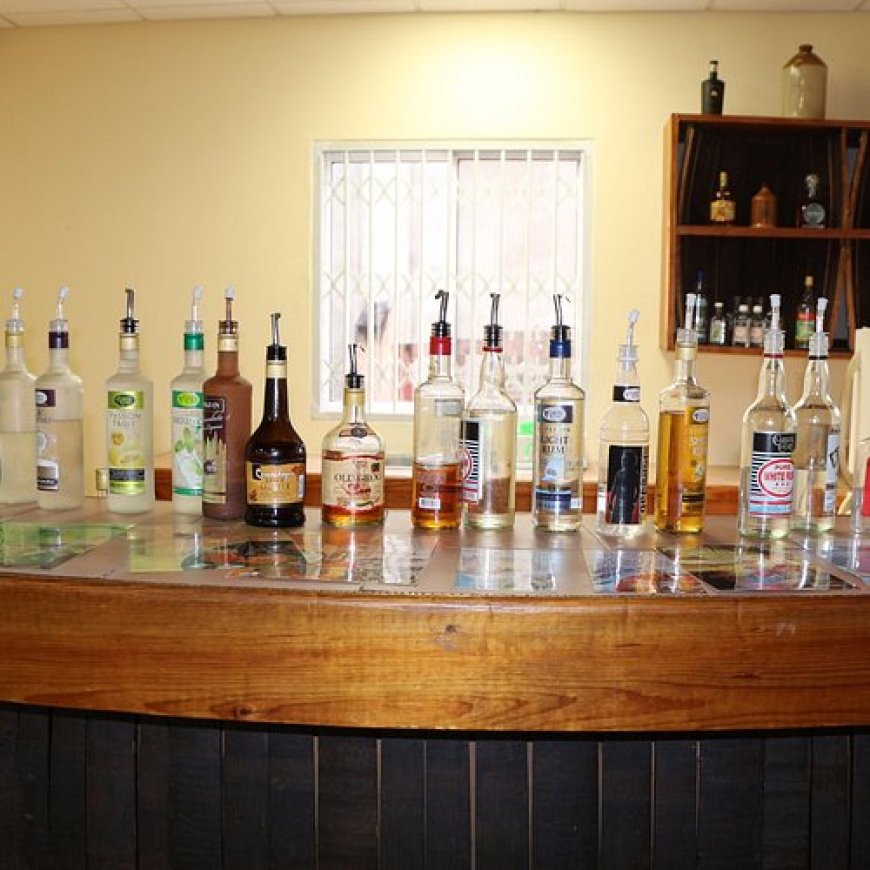
The Ultimate Rum Guide: Top 10 Distilleries You Must Visit in the Caribbean

The Caribbean is the global center of rum production. Sugarcane, tropical climate, and centuries of distilling history make the region unmatched for rum lovers. Many distilleries are open to visitors, offering tours, tastings, and insight into how rum is made from cane to cask.This guide covers 10 Caribbean rum distilleries that stand out for history, production scale, visitor access, and global reputation.
1. Mount Gay Rum Distillery - Barbados
Founded: 1703
Why it matters: Oldest continuously operating rum distillery in the world
Rum style: Light to medium-bodied, column and pot still blends
Mount Gay is deeply linked to Barbados’ identity as the birthplace of rum. The distillery uses molasses and traditional fermentation methods. Visitors can tour the estate, see aging warehouses, and taste flagship rums like Mount Gay Eclipse and Black Barrel.
Visitor highlights:
- Guided production tours
- Tasting sessions
- Cocktail-making classes
2. Appleton Estate - Jamaica
Founded: 1749
Rum style: Full-bodied Jamaican rum using pot stills
Key feature: Estate-grown sugarcane
Appleton Estate produces some of the most recognizable Jamaican rums. The distillery controls the entire process from sugarcane cultivation to distillation and aging. Jamaican pot stills create strong, aromatic rums known worldwide.
Visitor highlights:
- Cane fields and milling tour
- Distillation walkthrough
- Tasting of aged expressions
3. Bacardi Distillery (Casa Bacardi) - Puerto Rico
Founded: 1862 (Puerto Rico operations began in 1936)
Rum style: Light, clean, column-still rum
Scale: One of the largest rum distilleries in the world. Casa Bacardi is modern, efficient, and visitor-focused. While most production areas are restricted, the visitor centre offers strong educational experiences about rum history and Bacardi’s global reach.
Visitor highlights:
- Interactive exhibits
- Cocktail-focused tastings
- Mycology classes
4. Havana Club Rum Museum - Cuba
Founded: 1934
Rum style: Cuban-style aged rum
Note: Cuban Havana Club is distinct from the brand sold in the U.S.
The Havana Club Rum Museum in Old Havana provides insight into traditional Cuban rum-making. Cuba’s rum style emphasizes balance and aging under warm conditions.
Visitor highlights:
- Small-scale working still
- Barrel aging displays
- Classic Cuban rum tastings
5. Brutal Rum Distillery - Dominican Republic
Founded: 1888
Rum style: Dry, oak-aged rum
Known for: Long aging in American oak barrels
Brutal is one of the Caribbean’s largest rum exporters. The company focuses on aging consistency and climate-controlled warehouses, which help regulate the intense Caribbean heat.
Visitor highlights:
- Aging process explanation
- Brand history tour
- Sampling of aged rums
6. El Dorado Distillery (Demerara Distillers) – Guyana
Founded: 1670s (modern company formed later)
Rum style: Rich, dark Demerara rum
Key feature: Rare wooden stills.This distillery operates historic wooden pot and column stills that are no longer found elsewhere. These stills produce heavy, complex rums used in El Dorado expressions.
Visitor highlights:
- Wooden still demonstrations
- Deep dive into Demerara rum history
- Premium tasting sessions
7. Ron Zacapa Experience - Guatemala
Founded: 1976
Rum style: Sol era-aged rum
Unique process: Aged at high altitude (over 7,500 feet)
Although not on an island, Guatemala is culturally tied to Caribbean rum traditions. Zacapa ages rum in cooler mountain climates, slowing maturation and controlling evaporation.
Visitor highlights:
- Sol era aging explanation
- Barrel variety education
- Structured tastings
8. Angostura Distillery - Trinidad & Tobago
Founded: 1824
Rum style: Balanced, column-still rum
Also known for: Angostura bitters
Angostura is one of the Caribbean’s most technically advanced rum producers. Its rums are widely used for blending and cocktails.
Visitor highlights:
- Industrial-scale distillation tour
- Rum and bitters history
- Sampling of multiple styles
9. Saint James Distillery - Martinique
Founded: 1765
Rum style: Rheum Agricola (made from fresh sugarcane juice)
Protected status: AOC Martinique
Unlike molasses-based rum, rheum Agricola uses fresh cane juice. Saint James is a leading producer under strict French agricultural standards.
Visitor highlights:
- Cane juice fermentation process
- AOC regulations explanation
- Distinct grassy rum tastings
10. Foursquare Rum Distillery - Barbados
Founded: 1996 (estate history dates earlier)
Rum style: Traditional, no-additive rum
Known for: Transparency in production
Foursquare is respected for rejecting artificial sweeteners and additives. It combines traditional pot stills with modern column stills to create pure expressions.
Visitor highlights:
- Detailed technical tours
- Focus on aging and blending
- Sampling of limited releases
- How to Plan a Rum Distillery Visit
- Check tour schedules in advance (many require booking)
- Verify age requirements (usually 18+)
- Plan transportation if tastings are involved
- Respect export limits when buying bottles
Final Takeaway
The Caribbean offers unmatched access to rum history, production techniques, and flavour diversity. From Barbados and Jamaica to Martinique and Guyana, each distillery reflects its island’s culture and climate. Visiting these distilleries gives travellers a deeper understanding of rum beyond the bottle-and shows why the Caribbean remains the heart of global rum production.
What's Your Reaction?
 Like
0
Like
0
 Dislike
0
Dislike
0
 Love
0
Love
0
 Funny
0
Funny
0
 Angry
0
Angry
0
 Sad
0
Sad
0
 Wow
0
Wow
0