

































Offshore Opportunities: Tax Havens and Business Setup Tips for 2026
Offshore jurisdictions in 2026 remain useful for global entrepreneurs, especially those running consulting, digital, investment, or holding companies. Leading destinations like the UAE, Cayman Islands, BVI, Singapore, Mauritius, and Panama continue offering low or zero taxes on foreign-sourced income, along with fast incorporation options.

1. Why Offshore Structures Are Still Relevant in 2026

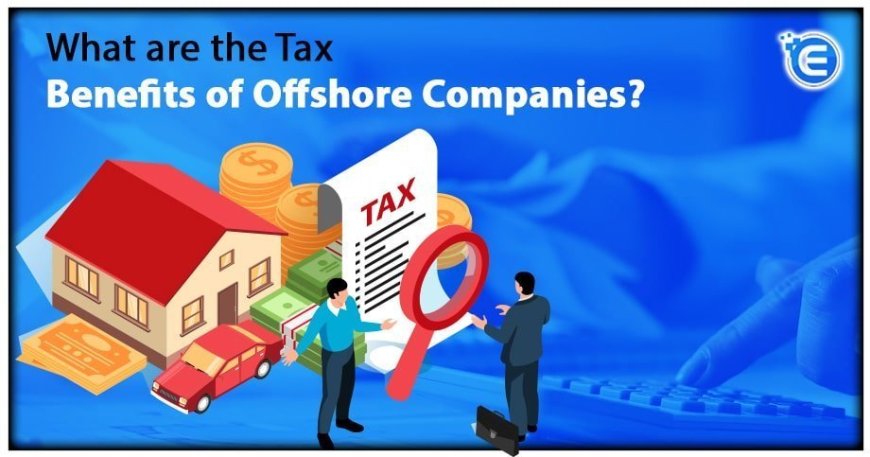
Global businesses continue using offshore entities for operational flexibility, shared-service hubs, and cross-border tax neutrality.Regulatory pressure has increased since 2020, but jurisdictions that comply with OECD and FATF standards remain viable.Digital businesses, consulting firms, holding companies, and IP ventures still benefit from low-tax or zero-tax rules when structured correctly.
2. What Qualifies a Jurisdiction as a “Tax Haven” in 2026
Low or zero corporate tax on foreign-sourced income.Territorial tax systems, meaning only locally earned income is taxed.Simple incorporation processes with fast approval timelines.Flexible ownership rules, allowing 100% foreign shareholding.Stable banking sector with multi-currency accounts.Information-exchange compliance under CRS, ensuring access to global services without blacklist risks.
3. Leading Offshore Jurisdictions to Watch in 2026
A. United Arab Emirates (UAE) – Free Zones & Offshore
Maintains 0% tax on most free-zone companies if they qualify under the “Qualifying Income” rules.Mandatory 9% corporate tax applies only to non-qualifying and mainland income.Popular for e-commerce, consulting, finance, and holding structures due to easy residency options.
B. Cayman Islands
Corporate tax remains 0% on all income.Known for investment funds, SPVs, fintech, and global holdings.Economic-substance rules require minimal but active oversight (annual filings, registered office, proof of local activities).
C. British Virgin Islands (BVI)
Attracts holding and asset-protection structures.Still uses a 0% corporate tax model on foreign-sourced income.New substance rules require financial reporting but not physical office presence for simple holding companies.
D. Singapore
Not a “tax haven” but a tax-efficient hub.Corporate tax: 17%, but incentives reduce effective rates for IP, fintech, and regional HQs.Strong banking, IP protection, and reputation for transparent regulation.
E. Mauritius
Offers 1.5%–3% effective corporate tax for global business companies.Common choice for African and Asian investment holdings.Supports tax treaties with India, South Africa, and several emerging markets.
F. Panama
The territorial system taxes only local income.Foreign-sourced earnings are tax-free.Popular for logistics, maritime companies, and asset-holding structures.
4. Business Models That Gain the Most from Offshore Setup
Consulting and remote-service firms (international clients).Digital products, SaaS, affiliate marketing, and online education businesses.Investment holding vehicles for real estate, equities, and cross-border joint ventures.IP licensing entities managing patents, software rights, or digital assets.Family offices and asset-protection trusts.
5. Key Costs to Expect When Setting Up Offshore in 2026
- Incorporation fees: USD 1,000–5,000 depending on jurisdiction.
- Annual government/license fees: USD 500–3,000.
- Registered agent/office fees: USD 300–2,000 annually.
- Bank account opening fees: USD 500–1,200 in some jurisdictions.
- Economic substance costs: additional if physical operations or employees are required.
6. Banking Realities for 2026
Offshore companies must pass strict AML and KYC policies.Banks now request proof of real business activity contracts, invoices, supplier details.Opening accounts in Europe/Asia is possible but slower; many firms choose digital banks or EMI accounts.Multi-currency accounts are beneficial for USD, EUR, GBP, and AED transactions.
7. Compliance Requirements Entrepreneurs Cannot Ignore
CRS reporting: Your offshore company will share financial info with the country of tax residence.
Economic Substance Tests: Holding companies face lighter requirements, but trading/income-generating companies need documented activities.
Transfer Pricing Rules: Related-party transactions must follow OECD standards.
Annual filings: Most jurisdictions require basic financial statements, even if taxes are zero.
8. The Right Way to Use Offshore Companies in 2026
Focus on legitimate international operations, not hiding income or avoiding tax residency rules.Maintain clear records of invoices, contracts, and business purposes.Ensure your home-country tax rules allow for foreign income deferral or exemption.For digital businesses, maintain digital proof of operations and client contracts.
9. Red Flags That Risk Blacklisting or Account Closure
Shell companies with no activity or unclear business model.Mismatch between declared operations and bank transactions.Ownership structures hiding beneficial owners.Using jurisdictions currently monitored by OECD or FATF.
10. Practical Step-by-Step Offshore Setup Guide for 2026
Define your business goal : holding, trading, IP, consulting, or investments.Select jurisdiction based on tax rules, treaties, banking strength, and reporting expectations.
Choose a company type : LLC, IBC, Free-Zone Company, or Holding Company.
Prepare documentation : passport, proof of address, business plan, KYC.
Incorporate with a licensed agent : average turnaround 1–10 days.
Open a corporate bank account : provide compliance documents and expected transaction volumes.
Ensure substance compliance : virtual office, local agent, or real staff depending on rules.
Set accounting practices : maintain invoices, statements, annual returns.Review tax implications in your home country.Renew licenses and filings annually to keep the entity active.
11. What’s changing in 2026?
More countries adopting minimum corporate tax frameworks aligned with OECD Pillar Two.Increased focus on substance over location offshore entities must show economic activity.Digital banks tightening screening for high-risk jurisdictions.Investors prefer compliant jurisdictions like UAE, Singapore, and Mauritius.
12. Conclusion
Offshore opportunities in 2026 are shifting toward transparent, compliant, and activity-based structures. Entrepreneurs who plan properly, select the right jurisdiction, and maintain strong documentation can still access low-tax environments while operating within global regulations.
What's Your Reaction?
 Like
0
Like
0
 Dislike
0
Dislike
0
 Love
0
Love
0
 Funny
0
Funny
0
 Angry
0
Angry
0
 Sad
0
Sad
0
 Wow
0
Wow
0