
































Working Remotely While Managing Caribbean Investments
Working Remotely While Managing Caribbean Investments explains how modern technology has made it possible for investors to oversee Caribbean assets while maintaining a remote career from another country. The article explores why the Caribbean attracts international investors through opportunities in real estate, tourism, hospitality, renewable energy, and other growing sectors. It discusses how cloud-based software, online banking, video conferencing, and property management platforms allow investors to monitor finances, communicate with local teams, handle bookings, and review reports without being physically present. The guide emphasizes the importance of building a reliable local network of attorneys, accountants, property managers, contractors, and financial advisors, while also addressing legal due diligence, tax responsibilities, cybersecurity, insurance, hurricane preparedness, and sustainability trends. Overall, the article concludes that successful remote investment in the Caribbean depends on combining digital efficiency with strong local partnerships, disciplined financial oversight, and long-term strategic planning.


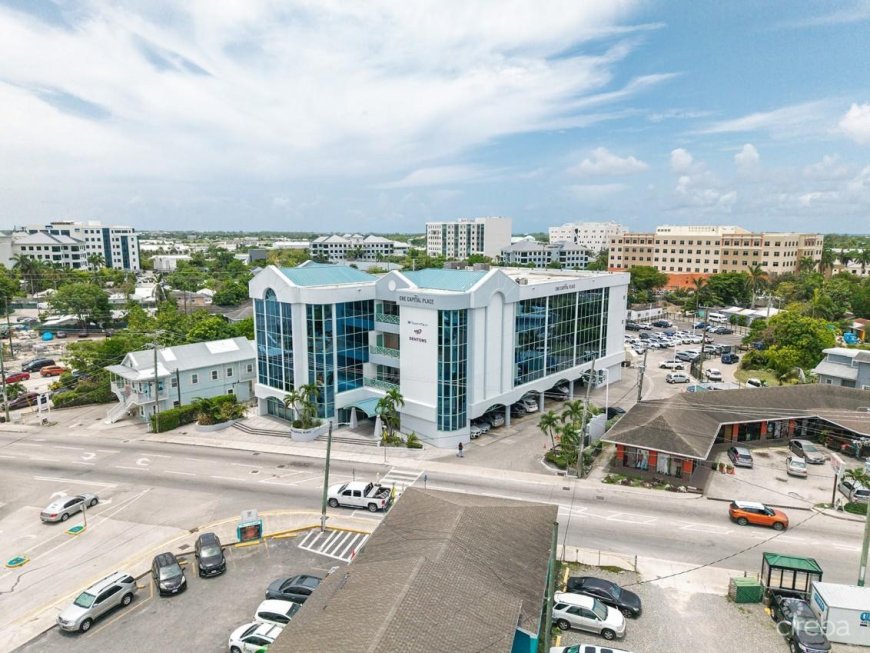
The growth of remote work has changed how people build careers, run businesses, and manage investments. High-speed internet, cloud-based software, secure online banking, and virtual communication platforms have made it possible for investors to oversee assets from almost anywhere in the world. This shift has been especially important for people interested in the Caribbean, a region that offers opportunities in real estate, tourism, hospitality, renewable energy, agriculture, and marine industries. Instead of relocating permanently or making frequent international trips, many investors now manage Caribbean investments while continuing to work remotely from another country.

Remote investment management does not eliminate the need for planning or local expertise. Successful investors combine digital tools with trusted professional networks on the ground. They regularly monitor financial performance, communicate with local partners, stay informed about regulatory changes, and make strategic decisions without being physically present. While this approach saves time and reduces travel expenses, it also requires strong organization, careful risk management, and reliable technology. Understanding how remote work fits into investment management is becoming increasingly important as international business becomes more connected.
Why the Caribbean Attracts Remote Investors
The Caribbean consists of more than twenty island nations and territories, each with its own economy, legal system, investment regulations, and business environment. Although these markets differ significantly, they share several characteristics that continue to attract international investors. Tourism remains one of the region's largest economic sectors, creating opportunities in hotels, vacation rentals, restaurants, marinas, transportation services, and recreational activities. Growing interest in sustainable tourism and eco-friendly development has also encouraged investment in renewable energy projects, environmentally responsible resorts, and conservation initiatives.
Real estate continues to be one of the most popular investment sectors across the Caribbean. Residential villas, beachfront apartments, vacation homes, and commercial properties generate income through long-term rentals, short-term holiday stays, or future appreciation in value. Several Caribbean countries also offer residency or citizenship-by-investment programs that have increased international demand for qualifying real estate developments. These opportunities appeal to investors seeking portfolio diversification while maintaining the flexibility to manage assets remotely.
Beyond tourism and property, Caribbean governments are investing in infrastructure, digital connectivity, agriculture, renewable energy, financial services, and technology. Improved internet access and expanding digital services have made remote management far more practical than it was only a decade ago.
Combining Remote Work with Investment Management
Many professionals now maintain full-time remote careers while simultaneously managing investment portfolios. Software developers, consultants, financial analysts, entrepreneurs, and online business owners often use flexible schedules to monitor international investments throughout the day.
A typical routine might begin with reviewing overnight financial reports, checking rental bookings, responding to property management updates, approving maintenance requests, and attending virtual meetings before beginning regular work responsibilities. Because many Caribbean countries operate within similar time zones to North America, communication during business hours remains relatively convenient.
Remote investors benefit from cloud-based systems that provide immediate access to financial statements, occupancy reports, maintenance records, legal documents, and market updates. Instead of waiting for monthly paper reports, investors can review real-time information through secure online dashboards.
Technology Makes Remote Investing Possible
Modern technology serves as the foundation of successful remote investment management. High-speed internet allows investors to communicate instantly with lawyers, accountants, property managers, contractors, and financial advisors regardless of location.
Cloud storage systems securely organize contracts, property records, insurance policies, tax documents, inspection reports, and business correspondence. Video conferencing platforms reduce the need for expensive international travel by allowing investors to discuss projects face-to-face with local partners.
Online banking has simplified international financial management. Investors can transfer funds, pay invoices, review account activity, and monitor cash flow without visiting physical bank branches. Many financial institutions now offer mobile applications with enhanced security features, including biometric authentication and multi-factor verification.
Project management software also helps organize ongoing work by tracking maintenance schedules, renovation progress, tenant communication, deadlines, and contractor responsibilities.
Managing Caribbean Real Estate from Abroad
Real estate remains one of the easiest Caribbean investments to supervise remotely when supported by experienced local professionals. Property management companies play an essential role by handling day-to-day operations on behalf of owners.
Their responsibilities often include tenant communication, rent collection, maintenance coordination, cleaning services, landscaping, utility payments, emergency repairs, and regular property inspections. Many companies provide detailed monthly reports containing occupancy statistics, financial summaries, photographs, maintenance expenses, and recommendations for future improvements.
Owners of vacation rentals frequently use online booking platforms that automatically manage reservations, pricing calendars, guest communication, and payment processing. These systems allow investors to monitor occupancy levels and revenue from virtually anywhere.
Despite these digital advantages, periodic personal visits remain valuable. Visiting a property once or twice each year allows investors to inspect building conditions, meet local partners, and better understand changing market conditions.
Building a Reliable Local Team
Successful remote investment depends heavily on trustworthy local relationships. Even the most advanced technology cannot replace experienced professionals who understand local regulations, business practices, and market conditions.
A strong local network typically includes a qualified attorney, accountant, property manager, contractor, insurance representative, and financial advisor. These professionals provide practical guidance while helping investors respond quickly to unexpected situations.
Selecting experienced service providers requires careful research. Investors should review professional qualifications, request references, examine previous work, and clearly define responsibilities before entering long-term agreements.
Regular communication strengthens these partnerships and helps identify potential problems before they become costly.
Understanding Legal and Tax Responsibilities
Each Caribbean jurisdiction maintains its own property laws, business regulations, tax policies, and foreign ownership requirements. Investors should never assume that procedures remain consistent across different islands.
Legal due diligence before purchasing any investment remains essential. Independent legal advisors should verify ownership records, zoning regulations, permits, outstanding debts, environmental restrictions, and contractual obligations.
Tax obligations may include property taxes, rental income taxes, capital gains taxes, corporate taxes, or withholding requirements depending on both the investment location and the investor's country of residence. Professional tax advice helps ensure compliance while identifying available deductions or treaty benefits.
Keeping organized digital records throughout the year simplifies tax reporting and reduces administrative stress.
Managing Financial Performance Remotely
Remote investors must regularly evaluate investment performance rather than relying solely on annual reports.
Monthly financial reviews should examine income, expenses, occupancy rates, maintenance costs, insurance premiums, loan payments, and reserve funds. Monitoring these indicators helps identify developing trends before they affect profitability.
Digital accounting software automatically generates reports, tracks invoices, categorizes expenses, and reconciles financial transactions. These systems reduce manual record keeping while improving financial transparency.
Maintaining emergency reserve funds remains equally important. Unexpected repairs, severe weather, temporary vacancies, or economic downturns can affect short-term cash flow, making financial preparedness essential.
Risk Management and Insurance
Every investment carries risk, and Caribbean assets face several unique challenges. Tropical storms, hurricanes, coastal erosion, rising insurance costs, and changing tourism patterns all require careful planning.
Comprehensive insurance coverage protects buildings, business operations, liability exposure, and natural disaster risks. Policies should be reviewed regularly to ensure coverage reflects current property values and changing environmental conditions.
Diversification also reduces overall investment risk. Instead of concentrating assets within one location or industry, many investors spread investments across multiple Caribbean markets and asset classes.
Maintaining updated emergency response plans enables property managers to react quickly following hurricanes or other unexpected events.
Cyber security for Remote Investors
Because remote investment depends heavily on digital communication, cyber security has become increasingly important.
Strong passwords, encrypted communication platforms, secure Wi-Fi networks, multi-factor authentication, and regularly updated software help protect sensitive financial information.
Investors should remain cautious when opening unexpected email attachments or responding to requests involving financial transfers. Verifying payment instructions through secondary communication channels reduces the risk of fraud.
Regular data backups ensure important documents remain accessible even if hardware problems or cyber attacks occur.
Sustainability and Long-Term Investment Trends
Sustainability has become a major consideration throughout the Caribbean investment landscape. Governments, developers, and travelers increasingly prioritize environmentally responsible projects that reduce energy consumption and protect natural resources.
Solar energy installations, rainwater harvesting systems, efficient building materials, waste reduction programs, and environmentally certified tourism developments have gained greater attention in recent years.
Many travelers actively seek accommodations that demonstrate sustainable operating practices, creating additional market opportunities for environmentally responsible investors.
Investments supporting renewable energy, climate resilience, and sustainable infrastructure may benefit from growing government support and changing consumer preferences over the coming decade.
Balancing Remote Work and Investment Responsibilities
Managing investments while maintaining a remote career requires discipline. Investors benefit from establishing consistent schedules dedicated to reviewing reports, responding to messages, and making strategic decisions.
Time management becomes especially important when balancing professional employment with investment oversight. Setting aside specific periods each week for financial reviews prevents investment responsibilities from interfering with primary work commitments.
Automation also reduces administrative workload. Scheduled financial reports, automatic bill payments, cloud backups, and calendar reminders streamline routine tasks while allowing investors to focus on long-term planning.
Maintaining realistic expectations remains equally important. Even well-managed investments occasionally require urgent attention, making flexibility an essential part of successful remote ownership.
Conclusion
Working remotely while managing Caribbean investments has become increasingly practical thanks to advances in digital technology, online banking, cloud computing, and virtual communication. Investors no longer need to live near their properties or businesses to remain actively involved in decision-making. Instead, they can oversee operations, monitor financial performance, communicate with local professionals, and respond to changing market conditions from almost anywhere with a reliable internet connection.
However, successful remote investment depends on far more than technology alone. Strong local partnerships, careful legal planning, sound financial management, effective cyber security, and ongoing market awareness remain fundamental to long-term success. Whether investing in vacation rentals, commercial real estate, tourism businesses, renewable energy, or other Caribbean industries, combining digital efficiency with trusted local expertise creates the strongest foundation for sustainable growth.
As remote work continues expanding worldwide and Caribbean economies invest further in digital infrastructure, opportunities for international investors are likely to become even more accessible. Those who approach remote investment with careful planning, realistic expectations, and a commitment to responsible management will be well positioned to benefit from the region's evolving economic landscape while enjoying the flexibility that modern remote work makes possible.
What's Your Reaction?
 Like
0
Like
0
 Dislike
0
Dislike
0
 Love
0
Love
0
 Funny
0
Funny
0
 Angry
0
Angry
0
 Sad
0
Sad
0
 Wow
0
Wow
0