











Caribbean Carnival Guide By Island & Month
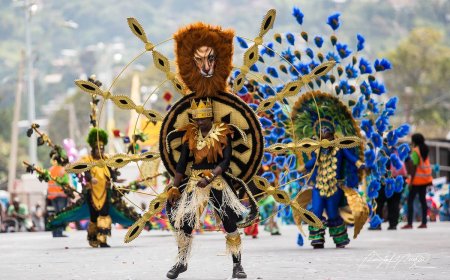
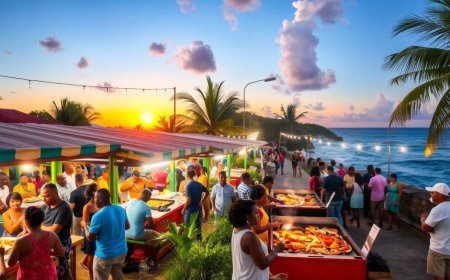
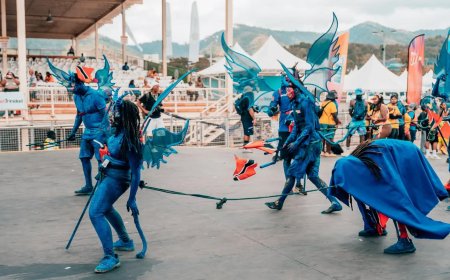
Caribbean carnival is a year-round series of cultural festivals held across different islands, each with its own schedule, traditions, and style. While many carnivals originated from pre-Lenten celebrations, several islands now host events in summer months to attract tourism. The carnival calendar begins in December–January with events in St. Kitts and Bahamas. February is one of the most important periods, featuring major traditional carnivals in Trinidad and Tobago, Dominican Republic, and Aruba. From April onward, modern carnivals such as Jamaica Carnival begin to grow in popularity. The peak season runs from June to August, with large-scale events in St. Lucia, Barbados, Antigua and Barbuda, and Grenada. Each carnival typically includes key elements such as J’ouvert (early morning celebrations), Parade of the Bands, music competitions, and street parties. However, the size and style vary from large international festivals to smaller local events.

Caribbean carnival is one of the most important cultural traditions across the region. It is not a single event but a series of festivals held throughout the year on different islands. Each carnival reflects local history, music, and community identity, while sharing common elements such as street parades, costumes, and live performances.

For travellers, understanding when and where each carnival takes place is essential. Some events are tied to the pre-Lenten calendar, while others have been moved to summer months to increase tourism. This guide provides a detailed, month-by-month breakdown of Caribbean carnivals, including major islands, event structures, travel timing, and practical planning advice.
What Defines Caribbean Carnival
Caribbean carnivals originated from a mix of African traditions, European colonial festivals, and post-emancipation celebrations. Over time, these influences created a structured format that is now widely recognized.
Most carnivals include:
- J’ouvert – early morning street celebration before sunrise
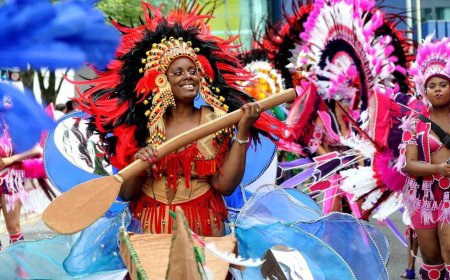
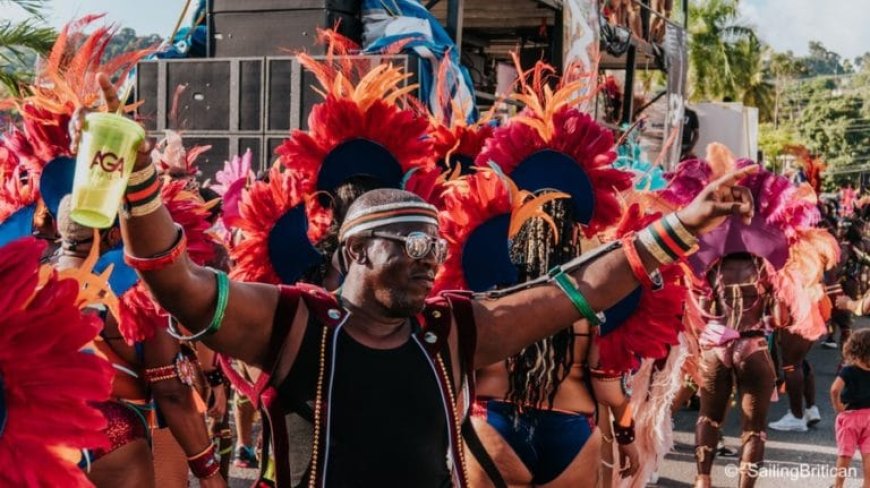
- Parade of the Bands – organized costume groups moving through streets
- Music competitions – mainly soca and calypso
- Steelpan performances – orchestral music using steel drums
- All-inclusive parties – ticketed events with food and drinks
- Although the format is similar, each island has its own schedule, scale, and style.
January New Year Carnival Season
St. Kitts - Sugar Mas Carnival
Timing: Late December to early January. St. Kitts hosts one of the few carnivals that spans the New Year period. Known as “Sugar Mas,” it combines traditional masquerade with modern music events.
Key events:
- Opening street parade in late December
- New Year’s Day Grand Parade
- Last Lap street celebration
What makes it different:
Mix of traditional folklore characters and modern carnival bands. Strong participation from local communities
Travel note:
This is a peak holiday period. Flights and hotels are priced higher due to both carnival and New Year tourism.
February Traditional Pre-Lent Carnivals
February is one of the most important months for Caribbean carnival, as many events follow the Christian calendar before Lent.
Dominican Republic – Carnaval Dominicano
Timing: Every Sunday in February
Unlike other carnivals, this is not limited to one city. Celebrations take place across multiple locations, including Santo Domingo and La Vega.
Key features:
- Weekly parades rather than a single event
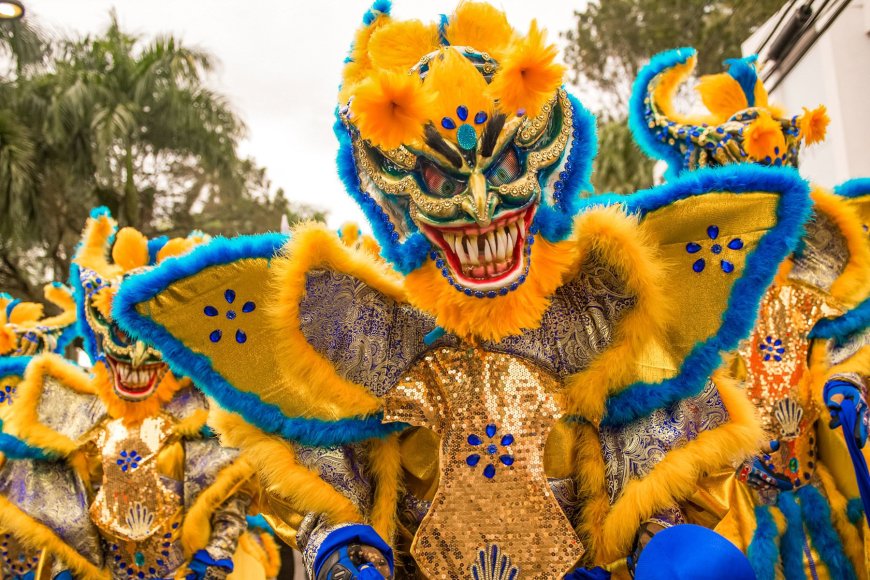
- Traditional masked characters such as “Diablos Cojuelos”
- Final national parade at the end of the month
Travel insight:
- Visitors can attend multiple parades across different cities, making it a flexible travel option.
- Aruba – Aruba Carnival
- Timing: January to February
- Aruba’s carnival is one of the longest-running in the Caribbean, lasting several weeks.
Key events:
- Lighting Parade (night parade with illuminated costumes)
- Children’s Parade
- Grand Carnival Parade
What stands out:
- Well-organized schedule
- Strong focus on music competitions
- Trinidad and Tobago – Trinidad Carnival
- Timing: February or early March (before Lent)
This is widely regarded as the largest and most influential carnival in the Caribbean. Many other islands model their events after it.
Main events:
- J’ouvert (pre-dawn street celebration)
- Carnival Monday and Tuesday parades
- Soca Monarch and Calypso competitions
Travel insight:
- Accommodation sells out months in advance. Booking early is essential.
- March Low Activity Period
- March is generally a quieter month for carnival events. Most major pre-Lenten carnivals have ended.
Advantages of travelling in March:
- Lower accommodation costs
- Fewer crowds
- Easier flight availability
- Some smaller local festivals may still occur, but large-scale carnivals are limited.
- April Growing Modern Carnivals
- Jamaica – Jamaica Carnival
- Timing: April (around Easter)
Jamaica Carnival is one of the fastest-growing events in the region. It focuses on modern party culture and attracts international visitors.
Key elements:
- Road march (main parade)
- Beach parties
- Music events with DJs and live performances
What makes it different:
- Less traditional, more focused on entertainment and tourism
- Strong influence from international music trends
- May Smaller National Carnivals
- Cayman Islands – Batabano Carnival
- Timing: May
Batabano is the national carnival of the Cayman Islands. It is smaller in scale but follows the standard carnival structure.
Key features:
- Street parade
- Costume bands
- Cultural showcases
Travel note:
- This event is less crowded, making it suitable for first-time carnival visitors.
- June Start of Peak Carnival Season
- St. Lucia – Saint Lucia Carnival
- Timing: Late June to July
- Saint Lucia shifted its carnival from February to summer to align with tourism demand.
Main events:
- J’ouvert
- Parade of the Bands
- Soca and calypso competitions
Why it matters:
- Marks the beginning of the high-season carnival period
- Increasing international participation
- July High Activity Across Multiple Islands
- July is one of the busiest months for Caribbean carnival.
- Antigua and Barbuda Antigua Carnival
- Timing: Late July to early August
- This carnival commemorates the abolition of slavery in Antigua.
Key events:
- Opening ceremony
- Music competitions
- Carnival parades
Cultural significance:
- Strong historical connection
- Community participation is high
- Barbados – Crop Over Festival
- Timing: June to early August
Crop Over is one of the longest-running festivals in the Caribbean, originally linked to the sugar cane harvest.
Main events:
- Foreday Morning (similar to J’ouvert)
- Grand Kadooment Day (final parade)
- Music competitions
Travel insight:
- This event attracts a large number of international visitors, especially during the final week.
- August- Peak Carnival Month
- August is the most active carnival month, with multiple islands hosting major events.
- Grenada Spicemas Carnival
- Timing: August
- Spicemas is known for its strong traditional elements.
Key features:
- Jab Jab (participants covered in oil or paint)
- Street parades
- Music competitions
- Anguilla Anguilla Summer Festival
- Timing: Late July to early August
- This event combines carnival elements with local traditions such as boat racing.
Highlights:
- Beach parties
- Cultural shows
- Street parades
- Dominica Summer Festival Season
- While Dominica’s main carnival is in February, August includes related cultural events and music festivals.
- September- Off-Peak Period
- September has fewer major carnivals.
Benefits for travellers:
- Lower hotel rates
- Fewer crowds
- Easier bookings
- This is a good time for budget travel, but not ideal for carnival-focused trips.
- October- Limited Events
- October includes small local festivals rather than large carnivals.
- Some islands host cultural celebrations, but these are typically smaller and less structured.
- November- Pre-Holiday Build-Up
- Carnival activity begins to increase slightly as islands prepare for December events.
Travel during this period offers:
- Moderate pricing
- Fewer crowds
- Early access to holiday festivities
- December - Holiday Carnival Season
- Bahamas – Junkanoo
- Timing: December 26 and January 1
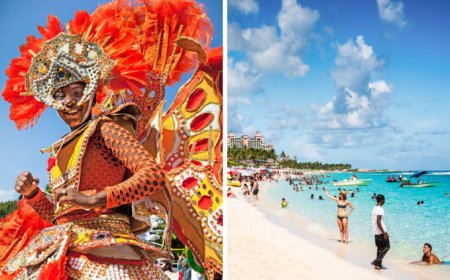
- Junkanoo is one of the most structured festivals in the Caribbean.
Key features:
- Competitive parade groups
- Choreographed performances
- Detailed costumes
What makes it unique:
- Focus on competition rather than free-form street celebration
- Strong cultural identity
- How to Choose the Right Carnival
- Choosing the right carnival depends on your travel goals.
- For Large-Scale Events
- Trinidad and Tobago
Barbados
- For Balanced Experience
- St. Lucia
- Antigua and Barbuda
- For Smaller Crowds
- Cayman Islands
Anguilla
- Cost Breakdown for Travellers
- Typical carnival expenses include:
- Flights: Increase during peak months
- Hotels: 20–50% higher during carnival
- Costumes: $100–$1000+
- Event tickets: Vary depending on access level
- Practical Travel Tips
- Book Early
- Flights and hotels sell out quickly for major carnivals.
- Stay Near Event Zones
- Reduces transport time and cost.
- Plan for Multiple Events
- Carnival is not a single-day experience. Most events run for several days or weeks.
- Use Local Transport
- Traffic restrictions are common during parades.
- Safety Considerations
- Keep valuables secure
- Stay hydrated
- Follow local safety guidelines
- Travel in groups when attending night events
Conclusion
Caribbean carnivals take place throughout the year, with February and June to August being the most active periods. Each island offers a different experience, from traditional pre-Lenten festivals to modern summer celebrations designed for international visitors.
Understanding the month-by-month carnival calendar allows travellers to plan effectively and choose events that match their interests, budget, and travel schedule.
Whether attending a large-scale event in Trinidad and Tobago or a smaller festival in Cayman Islands, Caribbean carnival provides a structured and immersive cultural experience that combines music, performance, and community participation.
What's Your Reaction?
 Like
0
Like
0
 Dislike
0
Dislike
0
 Love
0
Love
0
 Funny
0
Funny
0
 Angry
0
Angry
0
 Sad
0
Sad
0
 Wow
0
Wow
0