








Indigenous Caribbean Communities: Travel Respectfully
Indigenous Caribbean communities, including the Taíno, Kalinago, and Garifuna, continue to exist and actively preserve their cultural identities despite the impacts of colonization. Their traditions influence modern Caribbean life through language, food, agriculture, and cultural practices. Indigenous tourism is growing in places like Dominica and parts of Central America, offering experiences such as cultural tours, craft demonstrations, and traditional food. These initiatives are most beneficial when they are community-led and economically support Indigenous populations. Respectful travel is essential. Visitors should educate themselves before visiting, support authentic local experiences, respect cultural boundaries, ask permission for photography, and avoid stereotypes. Understanding the historical and cultural significance of Indigenous communities helps ensure tourism contributes positively rather than causing harm. Overall, responsible travel can support cultural preservation, economic independence, and accurate representation of Indigenous Caribbean communities, while careless behaviour can lead to exploitation and misrepresentation.
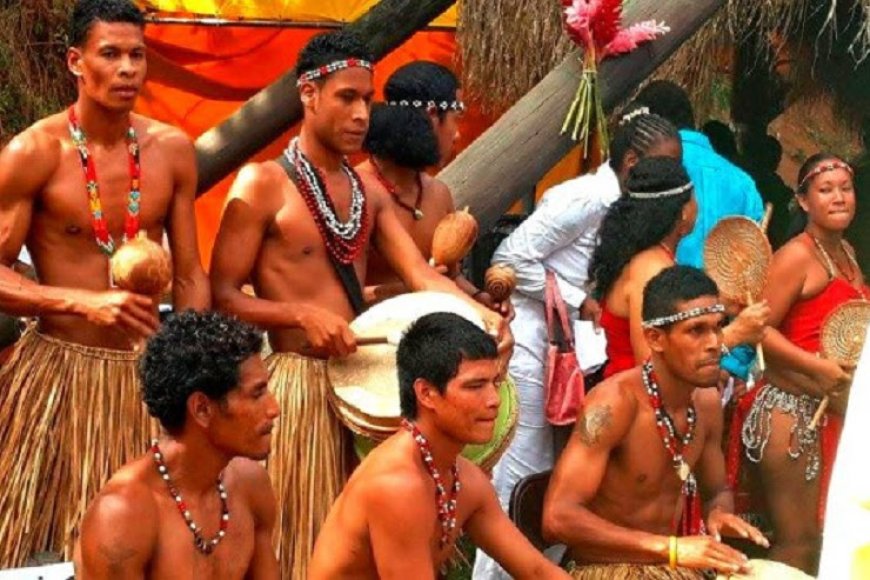
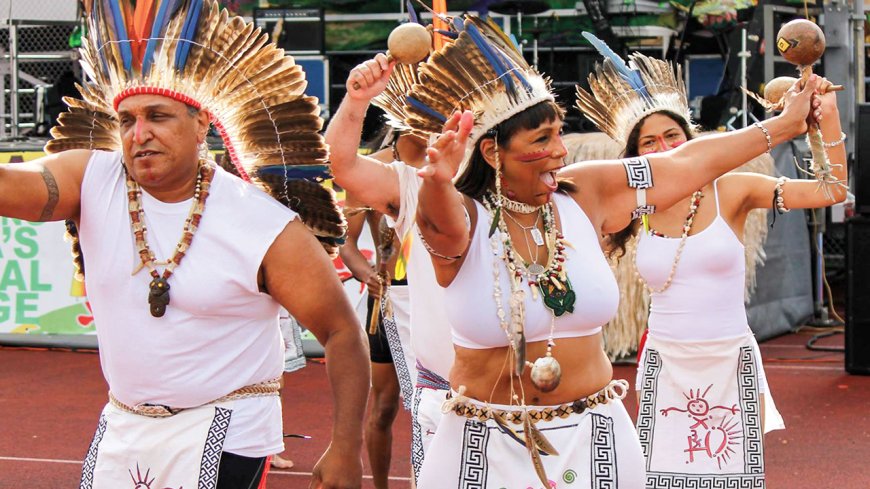
Travel in the Caribbean is often marketed around beaches, resorts, and cruises. But long before tourism economies developed, the region was home to complex Indigenous societies with deep knowledge systems, agricultural practices, languages, and spiritual traditions. Today, Indigenous Caribbean communities are still present sometimes visibly, sometimes through cultural revival and they are increasingly engaging with tourism on their own terms.

This article explores who these communities are, where travelers may encounter them, and how to engage respectfully and responsibly. The focus is on factual understanding, current realities, and practical guidance.
1. Understanding Indigenous Caribbean Identity
The Caribbean’s Indigenous history is often misunderstood. Many people assume Indigenous populations disappeared after European colonization. That is not accurate. Before 1492, the region was populated by several groups, including the Taíno, Kalinago, and other smaller communities such as the Ciguayo and Guanahatabey. Colonization led to population collapse due to disease, forced labor, and displacement. However, Indigenous identity did not disappear. It continued through:
- Intermarriage
- Cultural survival in rural areas
- Oral traditions
- Modern identity revival movements
Recent research and activism show that many Caribbean people still carry Indigenous ancestry and cultural practices.
2. Major Indigenous Groups in the Caribbean Today
The Taíno
The Taíno were the dominant group in the Greater Antilles (Cuba, Jamaica, Hispaniola, Puerto Rico, Bahamas) at the time of European arrival.
They developed:
- Agricultural systems based on cassava, maize, and sweet potatoes
- Structured societies led by caciques (chiefs)
- Spiritual systems centered on zemis (ancestral spirits)
Today, Taíno identity is experiencing a resurgence. Cultural organizations, especially in Puerto Rico and diaspora communities, are working to revive language, crafts, and traditions.
For travelers, Taíno heritage is often encountered through:
- Museums and cultural centers
- Community-led heritage tours
- Art, symbols, and language in everyday Caribbean culture
The Kalinago
The Kalinago are one of the few clearly continuous Indigenous communities in the Caribbean islands.
- Around 3,000–3,500 Kalinago live in a designated territory in Dominica
- They are descendants of the people historically called “Caribs”
- They resisted European colonization for centuries
Today, the Kalinago Territory in Dominica is a key site for cultural tourism. Visitors can learn about:
- Traditional basket weaving
- Canoe building
- Cassava processing
- Community governance
The Kalinago represent one of the strongest examples of Indigenous continuity in the Caribbean.
The Garifuna
- The Garifuna are a unique Afro-Indigenous group.
- They originated on St. Vincent through the mixing of African and Indigenous peoples
- After deportation by the British in 1797, they settled along Central America’s Caribbean coast
- Population estimates reach around 600,000 globally
Garifuna culture includes:
- A distinct Arawakan-based language
- Music and dance recognized by UNESCO
- Food traditions blending African and Indigenous elements
Travelers most often encounter Garifuna communities in:
- Belize
- Honduras
- Guatemala
Although geographically outside the island Caribbean, their origins and identity remain tied to the region.
3. Indigenous Cultural Influence Across the Caribbean
Even where distinct communities are less visible, Indigenous influence is widespread.
Examples include:
- Words like “hurricane,” “barbecue,” and “hammock” (Taíno origin)
- Staple foods such as cassava and techniques for preparing cassava bread, recently recognized by UNESCO
- Agricultural systems adapted to tropical environments
- Fishing and navigation knowledge
This means that even in heavily urban or tourism-focused islands, Indigenous heritage is embedded in daily life.
4. Indigenous Tourism in the Caribbean
Indigenous tourism is growing but remains uneven across the region.
Where it exists:
- Dominica (Kalinago Territory)
- Belize and Honduras (Garifuna communities)
- Puerto Rico and the Dominican Republic (Taíno cultural revival experiences)
What it includes:
- Cultural demonstrations
- Guided tours led by community members
- Craft workshops
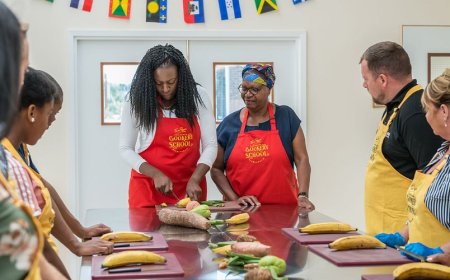
- Food experiences
- Storytelling and historical interpretation
- The key distinction is that Indigenous tourism should be:
- Community-led
- Economically beneficial to the community
- Respectful of cultural boundaries
5. Why Respectful Travel Matters
Indigenous Caribbean communities face several challenges:
- Historical marginalization
- Limited land rights in some areas
- Cultural appropriation in tourism
- Economic inequality
- Tourism can either help or harm, depending on how travelers behave.
Respectful travel supports:
- Cultural preservation
- Economic independence
- Accurate representation of history
Irresponsible tourism can reinforce stereotypes or exploit traditions.
6. Principles of Respectful Travel
1. Learn Before You Go
Understand basic history and context.
Avoid assumptions such as:
- “Indigenous people no longer exist here”
- “All Caribbean culture is the same”
Knowing the difference between Taíno, Kalinago, and Garifuna communities helps avoid oversimplification.
2. Choose Community-Led Experiences
Look for tours and experiences that are:
- Organized by Indigenous groups
- Based within Indigenous territories
- Transparent about where money goes
- This ensures your spending benefits the community directly.
3. Respect Cultural Boundaries
Not all traditions are meant for tourists.
Examples of boundaries:
- Sacred ceremonies
- Spiritual sites
- Certain forms of knowledge
Always ask before:
- Taking photos
- Recording videos
- Participating in activities
4. Avoid Stereotypes
Indigenous Caribbean communities are modern societies.
Avoid expecting:
- “Primitive” lifestyles
- Performances staged for tourists
- Uniform cultural expressions
These communities use smartphones, run businesses, and engage globally while maintaining traditions.
5. Support Authentic Craft and Food
Buying local products can help sustain cultural practices.
Examples:
- Basket weaving in Kalinago communities
- Cassava-based foods
- Garifuna dishes like hudutu
However:
- Avoid bargaining aggressively
- Understand the labor involved
6. Be Mindful of Language
Use correct terms when possible:
- “Kalinago” instead of outdated labels like “Carib”
- “Garifuna” instead of “Black Carib”
- Language reflects respect and awareness.
7. Understand Historical Sensitivity
Many Indigenous sites are linked to trauma.
For example:
- Forced displacement of the Garifuna
- Colonization impacts on Taíno populations
- Treat these sites with the same respect as memorials.
7. Common Mistakes Travelers Make
- Treating culture as entertainment
- Cultural demonstrations are not theme park shows. They represent real traditions.
- Taking photos without permission
- This is one of the most frequent complaints from Indigenous communities globally.
- Assuming access
- Just because a place is open to tourism does not mean all aspects are accessible.
- Ignoring local voices
- Guides and community members are the primary source of knowledge not external tour operators.
8. Ethical Photography and Social Media
If you plan to share your experience:
- Ask before photographing people
- Avoid posting sacred or private moments
- Provide context in captions
- Credit communities when possible
- Avoid turning people into “content.”
9. The Future of Indigenous Tourism in the Caribbean
There are several emerging trends:
- Cultural revival movements
- Taíno identity is gaining recognition, with more cultural programming and education initiatives.
- UNESCO recognition
- Traditional practices like cassava production are gaining international attention.
- Land and heritage protection
- Efforts such as preserving culturally significant sites linked to Garifuna history are ongoing.
- Community-controlled tourism
More Indigenous groups are creating their own tourism models rather than relying on external operators.
10. Practical Travel Tips
Before visiting Indigenous communities:
- Research official community websites or cultural organizations
- Check whether advance booking is required
- Dress modestly if visiting cultural or rural areas
- Bring cash for local purchases
- Be patient experiences may not follow strict schedules
11. Case Study: Visiting the Kalinago Territory
A visit to the Kalinago Territory in Dominica offers a useful example of respectful travel in practice.
Visitors typically experience:
- Guided tours led by Kalinago residents
- Demonstrations of traditional crafts
- Explanations of history from Indigenous perspectives
Responsible behavior includes:
- Listening more than speaking
- Asking informed questions
- Supporting local artisans
This model shows how tourism can function as both education and economic support.
12. Broader Impact of Respectful Travel
When done properly, tourism can:
- Strengthen cultural identity
- Create income opportunities
- Encourage younger generations to preserve traditions
When done poorly, it can:
- Commercialize sacred practices
- Spread misinformation
- Benefit outside businesses more than communities
- Travelers play a direct role in determining which outcome occurs.
Conclusion
Indigenous Caribbean communities are not relics of the past. They are active, evolving societies with distinct identities, histories, and priorities. Groups like the Taíno, Kalinago, and Garifuna continue to shape the cultural landscape of the region.Traveling respectfully requires more than good intentions. It requires awareness, restraint, and a willingness to learn directly from communities rather than about them. If you approach Indigenous tourism with curiosity, humility, and respect, your visit can contribute to cultural preservation rather than exploitation.
What's Your Reaction?
 Like
0
Like
0
 Dislike
0
Dislike
0
 Love
0
Love
0
 Funny
0
Funny
0
 Angry
0
Angry
0
 Sad
0
Sad
0
 Wow
0
Wow
0