


















Best Islands for Kiteboarding & Windsurfing
Kiteboarding and windsurfing depend on steady winds, open coastlines, and suitable water conditions. Many islands around the world provide these conditions because they are located in trade wind zones and have long sandy beaches with minimal wind obstruction. This makes islands some of the best destinations for wind-powered water sports.

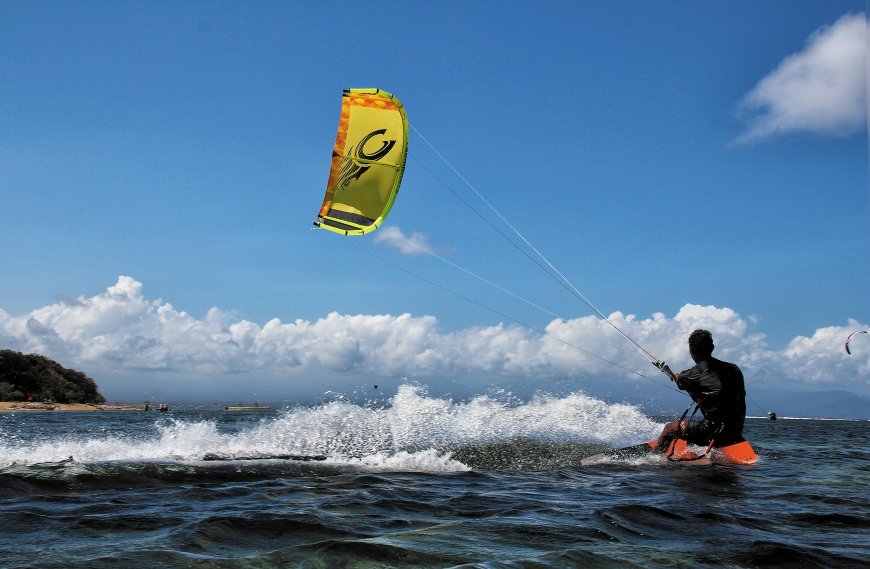
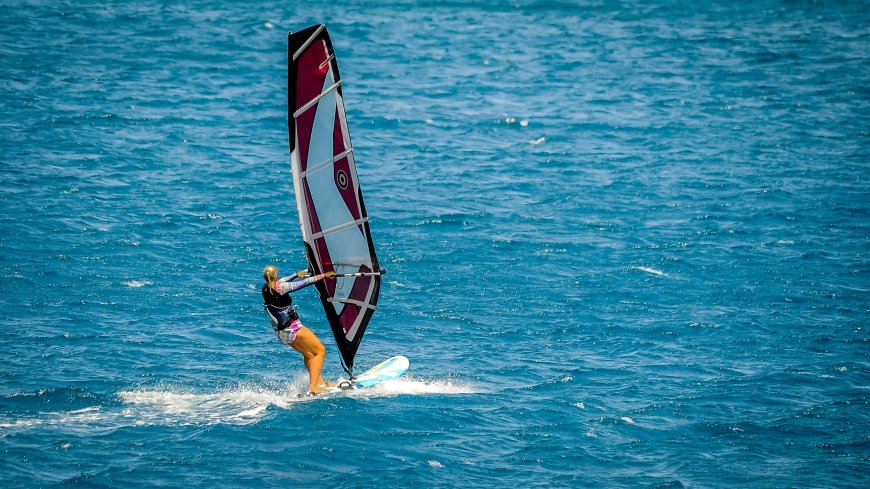
Kiteboarding and windsurfing have grown into some of the most popular ocean sports in the world. Both sports rely heavily on wind strength, water conditions, and coastal geography. Because of this, certain islands around the world have become known for reliable wind patterns, suitable wave conditions, and supportive infrastructure such as schools, equipment rentals, and competitions.

Many of the best kite boarding and windsurfing islands lie in regions influenced by consistent trade winds, including the Caribbean, the Atlantic islands off Africa and Europe, and parts of the Pacific. These winds typically blow between 15 and 30 knots, providing ideal conditions for riders of different skill levels.
This guide explores some of the best islands globally for kite boarding and windsurfing. Each location is known for steady wind conditions, diverse water environments, and established water sports communities.
Why Islands Are Ideal for Kite boarding and Windsurfing
Islands often provide better wind conditions than mainland beaches because of open ocean exposure and fewer obstacles such as mountains or large buildings that can disrupt airflow.
Several factors make islands particularly suitable for wind-powered water sports:
1. Consistent Trade Winds
Many tropical islands lie within the trade wind belt. These winds blow steadily for months at a time, especially during spring and summer seasons.
2. Variety of Water Conditions
Islands often offer both flat lagoons and wave zones within short distances. Beginners can learn in calm water while experienced riders can access stronger waves offshore.
3. Long Sandy Beaches
Wide beaches provide safe areas for launching kites and windsurf boards.
4. Tourism Infrastructure
Many kite boarding destinations now offer schools, rental equipment, coaching camps, and international competitions.
Best Islands for Kiteboarding and Windsurfing
Below are some of the most recognized island destinations worldwide for these sports.
1. Fuerteventura
Fuerteventura is one of the most famous windsurfing and kite boarding destinations in Europe. The island sits in the Atlantic Ocean off the coast of Morocco and receives steady trade winds throughout the year. The name Fuerteventura roughly translates to “strong wind,” which reflects the island’s climate. Reliable wind patterns and open beaches have made it a centre for international windsurfing competitions.
- Key Spots
- Flag Beach (Corralejo)
- Sotavento Lagoon
- El Cotillo
- La Pared
- Wind Conditions
Average wind: 18–30 knots
Peak season: May to September
Skill Levels
Beginners: shallow lagoons at Sotavento
Intermediate: Flag Beach
Advanced: west coast wave spots
- Events
- The island regularly hosts international windsurfing championships during summer months.
- Why Riders Choose Fuerteventura
- Consistent wind
- Multiple beaches for different skill levels
- Established watersports infrastructure
2. Sal
Sal Island is one of the best kite boarding destinations in Africa. The island experiences strong Atlantic trade winds and has long sandy beaches ideal for launching kites.
The coastline offers wave riding opportunities as well as flat-water lagoons for freestyle and beginner practice.
Key Spot
Ponta Preta
Ponta Preta is particularly famous among experienced riders because of powerful cross-offshore winds and large waves.
Wind Conditions
15–25 knots during peak season
Best months: November to March
Water Conditions
- Wave riding on west coast
- Flat water in sheltered bays
- Why Riders Choose Sal
- Warm water year-round
- Reliable wind conditions
- Professional kite schools
Cape Verde has become a major destination for winter training for professional riders from Europe.
3. Tenerife
Tenerife is another Canary Island known for strong winds and international windsurfing competitions.One of the most popular windsurfing towns on the island is:
El Médano
El Médano is widely recognized as one of the world’s leading windsurfing and kitesurfing locations due to its powerful wind exposure and multiple riding zones.
Conditions
- Cross-shore winds
- Combination of flat water and waves
Wind Season
- Best months: May to September
Rider Experience
- Harbour Wall – wave riding
- Bay area – freestyle and freeride
Tourism Infrastructure
- Several windsurfing schools
- Equipment rental shops
- Annual windsurfing events
4. Cabarete
Cabarete is one of the most famous kiteboarding and windsurfing destinations in the Caribbean. Located on the northern coast of the Dominican Republic, Cabarete benefits from strong trade winds and reef-protected water.
Main Spot
Cabarete Bay
The bay provides steady winds and varied water conditions, attracting riders from around the world.
Wind Conditions
- Average: 13–22 knots
- Strongest months: June to August
Water Conditions
- Flat water inside reef
- Waves further offshore
Why Riders Choose Cabarete
- Reliable wind in summer
- Large international watersports community
- Many kiteboarding schools
- Cabarete also hosts major international competitions such as kiteboarding world tour events.
5. Bonaire
Bonaire is famous for windsurfing thanks to its calm lagoon conditions and reliable trade winds.
Main Spot
- Lac Bay
- Lac Bay is a shallow lagoon where water depth is often waist-deep. This makes it ideal for beginners learning balance and sail control.
Wind Conditions
- 18–25 knots average
- Best season: December to August
Advantages
- Shallow water for training
- Minimal waves
- Dedicated windsurfing centers
- Many professional windsurfing schools operate here, making it a popular destination for learning.
6. Rhodes
- Rhodes is one of the most famous windsurfing islands in the Mediterranean.
- The southern tip of the island features strong summer winds caused by the Meltemi wind system.
Main Spot
- Prasonisi
- Prasonisi offers two different water environments:
- Flat water lagoon on one side
- Wave conditions on the other
Wind Conditions
- 20–30 knots in summer
- Best months: June to September
- Rider Experience
- Flat water for speed sailing
- Waves for advanced riders
7. Maui
Maui has long been considered one of the world’s top windsurfing destinations.The island’s geography channels strong Pacific winds toward the north shore, producing consistent conditions for wave sailing.
Key Spots
- Ho‘okipa Beach
- Kanaha Beach Park
Conditions
- Strong trade winds
- Large ocean waves
Skill Level
- Best suited for experienced riders due to powerful surf conditions.
8. Adícora
Adícora is one of the lesser-known kiteboarding and windsurfing destinations in South America.The village sits on the Paraguaná Peninsula and benefits from strong, steady wind conditions that average around 17 knots.
Conditions
- Side-onshore winds
- Warm tropical water
Wind Season
- Strongest from February to September
- Water Environment
- Flat water zones
- Some wave riding areas
Adícora has grown into an international watersports center with schools and accommodation catering to riders.
9. Hatteras Island
Hatteras Island, part of the Outer Banks, is one of the best windsurfing destinations in North America. The island offers both ocean waves and shallow sound water, allowing riders to choose conditions that match their skill level.
Key Spot
- Canadian Hole
- This area is especially popular for beginners because of its calm, shallow water.
Wind Conditions
- Year-round winds
- Strongest during spring and fall
Advantages
- Large riding area
- Watersports schools
- Consistent wind exposure
- Seasonal Wind Patterns Around Island Destinations
- Different islands have peak seasons depending on regional wind systems.
Caribbean
- Best season: December to August
- Wind source: Trade winds
Canary Islands
- Best season: May to September
- Wind source: Atlantic trade winds
Mediterranean Islands
- Best season: June to September
- Wind source: Meltemi winds
Pacific Islands
- Best season: April to October
- Wind source: Pacific trade winds
Understanding these seasonal patterns helps riders plan travel around peak wind conditions.
Essential Gear for Kiteboarding and Windsurfing
Regardless of destination, riders typically need the following equipment:
- Kiteboarding Gear
- Inflatable kite
- Control bar and lines
- Twin-tip board
- Harness
- Safety leash
- Windsurfing Gear
- Windsurf board
- Mast and sail
- Boom
- Harness
Many island destinations offer rental equipment, making it possible to travel without carrying gear.
Safety Considerations
- While these sports can be exciting, they also require careful attention to safety.
Important Safety Tips
- Check wind forecasts before entering the water
- Avoid offshore winds unless experienced
- Use proper safety gear
- Follow local rules and riding zones
- Take lessons if you are a beginner
- Many islands have designated launch areas to prevent accidents.
- Emerging Kiteboarding Destinations
In addition to well-known islands, several emerging locations are becoming popular among riders:
- Jericoacoara (Brazil)
- Dakhla (Morocco)
- Boracay (Philippines)
- Zanzibar (Tanzania)
These locations are gaining attention due to reliable wind conditions and expanding tourism infrastructure.
Travel Tips for Kiteboarding and Windsurfing Trips
- Best Time to Book
- Plan trips during peak wind seasons to maximize water time.
- Equipment Transport
- Check airline policies for sports equipment fees.
- Lessons and Schools
- Many destinations offer certified instructors for beginners.
- Accommodation
- Choose hotels near kite beaches to reduce transport time.
Conclusion
Island destinations offer some of the best environments for kiteboarding and windsurfing because of consistent winds, wide beaches, and warm water conditions. Locations such as Fuerteventura, Sal, Cabarete, and Tenerife have developed strong reputations within the global watersports community.
These islands provide reliable wind patterns, varied riding environments, and established watersports infrastructure. Whether someone is learning kiteboarding for the first time or training for professional competitions, island destinations continue to attract riders from around the world.
As travel interest in adventure sports grows, many emerging islands are also investing in kiteboarding tourism. This trend suggests that the global map of wind sports destinations will continue to expand in the coming years.
What's Your Reaction?
 Like
0
Like
0
 Dislike
0
Dislike
0
 Love
0
Love
0
 Funny
0
Funny
0
 Angry
0
Angry
0
 Sad
0
Sad
0
 Wow
0
Wow
0