




















Sailing the Grenadines: A Beginner’s Guide to Chartering a Yacht.
Sailing the Grenadines is a popular choice for first-time yacht charter travelers because the islands are close together, winds are reliable, and anchorages are well established. Beginners can choose between bareboat, skippered, or fully crewed charters depending on their sailing experience and budget. The best time to sail is from December to April, while shoulder months offer lower prices with acceptable weather.

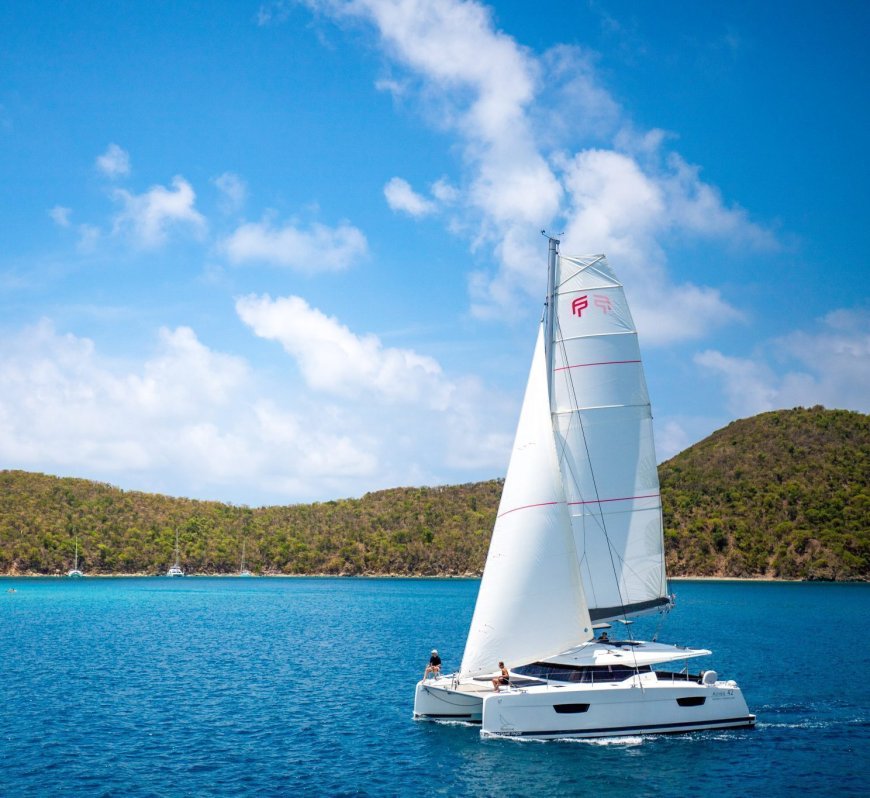
The Grenadines are a chain of islands in the southern Caribbean spanning Saint Vincent & the Grenadines (SVG) and reaching down toward Grenada. This region is ideal for a sailing holiday because of reliable trade winds, close island distances, clear waters, and a range of charter options from bareboat to crewed yachts.

1. Why Choose the Grenadines for Sailing
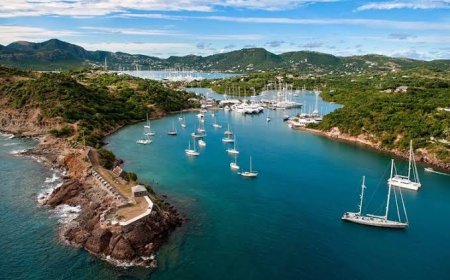
The sailing distances between islands are short typically under 3 hours sail apart, so you spend more time exploring and less time underway. The Grenadines’ waters are known for good winds from the northeast and protection from large open seas, especially in high season. You can visit quiet anchorages, uninhabited islets, lively bays, and culturally rich islands on a single trip.
2. Best Time to Sail
High season: mid-December through April trade winds are more consistent and weather is typically dry.
Low season: June through November rain showers are more common and this period overlaps hurricane season, though direct hits are relatively rare here. Shoulder months (May & early June): can balance price and weather.
3. Types of Yacht Charters
Bareboat Charter
You rent the yacht and skipper it yourself lowest cost option if you’re experienced. Many companies require proof of sailing experience or a brief checkout. Skippered Charter. A professional skipper handles sailing and navigation, great for first-timers.
Crewed Charter
Crew and often a chef are included. Prices include accommodation and service but still generally require an APA (Advance Provisioning Allowance) to cover fuel, food, and fees.
4. Typical Costs
Charter Fees (per week)
- Small monohull (low season): ~$1,500–$2,500
- Larger monohull: ~$3,000–$4,500+
- Catamaran (mid size): ~$5,500–$7,000+
APA & Extras
APA typically 25–40% of base yacht cost to cover supplies, fuel, port fees, provisions, and extras.
Crew gratuity (when crewed): ~10–15% of charter cost is customary.
Mooring fees in the Grenadines: around EC$50 (~$20 USD) per night in many spots, higher in some locations like Mustique (~EC$200).
5. Preparing Before You Go
Booking & Reservations
Book 6–12 months in advance, especially for peak winter weeks. Confirm what is included (crew, linens, dinghy, snorkeling gear) and what is not.
Documentation
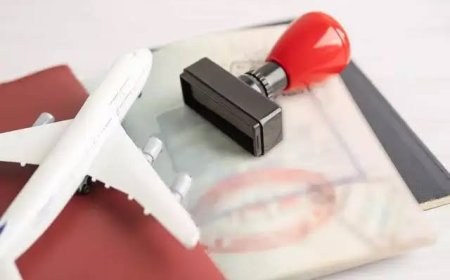
You’ll clear customs when entering SVG and Grenada waters passport, vessel documents, and insurance are required. Some charter companies will prepare paperwork for you and guide you through the process.
Provisioning & Supplies
Stock up with provisions at your departure base before sailing south. Water and fuel are available at marinas and certain anchorages check ahead.
6. Navigation, Mooring & Safety
Anchoring & Mooring
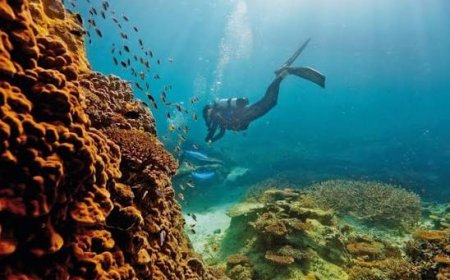
Use mooring buoys when available to protect coral reefs. Anchoring on reefs is prohibited. Moorings need checking for wear and suitability before tying up.
Comms & Safety
VHF radios are widely used; yachts may include local SIM phones or Wi-Fi options. Standard safety awareness is advised at docks and on shore secure equipment and valuables.
7. Recommended Grenadines Stops
Bequia
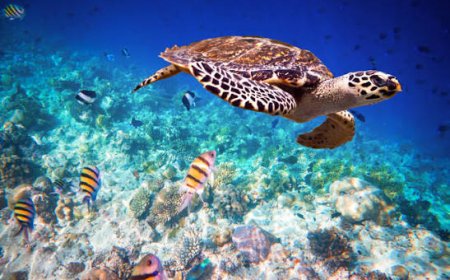
Key cruising hub with customs/immigration, marinas, shops, and cafés. Tobago Cays Marine Park. Protected area with mooring balls, snorkelling with turtles, and shallow sandy anchorage. Park fees apply.
Mayreau & Salt Whistle Bay
Picturesque bay and popular anchorage for swimming and beach stops. Union Island & Canouan. Union offers local markets and culture Canouan has upscale marinas and deeper anchorages.
8. Daily Life on a Charter
Morning: Navigate to the next stop, drop anchor or pick up a mooring, swim before breakfast.
Midday: Shore excursions, snorkeling reefs, beach walks, or visit island towns.
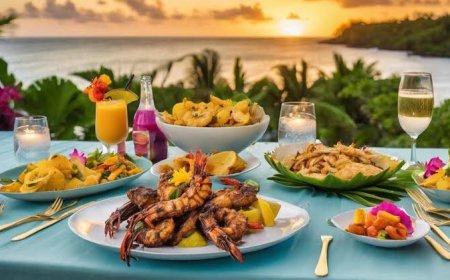
Evening: Prepare meals aboard or try local beachside restaurants supplies are limited ashore in small islands.
Night: Relax aboard under stars, with quiet anchorages away from busier marinas and popular bays.
9. Common Mistakes to Avoid
Under-estimating APA and extras: Budget more than the base charter fee.
Not planning customs/clearance: Leave time for formalities at start and end ports.
Ignoring wind forecasts: Grenadines’s winds can be strong; monitor weather daily.
Skipping reef protection rules: Always use mooring buoys where possible and anchor only over sand.
10. Final Checklist
- Base and yacht confirmed
- Charter contract and APA understood
- Sailing experience or skipper arranged
- Customs and insurance paperwork ready
- Provisioning and supplies stocked
- Safety gear onboard and weather planning tools available
Sailing the Grenadines on a chartered yacht puts a mix of adventure, island culture, water activities, and navigation skills right in your hands. With careful planning from budget to weather and local regulations you can enjoy a well-organized sailing journey through one of the Caribbean’s most rewarding island chains.
What's Your Reaction?
 Like
0
Like
0
 Dislike
0
Dislike
0
 Love
0
Love
0
 Funny
0
Funny
0
 Angry
0
Angry
0
 Sad
0
Sad
0
 Wow
0
Wow
0