





























Health & Vaccination Recommendations
Health and vaccination preparation should be an essential part of international travel planning, not something left until the last few days. The right protection depends on the destination, length of stay, activities, season, age, vaccination history and individual health conditions. The CDC’s 2026 Yellow Book recommends a pre-travel health assessment to identify appropriate vaccines, medicines and other precautions. Travelers should first make sure routine vaccinations are up to date, particularly vaccines protecting against measles, influenza, polio, tetanus and other common infections. Destination-specific vaccines may include hepatitis A, hepatitis B, typhoid, rabies, Japanese encephalitis, yellow fever and chikungunya, depending on the itinerary.

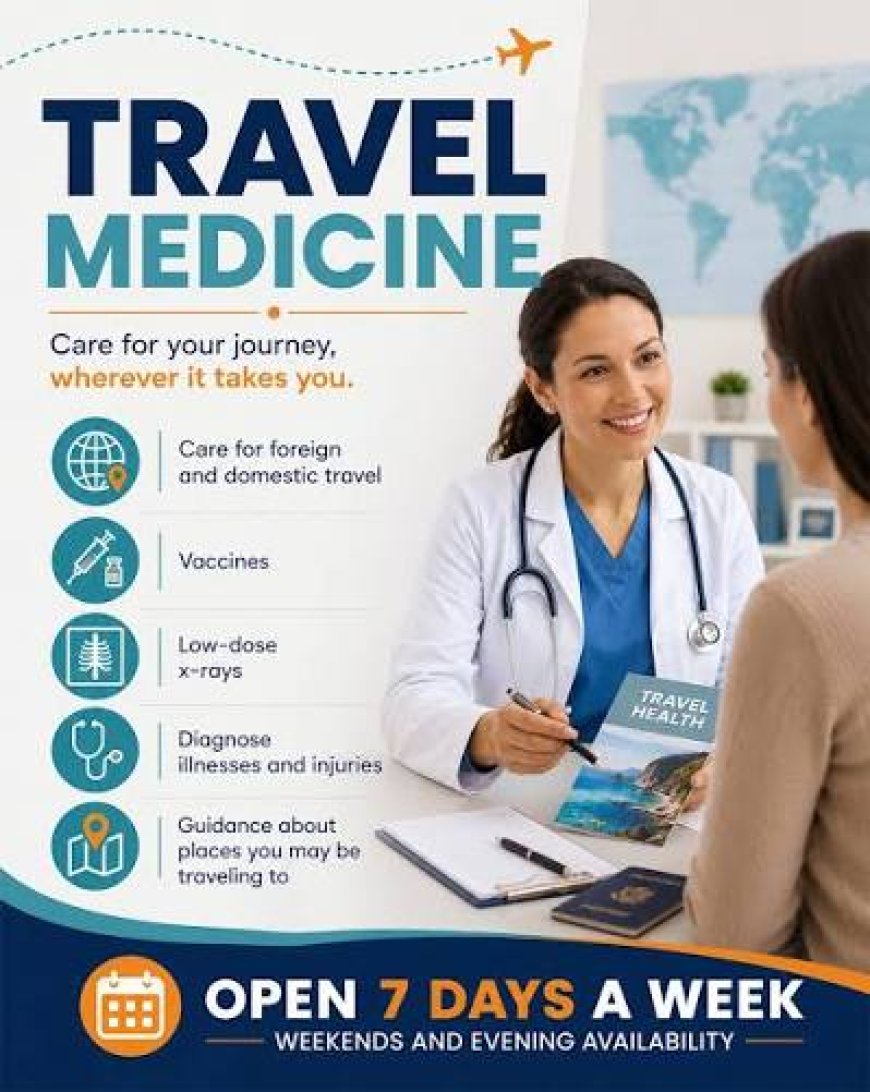
Travel planning usually begins with flights, hotels, visas and places to visit. Health preparation often comes later, sometimes just a few days before departure. That can be a mistake. International travel can expose people to diseases, food and water conditions, insects, different climates and healthcare systems that they may not normally encounter at home. A short health check before leaving can prevent problems that could otherwise affect an entire trip.

Vaccination is an important part of travel preparation, but it is only one part. The vaccines a traveler needs depend on the destination, length of stay, activities, age, previous vaccination history and individual health circumstances. Some vaccines are routinely recommended for most people, while others are advised only for travelers going to particular countries or areas. A few vaccines can also be required by a country as a condition of entry.
Current travel guidance from the U.S. Centers for Disease Control and Prevention recommends that international travelers first make sure their routine vaccinations are up to date and then check destination-specific recommendations. The CDC advises travelers to arrange a healthcare appointment or travel-health consultation around four to six weeks before departure when possible. This gives enough time for vaccines that require several doses and allows the body time to develop protection.
Why Health Preparation Should Start Before the Trip
A traveler can feel completely healthy and still be unprepared for a particular destination. The risk does not come only from serious infectious diseases. Dehydration, food poisoning, heat exposure, respiratory infections, insect bites, injuries and problems related to existing medical conditions can all interrupt travel.
The first step should be a review of your health status. Think about where you are going, how long you will stay, where you will sleep and what you will do. A two-week holiday in a major city is different from several months of rural travel. A business traveler staying in hotels has different risks from someone camping, trekking, working with animals or visiting remote communities.
Your previous vaccination history also matters. Some people may assume that childhood vaccines provide complete protection forever, while others may have missed doses or need adult boosters. Travel is a useful opportunity to review vaccination records rather than assuming everything is current.
The CDC specifically recommends keeping a copy of official immunization records when traveling. This can be useful if another dose is needed, if medical treatment is required during the trip or if proof of vaccination is required for entry into a country.
Routine Vaccines Come First
Travelers sometimes focus immediately on unusual diseases and overlook routine vaccination. That is not the best approach.
Routine vaccines protect against diseases that can occur anywhere, including measles, influenza, tetanus, diphtheria, pertussis, polio, chickenpox and other vaccine-preventable infections. International travel can increase exposure to diseases that may be uncommon in a traveler's home country.
Measles is a particularly important example. In April 2026, the CDC again advised international travelers to make sure they are protected against measles because unvaccinated travelers can become infected abroad and bring the infection home. Travelers who are not vaccinated or do not know their vaccination status should discuss MMR vaccination with a healthcare professional before international travel.
Routine vaccination is therefore not simply a requirement for childhood. Adults should also review whether they are up to date. Depending on age and medical circumstances, this can include influenza, COVID-19, tetanus-diphtheria-pertussis, measles-mumps-rubella, varicella, pneumococcal, shingles and other vaccines.
The exact schedule differs by country, age and medical history, so travelers should use the vaccination schedule applicable to them rather than copying another person's vaccine list.
Hepatitis A and Hepatitis B
Hepatitis A is one of the vaccines frequently considered for international travelers. The virus is commonly transmitted through contaminated food or water. Risk varies between destinations, but travelers can be exposed through food, drinks or poor sanitation even when staying in hotels.
For example, the CDC recommends hepatitis A vaccination for unvaccinated travelers aged one year and older going to India. Infants aged six to eleven months may also receive a dose for travel, although that dose does not count toward the routine two-dose series.
Hepatitis B is transmitted through infected blood and body fluids. Exposure can occur through sexual contact, contaminated needles, medical procedures or other situations involving blood. The CDC recommends hepatitis B vaccination for travelers who are not immune and are visiting destinations where hepatitis B is common, with recommendations also taking into account age and individual circumstances.
These vaccines demonstrate why destination-specific advice matters. A traveler should not simply assume that every vaccine is necessary for every trip. The decision should be based on the actual destination and personal circumstances.
Typhoid and Food- and Water-Related Diseases
Food and water safety remain important travel-health concerns, particularly in areas where sanitation systems differ from what a traveler is accustomed to.
Typhoid fever is caused by Salmonella Typhi bacteria and is generally spread through contaminated food and water. Vaccination may be recommended for travelers going to countries where typhoid is endemic, especially when they will have prolonged exposure to local food and water conditions.
However, vaccination does not mean that a traveler can ignore food hygiene. The vaccine does not provide complete protection, and travelers still need to make sensible food and water choices.
Wash your hands regularly, especially before eating. Be cautious with untreated water, ice of uncertain origin and food that has been sitting at room temperature for long periods. Properly cooked food served hot is generally safer than raw or inadequately cooked food.
Street food is not automatically unsafe, but hygiene conditions matter. Look at whether food is cooked thoroughly, whether ingredients are stored safely and whether the vendor appears to maintain clean preparation practices.
Malaria Prevention Requires More Than a Vaccine
Malaria remains an important travel-health issue in many parts of Africa, Asia, Latin America, the Caribbean and other regions. Unlike routine vaccination, malaria prevention may involve prescription medication rather than a standard travel vaccine for most travelers.
The right preventive medicine depends on the destination, malaria species and drug resistance patterns, as well as the traveller’s medical history and current medications. Some medicines need to be started before departure and continued during the trip and after returning.
Mosquito-bite prevention is equally important. Travelers should use an appropriate insect repellent, wear clothing that reduces exposed skin and use screened or air-conditioned accommodation where practical. Bed nets can be useful in places where mosquitoes are active at night.
People sometimes make the mistake of thinking that malaria is only a concern during jungle travel. That is not necessarily true. Risk can exist in towns and cities depending on the destination and local transmission patterns. Travelers should check destination-specific guidance rather than relying on assumptions.
The CDC advises travelers to discuss malaria prevention medication before departure because treatment is not something that should simply be arranged after arriving at the destination.
Yellow Fever and International Entry Requirements
Yellow fever deserves special attention because it involves both health protection and international travel regulations.
Yellow fever is a mosquito-borne viral disease that occurs in parts of Africa and South America. The vaccine is recommended for people traveling to or living in areas where yellow fever transmission occurs, and some countries require proof of vaccination for entry under particular circumstances.
The CDC states that yellow fever vaccination should generally be given at least 10 days before planned arrival when vaccination is required for international entry. Travelers may need an International Certificate of Vaccination or Prophylaxis, commonly known as the yellow card, as proof.
Not everyone should automatically receive the yellow fever vaccine. It is a live-virus vaccine and can cause serious adverse events in rare cases. People with certain medical conditions, immune-system problems or other contraindications need individual assessment by a healthcare professional.
This is an important distinction: a vaccine can be required by immigration rules while also requiring medical consideration. Travelers should not treat an entry requirement as a reason to obtain a vaccine without checking whether it is medically appropriate.
Japanese Encephalitis and Long-Term Travel in Asia
Japanese encephalitis is another mosquito-borne disease that may be relevant for travelers to parts of Asia and the Western Pacific.
The vaccine is not routinely required for every short holiday. CDC guidance recommends it particularly for people moving to endemic areas, longer-term travelers and frequent travelers. It may also be considered for shorter trips when the traveler will spend substantial time outdoors in rural or agricultural areas, particularly during transmission seasons or where accommodation does not provide adequate protection from mosquitoes.
This is a good example of how an itinerary changes health recommendations. Spending four weeks in rural areas is not the same as spending four days in a well-protected city hotel.
Travelers should therefore give their healthcare provider a realistic itinerary. Saying only "I am going to Thailand" or "I am going to India" is not enough to determine every possible recommendation. The cities, regions, season, duration and activities can all matter.
Rabies Prevention
Rabies is almost always fatal once clinical symptoms develop, but it can be prevented when appropriate treatment is given promptly after exposure.
Travelers may encounter rabies through bites or scratches from infected dogs, cats, bats and other mammals. Children can face particular risks because they may approach animals and may not immediately report a bite or scratch.
Pre-exposure rabies vaccination may be considered for travelers who will spend significant time outdoors, work with animals, visit rural areas or travel to locations where reliable post-exposure medical treatment may be difficult to obtain. The CDC recommends starting the pre-exposure series in sufficient time before travel.
Vaccination before travel does not mean that an animal bite can be ignored. Anyone bitten or scratched by a potentially rabid animal should wash the wound thoroughly with soap and water and seek urgent medical advice. Additional post-exposure treatment may still be required.
Travelers should avoid handling unfamiliar animals, even when an animal appears friendly.
Chikungunya and Changing Mosquito Risks
Mosquito-borne diseases continue to change geographically, making current destination information important.
Chikungunya can cause fever and significant joint pain. The CDC's current travel guidance includes chikungunya vaccination as a consideration for travelers going to areas experiencing an outbreak and, in certain circumstances, for people planning longer stays in locations with elevated risk.
The availability of vaccines does not remove the importance of mosquito-bite prevention. Repellent, appropriate clothing, screens, air conditioning and other measures remain useful because mosquitoes can transmit multiple diseases.
Travelers should check current health information shortly before departure because disease activity can change after a trip has been planned.
Health Advice for Children
Children need special consideration because their vaccination schedules differ from adult schedules and some travel vaccines have age-specific recommendations.
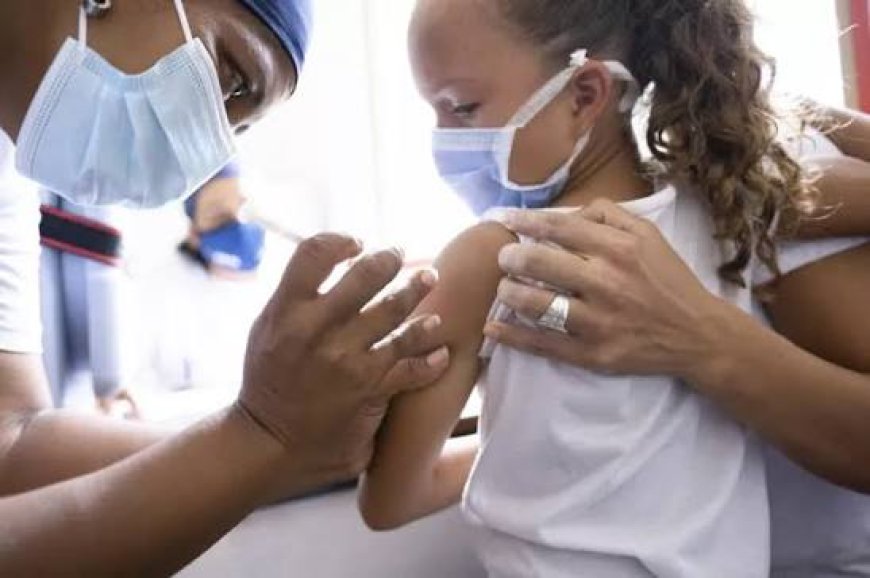
Parents should review routine childhood vaccinations before international travel. The CDC recommends discussing travel vaccinations well in advance because children may need several doses or accelerated schedules depending on their age and destination.
Children may also behave differently around animals, water and food, which can increase exposure risks. Parents should explain simple rules before departure: do not touch unfamiliar animals, wash hands before eating, drink safe water and tell an adult immediately if bitten or scratched.
For infants and young children, travel planning should also consider access to appropriate food, safe drinking water, medicines, sleep arrangements and medical care at the destination.
Pregnancy, Older Travelers and Medical Conditions
Some travelers require more detailed medical planning. This includes pregnant travelers, older adults, people with chronic illnesses and people taking medicines that affect the immune system.
Pregnancy can change the risks associated with certain infections and vaccines. Some live vaccines may not be recommended during pregnancy, while other vaccines may be specifically recommended because infection could pose a significant risk to the pregnant person or baby.
People with weakened immune systems also need individualized advice. The CDC notes that some vaccines may be less effective in immunocompromised people, while certain live vaccines may not be safe for some individuals. Yellow fever vaccination, for example, requires particular caution in people with certain immune-system problems.
Travelers with medical conditions should carry enough prescription medication for the entire trip, along with extra medication in case of delays. Keeping medicines in their original labelled packaging can also make travel and border procedures easier.
What to Pack in a Travel Health Kit
A small health kit can be extremely useful. The exact contents depend on the destination, but travelers may consider carrying basic first-aid supplies, prescription medicines, oral rehydration products, appropriate insect repellent, sunscreen and any destination-specific medicines recommended by a healthcare professional.
Do not pack unfamiliar prescription medicines simply because another traveler recommends them. Medicines can interact with existing treatments or may be inappropriate for certain medical conditions.
If travelling internationally, check whether your destination has restrictions on particular medicines. Carrying a copy of prescriptions or a doctor's letter can be helpful, especially for controlled medicines or large quantities.
Travel insurance should also be considered. A good policy may help with medical treatment, hospitalization or emergency evacuation, depending on its terms. Travelers should read the policy rather than assuming every medical situation is automatically covered.
What to Do If You Become Sick During Travel
Even careful travelers can become sick.
If symptoms are mild, rest, drink safe fluids and monitor your condition. If you develop serious symptoms such as difficulty breathing, severe dehydration, confusion, persistent high fever, severe abdominal pain, seizures or other worrying signs, seek medical attention promptly.
A fever after returning from a malaria-risk area deserves particular attention. Tell the healthcare professional where you traveled, when you returned and where you stayed. Do not assume that several days or weeks have passed and therefore malaria is impossible.
Similarly, mention recent international travel whenever you seek medical care after returning. A travel history can help healthcare professionals consider infections that might otherwise be overlooked.
Health Preparation Does Not End When the Flight Lands
Travel health is not just about getting vaccinated before departure. Good preparation continues throughout the trip and after returning home.
Vaccines reduce the risk of specific infections, but they do not eliminate every travel-related health risk. Food and water hygiene, mosquito protection, animal avoidance, hand hygiene, safe sexual practices and sensible behaviour remain important.
The most effective approach is to match health preparation to the destination. A traveler visiting several countries should check each country rather than assuming that one vaccination list applies to the entire journey. Transit through another country can also matter when vaccination certificates or entry requirements are involved.
Health information can change as outbreaks develop, so travelers should review current official guidance close to departure. The CDC's travel-vaccine guidance was updated in February 2026, and its current resources continue to emphasize destination-specific assessment and early preparation.
What's Your Reaction?
 Like
0
Like
0
 Dislike
0
Dislike
0
 Love
0
Love
0
 Funny
0
Funny
0
 Angry
0
Angry
0
 Sad
0
Sad
0
 Wow
0
Wow
0