


















Guided Volcano Hikes Worth the Trip
Guided volcano hikes offer a unique way to explore some of the most dynamic landscapes on Earth while maintaining safety and gaining expert insight. These hikes range from easy crater walks, like Mount Bromo, to challenging high-altitude climbs such as Cotopaxi, making them suitable for different experience levels. Popular destinations including Mount Etna, Acatenango, Mount Fuji, and Kīlauea provide diverse experiences from walking across lava fields to watching active eruptions from a safe distance. Choosing a guided tour is often essential, especially for active or technical volcanoes, as conditions can change quickly due to gas emissions, unstable terrain, or sudden activity. Guides help with navigation, safety, permits, and understanding the geological and cultural significance of each location. Proper preparation is key, including packing suitable gear, checking seasonal conditions, and understanding the difficulty level of each hike. Responsible travel practices, such as staying on marked trails and respecting local regulations, are also important to protect fragile volcanic environments. Overall, guided volcano hikes combine adventure, science, and natural beauty, making them one of the most rewarding travel experiences for those seeking something beyond traditional trekking.

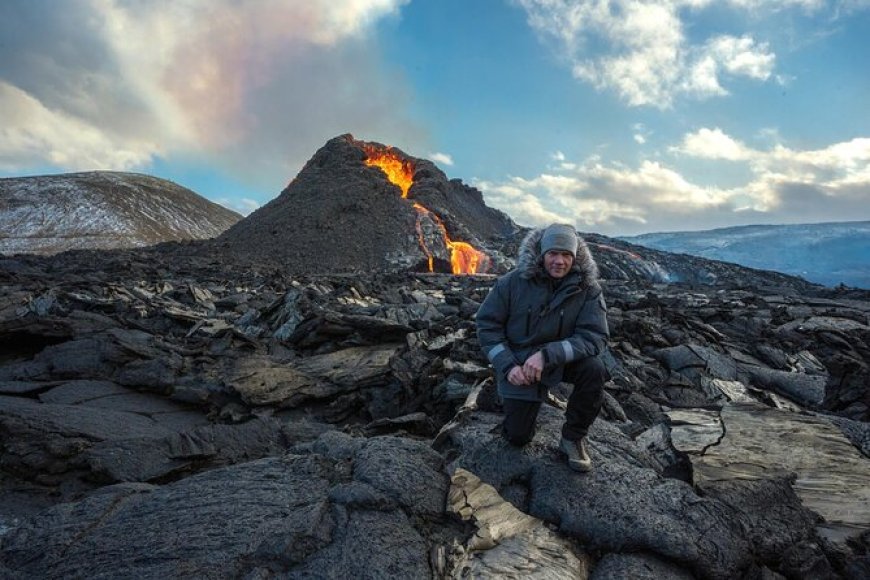
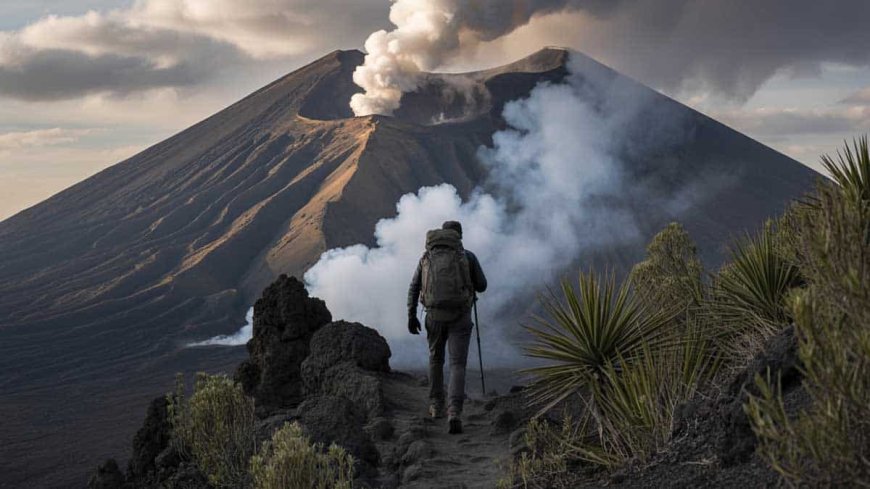
Volcano hiking sits at the intersection of adventure travel and earth science. It gives you direct access to landscapes shaped by magma, tectonic movement, and geothermal activity. Unlike standard mountain hikes, volcano treks often involve walking across lava fields, crater rims, ash slopes, and sometimes even glacier-covered summits. This guide focuses on guided volcano hikes around the world that are worth the effort, based on accessibility, safety, geological value, and overall experience. It also explains why guided tours are often essential, what to expect on these hikes, and how to plan one responsibly.

Why Choose a Guided Volcano Hike
Volcanoes are unpredictable environments. Even dormant systems can release gases, shift terrain, or experience sudden activity. That’s why many of the best volcano hikes are done with licensed guides.
Key reasons to go guided:
Safety monitoring: Authorities track volcanic activity and restrict access when needed, especially on active peaks.
Navigation: Trails can disappear under ash, lava, or snow.
Technical support: Some climbs involve crampons, ropes, or glacier travel.
Local knowledge: Guides explain geology, eruption history, and cultural context.
Permits and logistics: Many volcanoes require permits or timed entry. Guided hikes are strongly recommended for active, high-altitude, or remote volcanoes, where conditions can change quickly.
Types of Volcano Hikes
Before choosing a destination, understand the main categories:
1. Easy Crater Walks
- Short hikes to crater rims
- Minimal elevation gain
Example: Mount Bromo (Indonesia)
2. Moderate Trekking Volcanoes
- Half-day to full-day hikes
- Some altitude and loose terrain
Example: Mount St. Helens (USA)
3. Multi-Day Volcano Treks
Camping or overnight stays
Often include sunrise summit pushes
Example: Acatenango (Guatemala)
4. Technical Ascents
- Ice, snow, or high altitude
- Require mountaineering skills
Example: Cotopaxi (Ecuador)
Top Guided Volcano Hikes around the World
1. Cotopaxi (Ecuador)
One of the highest active volcanoes on Earth, rising to 5,897 meters, Cotopaxi is a serious climb.
What makes it worth the trip:
- Glacier-covered summit
- High-altitude Andean landscapes
- Classic mountaineering experience
Guided experience:
- Typically 2–5 days including acclimatization
- Night summit push to avoid melting ice
- Requires crampons and ice axes
Difficulty:
- High
Key insight:
This climb is often used as an introduction to high-altitude mountaineering. Even experienced hikers need guides due to glacier navigation.
2. Mount Bromo (Indonesia)
Mount Bromo offers one of the most accessible volcano experiences in the world.
Highlights:
- Walk across a vast volcanic “sea of sand”
- Short climb to an active crater rim
- Sunrise viewpoints over the caldera
Guided experience:
- Jeep tours + short hike
- Less than 1 hour walking to crater
Difficulty:
- Easy
Why it stands out:
It delivers a complete volcanic landscape without requiring technical skill. The crater emits smoke regularly, making the experience feel active and real.
3. Acatenango (Guatemala)
Acatenango is famous for its view of the neighboring Volcán de Fuego, which erupts frequently.
Highlights:
- Overnight camping near the summit
- Direct view of lava eruptions at night
- Sunrise over volcanic peaks
Guided experience:
- 2-day trek with base camp
- Optional hike closer to Fuego
Difficulty:
- Moderate to hard
Key insight:
Watching eruptions from a safe distance is one of the most unique volcano experiences available. However, conditions can change quickly, making guides essential.
4. Mount Etna (Italy)
Europe’s tallest active volcano is also one of the most studied and accessible.
Highlights:
- Walk across lava fields and craters
- Views over Sicily and the Mediterranean
- Frequent but monitored activity
Guided experience:
- Cable cars + guided summit hikes
- Restricted zones require licensed guides
Difficulty:
Moderate
Safety factor:
Local authorities monitor activity closely and limit access when necessary, making guided hikes relatively safe even on an active volcano.
5. Mount St. Helens (USA)
Known for its 1980 eruption, this volcano offers a powerful lesson in ecological recovery.
Highlights:
- Blast zone landscapes
- Wildflower meadows
- Expansive crater views
Guided experience:
- Permit-based hikes
- Guided tours available from nearby cities
Difficulty:
- Moderate
Key insight:
The terrain still shows visible signs of eruption decades later, making it both educational and scenic.
6. Mount Fuji (Japan)
A cultural icon and one of the most climbed volcanoes in the world.
Highlights:
- Sunrise summit experience (“Goraiko”)
- Well-developed trail infrastructure
- Mountain huts along the route
Guided experience:
- Optional but helpful for altitude pacing
- Common overnight summit climbs
Difficulty:
- Moderate
Important note:
Despite being accessible, altitude and weather can make the climb more challenging than expected.
7. Kīlauea & Hawaiʻi Volcanoes National Park (USA)
One of the most active volcanic regions on Earth.
Highlights:
- Walk across crater floors
- Steam vents and volcanic gases
- Mix of rainforest and lava desert
Guided experience:
- Ranger-led walks available
- Self-guided options on marked trails
Difficulty:
- Easy to moderate
Key insight:
This is one of the few places where you can safely observe active volcanic processes up close, depending on current conditions.
8. Mount Ijen (Indonesia)
Known for its unique blue fire phenomenon and sulfur mining activity.
Highlights:
- Night hike to see blue flames
- Acidic crater lake
- Insight into local mining practices
Guided experience:
- Night treks with gas masks
- Safety briefings required
Difficulty:
- Moderate
9. Haleakalā (Hawaii, USA)
A dormant volcano offering a completely different type of landscape.
Highlights:
- Mars-like crater terrain
- Sunrise above the clouds
- Extensive hiking trails
Difficulty:
- Easy to moderate
10. Pacaya (Guatemala)
A beginner-friendly active volcano.
Highlights:
- Lava flows (when active)
- Short, accessible hike
- Close proximity to Antigua
Difficulty:
- Easy to moderate
- Safety Considerations for Volcano Hiking
- Volcano hiking is not inherently dangerous, but it requires awareness.
Key risks:
- Sudden eruptions or increased activity
- Toxic gases (sulfur dioxide, carbon dioxide)
- Loose volcanic rock and unstable terrain
- Altitude sickness on high peaks
Safety guidelines:
- Always check volcanic activity reports before travel
- Follow guide instructions strictly
- Carry proper gear (boots, headlamp, layers)
- Avoid restricted zones
Authorities and scientific organizations continuously monitor volcanoes, and access is restricted when risk increases.
What to Pack for a Volcano Hike
Essential gear includes:
- Sturdy hiking boots (lava rock is sharp)
- Warm layers (temperatures drop quickly)
- Headlamp (for early or night climbs)
- Water and electrolytes
- Dust mask or buff (for ash and gases)
- Gloves (for cold or rocky terrain)
- Packing correctly can significantly improve safety and comfort.
- Best Time to Go
Timing depends on the region:
- Central America: December–April (dry season)
- Indonesia: April–October
- Japan (Mount Fuji): July–September
- Iceland: June–August
- Weather and volcanic activity both influence accessibility, so always verify conditions before booking.
- Guided vs. Independent Volcano Hiking
Go guided if:
- The volcano is active
- The hike involves altitude or glaciers
- Trails are poorly marked
- Permits are required
Consider self-guided if:
- The trail is well-marked
- The volcano is dormant
- You have prior hiking experience
- Even experienced hikers often choose guided options for safety and deeper understanding.
- Environmental Responsibility
- Volcano ecosystems are fragile.
Best practices:
- Stay on marked trails
- Do not remove rocks or minerals
- Respect local regulations
- Avoid littering or disturbing wildlife
Many volcanoes are located in protected national parks or UNESCO sites.
What's Your Reaction?
 Like
0
Like
0
 Dislike
0
Dislike
0
 Love
0
Love
0
 Funny
0
Funny
0
 Angry
0
Angry
0
 Sad
0
Sad
0
 Wow
0
Wow
0