





Tap Water Safety: What Travelers Need to Know
Tap water safety depends on location, infrastructure, and local regulations. While it is safe in many developed regions, it can pose health risks in others. Travelers should rely on bottled, boiled, or treated water when uncertain and avoid common hidden risks such as ice and raw foods. Preparation and awareness are the best tools for staying healthy while traveling.
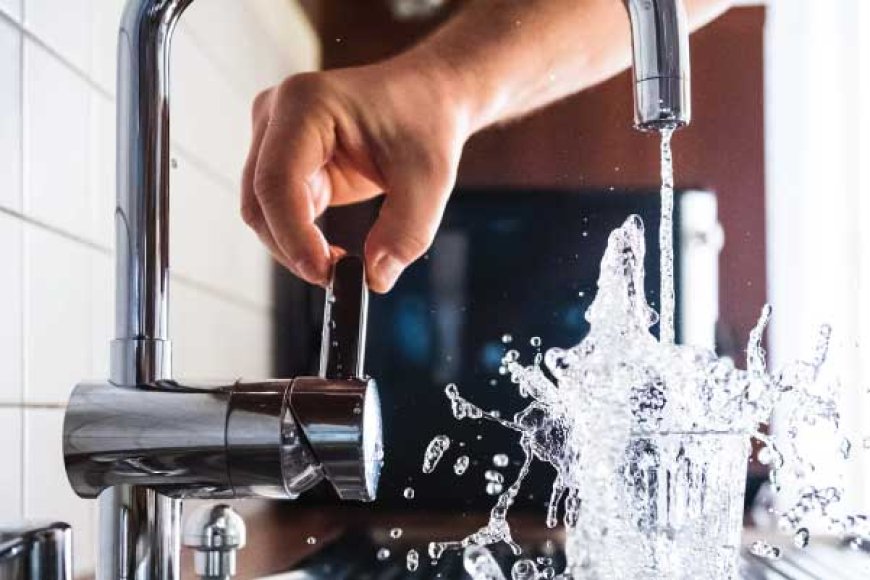
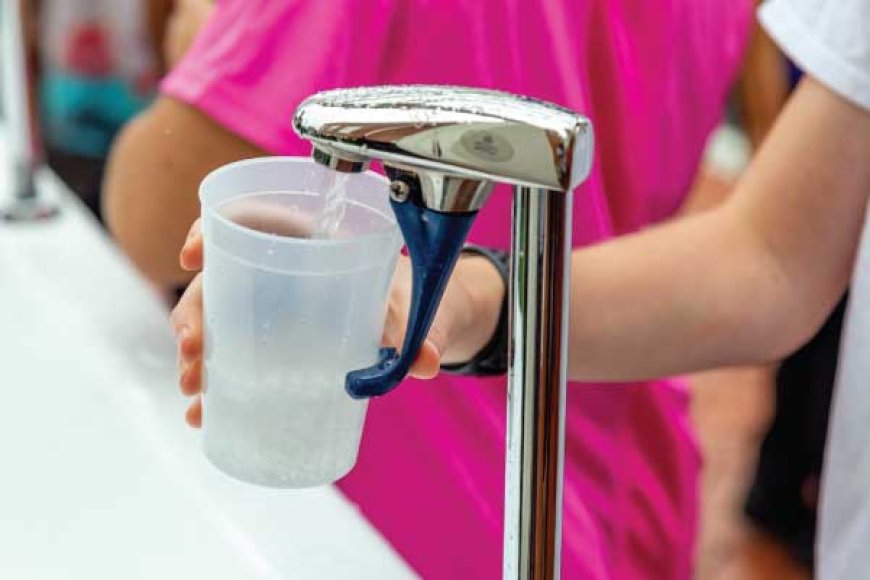
Tap water safety is one of the most important and often overlooked topics in travel planning. Whether you’re visiting a major city, a remote village, or a beach destination, the safety of drinking water can directly affect your health, your budget, and your overall travel experience.

This guide breaks down everything travellers need to know about tap water safety, based on current global health recommendations and real-world travel practices. It focuses on practical decisions: when tap water is safe, when it is not, and what to do in uncertain situations.
1. Why Tap Water Safety Matters
Waterborne illnesses are among the most common health issues travellers face. Contaminated water can carry bacteria, viruses, and parasites that lead to gastrointestinal illness, including diarrhea, vomiting, and stomach pain.
Even a short illness can disrupt travel plans. In more serious cases, diseases such as cholera, typhoid, or giardiasis may occur in areas with poor sanitation. The key point: clear water is not always safe water. Contaminants are often invisible and odourless.
2. What Makes Tap Water Safe or Unsafe
Tap water safety depends on several factors:
Water Treatment Systems
In countries with strong infrastructure, municipal water systems treat water to remove harmful microbes and chemicals. These systems are regulated and regularly tested. In other regions, treatment may be inconsistent or absent, increasing contamination risk.
Distribution Infrastructure
Even if water is treated, it can become contaminated in transit due to:
- Aging pipes
- Leaks in the system
- Cross-contamination with sewage
- Environmental Factors
Heavy rainfall, flooding, or drought can affect water quality by introducing pollutants into water sources.
Local Regulations
Some countries enforce strict water quality standards, while others have limited monitoring capacity.
3. Where Tap Water Is Generally Safe
Tap water is typically safe to drink in regions with advanced water treatment systems and strict regulations. These include:
- North America
- Western Europe
- Japan
- Australia and New Zealand
- Parts of South Korea and Singapore
In these locations, water utilities are required to meet safety standards and inform the public if issues arise.
However, even in these regions:
- Old plumbing may introduce contaminants like lead
- Temporary advisories may occur
- Rural areas may rely on untreated wells
4. Where Travellers Should Be Cautious
In many parts of the world, tap water is not reliably safe for drinking. These include:
- Parts of Asia
- Africa
- Latin America
- The Middle East
In such regions, water may contain:
- Bacteria (e.g., E. coli)
- Viruses (e.g., norovirus)
- Parasites (e.g., Giardia)
- Chemical contaminants
Health authorities recommend avoiding tap water unless you are certain it has been properly treated.
5. Common Misconceptions About Tap Water
“Locals drink it, so it must be safe”
Not necessarily. Locals may:
- Boil water before drinking
- Use filtered or delivered water
- Have partial immunity to certain microbes
- “Clear water is safe”
- Contaminants are often invisible.
- “Alcohol kills germs”
Alcohol does not neutralize pathogens in contaminated ice or mixers.
“Boiling removes everything”
Boiling kills microbes but does not remove chemical contaminants or heavy metals.
6. Situations Where Tap Water Can Be Risky
Even in places where tap water is generally safe, travellers should be cautious in certain situations:
- Hotels with old plumbing
- After natural disasters
- During local water advisories
- Rural or remote accommodations
- Buildings with storage tanks
If water tastes unusual, looks cloudy, or smells odd, avoid drinking it.
7. Safe Alternatives to Tap Water
Bottled Water
Factory-sealed bottled water is often the safest option. However:
Check that the seal is intact
- Be cautious of refilled bottles in some regions
- Carbonated drinks are generally safer because tampering is harder to conceal.
Boiled Water
- Boiling is one of the most effective ways to kill pathogens:
- Bring water to a rolling boil for at least 1 minute
- At high altitudes, boil for 3 minutes
Filtered and Treated Water
Portable filters and chemical disinfectants can make water safer. The best approach:
- Filter first
- Then disinfect
- Hot Beverages
Tea and coffee made with boiling water are usually safe if served hot.
8. Hidden Risks Travellers Often Miss
Ice Cubes
Ice is often made from tap water and may carry contaminants. Avoid ice in uncertain regions.
Brushing Teeth
Use bottled or treated water for brushing teeth in high-risk areas.
Showering
Avoid swallowing water while showering.
Fresh Juices
Freshly squeezed juices may be diluted with unsafe water.
Fountain Drinks
These are typically made with local tap water and should be avoided.
9. How to Check Tap Water Safety before Travelling
Before your trip, research:
- Government travel advisories
- Local health department guidelines
- Hotel policies on drinking water
- Reviews from recent travellers
Reliable sources include:
- National health agencies
- International travel health websites
10. Water Safety in Hotels
- Hotel tap water safety depends on:
- Local water supply
- Internal plumbing systems
- Maintenance standards
Even in safe countries, hotel plumbing may affect water quality. When in doubt:
- Ask hotel staff
- Use bottled water
11. Special Considerations for Vulnerable Travelers
Certain groups are more susceptible to waterborne illness:
- Infants and young children
- Pregnant women
- Elderly travellers
- People with weakened immune systems
These travellers should take extra precautions and avoid any uncertain water sources.
12. Sustainable Travel and Water Use
Relying on bottled water creates environmental challenges:
- Plastic waste
- Increased carbon footprint
To reduce impact:
- Use refillable bottles with safe water sources
- Choose accommodations with filtration systems
- Support destinations improving water infrastructure
13. Practical Daily Checklist for Travellers
Use this quick checklist:
- Drink only bottled, boiled, or treated water
- Avoid ice unless water source is confirmed safe
- Brush teeth with safe water
- Eat food cooked with safe water
- Avoid raw foods washed in tap water
- Wash hands frequently
14. Emergency Situations
If you have no access to safe water:
- Boil water if possible
- Use chemical disinfectants (iodine or chlorine)
- Filter water using portable devices
- Let water settle and avoid visible contaminants
- Boiling remains the most reliable emergency method.
What's Your Reaction?
 Like
0
Like
0
 Dislike
0
Dislike
0
 Love
0
Love
0
 Funny
0
Funny
0
 Angry
0
Angry
0
 Sad
0
Sad
0
 Wow
0
Wow
0