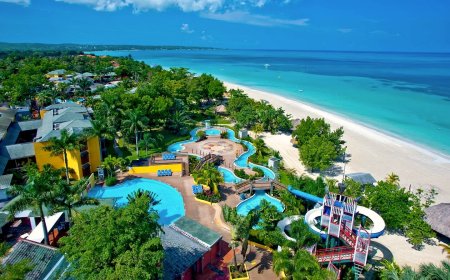
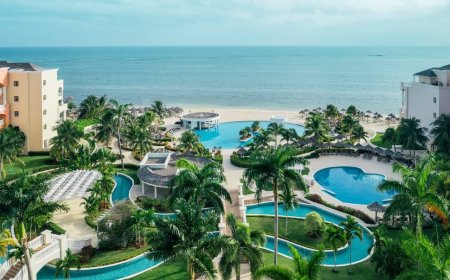




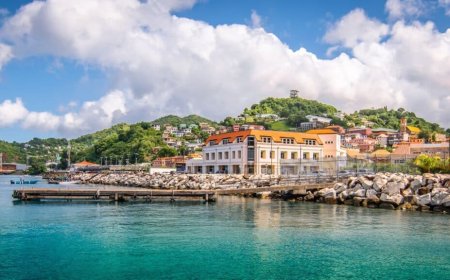















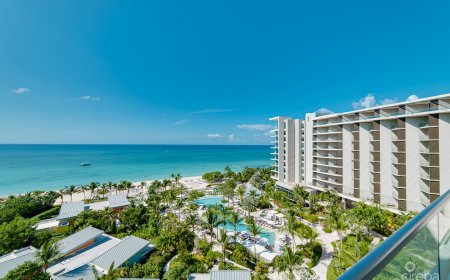










Best Caribbean Islands for Real Estate Growth in 2026
The Caribbean real estate market in 2026 is driven by steady demand rather than speculation. Growth is supported by tourism recovery, remote work migration, foreign investment, and limited beachfront supply. Rental demand and property values are rising across several islands, making the region attractive for both income and long-term appreciation. Key trends include rising demand for vacation rentals, growth in eco-friendly developments, and increasing interest in secondary islands. However, investors should consider risks such as climate exposure, market liquidity, and reliance on tourism.

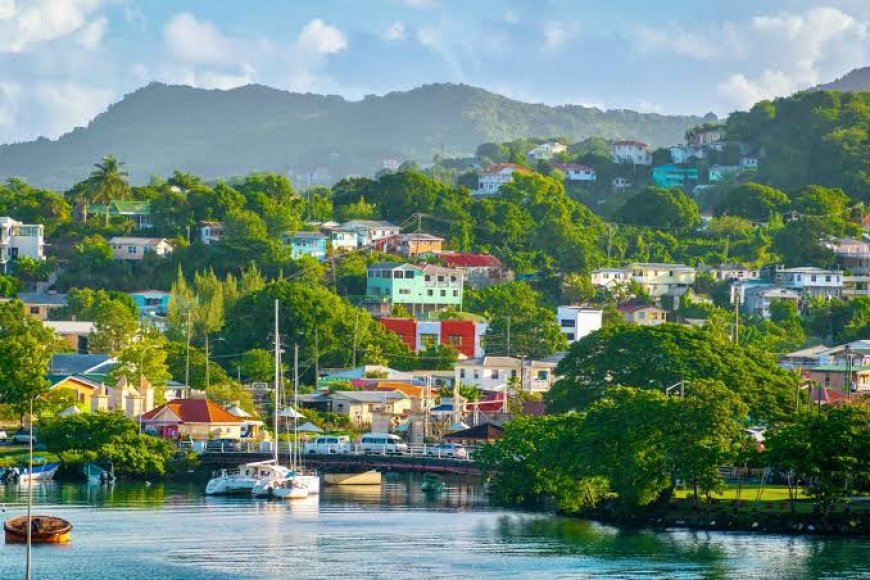

The Caribbean real estate market is entering 2026 with steady momentum rather than speculative hype. Investors are no longer chasing quick gains; instead, they are prioritizing stable jurisdictions, strong rental demand, infrastructure, and long-term value. Across the region, tourism recovery, remote work trends, and international capital flows are driving sustained growth.

Demand for Caribbean property has increased significantly in recent years. Rental demand alone rose by around 22% recently, supported by digital nomads and long-stay travelers . At the same time, property values in several markets have recorded increases of 15–20% due to infrastructure improvements and rising global interest .This article explores the top Caribbean islands showing strong real estate growth potential in 2026, based on market data, investment trends, and future development pipelines.
Caribbean Real Estate Market Overview (2026)
Before analyzing individual islands, it’s important to understand the broader market dynamics shaping investment decisions.
1. Tourism-Driven Demand
Tourism remains the backbone of Caribbean economies. With international travel fully recovered, islands are experiencing increased demand for vacation rentals and second homes. This has a direct impact on rental yields and property values.
2. Remote Work Expansion
The rise of remote work continues to attract long-term residents. Professionals are relocating to Caribbean destinations for lifestyle reasons, increasing demand for both rental and owned housing.
3. Foreign Investment Growth
International buyers especially from North America and Europe are actively investing in Caribbean real estate. Many are seeking stable USD-linked markets and safe-haven assets .
4. Limited Supply and High Demand
Prime beachfront land remains limited. This scarcity supports price appreciation, particularly in luxury and waterfront segments.
5. Citizenship by Investment (CBI) Programs
Countries offering citizenship through real estate such as Antigua and Barbuda, Grenada, and St. Kitts and Nevis continue to attract global investors .
Top Caribbean Islands for Real Estate Growth in 2026
1. The Bahamas
The Bahamas
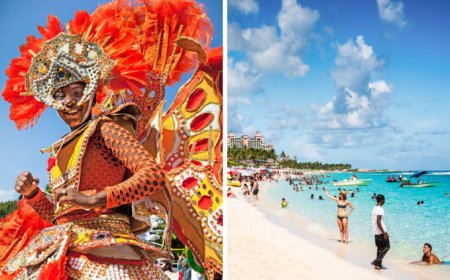
The Bahamas remains one of the strongest real estate markets in the Caribbean. It benefits from proximity to the United States, a stable legal framework, and strong tourism numbers.
Growth Drivers:
- Projected price growth of 5–10% in 2026
- Increasing inventory from branded developments
- Strong luxury rental demand
- Expansion into secondary islands like Exuma and Eleuthera
Investment Opportunities:
- Beachfront villas
- Luxury condos tied to resorts
- Short-term rental properties
The Bahamas is particularly attractive for investors looking for stable, USD-based returns and high liquidity.
2. Turks and Caicos
- Turks and Caicos
Turks and Caicos continues to attract high-net-worth investors due to its exclusivity and limited land availability.
Growth Drivers:
- Expected price growth of 7–12% in 2026
- New luxury developments (Andaz, St. Regis residences)
- Strong tourism and premium rental yields
Investment Opportunities:
- High-end villas
- Branded residences
- Boutique developments
The market here is heavily focused on luxury, with consistent demand from international buyers.
3. Barbados
Barbados
Barbados offers a balanced real estate market with steady growth and strong rental performance.
Key Data:
- Property sales increased by about 34% recently
- Rental demand increased by roughly 10%
Growth Drivers:
- Strong tourism infrastructure
- Digital nomad visa programs
- Stable economy and governance
Investment Opportunities:
- Mid-range condos
- Vacation rental properties
- Long-term rental housing
Barbados is ideal for investors seeking moderate growth with lower volatility.
4. Cayman Islands
Cayman Islands
The Cayman Islands is considered one of the safest and most stable real estate markets in the Caribbean.
Growth Drivers:
- Strong financial sector
- No direct taxes on income or capital gains
- Consistent international demand
Investment Opportunities:
- Luxury beachfront condos
- High-end residential developments
- Commercial real estate
The Cayman Islands is known for capital preservation rather than rapid price appreciation.
5. Antigua and Barbuda
Antigua and Barbuda
Antigua and Barbuda is gaining attention due to its citizenship-by-investment program and growing infrastructure.
Growth Drivers:
- CBI program with minimum investment starting around $300,000
- Increasing tourism and cruise activity
- Expanding real estate developments
Investment Opportunities:
- Resort-based properties
- Fractional ownership units
- Vacation rentals
This market is attractive for investors seeking both residency benefits and rental income.
6. St. Kitts and Nevis
St. Kitts and Nevis
One of the oldest citizenship-by-investment markets, St. Kitts and Nevis continues to see strong demand.
Growth Drivers:
- Growing rental market due to tourism recovery
- Rising demand for apartments and villas
- Government-backed real estate projects
Investment Opportunities:
- Apartments in urban centers
- Luxury villas in Nevis
- CBI-approved developments
The market is evolving with increasing interest in modern housing and eco-living.
7. Jamaica
Jamaica
Jamaica remains one of the largest and most dynamic real estate markets in the Caribbean.
Growth Drivers:
- Strong tourism sector
- Unrestricted foreign ownership
- Growing urban housing demand
Investment Opportunities:
- Affordable residential housing
- Airbnb and short-term rentals
- Commercial developments
- Jamaica offers higher risk but also strong potential for returns.
8. Belize
Belize
Belize is transitioning from a niche market to a mainstream investment destination.
Growth Drivers:
- English-speaking country
- Favorable tax environment
- Rising global recognition
Investment Opportunities:
- Eco-friendly developments
- Coastal properties
- Retirement homes
Belize is particularly attractive for mid-budget investors looking for growth potential.
9. Dominican Republic
Dominican Republic
The Dominican Republic offers affordability and strong rental returns.
Growth Drivers:
- Low entry prices compared to other islands
- High tourist arrivals
- Expanding infrastructure
Investment Opportunities:
- Condos near beaches
- Rental apartments
- Resort developments
It is one of the most accessible markets for new investors.
10. Grenada
Grenada
Grenada is emerging as a strategic investment hub due to its unique advantages.
Growth Drivers:
Citizenship program with U.S. visa access
Increasing investor interest
Growing eco-tourism sector
Investment Opportunities:
Boutique resorts
Sustainable housing
Waterfront properties
Grenada stands out for combining lifestyle, tax benefits, and global mobility.
Emerging Investment Trends in 2026
1. Luxury Villas and Branded Residences
High-end properties remain the top-performing segment due to limited supply and strong rental demand .
2. Eco-Friendly Developments
Sustainable projects are gaining traction, especially in islands like Dominica, Grenada, and Belize.
3. Short-Term Rental Properties
Vacation rentals continue to generate high yields in tourist-heavy destinations.
4. Secondary Island Growth
Investors are moving beyond traditional hotspots to less-developed islands offering better value.
Risks to Consider
Despite strong growth potential, investors should evaluate the following risks:
Climate-related risks (hurricanes, rising sea levels)
Regulatory differences between islands
Liquidity challenges in smaller markets
Dependence on tourism
Diversification across islands or property types can help mitigate these risks.
Key Factors to Evaluate Before Investing
When choosing a Caribbean island for real estate investment in 2026, consider:
1. Legal Framework
Clear property ownership laws and foreign ownership rights are essential.
2. Accessibility
Air connectivity plays a major role in rental demand.
3. Infrastructure
Utilities, healthcare, and internet connectivity affect long-term value.
4. Rental Yield Potential
Look at occupancy rates and tourism trends.
5. Exit Strategy
Liquidity varies significantly across markets.
Conclusion
The Caribbean real estate market in 2026 is defined by stability, selective growth, and long-term investment potential. Islands like the Bahamas and Turks and Caicos lead in luxury and high-value investments, while Barbados and Cayman Islands offer stability. Meanwhile, emerging markets such as Belize, Grenada, and the Dominican Republic provide opportunities for higher growth at lower entry points.
Overall, the region continues to attract global capital due to its combination of lifestyle appeal, rental income potential, and favourable tax structures. Growth is no longer driven by speculation but by strong fundamentals such as tourism recovery, infrastructure development, and international demand. For investors, the best strategy in 2026 is a balanced approach combining stable markets with emerging opportunities while focusing on rental yield and long-term appreciation.
What's Your Reaction?
 Like
0
Like
0
 Dislike
0
Dislike
0
 Love
0
Love
0
 Funny
0
Funny
0
 Angry
0
Angry
0
 Sad
0
Sad
0
 Wow
0
Wow
0