















Eco-Tourism Tips: Sustainable Stays in Turks and Caicos for 2025-26
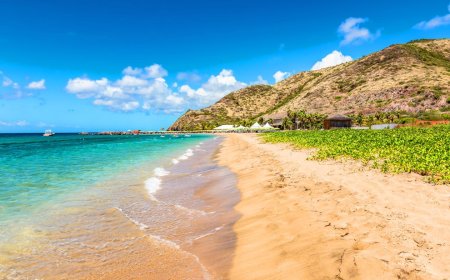
Eco-tourism in Turks and Caicos for 2025–26 focuses on reducing environmental pressure through sustainable accommodation, responsible marine activities, and community-supported tourism. Visitors are encouraged to choose eco-lodges, solar-powered villas, and resorts that follow updated water- and energy-saving guidelines. Activities such as responsible snorkelling, mangrove kayaking, birdwatching, and hiking help tourists experience nature with minimal impact.

1. Why Eco-Tourism Matters in Turks and Caicos

Turks and Caicos relies heavily on coastal health, coral reefs, and marine habitats for tourism revenue.The islands continue strengthening environmental policies through marine park rules, protected wetlands, and development limits.Sustainable travel helps reduce pressure on water usage, reef systems, and land resources.
2. Understanding Sustainable Stays in the Islands
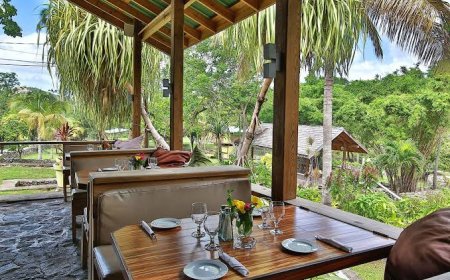
Eco-tourism accommodations follow low-impact building standards and adopt systems to lower energy, water, and waste.Many lodges source local seafood, support island-led conservation work, and partner with community organizations.For 2025–26, several properties have updated solar capacity and greywater systems to align with environmental regulations introduced in recent years.
3. Choosing Eco-Friendly Accommodation Types
A. Small Boutique Eco-Lodges
- Built with minimal land disruption.
- Operate with rainwater capture systems and solar-powered utilities.
- Often located near quieter beaches or natural reserves.
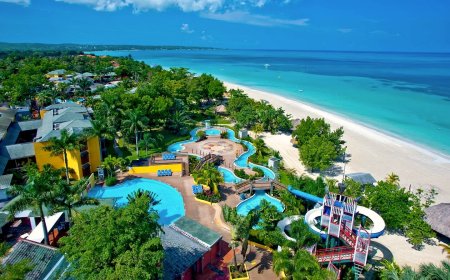
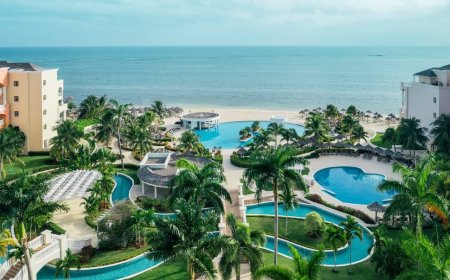
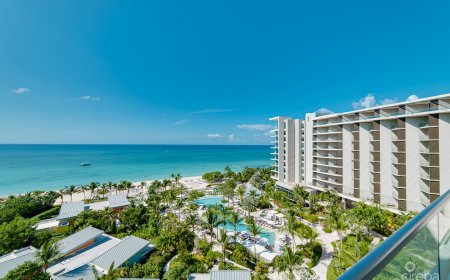
B. Sustainable Luxury Resorts
- Use energy-efficient cooling systems and LED lighting.
- Operate reef-safe product guidelines and water-conservation programs.
- Some offer carbon-offset options tied to local mangrove restoration.
C. Eco-Villas and Off-Grid Stays
- Ideal for long-term visitors in 2025–26 seeking independence.
- Use solar panels, composting systems, and low-flow water fixtures.
- Waste-handling systems help reduce strain on island disposal centers.
4. Key Features to Look for in 2025–26 Accommodation
- Solar or hybrid power systems to reduce diesel generator usage.
- Low-flow fixtures to lower water consumption.
- No single-use plastics, in line with TCI’s waste regulation.
- Reef-safe sunscreen requirements enforced by many hotels.
- Rainwater harvesting for non-potable functions.
- Recycling partnerships with local waste processors.
- Support for local tours that follow ecological guidelines.
5. Sustainable Activities to Add to Your Itinerary
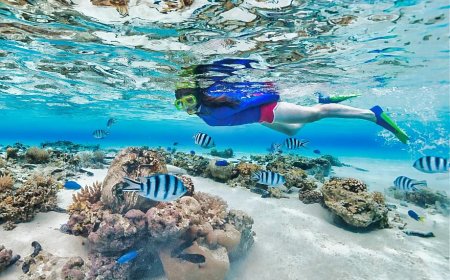
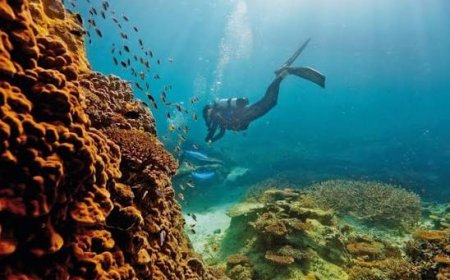
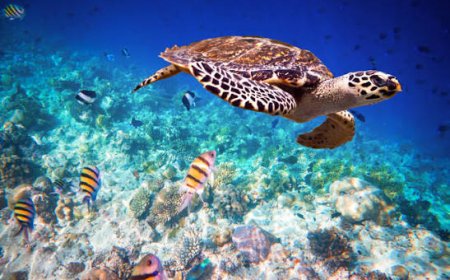
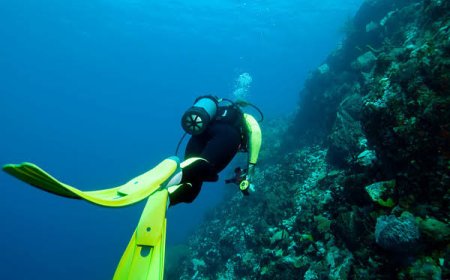
A. Responsible Snorkelling and Diving
- Follow marine park rules, including no-touch coral guidelines.
- Choose operators participating in reef-monitoring programs.
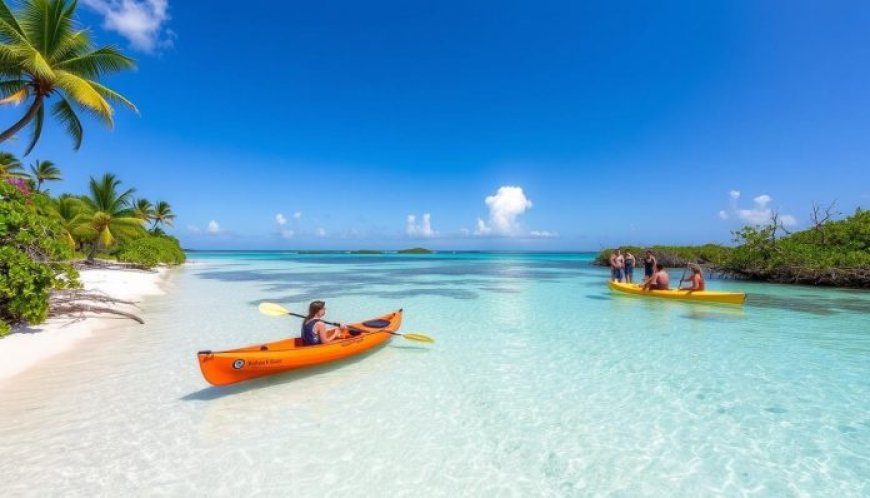
B. Kayaking in Mangrove Areas
- Kayak routes allow visitors to experience wetlands without motorized impact.
- Guides explain the importance of mangroves in shoreline protection.
C. Bird watching in Protected Wetlands
- North Caicos and Middle Caicos offer habitats for flamingos, herons, and other species.
- Observation decks help reduce disturbance.
D. Hiking Eco-Paths
- Middle Caicos trails highlight limestone caves, native plants, and coastal views.
- Visitors are encouraged to stay on marked paths.
6. Marine Conservation Awareness
Turks and Caicos Marine Parks cover multiple islands including Grace Bay, Chalk Sound, and French Cay.Tour operators in 2025–26 use updated guidelines on anchoring, fish-feeding restrictions, and vessel routes.Volunteering programs allow visitors to join beach clean-ups and monitoring projects.
7. Practical Eco-Tourism Tips for 2025–26 Visitors
A. Support Local Food Sources
- Choose restaurants that source fish from certified local suppliers.
- Avoid species listed under catch restrictions during specific seasons.
B. Use Eco-Friendly Transportation
- Bicycles and electric vehicles are increasingly available.
- Short routes around Grace Bay can be done without fuel-based transport.
C. Reduce Water Usage
- The islands rely on desalination, which is energy-intensive.
- Shorter showers and towel-reuse programs help reduce strain on systems.
D. Bring Reef-Safe Sunscreen
- Non-reef-safe sunscreen chemicals damage corals during peak tourism months.
- Several stores now stock mineral-based alternatives.
8. Community-Based Tourism Options
Participate in craft markets and community events supporting local artisans.Small-scale farming visits in North Caicos highlight local produce and agricultural practices.Cultural tours explain island history, boat-building traditions, and food heritage.
9. What’s New for 2025–26
More properties have installed solar-water heating systems in response to updated energy guidelines.New eco-certification programs for tour operators focus on fuel reduction and waste handling.Certain beaches have added erosion-prevention barriers created from natural materials.Improved nature signage in Chalk Sound National Park helps visitors understand protected zones.
10. Environmental Rules Every Visitor Should Know
- Fishing in protected marine areas is prohibited.
- Anchoring on seagrass beds or coral is restricted.
- Removing shells, coral, or sand is not allowed.
- Drone usage near bird nesting grounds requires approval.
- Beaches next to turtle-nesting zones enforce nighttime light restrictions.
11. Top Sustainable Stays to Consider (General Categories Only)
(No endorsements or brands just categories visitors can look for.)Eco-certified boutique beach lodges in Providenciales.Family-run nature lodges near Middle Caicos.Solar-powered villas in quieter coastal areas.Hybrid-energy mid-size hotels applying new sustainability standards for 2025–26.
12. Budgeting for an Eco Trip
Eco-lodges may offer lower occupancy rates but higher per-night sustainability fees.Guided eco-tours are moderately priced and often include educational components.Savings come from using bicycles, local markets, and self-guided nature activities.
13. Conclusion
Eco-tourism in Turks and Caicos for 2025–26 focuses on minimizing environmental pressure while maintaining community engagement and natural-resource protection. Sustainable stays and responsible activities allow visitors to enjoy the islands while supporting long-term conservation. By choosing eco-conscious accommodation, reducing waste, and respecting marine and land regulations, travelers help maintain the region’s natural assets for future generations.
What's Your Reaction?
 Like
0
Like
0
 Dislike
0
Dislike
0
 Love
0
Love
0
 Funny
0
Funny
0
 Angry
0
Angry
0
 Sad
0
Sad
0
 Wow
0
Wow
0