



















Hurricane Season Survival Guide: When to Go, Cancellation Policies, and Insurance.
Hurricane season in the Caribbean runs from June 1 to November 30, with the highest risk occurring between late August and October. Travel during this period is still possible and often cheaper, especially in June, early July, and November, when storm activity is lower. Certain islands such as Aruba, Curacao, Bonaire, Barbados, and Trinidad are historically less affected due to their location outside the main hurricane belt.

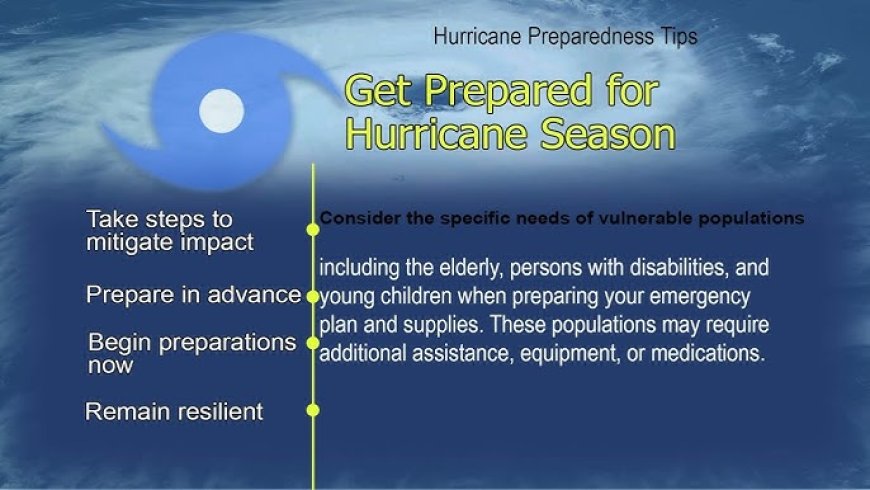
Hurricane season does not mean the Caribbean shuts down. Millions of people travel during these months every year. The key is knowing when to go, how to book, and what protection you need if plans change.

This guide breaks it all down clearly.
1. When Is Hurricane Season in the Caribbean?
- Official Atlantic hurricane season:
- June 1 to November 30
- Peak risk months:
- Late August to October
- Lower-risk months within the season:
- June, early July, and November
- Storms do not affect the entire Caribbean equally or constantly.
2. Month-by-Month Risk Breakdown
June
- Season just begins
- Storm activity is usually low
- Weather is warm with occasional rain
- Good balance of lower prices and lower risk
July
- Slight increase in storm development
- Many islands still operate normally
- Popular for budget travellers
August
- Storm risk increases
- Heat and humidity are higher
- Deals on flights and resorts are common
September
- Highest hurricane risk
- Many resorts discount heavily
- Some islands reduce operations
October
- Risk remains high early in the month
- Gradually decreases toward the end
- Limited flight schedules on smaller islands
November
- Season winds down
- Risk drops sharply after mid-month
- Good value travel returns
3. Which Caribbean Islands Are Less Affected?
- Hurricanes follow general paths. Some areas are hit less often.
- Lower Historical Risk
- Aruba
- Curaçao
- Bonaire
- Southern Barbados
- Trinidad and Tobago
- These islands sit outside the main hurricane belt.
- Higher Historical Risk
- Bahamas
- Jamaica
- Puerto Rico
- Dominican Republic
- Cuba
- Turks and Caicos
- Lower risk does not mean zero risk, but patterns matter.
4. Should You Travel During Hurricane Season?
Yes, if:
- You want lower prices
- You can be flexible with dates
- You book refundable options
- You buy proper travel insurance
No, if:
- You have fixed vacation dates
- You cannot handle delays
- You are visiting in September without flexibility
5. Understanding Airline Cancellation Policies
Normal Conditions
- Non-refundable tickets usually do not allow changes
- Basic economy fares are most restrictive
- When a Storm Is Named
- Airlines often issue travel waivers
Waivers allow:
- Free date changes
- Route changes
- Flight credits instead of refunds
- Waivers usually apply only after a storm is officially forecast.
6. Resort and Hotel Cancellation Policies
- Large Resorts
- Often allow cancellation 3–7 days before arrival
- Many offer hurricane guarantees:
- Refunds
- Credits
- Rebooking options
- Boutique Hotels & Villas
- Stricter policies
- Fewer protections
- Often non-refundable during peak discounts
- Always read the force majeure / weather clause.
7. Airbnb and Vacation Rental Rules
Hosts set their own cancellation policies
Airbnb may override policies only if:
- An official evacuation is ordered
- Airports close
- Local authorities declare emergencies
- Rain or forecasted storms alone usually do not qualify.
8. Why Travel Insurance Is Essential
Travel insurance is the most important protection during hurricane season.
What Standard Policies Usually Cover
- Trip cancellation due to hurricanes
- Trip interruption
Flight delays
- Hotel nights lost
- Medical emergencies
- What They Usually Do NOT Cover
Fear of travel
- Bad weather without a named storm
- Voluntary cancellations
9. “Cancel for Any Reason” (CFAR) Insurance
- Costs more than standard insurance
- Must be purchased soon after booking
- Allows cancellation for personal reasons
- Usually refunds 50–75% of trip cost
- Best option for travellers booking during August–October.
10. Booking Smart during Hurricane Season
Flights
- Avoid basic economy fares
- Choose airlines with flexible rebooking
- Use miles or points if possible
Hotels
- Look for free cancellation
- Ask about hurricane policies
- Avoid prepaid, non-refundable deals unless insured
Timing
- Arrive early in the season (June–July)
- Avoid peak storm weeks unless flexible
11. What Happens If a Hurricane Hits While You’re There?
- Resorts activate safety plans
- Guests may be moved to interior rooms
- Activities pause temporarily
- Airports close briefly, then reopen quickly
- Most storms pass within 24–48 hours
- Caribbean infrastructure is built to handle storms.
12. Final Takeaway
Hurricane season travel is about risk management, not fear. June, July, and November offer strong value with manageable risk. August to October demands flexibility, refundable bookings, and solid insurance. Travellers who plan correctly often save significant money and still enjoy a full Caribbean experience.
Smart booking matters more than luck.
What's Your Reaction?
 Like
0
Like
0
 Dislike
0
Dislike
0
 Love
0
Love
0
 Funny
0
Funny
0
 Angry
0
Angry
0
 Sad
0
Sad
0
 Wow
0
Wow
0