























How to Choose the Best Cruise Stopover Islands
Choosing the best cruise stopover islands is one of the most important decisions when planning a Caribbean cruise. While cruise ships offer plenty of onboard entertainment, the destinations you visit largely determine the overall travel experience. Each Caribbean island has its own unique attractions, from beaches and water sports to rainforests, historical sites, cultural festivals, and local cuisine. Before booking a cruise, travellers should consider their interests, the length of each port stop, available shore excursions, transportation options, and overall travel budget. Islands such as Aruba, Grand Cayman, and The Bahamas are ideal for beach lovers and families, while Saint Lucia and Dominica are perfect for hiking, nature, and adventure activities. Puerto Rico, Curaçao, and Jamaica offer a mix of history, culture, shopping, and authentic Caribbean food.

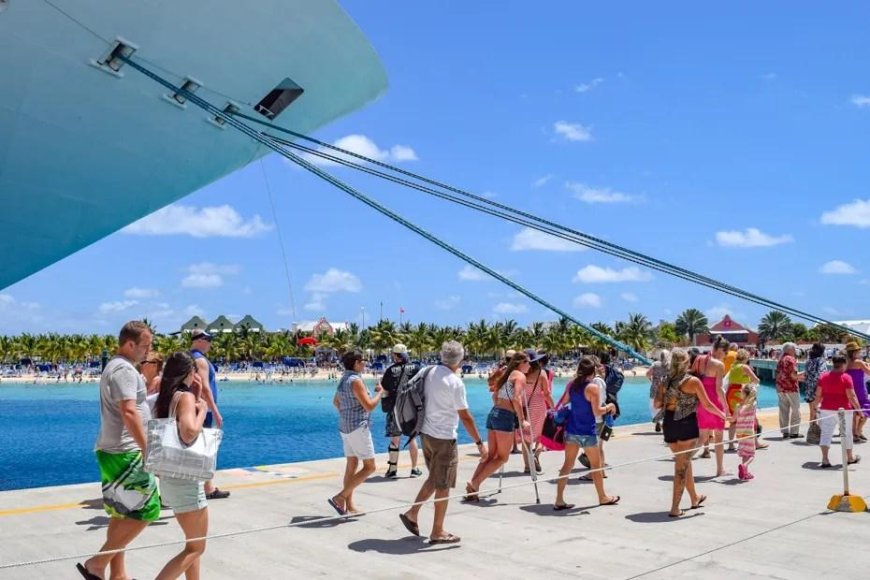
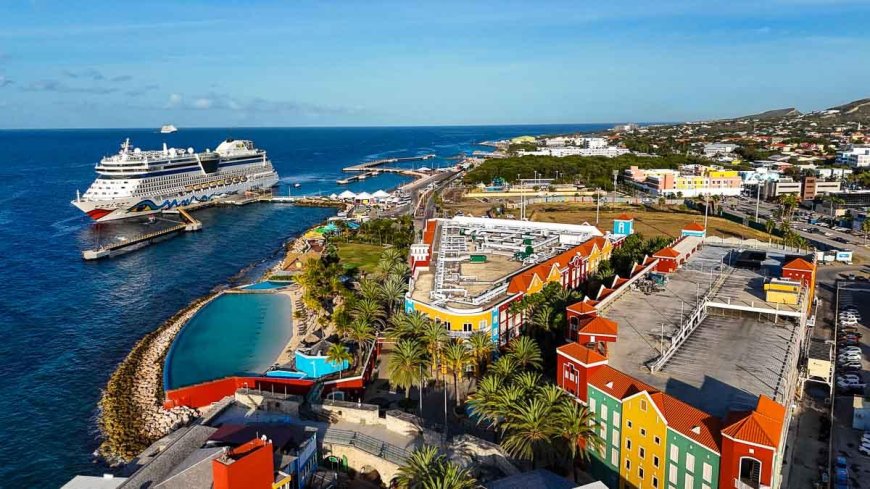
Choosing the right cruise itinerary is about more than selecting a cruise line or finding the best price. The ports of call or stopover islands often determine whether a cruise becomes a memorable travel experience. While modern cruise ships offer extensive entertainment, restaurants, and activities onboard, many travellers book Caribbean cruises primarily to explore different islands, beaches, historical sites, and local cultures.

The Caribbean remains the world's busiest cruise region, welcoming millions of cruise passengers every year. Cruise itineraries range from short three-day sailings that visit one or two islands to longer voyages that include six or more destinations. Because every island offers a different experience, selecting the right stopovers is one of the most important parts of planning a cruise holiday.
Some islands are known for white-sand beaches and water sports, while others attract visitors with rainforests, colonial architecture, hiking trails, shopping districts, or cultural festivals. Families, couples, solo travellers, adventure seekers, and retirees often have different priorities, making it important to match each stopover with personal travel interests.
This guide explains how to evaluate Caribbean cruise stopover islands, compares popular destinations, and provides practical advice for planning a cruise itinerary that offers the best overall experience.
Understand Your Travel Priorities
Before comparing islands, think about what you want from your cruise. Every Caribbean destination offers something different, and identifying your priorities will help narrow your choices.
Some travellers want to spend their day relaxing on quiet beaches, while others prefer hiking, snorkelling, scuba diving, historical sightseeing, shopping, or sampling local cuisine. Families with young children may value safe beaches and organised excursions, whereas experienced travellers might prefer independent exploration or outdoor adventures.
If your cruise includes several stopovers, choosing islands that offer different experiences can create a more balanced holiday. For example, combining a beach destination with a cultural city and a nature-focused island provides greater variety than visiting several islands with similar attractions.
Consider the Length of Your Port Stop
Not every cruise stop provides the same amount of time ashore. Some ports allow visitors to explore for only five or six hours, while others offer full-day visits lasting eight to ten hours or even overnight stays.
Short stopovers are better suited for destinations where major attractions are located close to the cruise terminal. Islands with compact historic centres, nearby beaches, or accessible shopping areas allow visitors to maximise limited time.
Longer port calls make it possible to join full-day excursions, visit national parks, explore remote beaches, or participate in cultural activities without feeling rushed.
Always review the arrival and departure times before booking shore excursions, especially if you plan to explore independently.
Match Islands to Your Interests
Different Caribbean islands have developed different tourism identities over many years.
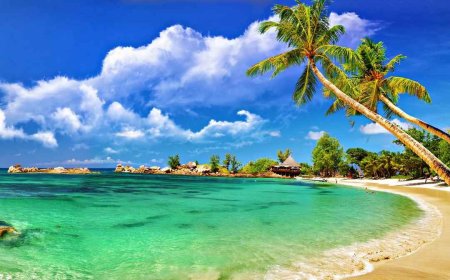
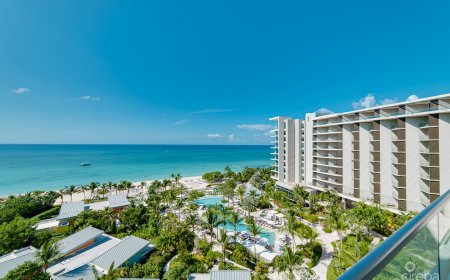
Travellers interested in beaches often choose islands such as Aruba, Turks and Caicos, Antigua, or the Bahamas, where calm waters and soft sand are major attractions.
Those seeking rainforest adventures may prefer Dominica, Saint Lucia, or Puerto Rico, where hiking trails, waterfalls, and protected forests provide opportunities for outdoor exploration.
History enthusiasts often enjoy Old San Juan in Puerto Rico, Bridgetown in Barbados, Willemstad in Curaçao, or Havana in Cuba, where colonial architecture and museums reflect centuries of Caribbean history.
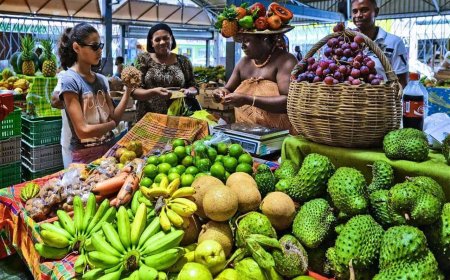
Food lovers may appreciate islands known for local culinary traditions, including Jamaica, Barbados, Saint Lucia, and Martinique, where local restaurants serve regional dishes using fresh island ingredients.
Choosing islands based on your interests usually results in a more satisfying cruise experience than simply selecting the itinerary with the greatest number of ports.
Evaluate Shore Excursions
Cruise lines typically offer a wide selection of organised shore excursions, including sightseeing tours, beach visits, wildlife encounters, boat trips, cultural experiences, cooking classes, and adventure sports.
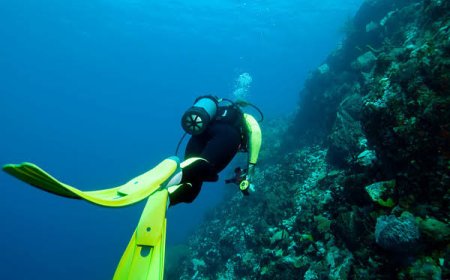
When comparing cruise itineraries, review the types of excursions available at each island. Some destinations specialise in diving and snorkelling, while others focus on rainforest hikes, historical walking tours, rum distillery visits, or wildlife reserves.
Independent tour operators may also provide excellent alternatives, often with smaller group sizes and more flexible schedules. However, travellers should allow sufficient time to return to the ship before departure, as cruise ships generally do not wait for passengers delayed on independently arranged excursions.
Consider Transportation from the Port
Some cruise terminals are located within walking distance of city centres, while others require taxis, shuttle buses, or organised transportation to reach major attractions.
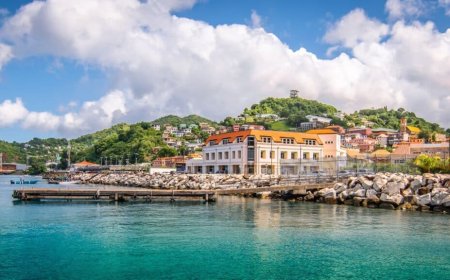
Ports such as Old San Juan, Philipsburg in Sint Maarten, and Willemstad in Curaçao allow visitors to begin exploring almost immediately after disembarking.
Other islands may require longer transfers to beaches, national parks, or popular sightseeing areas. Understanding transportation requirements helps avoid unexpected costs and makes better use of limited time ashore.
Researching local taxi fares, shuttle services, and public transport before travelling can also improve budgeting.
Beach Quality and Water Activities
Many travellers choose Caribbean cruises primarily for beach experiences. However, beach quality varies considerably between islands.
Some destinations are known for long stretches of calm water suitable for swimming and families, while others attract surfers, snorkelers, or scuba divers because of stronger waves or coral reefs.
When comparing stopover islands, consider whether you prefer relaxing beaches with nearby restaurants and facilities or quieter beaches that require additional travel but offer fewer crowds.
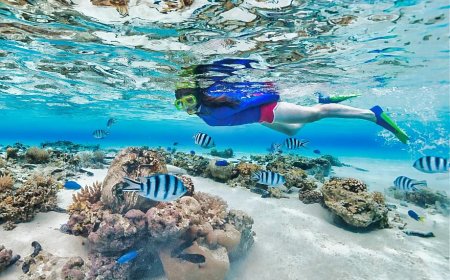
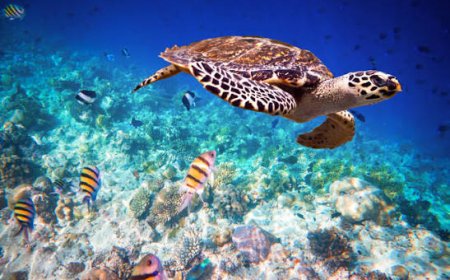
Water activities available at different ports may include snorkelling, scuba diving, paddle boarding, kayaking, sailing, jet skiing, parasailing, and glass-bottom boat tours.
Checking seasonal sea conditions before travelling is also worthwhile, particularly during the Atlantic hurricane season.
Family-Friendly Islands
Families travelling with children often benefit from choosing islands with easily accessible attractions and organised activities.
The Bahamas offers family-oriented beaches, marine attractions, and water parks. Grand Cayman provides calm waters ideal for swimming and snorkelling, while Aruba's gentle beaches appeal to families with younger children.
Many cruise ports also include interactive wildlife experiences, botanical gardens, aquariums, and educational museums that suit visitors of different ages.
Parents should consider walking distances, transportation needs, and weather conditions when planning family excursions.
Adventure-Focused Stopovers
Travellers seeking active experiences should prioritise islands with diverse outdoor activities.
Dominica is widely recognised for hiking, waterfalls, volcanic landscapes, and river adventures. Saint Lucia combines rainforest excursions with zip-lining and mountain hiking, while Puerto Rico offers cave exploration, surfing, and rainforest trails.
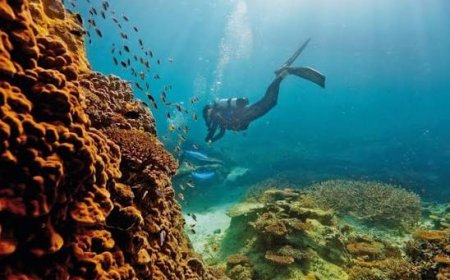
Other islands provide opportunities for scuba diving, deep-sea fishing, sailing, ATV tours, horseback riding, and kayaking through mangrove forests.
Adventure excursions often require advance booking because group sizes may be limited.
Cultural and Historical Experiences
The Caribbean's history reflects Indigenous cultures, European colonisation, African heritage, and centuries of maritime trade.
Historic cities such as Old San Juan, Willemstad, Bridgetown, and Santo Domingo offer museums, forts, churches, markets, and restored colonial buildings that provide insight into the region's development.
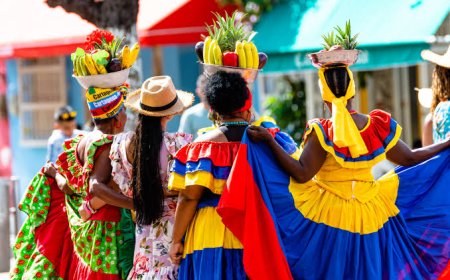
Local festivals, craft markets, food tours, and music performances allow visitors to experience Caribbean culture beyond traditional sightseeing.
Travellers interested in history should check whether their cruise dates coincide with local cultural celebrations.
Shopping Opportunities
Shopping is an important consideration for many cruise passengers.
Some islands are recognised for duty-free shopping, jewellery, luxury goods, local crafts, spices, rum, cigars, artwork, and handmade souvenirs.
Philipsburg in Sint Maarten, Charlotte Amalie in the US Virgin Islands, and Nassau in the Bahamas are among the Caribbean's best-known shopping destinations.
Travellers interested in authentic local products may prefer smaller markets where artisans sell handmade crafts rather than imported goods.
Budget Considerations
Not every Caribbean island has the same cost of visiting.
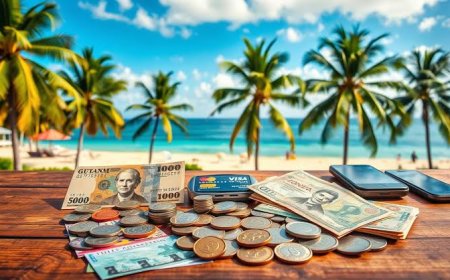
Expenses such as taxis, beach entrance fees, meals, organised excursions, and shopping vary between destinations. Some islands allow visitors to enjoy beaches, walking tours, and cultural attractions at relatively low cost, while others may require more expensive transportation or excursion fees.
Comparing expected shore expenses alongside cruise prices provides a more accurate estimate of total holiday costs.
Travellers planning several independent excursions should also include tips, refreshments, and transport within their daily budget.
Weather and Seasonal Planning
The Caribbean generally enjoys warm weather throughout the year, but seasonal differences affect cruise planning.
The dry season, typically from December through April, offers lower rainfall and comfortable temperatures, making it popular for cruising.
The Atlantic hurricane season runs from June through November. Although many cruises continue operating safely during this period, itineraries may change because of tropical weather systems.
Flexible travellers can often find lower cruise fares during quieter seasons but should understand the possibility of itinerary adjustments.
Private Cruise Islands vs. Local Islands
Many cruise lines operate private islands reserved exclusively for their passengers.
Private destinations often feature well-maintained beaches, organised activities, water sports, and simplified logistics. They are particularly popular with families and first-time cruisers.
However, privately operated islands generally provide fewer opportunities to experience authentic local culture, history, and cuisine compared with independently governed Caribbean islands.
Travellers interested in cultural exploration may prefer itineraries with more traditional ports of call rather than multiple private island visits.
Accessibility for Different Travellers
Accessibility is becoming increasingly important when choosing cruise stopovers.
Some ports offer modern cruise terminals, wheelchair-accessible transportation, smooth walking surfaces, and accessible attractions. Others have steeper streets, uneven pavements, or natural terrain that may present challenges.
Travellers with limited mobility should review accessibility information for both cruise ships and individual ports before booking excursions.
Many cruise lines also provide accessible shore tours specifically designed for passengers with mobility requirements.
Safety during Shore Visits
Most Caribbean cruise destinations welcome millions of visitors each year and are accustomed to tourism. Nevertheless, basic travel precautions remain important.
Visitors should stay aware of departure times, carry identification, keep valuables secure, and use licensed transportation providers. Remaining within well-populated tourist areas is generally advisable, particularly for first-time visitors.
Following local advice and cruise line recommendations helps ensure a safe and enjoyable experience.
Sustainable Cruise Tourism
Sustainability is becoming an increasingly important factor in cruise travel.
Many islands are investing in cleaner ports, marine conservation, reef protection, and community based tourism. Travellers can contribute by choosing environmentally responsible excursions, avoiding damage to coral reefs, respecting wildlife, and supporting locally owned businesses.
Purchasing locally made products, eating at independent restaurants, and hiring certified local guides also helps ensure tourism benefits island communities.
Responsible travel contributes to preserving the natural and cultural attractions that make Caribbean cruising so popular.
Comparing Popular Caribbean Stopover Islands
Each major Caribbean destination offers a distinctive experience.
Aruba is known for reliable sunshine, calm beaches, and water sports, making it ideal for relaxation and family holidays.
Saint Lucia attracts travellers interested in volcanic landscapes, hiking, and rainforest adventures.
Puerto Rico combines history, beaches, shopping, and modern urban attractions, making it suitable for visitors with varied interests.
Grand Cayman is famous for clear water, snorkelling, diving, and marine experiences such as Stingray City.
Curaçao offers colourful colonial architecture, excellent diving, and a vibrant waterfront.
Jamaica combines beaches, waterfalls, reggae culture, and local cuisine.
The Bahamas provides a wide range of family-friendly attractions, beaches, and organised shore activities.
Rather than searching for the "best" island, travellers should identify the destinations that best match their own interests and preferred pace of travel.
Planning an Efficient Cruise Itinerary
When comparing cruise itineraries, avoid focusing only on the number of islands visited. A schedule with fewer but longer port calls often provides a more enjoyable experience than one with many short stops.
Consider the balance between sea days and port days. Consecutive sightseeing days can become tiring, particularly for families with children or older travellers.
Review maps to understand the distance between cruise terminals and major attractions. Reading recent traveller reviews can also provide valuable insights into crowd levels, transportation, and excursion quality.
Planning activities before departure reduces stress and helps maximise time at each destination.
What's Your Reaction?
 Like
0
Like
0
 Dislike
0
Dislike
0
 Love
0
Love
0
 Funny
0
Funny
0
 Angry
0
Angry
0
 Sad
0
Sad
0
 Wow
0
Wow
0