




























How to Score Free Seat Upgrades on Flights
How to Score Free Seat Upgrades on Flights explains the practical strategies travellers can use to improve their chances of moving from economy class to premium economy, business class, or first class without paying full price. The article discusses how airline upgrade systems work, emphasizing the importance of frequent flyer programs, elite status, airline loyalty, and strategic flight bookings. It covers key tactics such as joining loyalty programs, checking in early, traveling during off-peak periods, flying solo when possible, using airline credit cards, monitoring upgrade offers, and understanding airport upgrade lists. The guide also explores the role of airline alliances, mileage upgrades, premium economy opportunities, and operational upgrades that occur when flights are oversold. While free upgrades are less common today due to advanced airline revenue management systems, travellers who consistently build airline loyalty and stay informed about upgrade opportunities can significantly increase their chances of enjoying a more comfortable flying experience.

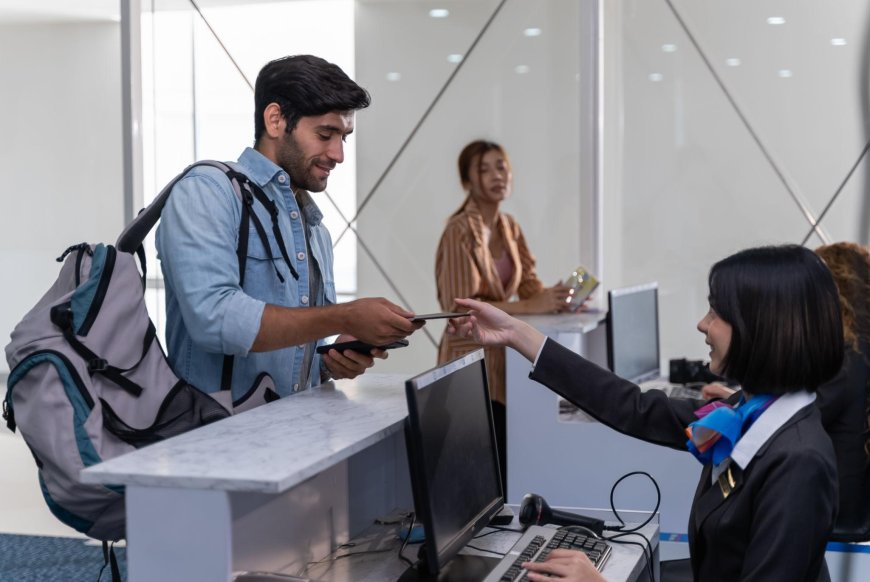

Many travelers dream of moving from an economy seat to premium economy, business class, or even first class without paying the full upgrade price. Comfortable seats, additional legroom, better meals, priority boarding, airport lounge access, and improved service make upgraded cabins attractive, especially on long flights. While free upgrades are less common than they were years ago, they still happen under the right circumstances. Airlines today use sophisticated revenue management systems designed to maximize profits, meaning most premium seats are sold or offered through paid upgrades before departure. However, travelers who understand how airline operations work can improve their chances of receiving complimentary or low-cost upgrades.

The reality is that there is no guaranteed method for obtaining a free upgrade. Airline employees cannot simply move passengers to premium cabins based on requests alone. Most upgrades are controlled by automated systems that prioritize frequent flyers, elite status members, operational requirements, and customer service considerations. Nevertheless, travelers who follow certain strategies can position themselves more favourably when upgrade opportunities arise.
Understanding the factors that influence airline upgrade decisions is the first step toward increasing your chances of enjoying a better seat without paying full price.
Understanding How Airline Upgrades Work
Many travelers assume that free upgrades are randomly distributed at airport gates. In reality, airlines use structured systems to determine who receives available premium seats.
The most common upgrades are awarded to frequent flyer members who have achieved elite status through regular travel. Airlines view these passengers as valuable customers and often reward loyalty with upgrade benefits. When premium seats remain unsold before departure, elite members are typically placed on upgrade lists according to their status level.
Operational upgrades also occur when airlines need to balance passenger loads between cabins. If economy becomes oversold while premium cabins still have empty seats, airlines may move selected passengers to higher classes. These upgrades are usually determined by internal policies rather than passenger requests.
Understanding that upgrades are based largely on airline policies rather than luck helps travelers focus on strategies that improve their position within these systems.
Join Airline Loyalty Programs
One of the most effective ways to increase upgrade opportunities is joining airline frequent flyer programs. Membership is usually free and allows travelers to accumulate points or miles from flights, credit card spending, hotel stays, and partner services.
Even travelers who fly only occasionally can benefit from enrolment because airlines often prioritize loyalty program members over non-members when considering upgrade opportunities.
Elite status offers the greatest advantages. Travelers who frequently fly with the same airline or alliance can earn status levels that provide complimentary upgrade eligibility on many routes. Higher-tier members generally receive priority over lower-tier members when upgrade space becomes available.
For travelers who regularly visit the Caribbean, maintaining loyalty with a particular airline network can significantly improve upgrade chances over time.
Book Flights Strategically
Flight selection can influence upgrade opportunities. Certain flights are more likely to have unsold premium seats than others.
Business-heavy routes often fill premium cabins with paying customers, reducing upgrade availability. Leisure-oriented routes may sometimes offer better opportunities, particularly during off-peak travel periods.
Flights departing during less popular times can also improve upgrade odds. Early morning departures, late-night flights, and midweek travel sometimes experience different booking patterns than peak travel periods.
Seasonality plays an important role as well. During major holidays and high-demand vacation seasons, premium cabins frequently sell out. Travelling during quieter periods may increase the likelihood of available upgrade inventory.
Strategic booking cannot guarantee an upgrade, but it can improve the conditions under which upgrades become possible.
Check In Early
Early check-in remains a useful strategy, particularly for operational upgrades.
Many airlines finalize seating assignments and upgrade processing in the hours leading up to departure. Passengers who check in promptly demonstrate their intention to travel and are often positioned more favourably within airport systems.
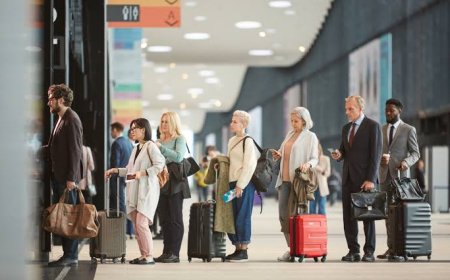
Online check-in generally opens 24 hours before departure. Completing check-in as soon as it becomes available ensures that travelers are visible within airline systems early in the process.
This approach becomes especially important when flights are oversold and airlines need to determine which passengers will receive alternative seating arrangements.
Travel Solo When Possible
Solo travelers often have greater upgrade flexibility than larger groups.
When airlines have only one or two premium seats available, moving a single passenger is much easier than relocating an entire family or travel group. Operational upgrades frequently involve filling isolated empty seats that cannot accommodate multiple travelers together.
This does not mean groups never receive upgrades, but individual travelers generally have more opportunities because they fit more easily into available inventory.
Business travelers often benefit from this dynamic because they frequently travel alone and maintain elite status simultaneously.
Dress Neatly and Behave Professionally
One of the most persistent travel myths suggests that dressing formally guarantees upgrades. While appearance alone rarely determines upgrade decisions, professional presentation can still matter in certain situations.
Airlines expect passengers occupying premium cabins to meet basic dress and conduct standards. Travelers who appear neat, respectful, and well-prepared create positive impressions when interacting with airline employees.
More important than clothing is behaviour. Gate agents, check-in staff, and flight attendants frequently deal with stressed passengers and difficult situations. Travelers who remain polite, patient, and cooperative are more likely to receive favourable treatment when discretionary decisions arise.
Courtesy does not create upgrade opportunities where none exist, but it can influence outcomes when staff has flexibility.
Use Airline Credit Cards
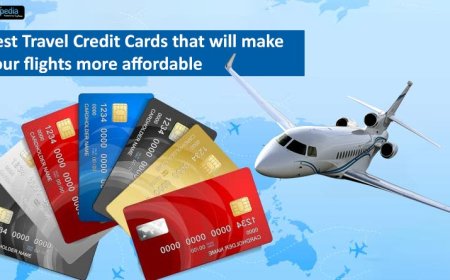
Many airlines partner with financial institutions to offer co-branded credit cards. These cards often provide travel-related benefits that can indirectly improve upgrade opportunities.
Cardholders may receive priority boarding, free checked bags, bonus miles, or accelerated progress toward elite status. Some premium cards also include upgrade certificates or special access to airline promotions.
Accumulated points can sometimes be used to request upgrades at significantly lower costs than purchasing premium tickets outright.
Travelers who regularly use airline credit cards often move closer to elite status thresholds, further improving future upgrade eligibility.
Monitor Upgrade Offers before Departure
Airlines increasingly offer discounted upgrades through mobile apps, email promotions, and online account portals.
While these are not free upgrades, they often represent substantial savings compared with purchasing premium tickets directly. Travelers who monitor their reservations regularly may receive attractive upgrade offers in the days before departure.
Some airlines reduce upgrade prices as departure approaches if premium seats remain unsold. These offers can provide access to business or premium economy cabins at a fraction of standard prices.
For travelers seeking comfort rather than strictly free upgrades, these opportunities can provide excellent value.
Understand Airport Upgrade Lists
Many airlines maintain visible upgrade lists that show passenger positions before departure.
These lists are typically ranked according to elite status, ticket type, loyalty program activity, and other factors. Understanding your position helps set realistic expectations.
Higher fare classes often receive priority over deeply discounted economy tickets. Elite status members generally occupy the top positions, followed by lower-status travelers and general members.
Observing how upgrade lists function can help travelers better understand airline priorities and plan future travel strategies accordingly.
Volunteer on Oversold Flights
Oversold flights occasionally create upgrade opportunities.
When more passengers arrive than available economy seats, airlines may seek volunteers willing to take later flights. In some situations, rebooked passengers receive compensation, travel vouchers, or upgraded accommodations on alternative departures.
Operational upgrades may also occur when airlines need to free economy seats while balancing cabin occupancy.
Travelers who remain flexible and willing to assist airline operations occasionally benefit from these situations.
Leverage Airline Alliances
Global airline alliances provide additional opportunities for frequent travelers.
Programs such as Star Alliance, Sky Team, and One world allow passengers to earn status benefits across multiple airlines. This broader network makes it easier to accumulate qualifying activity and maintain elite status.
For Caribbean travelers using different carriers throughout the year, alliance membership can significantly expand upgrade opportunities beyond a single airline.
Maintaining loyalty within an alliance often produces greater long-term benefits than spreading travel across unrelated carriers.
Consider Premium Economy
Many travelers focus exclusively on business class or first class upgrades, but premium economy deserves attention as well.
Premium economy cabins typically offer extra legroom, improved meals, priority boarding, enhanced baggage allowances, and greater comfort compared with standard economy seating.
Upgrade competition for premium economy may be less intense than for business class, making it a more realistic target for many travelers.
The comfort improvement can be substantial, particularly on long-haul flights.
Use Miles Wisely
Frequent flyer miles remain one of the most reliable paths to upgraded travel.
Many airlines allow passengers to purchase economy tickets and then request upgrades using accumulated miles. Depending on availability and route demand, this strategy can provide exceptional value.
Understanding airline award charts, upgrade rules, and availability patterns helps maximize the effectiveness of miles.
Travelers who consistently earn and redeem miles strategically often enjoy premium cabin experiences at significantly reduced costs.
Timing Matters
Flight timing influences upgrade opportunities more than many travelers realize.
Certain days of the week experience heavier business travel, increasing premium cabin demand. Tuesday, Wednesday, and Saturday flights may occasionally provide better upgrade opportunities depending on route characteristics.
Holiday periods, school vacations, and major events often reduce availability because premium seats sell more readily.
Flexibility with travel dates allows travelers to choose flights with more favourable upgrade conditions.
Avoid Common Upgrade Mistakes
Many travelers unintentionally reduce their upgrade chances through avoidable mistakes.
Waiting until the gate to join loyalty programs provides little benefit because airline systems have already processed many upgrade decisions. Frequent flyer enrolment should occur well before travel.
Demanding upgrades or arguing with staff rarely produces positive results. Airline employees typically have limited control over automated upgrade processes.
Ignoring airline communications can also be costly. Upgrade offers, waitlist opportunities, and special promotions often arrive through email or mobile applications.
Remaining informed and proactive generally produces better results than relying solely on luck.
The Role of Technology in Modern Upgrades
Technology now plays a major role in upgrade management.
Airlines use advanced algorithms that evaluate passenger loyalty, travel history, booking patterns, fare classes, and operational needs. These systems make upgrade decisions far more data-driven than in previous decades.
Mobile applications allow travelers to monitor upgrade status, receive notifications, purchase discounted upgrades, and manage reservations more efficiently.
Understanding how technology influences airline decision-making helps travelers focus on factors they can actually control.
Are Free Upgrades Becoming Less Common?
The short answer is yes. Airlines have become increasingly effective at selling premium seats through discounted offers, dynamic pricing, and targeted marketing.
As a result, truly complimentary upgrades occur less frequently than they once did. However, they have not disappeared entirely. Elite status members continue receiving upgrades regularly, operational upgrades still occur, and occasional opportunities arise for well-positioned travelers.
Rather than expecting free upgrades on every trip, travelers should view them as occasional rewards that become more likely through consistent loyalty and strategic travel behaviour.
Conclusion
Scoring a free seat upgrade on a flight is possible, but it requires realistic expectations and an understanding of how airlines allocate premium seats. Modern upgrade systems prioritize loyalty, elite status, operational requirements, and revenue management rather than random selection. Travelers who join loyalty programs, maintain airline relationships, check in early, travel strategically, use airline credit cards, monitor upgrade opportunities, and remain flexible significantly improve their chances of moving into better seats.
While complimentary upgrades have become less common as airlines refine revenue strategies, opportunities still exist for informed travelers. Even when free upgrades are unavailable, discounted upgrade offers, premium economy options, mileage redemptions, and loyalty benefits can provide access to more comfortable travel experiences at reasonable costs.
The most successful approach combines patience, preparation, and consistency. Rather than searching for a secret trick, travelers should focus on building long-term airline relationships and taking advantage of every available opportunity. Over time, those efforts can turn occasional upgrades into a regular part of the travel experience.
What's Your Reaction?
 Like
0
Like
0
 Dislike
0
Dislike
0
 Love
0
Love
0
 Funny
0
Funny
0
 Angry
0
Angry
0
 Sad
0
Sad
0
 Wow
0
Wow
0