






















Caribbean Fashion Week Highlights
Caribbean Fashion Week Highlights explores the growth of fashion events across the Caribbean and their role in promoting regional creativity, culture, and business opportunities. The article explains how Caribbean Fashion Week and similar events in Jamaica, Trinidad and Tobago, Barbados, Puerto Rico, the Dominican Republic, the Bahamas, and other islands have evolved into important platforms for designers, models, buyers, media professionals, and entrepreneurs. It highlights the strong influence of Caribbean culture, climate, music, art, and heritage on fashion design, while examining key trends such as resort wear, swimwear, sustainable fashion, and digital marketing. The article also discusses the economic impact of fashion events on tourism and local businesses, the growing importance of e-commerce and technology, challenges facing designers, and the future of the Caribbean fashion industry. Overall, Caribbean Fashion Week serves as both a celebration of regional identity and a gateway for Caribbean designers to reach international markets.

Fashion events across the Caribbean have evolved into important platforms for designers, models, textile producers, beauty brands, and creative entrepreneurs. While the region is often associated with tourism, beaches, and cultural festivals, it also has a growing fashion industry that combines local heritage with modern design. Caribbean Fashion Week and related fashion events held across Jamaica, Trinidad and Tobago, Barbados, the Dominican Republic, Puerto Rico, the Bahamas, and other islands have become significant showcases for regional talent.

These events provide opportunities for established designers and emerging creators to present collections inspired by Caribbean culture, climate, history, and lifestyles. Fashion weeks also attract buyers, media organizations, influencers, photographers, and international fashion professionals who help connect Caribbean brands with global markets. In recent years, the industry has increasingly embraced sustainability, digital marketing, e-commerce, and cultural storytelling, creating new opportunities for designers seeking international recognition.
The Caribbean fashion scene is no longer viewed solely as a regional market. Designers from the islands are now participating in international fashion events, collaborating with global brands, and reaching customers through online platforms. As a result, Caribbean Fashion Week has become more than a runway event it has become a reflection of the region's creative economy and cultural identity.
The Evolution of Caribbean Fashion Week
Fashion events in the Caribbean have developed significantly over the past two decades. Earlier fashion showcases primarily focused on local audiences and domestic designers. As international interest in Caribbean culture increased, organizers began expanding events to include international guests, fashion journalists, buyers, and industry experts.
Jamaica played an important role in establishing large-scale fashion events within the region. Over time, other islands introduced their own fashion weeks and designer showcases, helping create a broader Caribbean fashion network. These events provided designers with opportunities to display collections inspired by local traditions while incorporating global fashion influences.
The growth of social media accelerated this transformation. Designers who once relied primarily on local sales gained access to global audiences through Instagram, TikTok, online stores, and digital marketing campaigns. Fashion week events adapted by incorporating livestreams, digital presentations, and online buyer access, making Caribbean fashion more visible internationally.
Today, fashion weeks throughout the region are viewed as important economic and cultural events that contribute to tourism, entrepreneurship, and creative industry development.
The Influence of Caribbean Culture on Fashion
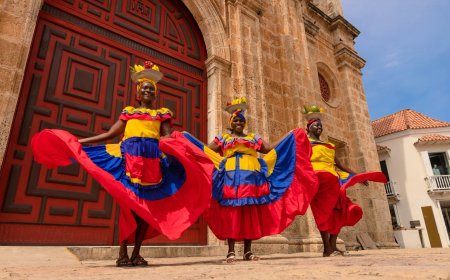
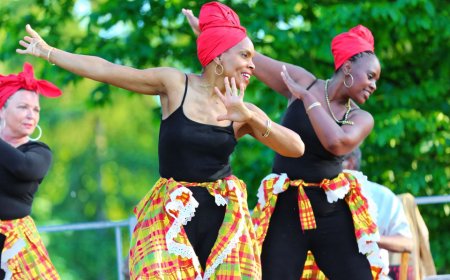
One of the defining characteristics of Caribbean fashion is its connection to cultural heritage. Designers frequently draw inspiration from the region's diverse history, which includes African, European, Indigenous, Indian, Chinese, and Middle Eastern influences.
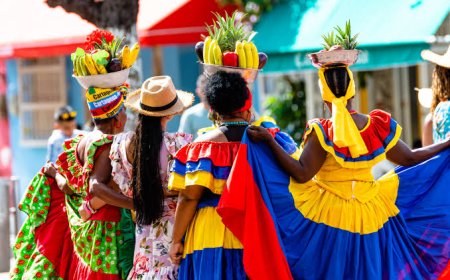
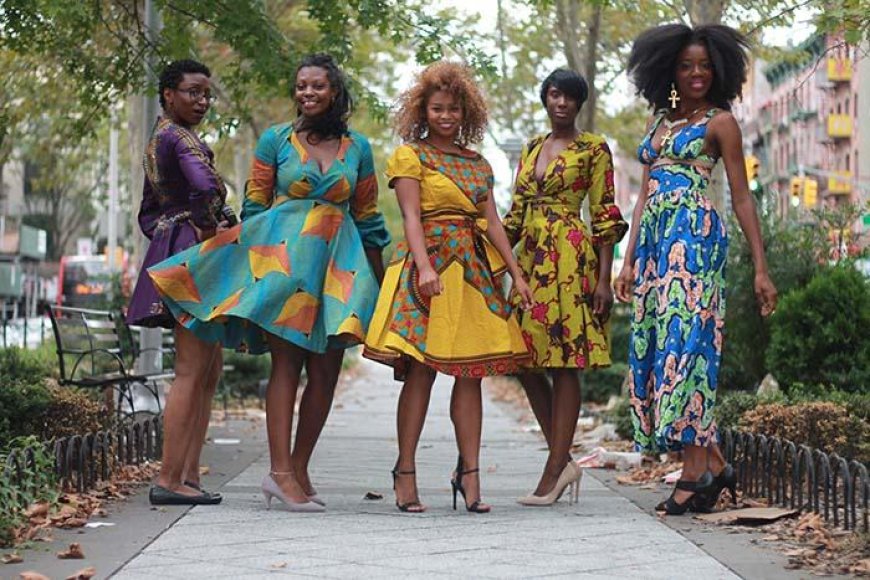
These cultural influences appear in color palettes, fabric choices, embroidery techniques, silhouettes, and decorative patterns. Traditional crafts often inspire modern collections, allowing designers to reinterpret historical elements in contemporary ways.
Caribbean fashion also reflects the region's climate. Lightweight fabrics, breathable materials, and versatile designs remain popular because they suit tropical conditions. Linen, cotton, bamboo fabrics, and natural fibers are frequently incorporated into collections presented during fashion events.
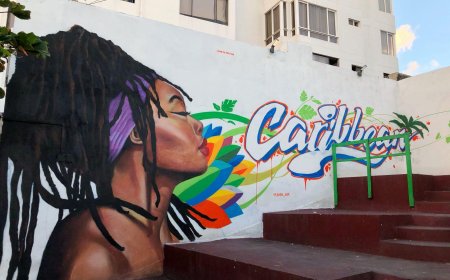
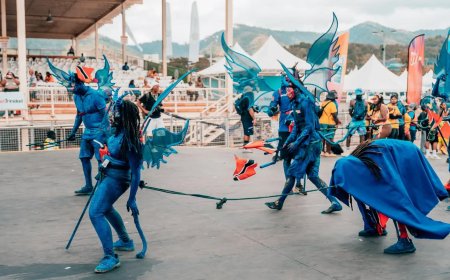
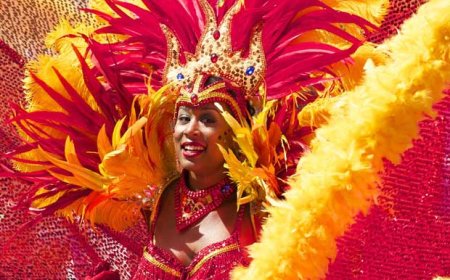
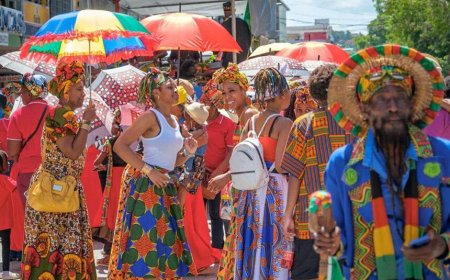
Music, dance, Carnival traditions, and local art also influence many runway presentations. Designers often use fashion as a form of storytelling, presenting collections that celebrate national identity, social issues, environmental concerns, or historical narratives.
This cultural connection helps distinguish Caribbean fashion from many global trends and gives designers a unique voice within the international marketplace.
Major Fashion Events across the Caribbean
Several fashion events have become important highlights on the regional fashion calendar.
Jamaica remains one of the Caribbean's most active fashion hubs. Fashion events in Kingston regularly attract designers from across the region, providing opportunities for networking, business development, and international exposure. These showcases often feature ready-to-wear collections, evening wear, resort fashion, accessories, and sustainable fashion projects.
Trinidad and Tobago also hosts important fashion events that benefit from the country's strong creative industries. Designers frequently combine fashion with influences from Carnival culture, resulting in collections that emphasize craftsmanship, bold visual presentation, and innovative design techniques.
Barbados has emerged as another growing fashion destination. Fashion showcases on the island often focus on resort wear, luxury fashion, and sustainable design. The country's tourism industry provides additional opportunities for designers seeking international customers.
Puerto Rico and the Dominican Republic have also strengthened their positions within Caribbean fashion by supporting local designers and promoting regional fashion entrepreneurship. These markets benefit from strong manufacturing sectors and access to both Caribbean and Latin American audiences.
The Bahamas, Saint Lucia, Antigua, and other islands continue expanding their fashion industries through smaller events, designer showcases, and collaborations with tourism organizations.
Designers Making an Impact
Caribbean fashion weeks consistently highlight both established designers and emerging talent. Many designers use these platforms to launch new collections, build relationships with buyers, and attract media attention.
Successful Caribbean designers often combine local inspiration with international production standards. Their collections appeal not only to regional consumers but also to customers in North America, Europe, and other international markets.
Many designers have expanded beyond clothing into accessories, jewellery, footwear, and lifestyle products. This diversification allows brands to strengthen revenue streams while building stronger market identities.
Emerging designers also benefit significantly from fashion week participation. Exposure through runway shows, social media coverage, and industry networking events helps new brands gain recognition more quickly than traditional marketing methods alone.
Fashion competitions, mentorship programs, and educational workshops associated with these events provide additional support for young designers entering the industry.
Sustainability Becomes a Major Theme
Sustainability has become one of the most discussed topics at Caribbean fashion events. Consumers increasingly expect brands to demonstrate environmental responsibility, and many Caribbean designers are responding to this demand.
Collections featuring organic cotton, recycled materials, natural dyes, and locally sourced fabrics have become more common. Designers are also exploring ways to reduce waste during production while promoting ethical manufacturing practices.
Some brands are emphasizing slow fashion principles, encouraging consumers to invest in durable garments rather than frequently replacing clothing. Others focus on small-batch production methods that reduce excess inventory and environmental impact.
Sustainability discussions at fashion events often extend beyond clothing. Organizers are exploring environmentally responsible event management practices, including waste reduction, reusable materials, digital invitations, and energy-efficient production methods.
This growing focus reflects broader global industry trends while highlighting the Caribbean's vulnerability to climate-related challenges.
Resort Wear and Tropical Fashion Trends
Because of the region's climate and tourism industry, resort wear remains one of the most important categories showcased during Caribbean fashion events.
Designers frequently present collections featuring lightweight dresses, linen shirts, coordinated sets, swimwear, and versatile garments suitable for both leisure and professional environments. These designs appeal to tourists, cruise passengers, business travelers, and local consumers.
Recent fashion week presentations have highlighted relaxed tailoring, neutral color palettes, sustainable fabrics, and multifunctional clothing that transitions easily between daytime and evening settings.
Swimwear continues to be a particularly strong category. Caribbean designers often incorporate unique prints, handcrafted details, and culturally inspired design elements that help distinguish their products within competitive international markets.
The popularity of destination weddings has also increased demand for tropical formal wear, creating opportunities for designers specializing in bridal fashion and special occasion attire.
Technology and Digital Fashion Marketing
Technology has transformed how Caribbean fashion brands reach customers. Fashion week events now generate substantial online engagement through social media, live streaming platforms, and digital content campaigns.
Designers increasingly rely on digital marketing strategies to expand beyond local markets. Runway presentations are photographed, recorded, and shared globally within minutes. This instant exposure helps brands connect with potential customers, retailers, and media organizations worldwide.
E-commerce has become particularly important. Consumers who discover designers during fashion events can immediately purchase products through online stores, creating direct sales opportunities that did not exist in earlier years.
Artificial intelligence, virtual fitting technologies, and digital design tools are also becoming more common within the industry. While adoption varies across the region, technology continues creating new opportunities for innovation and growth.
The Economic Impact of Fashion Events
Fashion weeks generate benefits that extend far beyond the fashion industry itself. Hotels, restaurants, transportation providers, photographers, event planners, makeup artists, stylists, and production companies all contribute to the success of these events.
International visitors attending fashion showcases support tourism revenues while creating opportunities for local businesses. Media coverage also promotes Caribbean destinations to broader audiences, generating indirect marketing benefits.
For designers, participation can lead to wholesale agreements, retail partnerships, export opportunities, and international collaborations. These business relationships contribute to job creation and economic development throughout the region.
Governments and tourism boards increasingly recognize the value of creative industries as tools for economic diversification. Fashion events demonstrate how culture and entrepreneurship can work together to generate growth and attract international attention.
Challenges Facing the Caribbean Fashion Industry
Despite significant progress, Caribbean fashion businesses continue facing several challenges.
Limited manufacturing capacity remains a concern for some designers seeking to scale production. Import costs for fabrics, equipment, and materials can increase operating expenses compared to larger fashion markets.
Access to financing also presents challenges, particularly for emerging designers attempting to expand operations or enter international markets.
Competition from global fashion brands requires Caribbean designers to differentiate themselves through quality, authenticity, and cultural storytelling. While these strengths provide competitive advantages, maintaining visibility in crowded markets requires ongoing investment in marketing and brand development.
Logistics and shipping costs can also affect international sales, especially for smaller businesses operating across multiple island nations.
Nevertheless, growing digital access and increasing international interest in Caribbean culture continue creating opportunities for industry expansion.
The Future of Caribbean Fashion Week
The future of Caribbean fashion appears increasingly connected to sustainability, technology, and international collaboration. Designers are finding new ways to balance cultural authenticity with evolving consumer expectations.
Fashion week organizers are likely to continue expanding digital components, allowing broader participation from international audiences and buyers. Hybrid events that combine physical runway shows with online presentations may become standard practice.
Educational initiatives are also expected to grow. Programs focused on fashion business management, textile innovation, digital marketing, and sustainable production can help strengthen the next generation of Caribbean fashion entrepreneurs.
International partnerships may further increase opportunities for designers seeking global visibility. Collaborations with retailers, tourism organizations, educational institutions, and fashion media outlets could expand market access while promoting Caribbean creativity on larger stages.
As the industry evolves, fashion weeks will remain important platforms for showcasing talent, supporting entrepreneurship, and celebrating the cultural diversity that makes Caribbean fashion distinctive.
Conclusion
Caribbean Fashion Week and related fashion events have become important showcases for creativity, entrepreneurship, and cultural expression throughout the region. What began primarily as local industry gatherings has evolved into a growing network of fashion platforms attracting designers, buyers, media professionals, and consumers from around the world.
These events highlight the unique qualities of Caribbean fashion, including its connection to cultural heritage, tropical lifestyles, sustainability initiatives, and innovative design approaches. Designers continue drawing inspiration from the region's diverse history while embracing modern technology, digital marketing, and global business opportunities.
The industry's economic contribution extends beyond clothing sales, supporting tourism, creative services, manufacturing, and small business development. Although challenges remain, continued investment in education, sustainability, technology, and international partnerships positions Caribbean fashion for future growth.
As fashion weeks across Jamaica, Trinidad and Tobago, Barbados, Puerto Rico, the Dominican Republic, the Bahamas, and other islands continue to evolve, they serve as powerful reminders that the Caribbean is not only a destination for travelers but also a dynamic canter of creativity and design. Through fashion, the region tells its stories, celebrates its identity, and builds connections with audiences far beyond its shores.
What's Your Reaction?
 Like
0
Like
0
 Dislike
0
Dislike
0
 Love
0
Love
0
 Funny
0
Funny
0
 Angry
0
Angry
0
 Sad
0
Sad
0
 Wow
0
Wow
0