

















Caribbean Climbing & Bouldering Hotspots
The Caribbean has become an emerging destination for rock climbing and bouldering, offering a mix of limestone cliffs, volcanic rock formations, coastal crags, and forest boulders. While it is better known for beaches and water sports, several islands now provide excellent climbing opportunities for beginners and experienced climbers alike. Puerto Rico is the region's leading sport climbing destination, featuring hundreds of well-developed limestone routes with reliable climbing conditions and an active local climbing community. Cuba's Viñales Valley is internationally recognised for its dramatic limestone cliffs, steep walls, and scenic climbing routes, making it one of the Caribbean's top climbing locations.

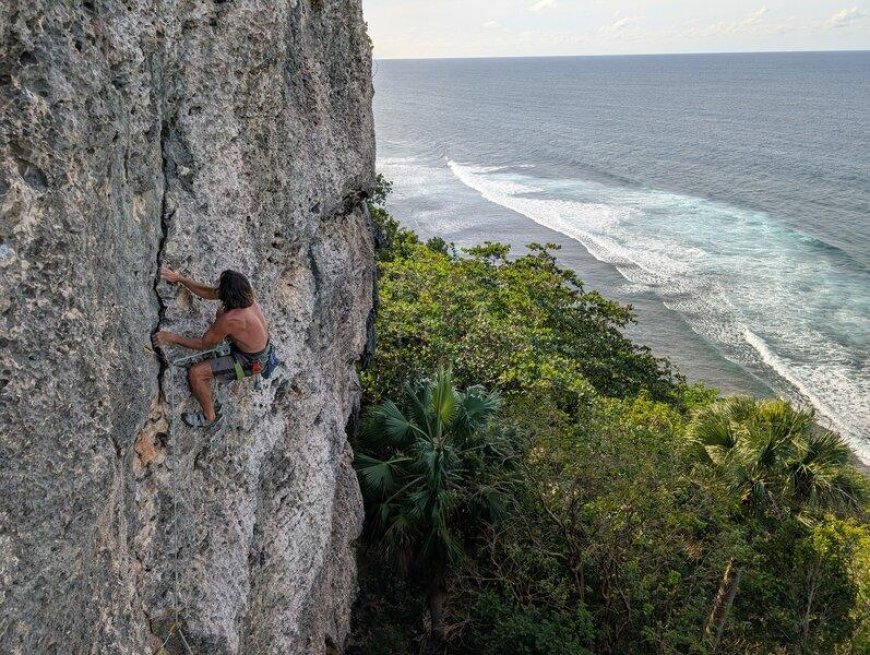
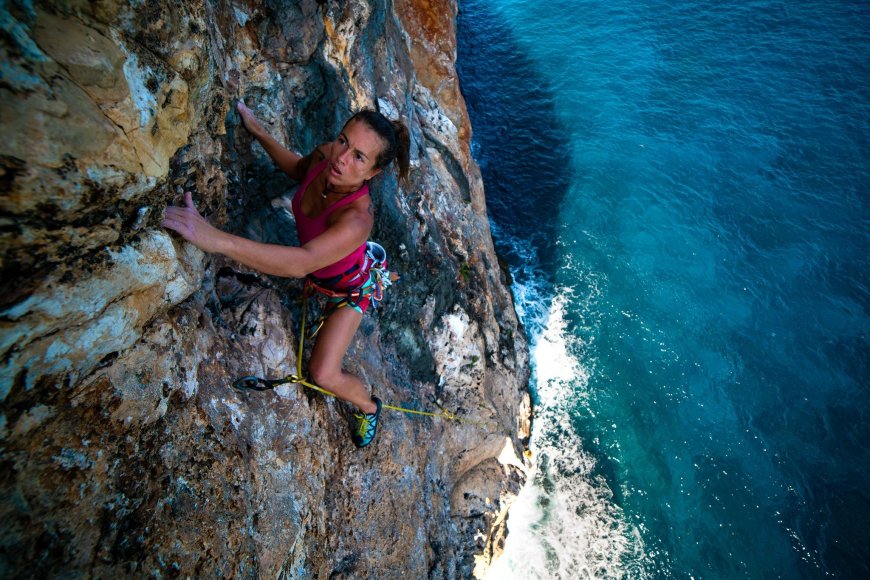
The Caribbean is known for its beaches, coral reefs, and tropical forests, but it is also home to a growing collection of climbing and bouldering destinations. Over the past two decades, climbers have developed routes on limestone cliffs, volcanic rock faces, sea cliffs, and granite boulders across several islands. While the Caribbean does not have the same scale as climbing regions like Spain, Thailand, or the United States, it offers a unique combination of warm weather, scenic coastal landscapes, and climbing routes suitable for different skill levels.

The climbing community in the Caribbean continues to expand as local organizations, visiting climbers, and adventure tourism companies establish new routes and improve access to existing areas. Some islands now host climbing festivals, guided climbing experiences, and outdoor education programmes that introduce both residents and visitors to the sport.
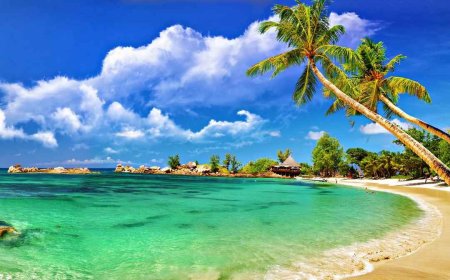
One of the biggest attractions of climbing in the Caribbean is variety. Within a single trip, climbers can spend the morning scaling a limestone sea cliff, enjoy an afternoon swim in clear coastal waters, and finish the day exploring rainforest trails or historic towns. This combination of outdoor activities makes the Caribbean an increasingly attractive destination for adventure travellers.
This guide explores the leading climbing and bouldering hotspots across the Caribbean, explains what makes each destination unique, and provides practical advice for planning a successful climbing holiday.
Why the Caribbean Is Becoming a Climbing Destination
For many years, climbing in the Caribbean remained relatively unknown outside small local communities. Most visitors travelled to the region for sailing, diving, or beach holidays. However, improvements in climbing infrastructure, better guidebooks, online route databases, and social media exposure have introduced more climbers to the islands.
The Caribbean offers several advantages that appeal to climbers. Warm temperatures allow year-round climbing on many islands, although the cooler months between December and April generally provide the most comfortable conditions. Coastal cliffs create spectacular sea views, while volcanic islands offer unusual rock formations that differ from traditional climbing areas elsewhere.
Many climbing areas remain uncrowned compared with famous international destinations. This means visitors often have the opportunity to enjoy routes without long waiting times, especially during weekdays or outside peak tourist seasons.
Another important factor is accessibility. Many Caribbean islands are served by direct international flights from North America and Europe, making it possible to combine climbing with a conventional beach holiday.
Puerto Rico: The Caribbean's Leading Sport Climbing Destination
Puerto Rico has earned a reputation as one of the Caribbean's best-developed climbing destinations. The island contains hundreds of established sport climbing routes spread across several regions, attracting both experienced climbers and beginners seeking guided instruction.
The limestone formations found throughout parts of Puerto Rico provide excellent climbing conditions. Many routes feature pockets, overhangs, tufas, and technical face climbing that appeal to sport climbers looking for varied challenges. Route development has continued steadily, with local climbing groups maintaining bolts and improving access to popular crags.
San Germán is among the island's best-known climbing areas. The surrounding cliffs offer routes across a wide range of grades, allowing new climbers to learn while advanced climbers test themselves on more demanding lines. The area's reliable rock quality and easy road access have made it a favourite destination for both local and international visitors.
Bayamon also offers several climbing sectors close to the capital region, making it convenient for travellers with limited time. These climbing areas are often used for training and climbing courses because of their accessibility and variety.
Puerto Rico's growing climbing community has contributed significantly to route maintenance and environmental conservation. Local organisations regularly organise clean-up events, climbing competitions, and educational workshops that encourage responsible outdoor recreation.
Cuba: A World-Class Limestone Climbing Experience
Cuba has become internationally recognised among sport climbers thanks to the limestone cliffs surrounding Viñales Valley. The dramatic landscape, already famous for its tobacco farms and towering limestone formations, also contains some of the Caribbean's finest climbing routes.
The cliffs of Viñales feature steep walls, caves, tufas, and pocketed limestone that provide technical climbing across many difficulty levels. The area has attracted international route developers for years, resulting in hundreds of bolted sport routes.
One of the defining characteristics of climbing in Viñales is its scenery. Climbers often enjoy panoramic views across agricultural valleys while ascending cliffs that rise directly from the surrounding countryside. The combination of natural beauty and high-quality climbing has helped establish Viñales as a major destination for international climbing holidays.
Accommodation options include locally operated guesthouses that provide an authentic Cuban experience while supporting community-based tourism. Many hosts are familiar with visiting climbers and can assist with transport, meals, and local information.
The best climbing season generally falls between November and April, when lower humidity and cooler temperatures create more comfortable conditions.
Dominican Republic: Expanding Opportunities for Climbers
The Dominican Republic is increasingly appearing on the radar of adventure travellers. Although still developing compared with Puerto Rico and Cuba, the country offers promising climbing opportunities in several regions.
The limestone cliffs near Cabarete and surrounding northern areas have become popular among visiting climbers. These locations combine climbing with easy access to beaches that are already famous for surfing and kite surfing.
Several inland regions also contain undeveloped climbing potential. Local climbing clubs continue exploring new areas and establishing additional routes. As climbing tourism grows, improved guide services and equipment rental are becoming more widely available.
The Dominican Republic's diverse landscapes mean climbers can combine coastal adventures with mountain excursions in the Cordillera Central, creating varied outdoor itineraries.
Jamaica: Emerging Climbing Along Coastal Cliffs
Jamaica has traditionally been known for hiking, waterfalls, and Blue Mountain trekking rather than technical climbing. However, the island possesses limestone cliffs and rocky coastal landscapes that have attracted increasing interest from climbers.
Several climbing sectors have been developed through local initiatives and international collaboration. While the total number of established routes remains smaller than in Puerto Rico or Cuba, Jamaica offers an appealing combination of climbing and cultural experiences.
Many climbing trips are combined with visits to waterfalls, rainforest trails, and coastal attractions. This makes Jamaica particularly suitable for mixed-activity holidays where climbing forms one part of a broader outdoor adventure.
Saint Lucia: Volcanic Landscapes and Adventure Tourism
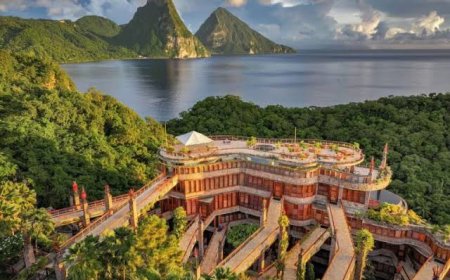
Saint Lucia's iconic Pitons dominate the island's skyline and represent one of the Caribbean's most recognisable natural landmarks. While climbing directly on the protected Pitons is highly regulated to protect the environment, the surrounding volcanic terrain offers opportunities for scrambling, hiking, and selected climbing experiences under appropriate guidance.
Adventure tourism operators increasingly include climbing and rope-based activities within their programmes. Visitors interested in technical climbing should always verify access regulations before planning a trip, as conservation policies remain a priority.
The volcanic geology creates unique rock formations that differ significantly from the limestone found elsewhere in the Caribbean.
Trinidad and Tobago: Granite, Forests and Bouldering Potential
Trinidad and Tobago provide a different climbing experience compared with many Caribbean islands. The geology includes granite outcrops, forest-covered hills, and numerous rocky formations suitable for exploratory climbing and bouldering.
The climbing community remains relatively small but active. Local climbers continue documenting new areas while promoting safe climbing practices and environmental stewardship.
Bouldering opportunities exist throughout several inland forests where isolated rock formations provide short technical problems surrounded by tropical vegetation. Because many sites remain undocumented, local knowledge is particularly valuable.
Guadeloupe and Martinique: French Caribbean Climbing
The French Caribbean islands of Guadeloupe and Martinique offer volcanic terrain that supports both climbing and bouldering activities. Although less internationally known than Puerto Rico or Cuba, these islands attract European climbers looking for warm-weather destinations.
Several climbing sectors feature basalt and volcanic rock, creating movement styles that differ from limestone climbing. Climbers often appreciate the combination of well-maintained hiking infrastructure, modern tourism facilities, and easy access to climbing locations.
French climbing clubs have played an important role in developing routes and maintaining safety standards across these islands.
The Best Caribbean Bouldering Locations
While sport climbing receives most attention, bouldering is gradually expanding across the Caribbean. Large granite blocks, volcanic formations, and coastal rock fields provide opportunities for climbers who prefer shorter, more powerful climbing problems.
Puerto Rico contains some of the region's most accessible bouldering sectors, particularly within forested inland areas where naturally scattered boulders offer diverse climbing styles.
Trinidad also presents considerable bouldering potential due to its varied geology. Many problems remain undocumented, creating opportunities for experienced climbers interested in exploration.
Bouldering in the Caribbean often requires carrying crash pads over uneven terrain, so lightweight equipment and careful planning are essential.
Climbing Seasons across the Caribbean
Weather plays an important role in planning a Caribbean climbing holiday. Although climbing is technically possible throughout much of the year, seasonal differences affect comfort and safety.
The dry season, generally running from December through April, offers the most favourable conditions. Lower humidity, cooler temperatures, and reduced rainfall improve friction on the rock while making long climbing days more comfortable.
May and June remain suitable for climbing in many areas, although temperatures begin to rise. July through October coincides with the Atlantic hurricane season, bringing greater uncertainty. Rainfall increases, some access roads become difficult to navigate, and tropical storms may interrupt travel plans.
Checking local weather forecasts before climbing each day is particularly important during the wet season.
Equipment and Safety Considerations
Most established Caribbean sport climbing areas require a standard sport climbing rack, including a dynamic rope, quickdraws, helmet, harness, belay device, and personal anchor system. Because climbing shops are limited on many islands, visitors should bring essential equipment with them whenever possible.
Rock quality varies between locations. Climbers should inspect bolts, anchors, and loose rock before committing to routes, particularly in less-developed climbing sectors.
Hydration deserves special attention. Tropical temperatures can lead to rapid fluid loss, especially during long climbing sessions exposed to direct sunlight. Carrying adequate drinking water and electrolyte supplements helps reduce the risk of heat-related illness.
Sun protection is equally important. Lightweight long-sleeved clothing, sunscreen, sunglasses, and hats provide valuable protection during approaches and rest periods.
Conservation and Responsible Climbing
Many Caribbean climbing areas exist within environmentally sensitive landscapes. Responsible behaviour helps ensure continued access for future visitors.
Climbers should remain on established approach trails to minimise erosion and avoid disturbing vegetation. All litter should be removed, including food waste, tape, and climbing chalk packaging. Human waste should be managed responsibly, particularly in remote climbing areas without facilities.
Respect for local communities is equally important. Many climbing sites are located near farms or private property, making courteous behaviour essential. Supporting local accommodation providers, guides, and restaurants also contributes to sustainable tourism and strengthens relationships between climbers and host communities.
Combining Climbing with Other Caribbean Adventures
One advantage of a Caribbean climbing holiday is the opportunity to combine multiple outdoor activities within the same trip. Many climbing destinations lie close to beaches, coral reefs, waterfalls, and rainforest trails.
Puerto Rico allows visitors to climb limestone cliffs before exploring El Yunque National Forest or surfing along the west coast. Cuba combines climbing in Viñales with cultural experiences in Havana and visits to tobacco plantations. The Dominican Republic offers climbing alongside surfing, diving, and mountain hiking. Saint Lucia provides volcanic landscapes, rainforest adventures, and coastal excursions within short driving distances.
This variety makes the Caribbean particularly attractive for families and groups whose members have different outdoor interests.
Planning Your Caribbean Climbing Trip
Successful climbing holidays begin with careful preparation. Climbers should research route information, confirm access conditions, and identify nearby accommodation before travelling. Hiring local guides can improve safety while supporting the island's outdoor tourism economy.
Travel insurance should specifically include climbing activities, as standard holiday policies may exclude adventure sports. Checking airline baggage policies for climbing equipment can also prevent unexpected fees.
Visitors should remain flexible, particularly during the rainy season, and have alternative activities planned in case weather conditions prevent climbing.
What's Your Reaction?
 Like
0
Like
0
 Dislike
0
Dislike
0
 Love
0
Love
0
 Funny
0
Funny
0
 Angry
0
Angry
0
 Sad
0
Sad
0
 Wow
0
Wow
0