






























Accessibility Travel Tips in the Caribbean
Accessibility Travel Tips in the Caribbean explores how travellers with mobility, sensory, medical, and other accessibility needs can plan successful vacations across the Caribbean. The article explains that accessibility standards vary between islands, resorts, transportation providers, and attractions, making advance planning essential. It highlights destinations such as Puerto Rico, Aruba, the U.S. Virgin Islands, the Bahamas, Barbados, Jamaica, and the Cayman Islands, which have expanded accessible tourism services. Key topics include accessible air travel, wheelchair-friendly accommodations, transportation options, beach accessibility programs, cruise travel, support for travellers with visual and hearing impairments, medical preparedness, travel insurance, and the role of technology in improving accessibility. The guide emphasizes researching facilities in advance, communicating directly with service providers, and maintaining flexibility while traveling. Overall, the Caribbean continues to improve its accessibility infrastructure, making the region increasingly welcoming for travellers of all abilities.


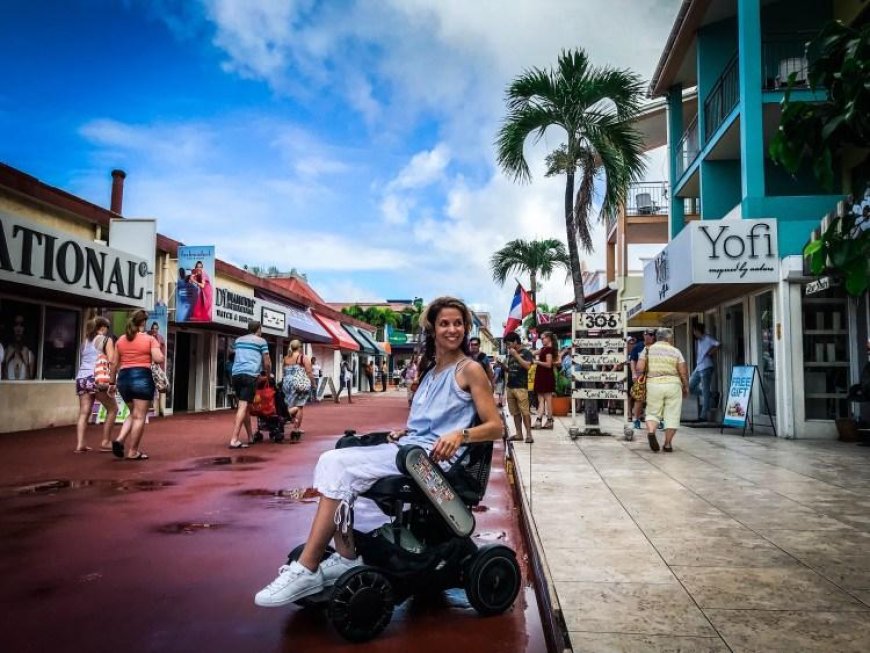
The Caribbean remains one of the world's most popular travel regions, attracting millions of visitors each year with its beaches, cultural attractions, marine activities, historic sites, and warm climate. In recent years, accessibility has become a growing focus throughout the tourism industry as destinations work to accommodate travelers with mobility limitations, visual impairments, hearing impairments, neurodiverse conditions, and other accessibility requirements. While accessibility standards vary across Caribbean countries and territories, many hotels, airports, cruise ports, transportation providers, and tourism businesses have made significant improvements to create more inclusive travel experiences.

For travelers with accessibility needs, planning ahead remains one of the most important steps for a successful Caribbean vacation. Unlike some regions where accessibility regulations are highly standardized, the Caribbean consists of numerous independent nations and territories, each with different infrastructure, building codes, and tourism development priorities. As a result, accessibility features may differ significantly between islands, resorts, and attractions. Understanding these differences allows travelers to make informed decisions and avoid unexpected challenges during their trip.
Accessibility travel is not limited to wheelchair users. It includes a broad range of services and accommodations designed to support people with physical disabilities, hearing loss, visual impairments, chronic medical conditions, cognitive disabilities, and age-related mobility challenges. The Caribbean tourism industry increasingly recognizes this diversity and is gradually expanding accessible options across multiple sectors.
Understanding Accessibility in the Caribbean
Accessibility in the Caribbean has improved considerably over the past decade, largely due to increased awareness within the tourism industry and growing demand from international travelers. Many resorts and cruise facilities have upgraded their infrastructure to include ramps, elevators, accessible guest rooms, wider doorways, accessible bathrooms, and improved pathways.
However, travelers should understand that accessibility conditions can vary greatly even within the same destination. Modern resorts built recently are often more accessible than older hotels located in historic buildings. Similarly, major tourism centers may offer more accessibility features than smaller rural communities.
The Caribbean's geography also presents unique challenges. Many islands feature hills, uneven terrain, and historic districts with narrow streets, and beaches that naturally limit mobility access. While these conditions cannot always be completely eliminated, many tourism providers now offer specialized equipment and support services that improve accessibility.
Careful research before booking remains essential. Contacting hotels directly and discussing specific needs often provides more accurate information than relying solely on general website descriptions.
Choosing the Right Caribbean Destination
Some Caribbean destinations have invested more heavily in accessibility infrastructure than others. Travelers who prioritize accessibility may find larger tourism markets easier to navigate because they generally offer more developed facilities and support services.
Puerto Rico is frequently considered one of the most accessible destinations in the Caribbean. As a U.S. territory, many public facilities and tourism businesses follow accessibility standards similar to those found in the United States. Accessible hotel rooms, transportation services, beach wheelchairs, and adapted tours are increasingly available throughout the island.
The U.S. Virgin Islands also offer relatively strong accessibility infrastructure, particularly in major tourism areas. Airports, cruise terminals, hotels, and many attractions provide accommodations for travelers with mobility limitations.
Aruba has earned a positive reputation among accessible travelers because of its modern tourism infrastructure, accessible resorts, and relatively flat terrain in many visitor areas. Several beaches offer accessibility programs that include beach wheelchairs and accessible pathways.
The Bahamas, Barbados, Jamaica, and the Cayman Islands have also expanded accessibility services, particularly within larger resort properties and cruise destinations.
Regardless of destination, travelers should verify accessibility features directly with service providers before finalizing reservations.
Accessible Air Travel to the Caribbean
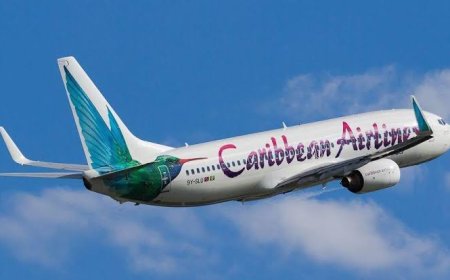
Air travel is often the first stage of a Caribbean vacation, and most major airlines serving the region offer assistance programs for passengers with disabilities.
Travelers requiring wheelchair assistance should notify airlines well before departure. Most carriers provide support during check-in, security screening, boarding, connections, and arrival. Advance notification allows airlines to prepare necessary equipment and personnel.
Passengers travelling with mobility devices should review airline policies regarding wheelchairs, scooters, batteries, and medical equipment. Many airlines transport mobility devices without additional charges, although specific requirements vary.
Travelers with visual or hearing impairments can often request assistance navigating airports and boarding procedures. Service animals may also be permitted, although entry requirements differ by destination and should be reviewed carefully before travel. Arriving early at the airport allows additional time for assistance services and reduces stress during the travel process.
Accessible Accommodation Options
Hotels and resorts have become increasingly aware of accessibility needs. Many larger Caribbean properties now offer accessible rooms specifically designed for guests with mobility challenges.
Common accessibility features include step-free entrances, wider doorways, roll-in showers, grab bars, lowered sinks, visual alarm systems, accessible elevators, and designated parking spaces.
However, travelers should avoid assuming that all accessible rooms provide identical features. Accessibility standards vary between properties, and some rooms may offer only limited adaptations.
Direct communication with hotel staff is often the best approach. Requesting detailed photographs or measurements can help travelers determine whether accommodations meet their specific needs.
Vacation rentals have also become more accessible in recent years. Some platforms allow users to filter properties based on accessibility features, although verification remains important because listings may not always provide complete information.
Navigating Caribbean Transportation
Transportation can be one of the most challenging aspects of accessible travel in certain Caribbean destinations. Public transportation systems vary significantly between islands, and accessibility features may not always be available. Many travelers with accessibility needs choose private transportation services because they offer greater flexibility and reliability. Some companies provide wheelchair-accessible vans equipped with lifts or ramps. Taxi services may accommodate folding wheelchairs, but larger mobility devices often require advance arrangements. Travelers should confirm vehicle accessibility before booking.
Rental vehicle options are available in some destinations, although adapted vehicles may be limited. Early reservations improve availability, particularly during peak travel seasons. Cruise passengers often benefit from organized shore excursions that provide accessible transportation and support services during port visits.
Accessible Beaches and Waterfront Areas
Beaches are among the Caribbean's main attractions, yet they can present mobility challenges due to soft sand and uneven surfaces. Fortunately, several destinations have introduced accessibility initiatives aimed at improving beach access.
Beach wheelchairs have become increasingly common at major resorts and public beaches. These specialized chairs feature large wheels designed to move across sand more effectively than traditional wheelchairs.
Some beaches now provide accessible boardwalks or pathways that extend closer to the shoreline. Accessible restrooms, changing facilities, and designated parking areas are also becoming more common.
Aruba, Puerto Rico, Barbados, and several other destinations have invested in beach accessibility programs that allow visitors with mobility limitations to enjoy coastal experiences more comfortably.
Travelers interested in beach access should contact local tourism offices or resort staff before arrival to confirm available facilities.
Accessible Cruise Travel
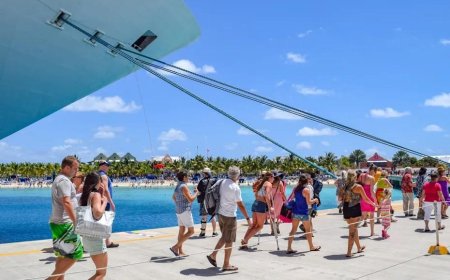
Cruise vacations remain one of the most accessible ways to explore the Caribbean. Modern cruise ships typically offer extensive accessibility features, including accessible cabins, elevators, ramps, visual and hearing assistance systems, and adapted public spaces.
Many cruise lines have expanded services for travelers with disabilities, offering accessible entertainment, dining options, and onboard activities.
However, accessibility challenges may still occur during shore excursions. Some Caribbean ports use tender boats rather than docking directly at piers, which can complicate access for travelers using mobility devices.
Reviewing excursion details carefully helps identify tours that provide accessible transportation and facilities. Many cruise operators now label excursions according to accessibility levels.
Cruise travel can be particularly appealing because passengers remain in accessible accommodations throughout the trip while visiting multiple destinations.
Accessibility for Travelers with Visual Impairments
Travelers with visual impairments can enjoy many Caribbean destinations with proper planning and support. Hotels increasingly provide staff training focused on assisting guests with various accessibility needs.
Mobile navigation applications, GPS technology, and screen-reader-compatible travel tools have improved travel independence significantly. Many museums and cultural attractions now offer guided tours that include detailed verbal descriptions.
Service animals may be permitted in some destinations, although entry requirements often involve documentation, vaccinations, and advance approvals. These regulations should be reviewed several months before travel.
Travelers may also benefit from arranging guided tours that provide personalized assistance and local expertise.
Accessibility for Travelers with Hearing Impairments
Technology has improved travel experiences for individuals with hearing impairments. Many hotels now offer visual alert systems, captioned television programming, and text-based communication options. Smartphone applications support communication through speech-to-text conversion and instant messaging. Some attractions and tour operators provide written materials that supplement verbal presentations.
Travelers who use sign language may find that support services vary significantly between destinations. Advance communication with service providers can help identify available accommodations. Many airlines and airports also provide text notifications and visual announcements that improve travel accessibility.
Medical Considerations and Emergency Planning
Travelers with medical conditions should prepare carefully before visiting the Caribbean. Access to healthcare varies across islands, with larger destinations generally offering more comprehensive medical facilities. Carrying an adequate supply of medications is essential because identical prescriptions may not always be available locally. Medications should remain in original containers accompanied by documentation when necessary.
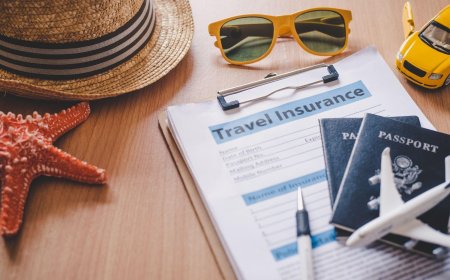
Travel insurance becomes particularly important for travelers with pre-existing medical conditions or accessibility needs. Policies should be reviewed carefully to ensure adequate coverage for medical emergencies, evacuation services, and mobility equipment. Knowing the location of nearby hospitals and medical facilities provides additional peace of mind during travel.
Technology and Accessibility Travel
Technology continues transforming accessible travel throughout the Caribbean. Smartphone applications now assist with navigation, translation, transportation booking, accommodation research, and emergency communication.
Digital maps allow travelers to identify accessible routes and facilities before arrival. Online reviews from other travelers with disabilities often provide valuable insights that may not appear in official descriptions.
Virtual tours also help travelers evaluate destinations and accommodations before booking. These tools provide a better understanding of layouts, accessibility features, and potential challenges.
As digital tourism services expand, accessibility information is becoming more widely available and easier to access.
Tips for Planning a Successful Accessible Caribbean Vacation
Successful accessible travel often depends more on preparation than on destination choice. Researching accessibility features thoroughly, confirming details directly with providers, and communicating specific needs in advance can significantly improve travel experiences.
Flexibility remains important because accessibility standards vary across the region. Having alternative plans and allowing extra time for transportation and logistics reduces stress when unexpected challenges arise.
Working with travel advisors who specialize in accessible tourism can also simplify planning. These professionals often have firsthand knowledge of accessible accommodations, transportation providers, and attractions.
Maintaining clear communication with airlines, hotels, tour operators, and transportation companies helps ensure that support services are ready upon arrival.
The Future of Accessible Tourism in the Caribbean
Accessible tourism continues growing throughout the Caribbean as governments, tourism boards, and private businesses recognize the importance of serving diverse travelers. Investments in infrastructure, staff training, technology, and inclusive design are gradually improving travel experiences across the region.
The expansion of accessible beaches, upgraded airport facilities, modern cruise terminals, and inclusive tourism programs reflects a broader commitment to making travel available to more people. Industry organizations are increasingly promoting accessibility as both a social responsibility and an economic opportunity.
As awareness grows and traveler expectations evolve, accessibility improvements are likely to become a standard part of tourism development rather than a specialized service.
Conclusion
Accessibility travel in the Caribbean has advanced considerably, creating more opportunities for travelers with mobility limitations, sensory impairments, medical conditions, and other accessibility needs to enjoy the region's attractions. While challenges remain due to varying infrastructure and geographic conditions, many destinations have invested in accessible accommodations, transportation services, beach programs, cruise facilities, and tourism experiences.
Careful planning, direct communication with service providers, and realistic expectations remain essential components of a successful trip. By researching destinations thoroughly and taking advantage of available accessibility resources, travelers can confidently explore the Caribbean's beaches, cultural sites, marine attractions, and natural landscapes.
As the region continues investing in inclusive tourism, accessibility is becoming an increasingly important part of the Caribbean travel experience. These improvements benefit not only travelers with disabilities but also older adults, families, and anyone seeking a more comfortable and inclusive vacation. With thoughtful preparation and the growing availability of accessible services, the Caribbean offers rewarding travel opportunities for visitors of all abilities.
What's Your Reaction?
 Like
0
Like
0
 Dislike
0
Dislike
0
 Love
0
Love
0
 Funny
0
Funny
0
 Angry
0
Angry
0
 Sad
0
Sad
0
 Wow
0
Wow
0