





















Food-And-Culture Fiesta Events Worth Planning Around
Food and culture festivals are among the best ways to experience the Caribbean beyond its beaches and resorts. These events combine local cuisine, music, dance, history, and community traditions, giving visitors an authentic understanding of each island's heritage. As culinary tourism continues to grow, many travellers now plan their holidays around seasonal festivals to enjoy regional dishes, cultural performances, and interactions with local chefs, farmers, and artisans. Some of the Caribbean's most popular events include the St. Lucia Food & Rum Festival, Jamaica Jerk Festival, Barbados Food and Rum Festival, Nevis Mango Festival, Tobago Blue Food Festival, Subarea Puerto Rico, Cayman Cookout, Antigua and Barbuda Culinary Month, Grenada Chocolate Festival, and the Bahamas Goombay Summer Festivals. Each celebration highlights local ingredients, traditional recipes, and cultural performances while supporting small businesses and local communities.

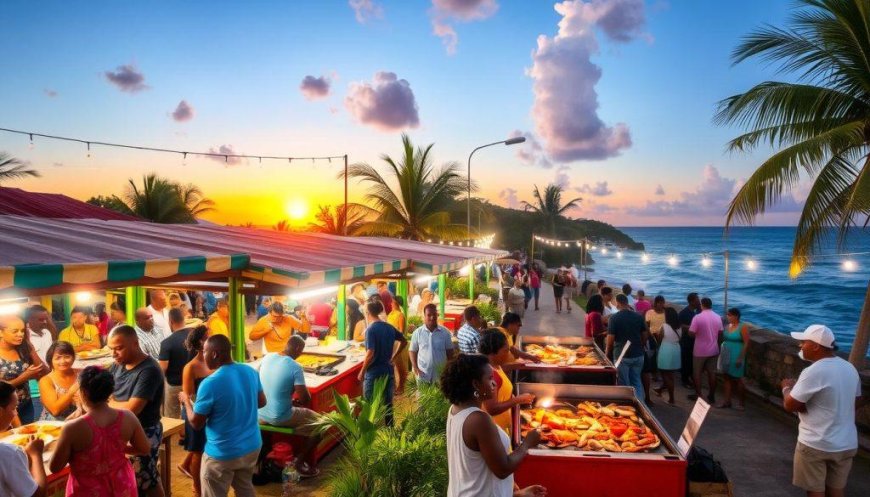
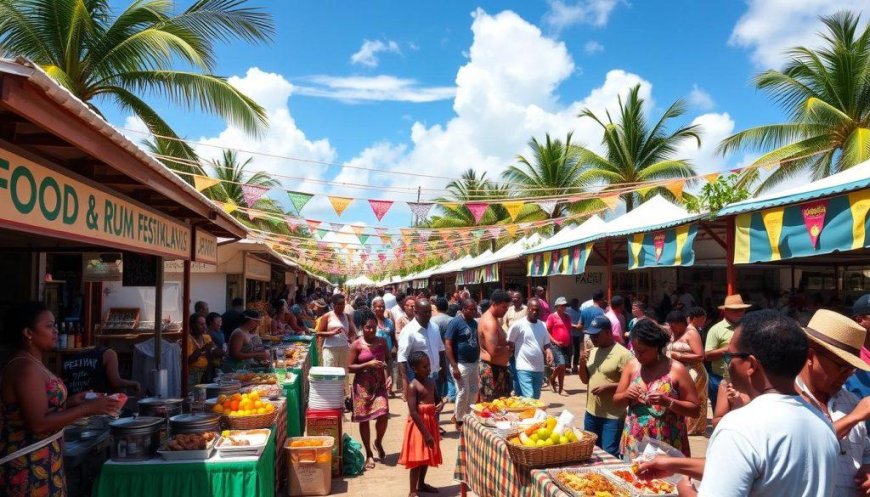
For many travellers, the best way to understand a destination is through its food and cultural celebrations. Festivals bring together local traditions, music, dance, history, and cuisine, creating experiences that go far beyond sightseeing. Whether it is tasting traditional street food, watching centuries-old cultural performances, joining harvest celebrations, or attending international culinary festivals, food and culture events allow visitors to experience the everyday life of a community.

In recent years, food tourism has become one of the fastest-growing segments of the global travel industry. Travellers are increasingly choosing destinations based on seasonal festivals, regional cuisines, and authentic cultural experiences rather than simply visiting popular landmarks. Many tourism boards now promote culinary festivals as major attractions because they support local businesses, preserve traditional recipes, and encourage sustainable tourism.
The Caribbean is especially well known for combining food, music, and cultural heritage into lively festivals that attract visitors from around the world. African, Indigenous, European, Indian, Chinese, and Middle Eastern influences have shaped the region's cuisine, creating a rich mix of flavours and traditions that are celebrated throughout the year.
Planning a holiday around one of these events gives visitors an opportunity to enjoy local dishes, meet artisans and chefs, watch traditional performances, and take part in celebrations that reflect the identity of each island. This guide explores some of the best food and culture fiesta events in the Caribbean and explains why they deserve a place on your travel calendar.
Why Food Festivals Have Become Major Travel Attractions
Food festivals are no longer small community gatherings attended only by local residents. Many have grown into internationally recognised events that attract thousands of visitors each year. They contribute significantly to local economies by increasing hotel bookings, restaurant business, transportation services, and sales for farmers, craft producers, and food vendors.
Unlike conventional tourism activities, food festivals encourage visitors to spend time within local communities rather than remaining inside resorts. Travellers often visit markets, family-owned restaurants, farms, fishing villages, and cultural centres while attending these celebrations.
These events also help preserve traditional cooking techniques that might otherwise disappear. Recipes passed through generations are demonstrated by experienced cooks, while younger chefs introduce modern interpretations using local ingredients. This balance between heritage and innovation has become one of the defining characteristics of Caribbean culinary festivals.
St. Lucia Food & Rum Festival
Among the Caribbean's best-known culinary celebrations is the St. Lucia Food & Rum Festival. Held annually, the event brings together local chefs, international culinary experts, rum producers, farmers, and food enthusiasts for several days of tastings, demonstrations, and cultural activities.
Visitors can attend chef collaborations, beachfront dining experiences, rum tastings, cooking competitions, and educational sessions focusing on Caribbean ingredients. Local seafood, tropical fruits, cocoa products, fresh herbs, and traditional spices feature prominently throughout the festival.
The event also highlights Saint Lucia's growing reputation as a culinary destination. Restaurants across the island create special menus inspired by traditional dishes while incorporating modern cooking techniques. Evening entertainment includes live music performances, making the festival an excellent blend of gastronomy and culture.
Jamaica Jerk Festival
Few Caribbean foods are as internationally recognised as Jamaican jerk cuisine. The Jamaica Jerk Festival celebrates this famous cooking tradition while showcasing the island's broader food culture.
Visitors can sample jerk chicken, jerk pork, seafood, vegetarian dishes, and plant-based Ital interpretations prepared by experienced local cooks. Beyond the food, the festival includes live reggae performances, dance competitions, cultural exhibitions, and cooking demonstrations explaining the history and preparation of jerk seasoning.
The festival also supports local farmers and spice producers by promoting ingredients such as Scotch bonnet peppers, allspice, thyme, and pimento wood, which are central to authentic jerk cooking.
For visitors interested in Jamaican culture, the event provides insight into culinary traditions that have developed over centuries through African, Indigenous, and European influences.
Barbados Food and Rum Festival
Barbados has established itself as one of the Caribbean's leading culinary destinations. The Barbados Food and Rum Festival attracts internationally recognised chefs alongside local culinary professionals who celebrate Bajan cuisine through tasting events, fine dining experiences, beachside dinners, and rum education sessions.
The festival places strong emphasis on local ingredients including flying fish, breadfruit, sweet potatoes, cassava, fresh seafood, tropical fruits, and locally distilled rum. Visitors also have opportunities to tour rum distilleries and learn about the island's long history of rum production.
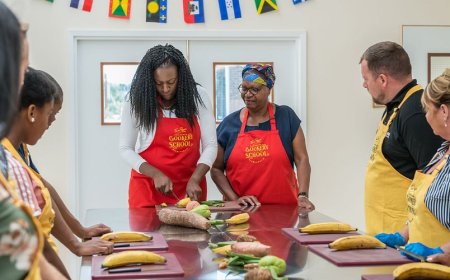
Cooking workshops, chef collaborations, and community food markets ensure that the festival appeals to both serious food enthusiasts and casual travellers looking to experience authentic Barbadian hospitality.
Nevis Mango Festival
Every summer, the island of Nevis celebrates one of its most famous fruits during the Nevis Mango Festival. The island grows dozens of mango varieties, many of which are unavailable outside the Caribbean.
Restaurants, chefs, farmers, and local businesses participate by creating special menus featuring mango-inspired dishes ranging from salads and desserts to seafood, sauces, and beverages.
Visitors can attend farm tours, cooking competitions, educational workshops, and tasting events that demonstrate the remarkable versatility of this tropical fruit. The festival also highlights sustainable agriculture and supports local farming communities.
Because mango harvesting coincides with the event, travellers enjoy exceptionally fresh produce while learning about one of the region's most important agricultural products.
Tobago Blue Food Festival
The Tobago Blue Food Festival is one of the Caribbean's most distinctive culinary events. Unlike many food festivals that celebrate a broad range of dishes, this festival focuses on dasheen, a root vegetable locally known as "blue food."
Local chefs prepare creative recipes using dasheen in breads, soups, desserts, drinks, pastries, and traditional Caribbean meals. The event demonstrates how a single local ingredient can inspire remarkable culinary diversity.
The festival also includes cultural performances, craft markets, agricultural exhibitions, and educational programmes promoting local food production and healthy eating.
For travellers seeking authentic cultural experiences beyond mainstream tourism, the Blue Food Festival offers a fascinating introduction to Tobago's agricultural heritage.
Puerto Rico's Saborea Festival
Saborea Puerto Rico has become one of the island's leading culinary events. The festival showcases Puerto Rican cuisine while bringing together restaurants, celebrity chefs, local producers, and beverage specialists.
Visitors can sample traditional dishes such as Morongo, arroz con gandules, roasted pork, tropical desserts, and fresh seafood while learning about Puerto Rico's evolving culinary identity.
The event often includes wine tastings, rum presentations, chef demonstrations, children's activities, and educational discussions about sustainable food production.
Saborea reflects Puerto Rico's combination of Spanish, African, Taíno Indigenous, and international culinary influences, making it one of the region's most diverse food festivals.
Cayman Cookout
Hosted in the Cayman Islands, Cayman Cookout has earned international recognition among culinary travellers. The event brings together award-winning chefs, food writers, beverage experts, and hospitality professionals for several days of dining experiences and educational programmes.
Activities include cooking classes, wine tastings, beach barbecues, seafood dinners, mixology sessions, and culinary discussions. Many events take place in luxury beachfront settings while still highlighting local ingredients and Caribbean cooking traditions.
Although some experiences require advance reservations due to limited capacity, the festival provides opportunities for visitors to interact directly with internationally recognised culinary professionals.
Antigua and Barbuda Culinary Month
Rather than concentrating activities into a single weekend, Antigua and Barbuda celebrate Culinary Month with several weeks of food-focused events.
Restaurants across the islands offer special menus highlighting traditional recipes and locally sourced ingredients. Visitors can participate in cooking classes, farm visits, rum tastings, restaurant weeks, beach dining experiences, and cultural exhibitions.
Extending the celebration over an entire month allows travellers greater flexibility when planning their holidays while providing sustained support for local hospitality businesses.
Grenada Chocolate Festival
Known as the "Spice Isle," Grenada has also developed a reputation for producing high-quality cocoa. The Grenada Chocolate Festival celebrates the island's chocolate industry through factory tours, cocoa farm visits, tasting sessions, cooking demonstrations, and educational workshops.
Visitors learn about every stage of chocolate production, from harvesting cocoa pods to producing finished chocolate products. Local chefs demonstrate how Grenadian chocolate complements desserts, beverages, and savoury dishes.
The festival promotes sustainable farming practices while encouraging visitors to support local chocolate producers.
Bahamas Goombay Summer Festivals
The Bahamas hosts Goombay Summer Festivals across several islands, combining traditional food, music, dance, crafts, and community celebrations.
Food stalls offer Bahamian favourites including conch fritters, grilled seafood, peas and rice, guava desserts, and tropical beverages. Cultural performances feature Junkanoo music, local dance groups, storytelling, and artisan demonstrations.
Because celebrations occur in multiple communities, visitors can experience regional variations in Bahamian cuisine and traditions.
The Role of Local Markets during Festival Season
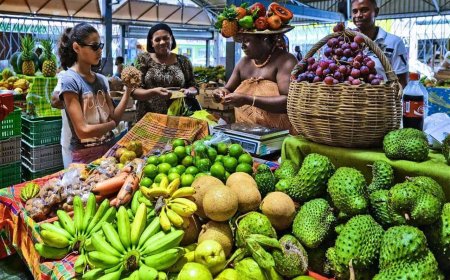
Many Caribbean festivals extend beyond official event venues into local markets and town centres. Farmers bring seasonal produce directly to visitors, while fishermen supply fresh seafood to nearby restaurants and food stalls.
Artisan markets sell handmade crafts, spices, sauces, preserves, baked goods, and locally produced beverages. These markets provide opportunities to purchase authentic souvenirs while supporting small businesses and family-owned enterprises.
Travellers who explore beyond the main festival grounds often discover regional recipes and ingredients not commonly found in tourist restaurants.
Traditional Caribbean Foods worth Trying
Food festivals introduce visitors to a wide variety of Caribbean dishes that reflect each island's cultural heritage.
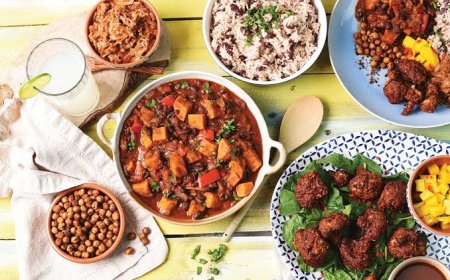
Jerk cuisine remains one of the region's most recognised cooking styles, while dishes such as callaloo, rice and peas, roti, doubles, pepperpot, flying fish, conch salad, ackee and saltfish, goat curry, fried plantains, cassava bread, and tropical fruit desserts appear frequently during celebrations.
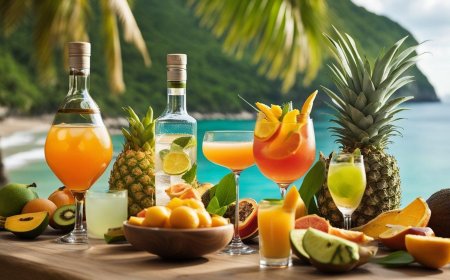
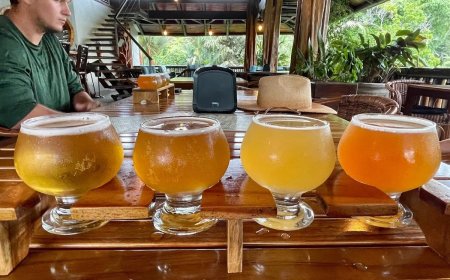
Fresh juices, coconut water, local coffee, cocoa beverages, and traditional rum drinks also form an important part of the culinary experience.
Trying these dishes during festivals often provides a more authentic experience because recipes are prepared using traditional methods and locally sourced ingredients.
Cultural Performances That Complement the Food
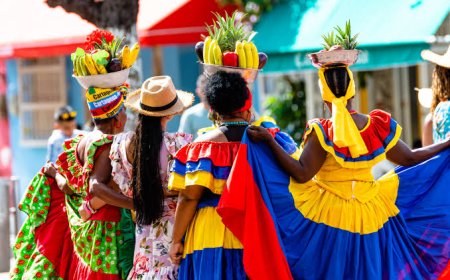
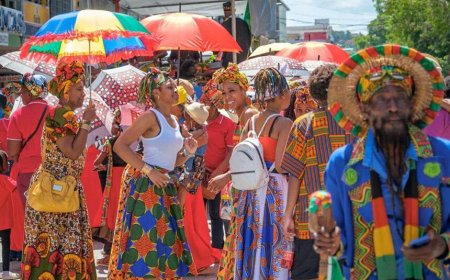
Food festivals rarely focus solely on eating. Music, dance, storytelling, costume displays, and craft exhibitions play equally important roles in celebrating local identity.
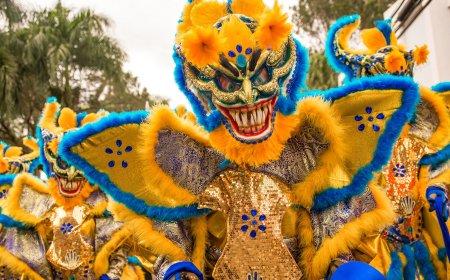
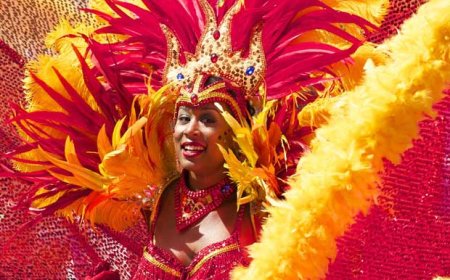
Visitors may watch reggae concerts in Jamaica, steel pan performances in Trinidad and Tobago, calypso competitions, folk dances in Barbados, drumming ceremonies, carnival-style parades, and demonstrations of traditional cooking methods passed down through generations.
These performances help visitors understand the historical influences that shaped Caribbean culture and cuisine.
Planning Your Festival Trip
Successful festival travel begins with careful planning. Accommodation often sells out months in advance for major events, particularly on smaller islands with limited hotel capacity.
Travellers should confirm festival dates before booking flights because schedules may vary slightly from year to year. Purchasing tickets for premium dining events, chef demonstrations, or tasting sessions in advance is also recommended, as many sell out quickly.
Packing lightweight clothing, comfortable walking shoes, reusable water bottles, sunscreen, and cash for local vendors helps visitors enjoy long festival days more comfortably.
Responsible Festival Tourism
Supporting local businesses is one of the best ways to contribute positively while attending Caribbean festivals. Choosing family-owned restaurants, purchasing locally made products, and participating in community tours help ensure tourism benefits remain within local economies.
Visitors should also respect cultural customs, dispose of waste responsibly, and follow local event guidelines. Many festivals now promote environmentally friendly practices by reducing single-use plastics, encouraging recycling, and highlighting sustainable food production.
Responsible tourism strengthens the relationship between visitors and host communities while helping preserve these celebrations for future generations.
Why Food and Culture Festivals Create Lasting Travel Memories
Food connects people across cultures, and festivals create opportunities to share meals, stories, music, and traditions with local communities. Unlike visiting museums or landmarks, participating in a festival allows travellers to become active participants rather than passive observers.
Many visitors discover recipes they later recreate at home, meet local chefs and farmers, or develop a deeper appreciation for regional history through culinary experiences. These personal connections often become the most memorable part of a journey.
Because festivals celebrate local identity, no two events are exactly alike. Each island expresses its culture through different ingredients, cooking styles, music, and traditions, making every festival a unique experience.
Conclusion
Planning a holiday around a Caribbean food and culture festival offers far more than the opportunity to enjoy excellent meals. It provides insight into local history, agriculture, music, traditions, and community life while supporting the businesses and individuals who preserve these cultural practices.
Events such as the St. Lucia Food & Rum Festival, Jamaica Jerk Festival, Barbados Food and Rum Festival, Nevis Mango Festival, Tobago Blue Food Festival, Puerto Rico's Saborea, Cayman Cookout, Antigua and Barbuda Culinary Month, Grenada Chocolate Festival, and the Bahamas Goombay Summer Festivals demonstrate the remarkable diversity of Caribbean cuisine and culture.
As culinary tourism continues to grow, these festivals are becoming increasingly important attractions for travellers seeking authentic experiences. By planning a trip around one of these celebrations, visitors can enjoy regional flavours, meet local communities, and experience the Caribbean through the traditions that matter most to the people who call these islands home.
What's Your Reaction?
 Like
0
Like
0
 Dislike
0
Dislike
0
 Love
0
Love
0
 Funny
0
Funny
0
 Angry
0
Angry
0
 Sad
0
Sad
0
 Wow
0
Wow
0