

































Hidden Fees in Flight Booking What to Avoid
Hidden fees have become a common aspect of modern flight booking, making it important for travellers to look beyond the advertised airfare before purchasing a ticket. While airlines often promote low base fares to attract customers, the final price can increase significantly after adding optional services such as checked baggage, seat selection, booking fees, payment processing charges, travel insurance, and other extras. Understanding these costs helps travellers compare flights more accurately and avoid unexpected expenses. One of the most common additional charges is baggage fees. Many airlines, particularly low-cost carriers, include only a small personal item in the base fare, requiring passengers to pay separately for carry-on or checked baggage. Exceeding baggage weight or size limits can result in even higher airport charges. Seat selection is another optional service that often carries a fee, especially for window seats, aisle seats, extra legroom, or seats near the front of the aircraft. Families and business travellers should review seating policies before booking to determine whether paying for seat selection is worthwhile.


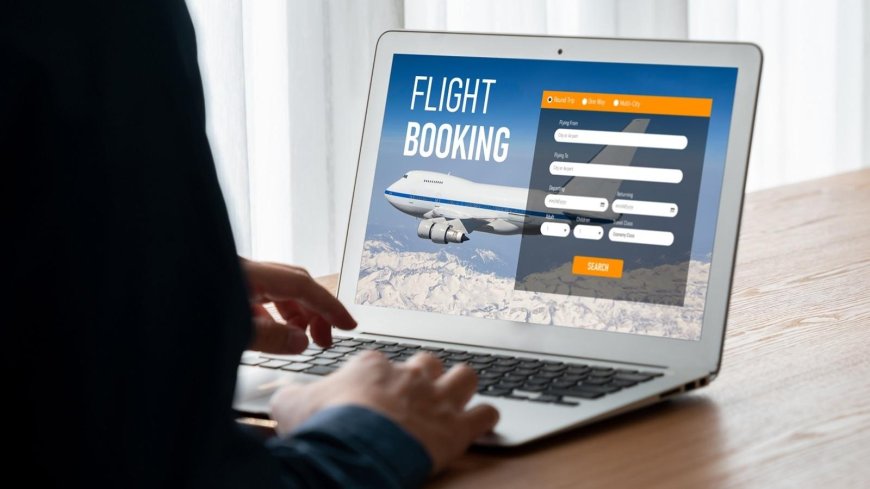
Finding a cheap flight has become easier than ever thanks to airline websites, online travel agencies, fare comparison platforms, and mobile booking apps. With a few clicks, travelers can compare hundreds of flight options and often find attractive promotional fares. However, the lowest advertised airfare is not always the amount that will appear on the final payment page. Many travelers discover additional charges only after they begin the booking process, turning what seemed like an inexpensive ticket into a much more costly purchase.

These additional costs are commonly referred to as hidden fees. In many cases, they are not truly hidden because airlines and booking platforms disclose them before payment. However, they may not be immediately visible in the initial fare displayed during a search. Charges for baggage, seat selection, payment methods, booking services, meals, priority boarding, and ticket changes can significantly increase the overall cost of a journey.
Understanding these extra fees has become an important part of travel planning. Whether booking a short domestic trip or a long international vacation, knowing what charges to expect helps travelers compare fares accurately, avoid unexpected expenses, and choose the ticket that offers the best overall value rather than simply the lowest advertised price.
This guide explains the most common flight booking fees, why airlines use them, and how travelers can identify additional costs before completing their reservation.
Understanding Hidden Flight Booking Fees
A flight ticket consists of more than the basic airfare.
The final price usually includes government taxes, airport charges, airline-imposed fees, and optional services selected by the passenger. While taxes and mandatory airport charges are unavoidable, many additional fees depend on the services chosen during the booking process.
Some airlines follow an "unbundled pricing" model. Instead of including multiple services within one fare, they charge separately for extras such as checked baggage, seat selection, onboard meals, entertainment, and boarding priority.
This pricing system allows travelers who require only basic transportation to pay less, while passengers wanting additional services can customize their journey according to their preferences.
The challenge arises when travelers compare only the initial airfare without considering these extra charges.
Why Airlines Charge Additional Fees
Over the past two decades, airline pricing has changed significantly.
Competition has increased across both full-service and low-cost airlines, encouraging carriers to advertise lower base fares while generating additional revenue through optional services.
This business model allows airlines to offer competitive ticket prices while giving passengers greater flexibility.
For example, a traveler carrying only a small cabin bag may prefer paying a lower fare without checked baggage, while another passenger travelling for several weeks may willingly pay extra for additional luggage.
Optional pricing therefore provides greater choice, although it also requires travelers to review booking details carefully.
Airlines also face rising operating costs, including fuel, aircraft maintenance, airport charges, labor, insurance, technology, and environmental compliance. Ancillary revenue from optional services helps offset some of these expenses.
Base Fare versus Total Trip Cost
One of the most common booking mistakes is focusing only on the advertised ticket price.
A flight advertised for a low fare may ultimately cost more than another ticket with a higher initial price once baggage, seat selection, and other charges are included.
Travelers should always compare the total journey cost rather than the starting airfare alone.
This includes all services they realistically expect to use.
Calculating the complete travel expense provides a more accurate basis for comparison.
Baggage Fees
Checked baggage charges represent one of the most common additional costs in air travel.
Many low-cost airlines include only a small personal item or cabin bag within the base fare.
Passengers requiring larger carry-on luggage or checked baggage must pay additional fees during booking or at the airport.
Airport baggage charges are often higher than those paid online in advance.
Therefore, travelers who know they need checked luggage can usually save money by purchasing baggage allowance during the booking process.
Weight Limits and Oversized Baggage
Even after purchasing checked baggage, additional charges may still apply if luggage exceeds permitted weight or size limits.
Every airline publishes baggage rules covering maximum dimensions and weight allowances.
Excess baggage fees can become particularly expensive on international routes.
Sports equipment, musical instruments, bicycles, surfboards, golf clubs, and oversized luggage frequently require separate pricing.
Reviewing baggage policies before packing helps avoid unexpected airport expenses.
Using a luggage scale at home is an effective way to prevent overweight baggage charges.
Cabin Bag Restrictions
Many travelers assume cabin baggage is always included without restrictions.
However, airlines increasingly distinguish between a small personal item and a larger carry-on suitcase.
Some basic economy fares include only a handbag or laptop bag that fits beneath the seat.
Passengers bringing larger cabin bags may need to purchase upgraded baggage options or pay fees at the airport.
Reading baggage allowances carefully before travel prevents confusion during check-in.
Seat Selection Charges
Selecting a preferred seat has become another significant source of ancillary revenue for airlines.
Many airlines automatically assign seats free of charge during check-in while charging passengers who wish to reserve specific locations in advance.
Window seats, aisle seats, front-row seats, extra legroom seats, and emergency exit rows generally carry additional fees.
Families traveling together often choose to reserve seats to ensure they remain seated together throughout the flight.
Business travelers may also value front-row seating for quicker boarding and disembarkation.
While seat selection is optional in many cases, travelers should evaluate whether paying for preferred seating provides sufficient value.
Extra Legroom Seating
Long-haul travelers frequently consider extra legroom seats worthwhile.
These seats provide additional space compared with standard economy seating and are usually located near emergency exits or designated premium economy sections.
Pricing varies depending on airline, route, flight duration, and seat location.
Passengers should compare the additional cost with the potential improvement in comfort before making their decision.
Family Seating Considerations
Parents travelling with young children often worry about sitting separately due to seat assignment policies.
Many airlines attempt to seat families together whenever possible, but this cannot always be guaranteed under basic economy fares.
Some carriers allow families with young children to reserve adjacent seats without additional charges under specific conditions, while others encourage advance seat selection.
Reviewing family seating policies before booking helps avoid surprises.
Booking Service Fees
In addition to airline charges, some online travel agencies apply booking service fees.
These fees may cover reservation processing, customer support, or platform operations.
Not every booking website charges service fees, making it worthwhile to compare final prices across multiple platforms.
Sometimes booking directly through an airline's official website provides lower overall costs and easier access to customer service if schedule changes occur.
Before confirming payment, travelers should carefully examine the price breakdown displayed during checkout.
Third-Party Booking Platforms
Online travel agencies offer convenient fare comparisons across numerous airlines.
However, travelers should understand that customer service policies, cancellation procedures, and modification fees may differ from those offered by airlines themselves.
If itinerary changes become necessary later, resolving issues through third-party agencies occasionally takes longer than dealing directly with the airline.
Choosing between direct booking and third-party platforms involves balancing price, flexibility, and convenience.
Payment Processing Fees
Although many airlines accept multiple payment methods, certain forms of payment may involve additional processing charges.
Credit card fees, foreign transaction charges, currency conversion costs, or alternative payment service fees occasionally increase the total booking price.
International travelers should also verify whether their bank charges foreign currency transaction fees when purchasing tickets from overseas websites.
Using payment methods that avoid unnecessary charges can reduce overall booking expenses.
Currency Conversion Costs
International flight bookings often involve multiple currencies.
Some booking websites allow travelers to choose whether payment occurs in local currency or their home currency.
Automatic currency conversion offered during checkout may not always provide the most favourable exchange rate.
In some situations, allowing the credit card issuer to process the conversion results in lower overall costs.
Travelers should compare available options before completing payment.
Dynamic Pricing during Booking
Airline ticket prices may change frequently due to demand, seat availability, booking timing, and revenue management systems.
During the booking process, travelers may also encounter offers encouraging upgrades, baggage purchases, insurance, airport transfers, hotel reservations, or rental cars.
While some offers provide genuine value, others simply increase the overall booking cost.
Carefully reviewing each optional selection before proceeding helps avoid paying for unnecessary services.
Fare Comparison Mistakes
Many travelers unintentionally compare flights incorrectly.
Looking only at the lowest displayed airfare without considering included services can produce misleading results.
One airline may include checked baggage, meals, and seat selection within its fare, while another charges separately for each service.
Once optional charges are added, the total prices may become nearly identical or the seemingly cheaper ticket may actually become more expensive.
Accurate comparisons require reviewing all included services rather than focusing solely on headline prices.
Ignoring Fare Conditions
Another common mistake involves overlooking fare rules.
Basic economy tickets often have stricter conditions regarding refunds, changes, cancellations, baggage, and seat selection.
Although these restrictions may not matter for every traveler, they become important if travel plans change unexpectedly.
Reading fare conditions before purchasing helps travelers understand exactly what is included and what limitations apply.
Promotional Fare Misunderstandings
Airlines frequently advertise promotional fares during seasonal sales or limited-time campaigns.
These offers can provide substantial savings, but travelers should review all terms carefully.
Promotional tickets may apply only on selected travel dates, limited routes, or specific booking periods.
Additional services remain subject to normal charges unless explicitly included within the promotion.
Reading promotional conditions prevents unrealistic expectations.
Reading the Final Price Breakdown
The final booking page provides the most accurate picture of total travel costs.
Before completing payment, travelers should carefully examine every item listed within the fare summary.
This includes airfare, taxes, airport charges, baggage purchases, seat selection, service fees, insurance, and any optional products added during the booking process.
Removing unwanted extras before payment helps ensure travelers pay only for services they genuinely need.
Taking a few extra minutes to review the final invoice can prevent unnecessary spending.
Change and Cancellation Fees
One of the most overlooked costs when booking a flight is the fee associated with changing or cancelling a ticket. Many travelers focus on finding the lowest fare without considering what will happen if their travel plans change. While inexpensive tickets can offer substantial savings, they often come with stricter rules regarding modifications and refunds.
Most airlines offer several fare categories for the same flight. Basic or economy-light fares generally have the lowest prices but may not allow changes or cancellations without significant charges. More flexible tickets usually cost more initially but may include free changes, lower cancellation fees, or travel credit if plans change.
For travelers booking months in advance, flexibility can sometimes be more valuable than the lowest advertised fare. Business travelers, families, or anyone with uncertain schedules should compare fare conditions before making a final decision.
Airline Fare Rules
Every airline publishes detailed fare conditions explaining what passengers can and cannot do after booking. These rules typically cover ticket changes, cancellations, refunds, name corrections, missed flights, and rebooking options.
Reading these conditions may seem time-consuming, but they provide important information that can prevent expensive surprises later. Travelers should understand whether their ticket is refundable, partially refundable, or completely non-refundable before confirming payment.
Some airlines also allow passengers to purchase additional flexibility during booking, which may reduce future change fees if travel plans are uncertain.
Same-Day Flight Changes
Certain airlines allow same-day flight changes for an additional fee or as part of premium fare categories. This option can be useful when travelers wish to depart earlier or later than originally planned.
Availability depends on seat availability, airline policies, and the specific fare purchased. Reviewing these options before booking helps travelers determine whether paying slightly more initially provides greater convenience later.
Airport and Government Taxes
Not every additional charge added to an airline ticket is controlled by the airline.
Many countries require airlines to collect airport charges, passenger service fees, security fees, immigration fees, customs fees, tourism taxes, and government taxes on behalf of public authorities.
These mandatory charges support airport operations, aviation security, infrastructure maintenance, customs processing, and other public services.
Unlike optional extras, these taxes cannot usually be removed from the ticket price.
Travelers should therefore distinguish between unavoidable government charges and optional airline services.
International Travel Taxes
International flights often include higher taxes than domestic routes because several countries may impose separate aviation-related charges.
Transit airports can also contribute additional passenger service fees depending on the itinerary.
For this reason, two flights with similar distances may have noticeably different final prices simply because they operate through different airports or countries.
Understanding this helps travelers compare fares more accurately.
Travel Insurance during Booking
Many airline websites and online travel agencies offer travel insurance before payment.
Travel insurance can provide valuable protection against trip cancellations, medical emergencies, baggage delays, lost luggage, or travel interruptions.
However, travelers should carefully evaluate whether the offered policy matches their individual needs.
Some passengers already receive travel insurance through premium credit cards, employer benefits, or separate annual travel insurance policies.
Purchasing duplicate coverage may result in unnecessary expense.
Reading policy details before accepting insurance helps ensure travelers understand exactly what protection they are purchasing.
Optional Add-Ons
Modern booking systems frequently present optional products throughout the reservation process.
These may include airport transfers, hotel reservations, rental cars, lounge access, priority boarding, Wi-Fi packages, prepaid meals; carbon offset programs, travel insurance, baggage protection, or vacation activities.
Some of these services provide genuine convenience.
Others may not be necessary depending on the traveller’s itinerary.
Carefully reviewing each optional selection prevents unnecessary spending while allowing travelers to customize their trip according to actual needs.
Online Booking Tricks
Airline websites and booking platforms are designed to encourage additional purchases.
This does not necessarily mean the offers are misleading, but travelers should remain attentive throughout the booking process.
For example, optional services may appear automatically selected when moving between booking pages.
Promotional messages highlighting "limited availability" or "popular choice" can encourage quicker decisions without careful comparison.
The best approach is to review every page slowly before continuing.
Taking a few extra minutes often prevents accidental purchases.
Countdown Timers and Urgency Messages
Many booking websites display messages indicating that only a few seats remain at the current price or that another customer is viewing the same flight.
Sometimes these messages accurately reflect seat availability, while in other cases they simply encourage faster purchasing decisions.
Travelers should avoid making rushed choices based solely on urgency messages.
Instead, they should evaluate whether the itinerary, fare conditions, and total price genuinely meet their travel needs.
Reviewing the Final Checkout Page
The final payment page is the most important stage of the booking process.
Before confirming payment, travelers should carefully review every item included in the fare summary.
The invoice should clearly identify airfare, airport taxes, baggage purchases, seat selection charges, service fees, insurance, optional upgrades, and payment processing costs.
If any unfamiliar charge appears, travelers should investigate it before completing payment.
Most booking systems allow optional services to be removed prior to payment.
How to Identify Hidden Charges
One of the simplest ways to identify additional costs is by comparing the initial advertised fare with the final checkout price.
Any increase should be examined carefully.
Travelers should also review baggage allowances, seating policies, fare restrictions, and optional services before entering payment information.
Reading confirmation emails immediately after purchase provides another opportunity to verify that all selected services match expectations.
If discrepancies are identified promptly, customer service may be able to resolve them more easily.
Booking Directly Versus Third-Party Websites
Both booking methods offer advantages.
Airline websites often provide easier customer service, direct communication regarding schedule changes, and access to loyalty program benefits.
Online travel agencies, however, frequently simplify fare comparisons across multiple airlines and may occasionally offer exclusive promotions.
Regardless of where the ticket is purchased, travelers should compare the complete final price rather than relying solely on the initial search results.
Understanding cancellation policies and customer support procedures is equally important.
Money-Saving Booking Strategies
Reducing travel costs involves more than finding the lowest airfare.
Travelers who plan carefully often save money by avoiding unnecessary extras.
Packing within airline baggage limits prevents overweight luggage charges.
Travelling with only cabin baggage may eliminate checked baggage fees entirely on shorter trips.
Accepting standard seat assignments instead of purchasing preferred seating can also reduce costs, particularly on short flights.
Booking baggage online rather than paying at the airport frequently results in lower prices.
Reviewing payment options helps avoid unnecessary currency conversion or processing fees.
Careful planning before booking remains one of the most effective ways to control travel expenses.
Using Airline Loyalty Programs
Frequent travelers may benefit from joining airline loyalty programs.
Members often receive advantages such as complimentary baggage allowances, priority boarding, discounted seat selection, lounge access, or reward flights depending on membership level.
Although occasional travelers may accumulate points more slowly, free membership can still provide long-term benefits without additional cost.
Reviewing airline loyalty benefits before booking may reveal opportunities to reduce future travel expenses.
Understanding Consumer Rights
Passenger rights vary depending on the country, airline, and type of journey.
Many regions have regulations governing delayed flights, cancellations, denied boarding, baggage issues, and passenger compensation under certain circumstances.
Understanding these rights helps travelers know when they may qualify for assistance, refunds, meal vouchers, hotel accommodation, or compensation.
Travelers should retain booking confirmations, boarding passes, receipts, and correspondence in case claims become necessary.
Official aviation authorities and consumer protection agencies provide guidance regarding passenger rights in different regions.
Keeping Booking Records
Maintaining organized travel records simplifies future communication with airlines.
Confirmation emails, payment receipts, baggage purchases, insurance documents, and itinerary details should be stored until the journey is complete.
Digital copies saved on a mobile device or cloud storage provide convenient access if internet connections become limited during travel.
Good record keeping also assists when requesting refunds, submitting insurance claims, or resolving billing questions.
The Future of Airline Pricing
Airline pricing continues to evolve as technology improves.
Artificial intelligence, dynamic pricing systems, and personalized offers increasingly influence airfare calculations based on demand, travel patterns, seasonal trends, and remaining seat availability.
At the same time, airlines continue refining optional service packages that allow travelers to customize their journeys.
Some carriers are introducing more transparent pricing tools that clearly display what each fare includes before booking.
Others continue expanding bundled fare options that combine baggage, seat selection, meals, and flexibility into a single package.
Greater pricing transparency is expected to remain an important priority as travelers seek easier comparisons between airlines.
Smarter Booking Habits
The most effective way to avoid unexpected costs is developing careful booking habits.
Rather than rushing to purchase the first low fare displayed, experienced travelers compare multiple airlines, review included services, calculate the complete journey cost, and read fare conditions before payment.
Understanding baggage rules, cancellation policies, seating options, and optional services leads to better purchasing decisions.
Spending a few additional minutes reviewing booking details often saves considerably more money than searching endlessly for slightly lower fares.
Conclusion
Hidden flight booking fees have become a normal part of modern air travel, but they do not have to result in unexpected expenses. Understanding the difference between mandatory taxes and optional airline services allows travelers to evaluate fares more accurately and make informed purchasing decisions. Charges for baggage, seat selection, booking services, payment processing, ticket changes, travel insurance, and optional upgrades can substantially increase the final cost of a journey if they are not carefully reviewed during the booking process.
Successful travel planning involves looking beyond the advertised airfare and focusing on the total cost of the trip. Comparing fare conditions, reading airline policies, checking baggage allowances, reviewing the final payment summary, and understanding consumer rights all help travelers avoid unnecessary expenses while choosing the option that best matches their travel needs.
As airline pricing continues to evolve through digital technology, personalized offers, and dynamic fare systems, transparency and careful comparison will become even more important. Travelers who develop the habit of reviewing every charge before confirming payment, selecting only the services they genuinely require, and understanding their rights as passengers will be better prepared to book flights confidently, reduce unnecessary costs, and enjoy smoother travel experiences without unpleasant financial surprises.
What's Your Reaction?
 Like
0
Like
0
 Dislike
0
Dislike
0
 Love
0
Love
0
 Funny
0
Funny
0
 Angry
0
Angry
0
 Sad
0
Sad
0
 Wow
0
Wow
0