




























When Hurricane Season Affects Flight Pricing
Hurricane season can make Caribbean flights cheaper because travel demand usually falls between June and November, particularly during the peak-risk months of August through October. Airlines and hotels respond to weaker demand with lower fares and seasonal promotions. However, the discount is not guaranteed on every route, and a cheap ticket does not necessarily mean a low-risk trip. When a tropical storm or hurricane threatens a destination, airfare can behave differently. Demand may collapse as travellers cancel their plans, pushing prices down, while passengers trying to leave an affected island or find alternative routes can create higher demand on certain flights. Airlines may also change schedules, cancel services or issue travel waivers. This means hurricane-related pricing can move in either direction.


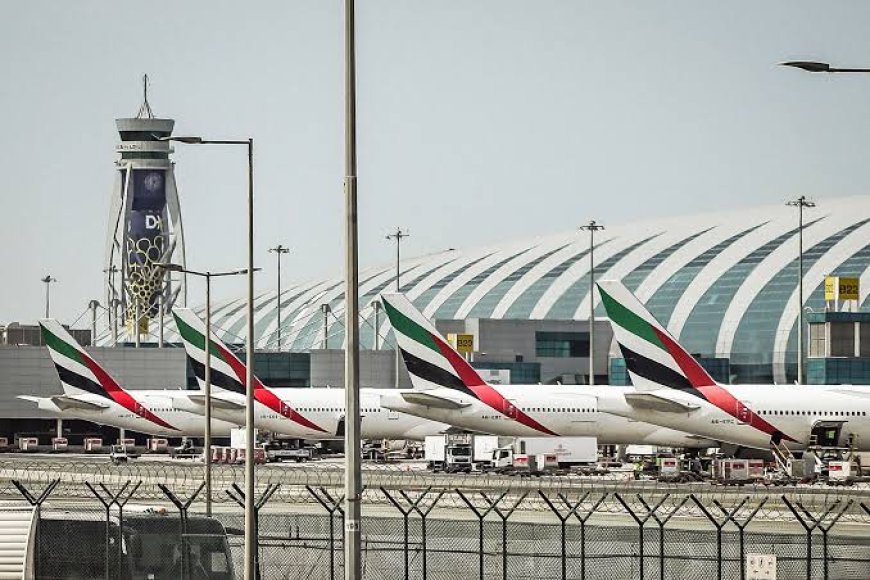
Hurricane season can change the economics of Caribbean travel in a matter of days. For travelers, the first thing they usually notice is a lower airfare. Flights that may cost considerably more during the winter high season can become much cheaper in September or October, while hotels and resorts also reduce rates to attract visitors. But the relationship between hurricanes and flight prices is more complicated than simply saying that storms make tickets cheaper. Airlines respond to demand, weather forecasts, airport operations, aircraft availability, route schedules and cancellations. A destination can have very cheap flights when the weather is calm, yet the same route can become expensive or difficult to book when a storm threatens to disrupt the network.

The Atlantic hurricane season officially runs from June 1 through November 30, covering the North Atlantic, Caribbean Sea and Gulf of America. Historically, August through October is the most active part of the season, with September generally representing the peak. For 2026, NOAA's May outlook initially gave a 55% probability of a below-normal season, a 35% probability of a near-normal season and a 10% probability of an above-normal season. Its forecast called for 8 to 14 named storms, 3 to 6 hurricanes and 1 to 3 major hurricanes. NOAA also stressed that a seasonal outlook does not predict whether a particular island or airport will be hit by a hurricane.
That distinction matters when looking at airfare. A below-normal hurricane season does not automatically mean every Caribbean flight will be cheap, and a busy hurricane season does not mean every route will become expensive. Airline pricing is based largely on expected demand and available capacity. Weather becomes a major factor when a storm threatens a particular route or airport. Understanding that difference helps travelers decide when a low fare is a genuine opportunity and when it is compensation for taking on a higher risk of disruption.
Why Flight Prices Usually Fall During Hurricane Season
The biggest reason for lower airfare is not the hurricane itself. It is lower travel demand. Caribbean tourism has a strong seasonal pattern. The winter months attract visitors escaping cold weather, while Christmas, New Year, school holidays and spring-break periods create additional demand. During late summer and early autumn, many travelers become more cautious about booking because of the possibility of tropical storms and hurricanes.
Airlines respond to that reduction in demand through pricing. If fewer passengers are searching for seats, carriers have an incentive to lower fares to stimulate bookings. The same principle applies to hotels, resorts and vacation-rental operators. Recent 2026 Caribbean travel data reported by Caribbean Journal, citing Square mouth sales data, showed Caribbean travel during the current hurricane season running 21% above the previous year, while airlines were trimming fares on selected routes and resorts were offering seasonal rates.
This creates an interesting situation. Hurricane season can be a period of lower prices even when no hurricane is actually approaching. The possibility of bad weather is enough to influence consumer behaviour. Travelers who are willing to accept some uncertainty can therefore find cheaper tickets during September and October.
Some travel-industry estimates put hurricane-season airfare reductions at around 20% to 40% compared with peak periods, although the exact saving varies substantially by route, origin airport, destination, airline and booking date. These percentages should therefore be treated as market observations rather than guaranteed discounts. A flight from a major U.S. gateway to one Caribbean island may fall sharply in price while another route barely changes.
September Is Usually the Most Important Month
For travelers watching airfare, September deserves particular attention. It sits in the middle of the Caribbean's traditional low-demand period and also falls close to the historical peak of Atlantic hurricane activity. That combination can put downward pressure on prices.
But September is also where the risk calculation becomes more important. A cheap flight is useful only if the traveler can actually take the flight and return home as planned. A $250 ticket that requires an additional $500 hotel night, rebooking cost or missed connection after a storm is not necessarily a bargain.
October can also produce attractive prices. In many Caribbean destinations, demand remains relatively low while the winter season has not yet started. However, hurricane risk remains present. November can provide another opportunity because the official Atlantic hurricane season ends on November 30, although travelers should not assume that November is completely free from tropical-weather risk.
The important point is that airfare does not move according to a simple calendar. Airlines continuously adjust prices according to bookings and expected demand. If a particular route becomes popular because travelers discover unusually low fares, those cheap seats can disappear quickly.
What Happens to Prices When a Hurricane Is Forecast
The most dramatic pricing changes occur when a tropical system moves from being a distant possibility to a credible threat. Airlines do not normally wait until a hurricane hits an airport before reacting. When weather forecasts indicate that a storm could affect a region, carriers begin monitoring the situation and may adjust operations.
The immediate effect on ticket prices can be confusing. A traveler may expect prices to rise because flights are becoming scarce. On some routes, however, prices can fall because demand collapses. People cancel vacations rather than risk getting stranded. Airlines may also issue travel waivers allowing passengers to change flights without the normal fees when particular airports or travel dates are affected.
At the same time, other flights can become difficult to obtain. Passengers whose original flights were cancelled may try to leave the affected area before the storm or return home afterward. That can increase demand on alternative flights. Aircraft and crews may also be displaced from their normal schedules.
As a result, hurricane-related airfare can move in both directions. A destination under a serious threat can see extremely low prices because normal vacation demand disappears. At the same time, flights on alternative routes or flights immediately before and after the disruption can become much more valuable.
Why Cheap Fares Can Become Expensive Trips
The headline airfare is only one part of the cost. Hurricane-season travel requires a different approach to budgeting because disruption can create secondary expenses.
Suppose a traveler finds a round-trip ticket at an unusually low price for a September vacation. The traveler might save several hundred dollars compared with a winter trip. But if a storm causes the return flight to be cancelled, the traveler may need additional accommodation, meals and local transportation. If the traveler has to purchase a new ticket on another airline, the original savings can disappear.
This is why flexible travel arrangements are especially important during hurricane season. A traveler should look at the airline's change and cancellation rules, understand whether the fare is refundable or changeable, and check what protection is provided by travel insurance or a credit-card travel policy.
Travel insurance should also be examined carefully rather than purchased simply because the policy mentions weather. Coverage differs between policies. Some cover trip cancellation or interruption for specific covered reasons, while others have exclusions, waiting periods or requirements related to when the policy was purchased. Travelers should read the actual terms before assuming that any hurricane-related loss will be reimbursed.
Airlines Do Not Price Every Caribbean Island the Same Way
One of the biggest mistakes travelers make is treating the Caribbean as a single airfare market. It is not. The region contains many different countries and territories, each with different airport infrastructure, airline connections and levels of exposure to Atlantic storms.
The Bahamas, Turks and Caicos, Puerto Rico, the U.S. Virgin Islands, the British Virgin Islands, the Dominican Republic, Cuba, Cayman Islands and several northern Caribbean destinations can experience different levels of hurricane exposure depending on the storm's path. Meanwhile, destinations farther south or outside the main hurricane belt can have a different risk profile.
For example, Aruba, Curaçao and Bonaire are often considered different from many northern Caribbean destinations because of their location. Barbados and Trinidad and Tobago also have different historical exposure patterns from islands farther north. That does not mean these destinations are hurricane-proof. Tropical systems can produce indirect effects such as heavy rainfall, rough seas, flight disruptions or airport operational problems even when the center of a storm does not pass directly over an island.
Therefore, a traveler should not choose a destination solely because someone describes it as a "safe Caribbean island" during hurricane season. The correct question is how the specific destination, airport, route and travel dates fit the weather risk.
The 2026 Situation: Lower Forecast Activity Does Not Remove the Risk
The 2026 hurricane season provides a useful example of why travelers should avoid relying too heavily on seasonal forecasts. NOAA's May 2026 outlook predicted a below-normal season as the most likely outcome, but it still forecast a range of 8 to 14 named storms and 3 to 6 hurricanes. NOAA emphasized that seasonal outlooks are not forecasts of landfall at a particular location.
NOAA's later updated outlook became even more favourable overall, assigning a 75% probability to a below-normal season, 20% to a near-normal season and 5% to an above-normal season. The updated forecast range was 7 to 13 named storms, 2 to 6 hurricanes and 0 to 2 major hurricanes. NOAA still identified August, September and October as the peak period for activity.
For travelers, the lesson is straightforward. A lower seasonal forecast may support stronger demand for hurricane-season bargains, but it does not provide a guarantee for a particular vacation week. A single hurricane can cause major disruption even in a season that finishes below average.
How Hurricane Warnings Can Affect Airfare
When a hurricane is approaching, airlines focus first on safety and operational continuity rather than maintaining the original schedule. Airports may close temporarily, runways can become unusable, ground operations can stop and aircraft can be moved away from the threatened area.
Before that happens, airlines may add capacity or adjust schedules to move passengers out of the region. After the storm, they may need time to restore normal operations. Aircraft and crews may be in different locations from where they were originally scheduled.
This is where network airlines have an advantage. A carrier with multiple flights and connections may have more options for rerouting passengers than an airline operating only one daily service. Travelers should consider the number of alternative routes available when choosing a ticket during hurricane season.
A nonstop flight is not automatically better in every situation, but it can reduce the number of airports where a weather-related disruption can affect the trip. A connection introduces another point at which a storm, airport closure or aircraft schedule change can interfere with the journey.
The Best Time to Book Is Not Always the Cheapest Day
Many travelers try to predict the exact day when hurricane-season fares will reach their lowest point. That is difficult because airline pricing is dynamic.
Airlines use sophisticated revenue-management systems that constantly respond to booking patterns. If seats are selling quickly, the cheaper fare classes may disappear. If bookings are weak, lower fare classes may remain available longer.
This means there is no universal rule such as "book exactly 21 days before departure" or "Tuesday is always the cheapest day." Those rules are too simple for modern airline pricing.
A better strategy is to establish a reasonable target price. If a fare is significantly below what you normally see for the route and the dates are flexible, waiting for a tiny additional reduction may not be worth the risk of losing the cheap fare.
For hurricane-season travel, flexibility can be more valuable than perfect timing. If possible, travelers should compare several departure dates and consider flying a day earlier or later. Even a one-day shift can sometimes produce a significant difference because airline demand changes across the week.
Why Flexible Tickets Matter More in September and October
The value of flexibility increases when weather uncertainty is high. Travelers booking a nonrefundable, highly restrictive ticket may save money at the time of purchase but face greater financial exposure if their plans change.
A more flexible fare can cost more initially, but that extra cost can function as a form of risk management. It may allow the traveler to move the trip rather than cancel it completely.
This is particularly useful for travelers who are booking expensive hotel packages or cruises. A cheap airline ticket does not protect the rest of the vacation. If the hotel is non-refundable and the flight cannot be changed, a weather disruption can affect the entire trip budget.
Travelers should therefore evaluate the total booking structure. Look at the airline ticket, hotel cancellation policy, airport transfers, excursions and insurance together. Hurricane-season travel works best when all major components have some flexibility.
Hotel Prices and Airfares Often Move Together
Flight pricing is only part of the hurricane-season discount. Hotels and resorts also respond to lower demand. Some properties reduce nightly rates, offer free nights or create packages to attract travelers during September and October.
This can make the total vacation significantly cheaper than a winter trip. A traveler who normally pays a premium for a beachfront resort during December may find that the same property has much lower rates during the hurricane season.
However, hotel discounts can also signal that the property expects weaker demand. Travelers should check whether restaurants, pools, activities or other facilities operate normally during the low season. Some resorts reduce operations when occupancy is low.
The most useful comparison is therefore not "How cheap is the room?" but "What will the complete trip cost?" A lower hotel price combined with a lower airfare can create substantial savings, but only if the traveler understands the associated weather and cancellation risks.
How Travelers Can Reduce the Financial Risk
The safest way to approach hurricane-season airfare is not to avoid the season completely but to manage the uncertainty. Start by checking the official hurricane-season dates and monitoring reliable weather information as the trip approaches. For Atlantic travel, NOAA and the National Hurricane Center are more useful than relying on social-media predictions or sensational weather headlines.
Choose flights with reasonable change options when the price difference is acceptable. Consider direct routes where practical, especially if the itinerary contains an important connection. Leave sometime between the scheduled flight and an important event such as a cruise departure, wedding or business meeting.
It is also sensible to avoid planning an extremely tight itinerary. If the flight arrives in the morning and a cruise leaves only a few hours later, even a small weather-related delay can cause a major problem. Adding a buffer day may cost more in accommodation but can significantly reduce the consequences of a delay.
Most importantly, do not interpret a cheap ticket as evidence that a hurricane is coming. The low fare may simply reflect the normal seasonal decline in demand.
When a Cheap Hurricane-Season Fare Makes Sense
A discounted flight can be a good deal when the traveler has flexible dates understands the weather risk and can absorb a possible schedule change. It is particularly attractive for travelers who are not tied to a fixed event and can move the trip by several days if conditions deteriorate.
It can also make sense for travelers visiting destinations where the probability of direct hurricane impact is historically lower, although no destination should be considered completely immune. The traveler should still monitor the forecast because tropical weather can affect aviation over a wide area.
For someone with strict dates, an important event or limited vacation time, the calculation is different. Paying more during a lower-risk period may provide better value than saving money on airfare but risking a cancelled or shortened vacation.
The Real Meaning of a "Hurricane Season Bargain"
The biggest mistake is to define a bargain only by the ticket price. A $200 flight is not necessarily better value than a $350 flight if the cheaper ticket has restrictive conditions and the more expensive ticket provides useful flexibility.
A genuine hurricane-season bargain is a combination of reasonable airfare, manageable accommodation costs, flexible booking conditions and a traveler who is comfortable with some weather uncertainty.
The Caribbean remains an attractive destination during the hurricane season because lower demand can create opportunities that are difficult to find during the winter peak. Current 2026 travel data also suggests that travelers are increasingly willing to accept that trade-off. Caribbean travel during the current hurricane season was reported to be up 21% year over year, while lower airfares and resort rates were helping drive interest.
But weather remains the variable that cannot be controlled. A quiet forecast can change. A storm can strengthen quickly. An airport can close. An aircraft can be repositioned. A flight can be cancelled even when the destination itself experiences relatively little damage.
What's Your Reaction?
 Like
0
Like
0
 Dislike
0
Dislike
0
 Love
0
Love
0
 Funny
0
Funny
0
 Angry
0
Angry
0
 Sad
0
Sad
0
 Wow
0
Wow
0