

















Swimming with Wildlife: Where to Find Swimming Pigs, Stingrays, and Turtles.
Swimming with wildlife in the Caribbean offers travelers safe and guided opportunities to interact with animals such as swimming pigs, stingrays, and sea turtles. The Bahamas is famous for its swimming pigs in the Exuma Cays, the Cayman Islands is known for Stingray City, and several islands including Barbados, Curacao, and St. Thomas provide reliable sea turtle snorkelling experiences. These encounters are managed under conservation rules to protect animals and visitors. By choosing licensed operators and following local guidelines, travellers can enjoy memorable wildlife experiences while supporting responsible tourism.

Swimming with marine and coastal wildlife has become one of the most popular travel experiences in the Caribbean. Certain islands are known worldwide for safe, guided encounters with animals like pigs, stingrays, and sea turtles. These experiences are regulated in many locations to protect both visitors and wildlife. Knowing where to go and how these encounters work helps travelers plan responsibly.

1. Swimming with Pigs the Bahamas
Where to Go
- Big Major Cay (Pig Beach) - Exuma Cays.
- Rose Island - Near Nassau.
- What Makes It Unique.
- The Bahamas is the only place in the world where pigs are known to swim freely in the ocean. The pigs live on uninhabited islands and enter the water when boats arrive.
- How the Experience Works.
- Visitors usually arrive via boat tour from Nassau or Exuma.
- Guides supervise feeding and interaction.
- Visitors swim alongside pigs in shallow, calm water.
Important Facts
- Feeding is controlled to prevent harm.
- Alcohol, processed food, and plastic items are banned.
- Some islands now limit daily visitor numbers.
2. Swimming with Stingrays - Cayman Islands
Where to Go
Stingray City – Grand Cayman.
What Makes It Special
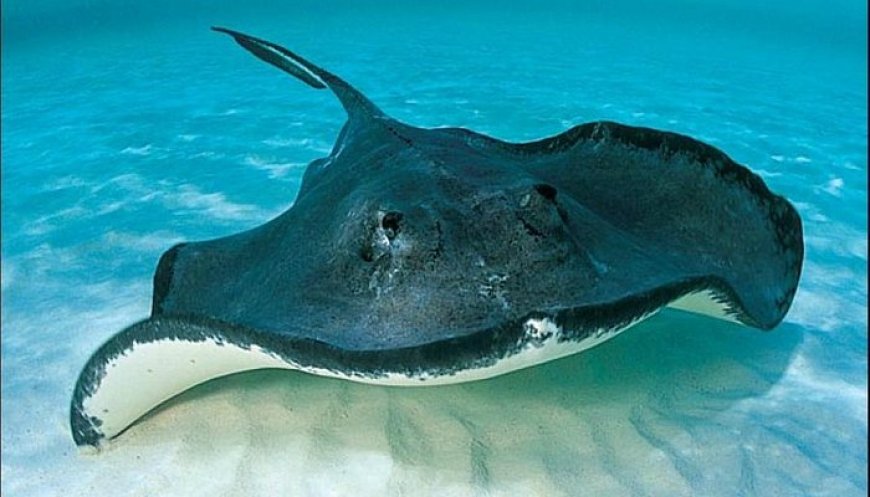
Stingray City is a shallow sandbar where southern stingrays gather naturally due to long-standing fishing activity in the area.
How the Experience Works
Water depth is usually waist-deep.Guides explain stingray behaviour and safety rules.Visitors can touch and swim near the stingrays.
Important Facts
Stingrays are not aggressive.Barbs are trimmed naturally or monitored for safety.Touching eyes or lifting rays out of water is prohibited.
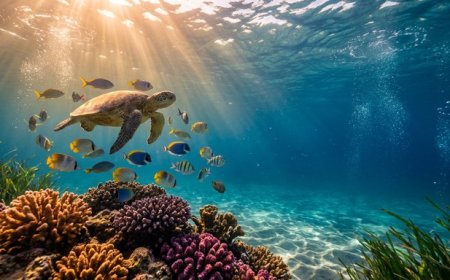
3. Swimming with Sea Turtles - Multiple Caribbean Islands
Best Locations
Akumal, Mexico
- Barbados (Carlisle Bay)
- Curacao
- St. Thomas, US Virgin Islands
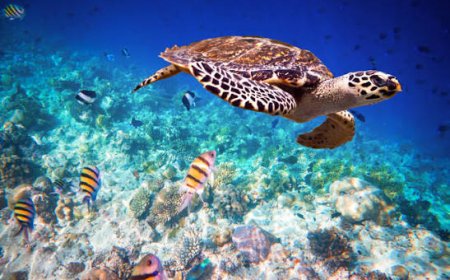
- Species Commonly Seen
- Green sea turtles
- Hawksbill turtles
- How the Experience Works
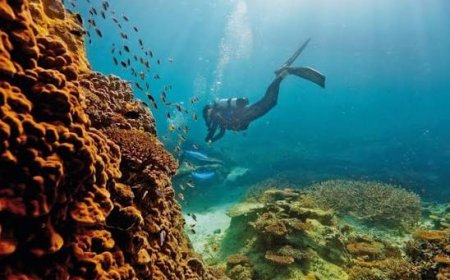
- Often accessed by snorkelling from shore
- Some areas require certified guides
- Encounters occur in turtle feeding zones
Important Facts
- Sea turtles are protected under international law
- Touching or chasing turtles is illegal
- Flash photography is discouraged
4. Best Time of Year for Wildlife Swimming
Dry season (December to April): Best visibility and calmer seas
Summer months (May to August): Warmer water, fewer crowds
Hurricane season (September to October): Tours may be limited
Wildlife encounters are available year-round but depend on weather and conservation rules.
5. Safety and Conservation Guidelines
Responsible tourism protects animals and visitors.
Key rules include:
- Follow guide instructions at all times
- Do not feed animals unless permitted
- Keep a respectful distance
- Use reef-safe sunscreen
- Avoid loud noises and sudden movements
- Many islands now enforce penalties for violations to protect ecosystems.
6. Cost and Tour Structure
Typical prices:
Swimming pigs tours: USD 150–300
Stingray City tours: USD 40–80
Turtle snorkelling tours: USD 30–70
Prices vary based on duration, group size, and inclusions such as food or transport.
7. Choosing Ethical Wildlife Experiences
Travellers should:
- Choose licensed operators.
- Avoid places where animals appear stressed or restrained.
- Check local conservation policies.
- Support eco-certified tours.
- Ethical tourism ensures these experiences remain available for future visitors.
Conclusion
Swimming with pigs, stingrays, and turtles offers a rare way to experience Caribbean wildlife up close. The Bahamas, Cayman Islands, and several turtle-rich islands have built structured, regulated systems to support these encounters. With proper planning and responsible behaviour, travellers can enjoy these experiences while supporting wildlife protection and local communities.
What's Your Reaction?
 Like
0
Like
0
 Dislike
0
Dislike
0
 Love
0
Love
0
 Funny
0
Funny
0
 Angry
0
Angry
0
 Sad
0
Sad
0
 Wow
0
Wow
0