




























Family-Friendly Adventure Activities
Family-friendly adventure activities have become an important part of modern travel, offering experiences that combine fun, learning, and outdoor exploration for all ages. Instead of focusing only on sightseeing or resort entertainment, many families now choose activities that encourage teamwork, physical activity, and meaningful time together. From snorkeling in clear waters and kayaking along peaceful coastlines to hiking through forests and exploring wildlife reserves, adventure travel creates lasting memories while helping children develop confidence and an appreciation for nature. Water-based activities such as snorkelling, paddle boarding, glass-bottom boat tours, and kayaking are popular because they are suitable for beginners and allow families to experience marine life in a safe environment. On land, hiking, cycling, horse riding, ziplining, and guided nature walks provide opportunities to discover scenic landscapes, waterfalls, and local ecosystems. Cultural adventures, including cooking classes, craft workshops, village tours, and storytelling sessions, add an educational dimension by introducing families to local traditions and heritage.

Family holidays have changed significantly over the past decade. While relaxing at a beach or resort remains popular, many families now look for experiences that combine fun, learning, and physical activity. Adventure travel is no longer limited to thrill-seekers or experienced explorers. Today, destinations around the world, including the Caribbean, offer a wide variety of family-friendly adventure activities that are designed for children, teenagers, parents, and even grandparents.

These activities encourage families to spend quality time together while exploring nature, learning new skills, and building confidence. Whether it is snorkeling over coral reefs, hiking through tropical forests, kayaking along calm coastlines, or visiting wildlife reserves, adventure experiences create lasting memories that often become the highlight of a holiday.
Safety remains a top priority for families. Many tour operators now provide age-appropriate equipment, trained guides, and clearly structured activities that allow beginners to participate comfortably. Parents can choose adventures based on the age and abilities of their children, making it possible for everyone to enjoy the experience together.
This guide explores the best family-friendly adventure activities, explains how to prepare for them, highlights safety considerations, and provides practical tips for creating enjoyable outdoor experiences that suit a wide range of ages and interests.
Why Adventure Travel Appeals to Families
Adventure activities provide benefits that extend beyond entertainment. Spending time outdoors encourages children to become more active, improves problem-solving skills, and introduces them to different environments. Parents often appreciate the opportunity to disconnect from daily routines while sharing meaningful experiences with their children.
Unlike attractions that rely primarily on technology or indoor entertainment, outdoor adventures encourage teamwork and communication. Completing a hiking trail, paddling a kayak together, or spotting wildlife during a guided tour gives family members shared goals that strengthen relationships.
Many destinations have responded to this growing interest by developing adventure programs specifically designed for families rather than experienced athletes.
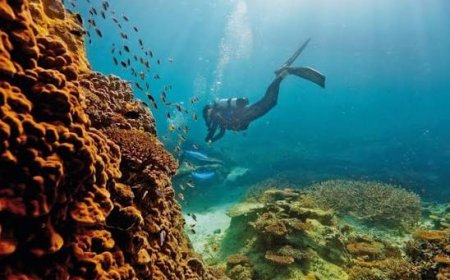
Snorkeling Adventures
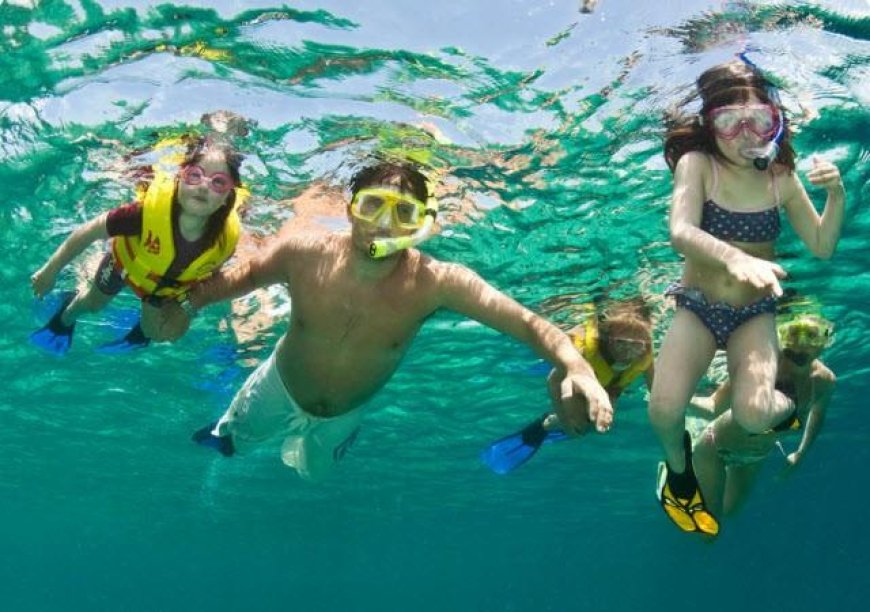
Snorkeling remains one of the most accessible family adventure activities.
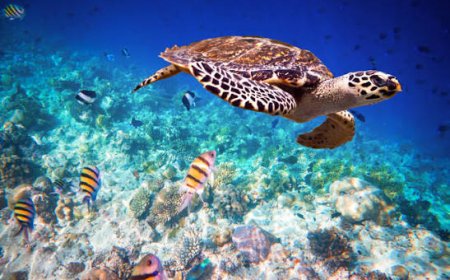
Many coastal destinations offer shallow reefs where beginners can safely observe colourful fish, coral formations, sea turtles, and other marine life. Professional guides usually begin with a short safety briefing before helping participants become comfortable with masks, snorkels, and flotation devices.
Children often enjoy snorkeling because it combines swimming with wildlife observation. Calm lagoons and protected marine parks provide excellent conditions for first-time participants.
Parents should always select operators that provide certified guides, properly fitted equipment, and age-appropriate safety procedures.
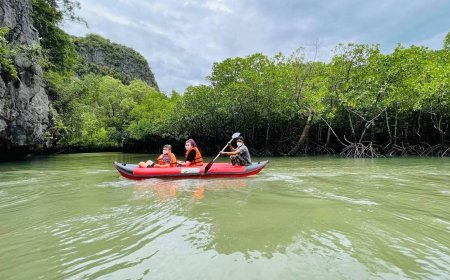
Kayaking Along Calm Waters
Kayaking allows families to explore rivers, mangrove forests, lakes, and sheltered coastlines at a relaxed pace.
Double and family-sized kayaks enable younger children to paddle alongside adults while enjoying close views of birds, fish, and coastal landscapes.
Guided kayaking tours frequently include educational information about local ecosystems, making the activity both enjoyable and informative.
Because kayaking requires only basic instruction, it is suitable for many families with little previous experience.
Nature Hiking
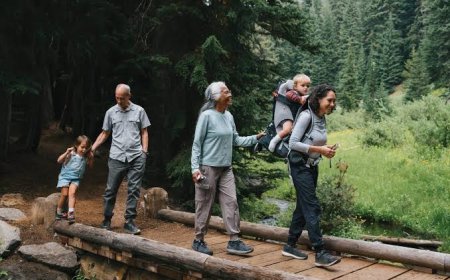
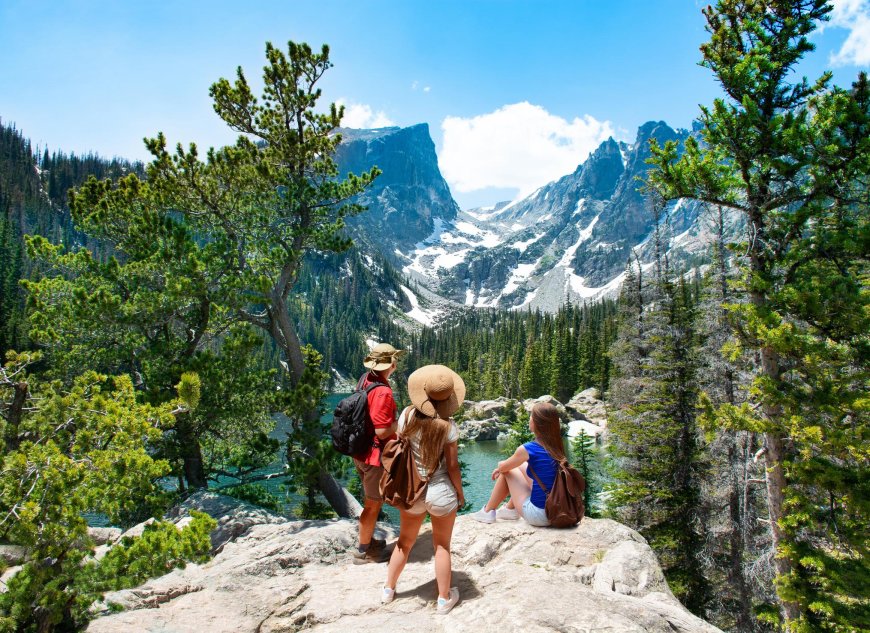
Hiking introduces families to forests, mountains, waterfalls, and national parks.
Many destinations maintain well-marked beginner trails that include observation points, picnic areas, and interpretive signs explaining local plants and wildlife.
Guided hikes often focus on identifying birds, insects, tropical plants, or geological features. Children enjoy searching for wildlife while learning about conservation and environmental protection.
Parents should choose trails that match the fitness level of the youngest participant and carry sufficient drinking water, sun protection, and appropriate footwear.
Zip line Experiences
Zip lining has become increasingly popular among families visiting adventure destinations.
Modern zip line parks offer courses designed for beginners, with shorter platforms, slower speeds, and comprehensive safety systems suitable for older children and adults.
Professional instructors explain equipment use, supervise every stage of the activity, and ensure participants meet age, height, and weight requirements.
Many family-friendly ziplines pass above forests, rivers, or gardens, providing scenic views without requiring advanced physical ability.
Wildlife Watching
Observing wildlife in natural habitats encourages children to appreciate biodiversity.
Boat tours, bird watching walks, butterfly gardens, turtle conservation programmes, and wildlife reserves introduce families to native species while supporting environmental education.
Experienced guides explain animal behaviour, conservation efforts, and responsible wildlife viewing practices.
Unlike amusement attractions, wildlife experiences vary each day, making every excursion unique.
Horse Riding
Horse riding offers families an opportunity to explore beaches, countryside, and forest trails from a different perspective.
Many riding centres provide beginner lessons before guided excursions, ensuring participants understand basic riding techniques.
Specially trained horses suitable for inexperienced riders increase both safety and confidence.
Children often enjoy interacting with the animals before and after the ride, making the experience educational as well as recreational.
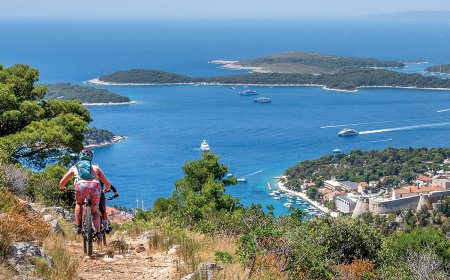
Cycling Adventures
Cycling combines exercise with sightseeing.
Many destinations now feature dedicated cycling paths suitable for families, allowing riders to visit beaches, villages, parks, and scenic viewpoints without heavy traffic.
Electric bicycles have expanded accessibility by making longer rides manageable for adults with varying fitness levels.
Family cycling tours often include regular stops where guides explain local history, culture, or natural features.
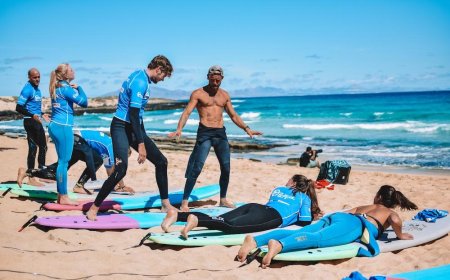
Paddle boarding
Stand-up paddle boarding has become one of the fastest-growing water sports suitable for families.
Calm lakes, lagoons, and sheltered bays provide ideal conditions for beginners.
Children frequently learn quickly because the activity improves balance while remaining relatively easy to master.
Many operators offer larger boards that allow younger children to paddle alongside parents.
Glass-Bottom Boat Tours
Families interested in marine life but not comfortable snorkeling often choose glass-bottom boat tours.
Large viewing panels allow passengers to observe coral reefs, tropical fish, and underwater landscapes while remaining dry.
These tours are particularly suitable for grandparents, toddlers, or family members with limited swimming ability.
Marine guides provide educational commentary throughout the excursion.
Cave Exploration
Several destinations offer guided cave tours suitable for families.
Well-lit pathways, safety equipment, and experienced guides allow visitors to explore impressive rock formations, underground rivers, and geological features.
Educational explanations about cave formation and local history add learning opportunities for children. Families should confirm age restrictions before booking.
Waterfall Adventures
Waterfalls remain popular family destinations because they combine hiking, swimming, and photography.
Many accessible waterfalls feature shallow pools where children can safely paddle under supervision.
Guided excursions often include information about surrounding rainforest ecosystems and local conservation efforts.
Proper footwear helps reduce slipping on wet rocks.
Cultural Adventure Experiences
Adventure travel also includes cultural exploration.
Families can participate in traditional cooking classes, local craft workshops, village tours, music sessions, and storytelling experiences.
These activities encourage children to understand local customs while interacting with community members.
Cultural adventures often become memorable because they provide genuine connections rather than passive sightseeing.
Adventure Parks
Purpose-built adventure parks offer multiple activities within one location.
Families may enjoy climbing walls, rope courses, obstacle trails, mini zip lines, and interactive games suitable for different age groups.
Professional supervision and clearly graded difficulty levels allow participants to choose activities appropriate for their confidence and ability.
These parks provide excellent options when family members have varying interests.
Marine Conservation Activities
Many coastal destinations now invite visitors to participate in conservation projects.
Families may assist with beach clean-ups, coral restoration programmes, turtle monitoring, or educational workshops explaining marine ecosystems.
These experiences combine adventure with environmental responsibility while helping children understand the importance of protecting natural resources.
Participation often creates lasting appreciation for conservation.
Camping and Nature Lodges
Short family camping trips introduce children to outdoor living.
Modern campgrounds and eco-lodges frequently provide comfortable facilities while allowing families to experience stargazing, campfire storytelling, bird watching, and guided nature walks.
Camping encourages independence, teamwork, and practical problem-solving skills.
Many eco-lodges also organise educational activities suitable for younger visitors.
Choosing Activities by Age
Selecting adventures appropriate for children's ages improves both safety and enjoyment.
Younger children generally benefit from shorter activities with frequent breaks, while teenagers often prefer more physically demanding adventures such as longer hikes or zip lining.
Tour operators usually publish minimum age requirements based on safety standards.
Parents should avoid selecting activities beyond their children's confidence or physical ability simply because they appear exciting.
Essential Safety Considerations
Safety should always guide adventure planning.
Families should choose licensed operators employing trained guides and well-maintained equipment.
Life jackets, helmets, harnesses, and other protective equipment should fit correctly and be inspected before each activity.
Weather conditions deserve careful attention, especially during tropical storm seasons.
Parents should also inform guides about allergies, medical conditions, or swimming ability before beginning any excursion.
Packing for Adventure Holidays
Preparing appropriate equipment contributes significantly to comfort.
Lightweight clothing, waterproof bags, reusable water bottles, hats, sunscreen, insect repellent, sturdy footwear, and basic first-aid supplies are useful for most outdoor adventures.
Families participating in water activities should also bring towels, swimwear, and protective footwear suitable for rocky beaches or riverbeds.
Packing efficiently helps reduce unnecessary stress during excursions.
Sustainable Family Adventures
Responsible tourism has become increasingly important within adventure travel.
Families can minimise environmental impact by staying on marked trails, avoiding disturbance to wildlife, reducing plastic waste, and supporting local guides and businesses.
Choosing operators committed to conservation helps protect natural environments while benefiting surrounding communities.
Teaching children responsible travel habits during holidays encourages environmentally conscious behaviour that continues beyond the trip itself.
Planning the Perfect Family Adventure Itinerary
A balanced itinerary often produces the most enjoyable holiday.
Combining active excursions with rest days prevents fatigue, particularly for younger children.
Alternating water activities, cultural experiences, wildlife encounters, and relaxation ensures variety throughout the trip.
Leaving some unscheduled time also allows families to respond to changing weather or unexpected opportunities.
Flexibility often leads to the most rewarding travel experiences.
Conclusion
Family-friendly adventure activities provide far more than excitement. They encourage physical activity, strengthen family relationships, introduce children to nature and different cultures, and create memories that last long after the holiday ends. From snorkeling and kayaking to hiking, wildlife watching, cycling, and cultural experiences, modern adventure tourism offers options suitable for nearly every age and fitness level.
Careful planning, appropriate safety measures, and choosing activities that match each family member's abilities help ensure enjoyable and rewarding experiences. As destinations continue expanding their family adventure programmes, travellers have more opportunities than ever to explore the outdoors while learning about local environments and communities.
Whether exploring tropical rainforests, paddling through peaceful waters, observing marine life, or discovering traditional villages, family-friendly adventures transform ordinary holidays into meaningful experiences that combine recreation, education, and togetherness. With thoughtful preparation and a spirit of curiosity, families can enjoy safe, engaging, and unforgettable adventures wherever their travels take them.
What's Your Reaction?
 Like
0
Like
0
 Dislike
0
Dislike
0
 Love
0
Love
0
 Funny
0
Funny
0
 Angry
0
Angry
0
 Sad
0
Sad
0
 Wow
0
Wow
0