








Caribbean National Holidays & What They Mean
Caribbean national holidays are an important reflection of the region's history, culture, and identity. They commemorate significant events such as independence from colonial rule, the abolition of slavery, the achievements of national heroes, and major religious observances. These holidays bring communities together through official ceremonies, parades, music, dance, cultural performances, sporting events, and traditional food, allowing both residents and visitors to celebrate the unique heritage of each island nation. Independence Days are among the most significant national holidays across countries including Jamaica, Barbados, The Bahamas, Trinidad and Tobago, Grenada, Saint Lucia, Antigua and Barbuda, Saint Kitts and Nevis, and Belize. These celebrations feature flag-raising ceremonies, military parades, cultural festivals, educational programmes, and community events that honour the journey toward self-government and national unity. Emancipation Day, observed in many Caribbean countries on or around 1 August, remembers the abolition of slavery while recognising the resilience, contributions, and cultural heritage of African descendants through historical exhibitions, traditional music, storytelling, and educational activities.

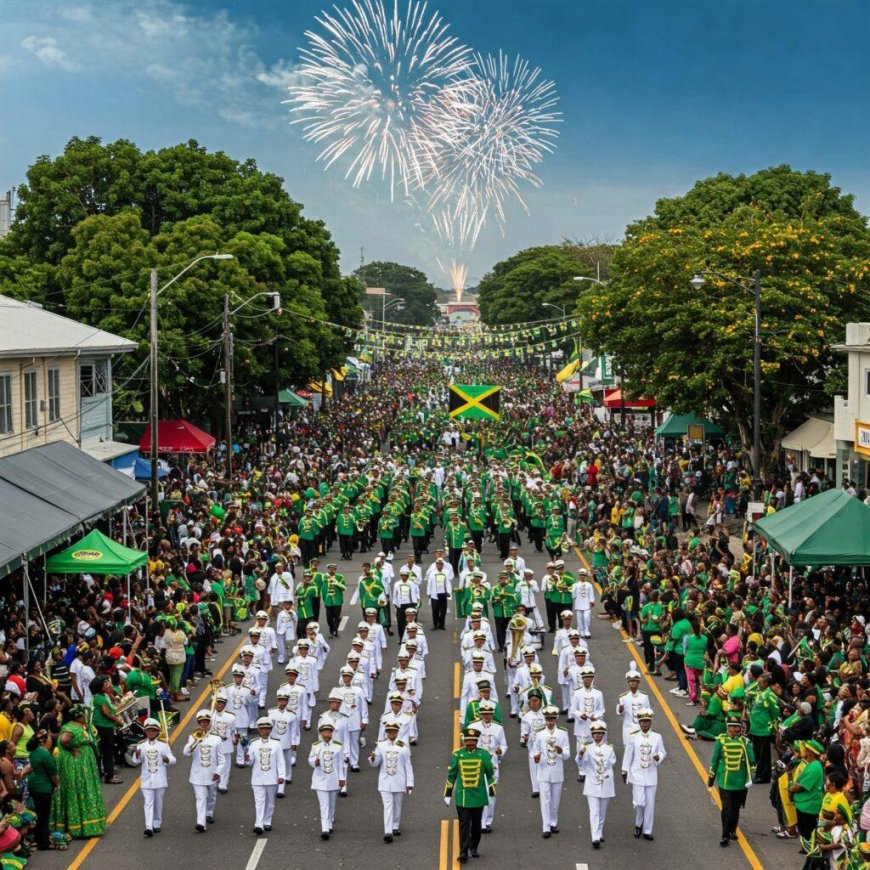
The Caribbean is a region known for its diverse cultures, rich history, and vibrant traditions. Stretching across the Caribbean Sea, the region includes independent island nations, overseas territories, and mainland countries with Caribbean coastlines. Although every destination has its own customs and historical experiences, national holidays remain one of the strongest expressions of identity throughout the region.

Unlike ordinary public holidays, Caribbean national holidays often represent significant historical milestones. They commemorate the struggles for freedom, the end of slavery, independence from colonial rule, important political events, and the achievements of national heroes. These occasions bring communities together through ceremonies, cultural performances, music, traditional food, religious services, sporting events, and educational programmes.
For local residents, national holidays are opportunities to remember the past while celebrating the present. For visitors, these celebrations provide a chance to experience authentic Caribbean culture beyond beaches and resorts. Markets become livelier, streets fill with parades, local music echoes through towns, and traditional dishes take centre stage at family gatherings and community festivals.
Understanding the meaning behind these holidays helps travellers appreciate the history that shaped modern Caribbean societies. Every celebration reflects stories of resilience, cultural diversity, and national pride that continue to influence everyday life across the islands.
Why National Holidays Matter in the Caribbean
National holidays are deeply connected to the Caribbean's historical journey. Many Caribbean nations experienced centuries of colonial rule under European powers, followed by long struggles for political independence and social equality. As a result, public holidays often honour the achievements of generations who worked toward self-government, cultural preservation, and economic development.
Schools, government offices, banks, and many businesses usually close during national holidays, allowing families to spend time together and participate in public celebrations. Parks, town squares, and community centres become gathering places where residents enjoy concerts, cultural exhibitions, sporting competitions, and food festivals.
These holidays also help preserve traditions by encouraging younger generations to learn about their country's history. Educational programmes, museum exhibitions, and public speeches often accompany official celebrations, ensuring that historical events remain part of national memory.
In addition to strengthening national identity, public holidays contribute to tourism. Visitors who plan trips around major celebrations often experience local traditions that are rarely visible during ordinary travel seasons.
The Historical Roots of Caribbean National Holidays
Understanding Caribbean holidays requires an appreciation of the region's complex history.
For centuries, much of the Caribbean was governed by European colonial powers including Britain, Spain, France, the Netherlands, and Denmark. During this period, plantations became major economic centres, relying heavily on enslaved Africans who were forced to work under extremely harsh conditions.
Over time, resistance movements, abolition campaigns, and political reforms gradually changed Caribbean societies. The abolition of slavery during the nineteenth century marked one of the most important turning points in regional history. Decades later, many Caribbean territories achieved independence during the twentieth century, creating modern sovereign nations.
National holidays commemorate these historical transitions. They remind citizens of the sacrifices made by earlier generations while celebrating democratic institutions, cultural identity, and national progress.
Independence Celebrations across the Caribbean
Independence Day is among the most important public holidays in many Caribbean countries. Each nation celebrates on a different date, reflecting its own constitutional history and transition to self-government.
Although the celebrations vary from country to country, common traditions include flag-raising ceremonies, military parades, school performances, cultural exhibitions, concerts, fireworks, religious services, and speeches by national leaders.
Communities proudly display national colours on homes, businesses, vehicles, and public buildings. Schools organise educational activities where students perform songs, dances, poetry, and dramatic presentations celebrating national history.
These events strengthen public appreciation for democracy, citizenship, and national unity.
Jamaica Independence Day
Jamaica celebrates Independence Day each year on 6 August, marking its independence from the United Kingdom in 1962.
The holiday forms part of Jamaica's wider Independence celebrations, which include cultural festivals, concerts, exhibitions, sporting competitions, and official ceremonies held across the island.
One of the best-known events is the Jamaica Festival, where music, dance, visual arts, traditional foods, and community activities highlight the country's creative heritage.
The national flag appears throughout towns and villages, while schools and community organisations organise performances celebrating Jamaican achievements in sports, music, education, and public service.
Visitors during Independence week experience a unique atmosphere filled with reggae music, cultural pride, and community celebrations.
Trinidad and Tobago Independence Day
Trinidad and Tobago celebrates Independence Day on 31 August, commemorating independence achieved in 1962.
The occasion features official ceremonies in the capital, Port of Spain, where government leaders participate in flag-raising events and military displays.
Throughout the country, communities organise cultural performances showcasing Steelpan music, calypso, traditional dance, and local cuisine.
Many citizens wear clothing in the national colours of red, white, and black, reflecting pride in the nation's diverse cultural heritage.
The holiday also recognises the contributions of multiple ethnic communities including African, Indian, European, Chinese, Middle Eastern, and Indigenous peoples to national development.
Barbados Independence Day
Barbados celebrates Independence Day on 30 November, marking its independence from British rule in 1966.
National celebrations include official ceremonies, church services, cultural programmes, educational activities, and community events.
The country's blue, gold, and black flag is prominently displayed throughout the island, while schools organise competitions encouraging students to learn about Barbadian history.
Although Barbados became a republic in 2021, Independence Day continues to commemorate the nation's achievement of self-government and remains an important public holiday.
The Bahamas Independence Day
The Bahamas observes Independence Day on 10 July, celebrating independence achieved in 1973.
Parades, marching bands, cultural performances, sailing events, and fireworks form major parts of the celebrations.
Communities across the islands host family activities, sporting competitions, and traditional music events.
Many visitors choose to travel during Independence celebrations to experience authentic Bahamian culture beyond the country's famous beaches.
Grenada Independence Day
Grenada celebrates Independence Day on 7 February, commemorating independence from Britain in 1974.
National events include religious services, official ceremonies, school performances, community festivals, and sporting competitions.
Traditional music, dancing, and local cuisine play important roles throughout the celebrations.
The holiday also encourages reflection on national development and the country's future aspirations.
Saint Lucia Independence Day
Saint Lucia celebrates Independence Day on 22 February, marking independence in 1979.
The island hosts military parades, cultural performances, educational exhibitions, and artistic presentations highlighting Saint Lucian history.
Schools often organise essay competitions, debates, and cultural programmes focusing on national identity and citizenship.
Throughout Independence Week, communities participate in concerts, sports tournaments, and family-oriented events.
Antigua and Barbuda Independence Day
Antigua and Barbuda celebrates Independence Day on 1 November, recognising independence achieved in 1981.
The celebrations extend beyond a single day, often including a week of sporting competitions, food festivals, music concerts, and cultural exhibitions.
Carnival-style entertainment, traditional performances, and community activities create a festive atmosphere across both islands.
National pride remains at the centre of the celebrations, with residents proudly displaying the country's distinctive flag.
Saint Kitts and Nevis Independence Day
Saint Kitts and Nevis celebrates Independence Day on 19 September, commemorating independence from Britain in 1983.
Official ceremonies include military parades, flag-raising events, church services, and cultural programmes.
Schools encourage students to learn about constitutional history and the importance of democratic participation.
Local festivals, concerts, and sporting events provide entertainment for residents and visitors alike.
Belize Independence Day
Although geographically located in Central America, Belize shares strong historical and cultural ties with the Caribbean Community (CARICOM).
Belize celebrates Independence Day on 21 September, marking independence achieved in 1981.
National celebrations include colourful parades, street festivals, concerts, and cultural exhibitions reflecting the country's multicultural population.
Garifuna music, Creole traditions, Maya heritage, Mestizo culture, and other influences contribute to Belize's distinctive Independence celebrations.
Emancipation Commemorations
Alongside Independence Days, many Caribbean nations observe Emancipation Day or similar commemorative events honouring the abolition of slavery.
These holidays recognise one of the most significant chapters in Caribbean history.
Rather than simply celebrating a legal event, Emancipation commemorations remember the courage, resistance, and resilience of enslaved Africans whose struggles contributed to eventual freedom.
Today these observances encourage historical education, cultural preservation, and national reflection.
The Meaning of Emancipation Day
Emancipation Day generally commemorates the abolition of slavery within the British Caribbean during the nineteenth century.
The holiday serves several purposes.
It honours those who endured slavery while recognising their contributions to Caribbean society.
It also celebrates African cultural heritage, traditional music, storytelling, language, religious practices, cuisine, and artistic expression that continue to shape Caribbean identity.
Educational institutions frequently organise lectures, exhibitions, and historical presentations explaining the significance of emancipation for younger generations.
Jamaica Emancipation Day
Jamaica observes Emancipation Day on 1 August, one of the country's most important cultural holidays.
Communities organise heritage festivals, traditional drumming performances, historical reenactments, exhibitions, and educational programmes.
The holiday immediately precedes Independence celebrations, creating a period of national reflection followed by national celebration.
Many events highlight African traditions that continue influencing Jamaican music, language, religion, and cultural life.
Trinidad and Tobago Emancipation Day
Trinidad and Tobago became one of the first countries to formally recognise Emancipation Day as a national public holiday.
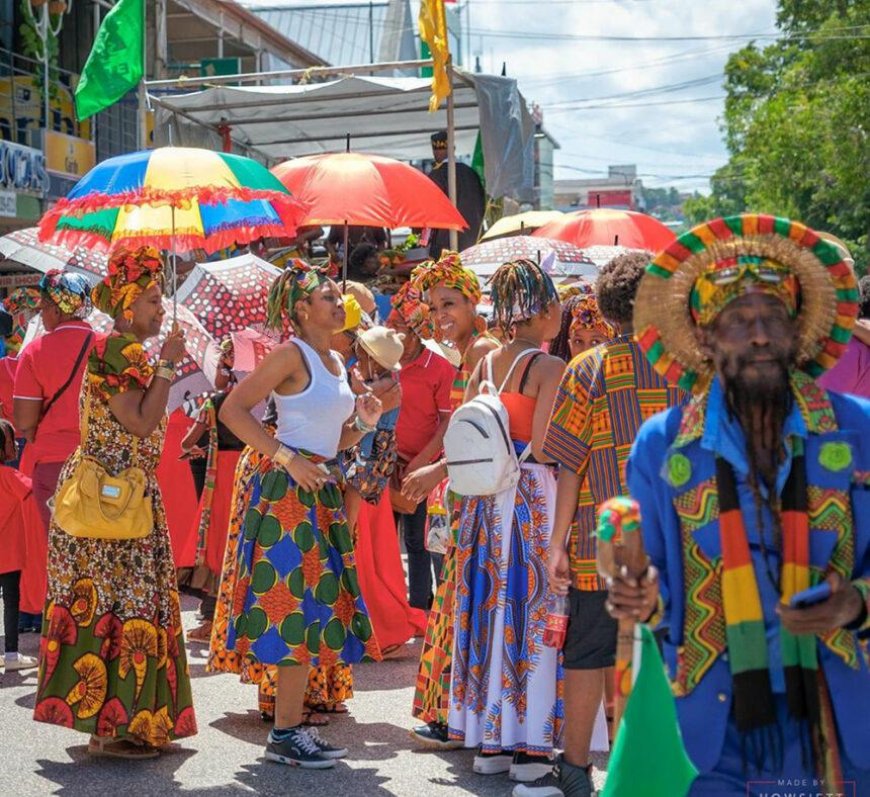
Celebrated on 1 August, the day features cultural festivals, educational conferences, African heritage exhibitions, and community events.
Traditional African drumming, dance performances, storytelling, and historical presentations form important parts of the celebrations.
Many participants wear traditional African clothing to honour ancestral heritage.
Barbados Emancipation Observances
Barbados also commemorates emancipation through educational activities, cultural programmes, and historical events held during the Emancipation Season.
Museums, cultural organisations, and community groups organise discussions exploring the island's plantation history and the continuing importance of equality and social justice.
Traditional music, spoken-word performances, and heritage exhibitions encourage public engagement with history.
Emancipation across the Wider Caribbean
Several other Caribbean countries including Grenada, Saint Lucia, Saint Vincent and the Grenadines, Dominica, and Antigua and Barbuda also observe Emancipation Day through official ceremonies and cultural programmes.
Although the style of celebration differs between islands, common themes include remembrance, education, cultural pride, and recognition of African heritage.
Community organisations frequently host lectures, exhibitions, historical walking tours, and cultural performances that strengthen understanding of Caribbean history.
Major National Holidays beyond Independence
While Independence and Emancipation remain among the most significant observances, Caribbean calendars include several other important national holidays.
Labour Day is widely celebrated across the region, recognising the contributions of workers and the development of labour rights. Many countries organise volunteer projects, community improvement activities, and public ceremonies that encourage civic participation.
National Heroes' Days honour individuals who played important roles in achieving political freedom, social reform, education, and cultural development. These commemorations often include speeches, wreath-laying ceremonies, school activities, and public exhibitions that introduce younger generations to influential historical figures.
Religious holidays such as Christmas, Good Friday, Easter Monday, and in some countries Diwali or Eid, also hold national importance because they reflect the Caribbean's diverse religious and cultural traditions. These celebrations combine faith, family gatherings, traditional food, music, and community events, adding further richness to the region's annual calendar.
Carnival and Public Holidays
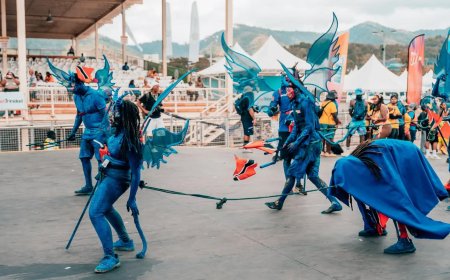
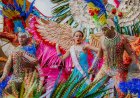
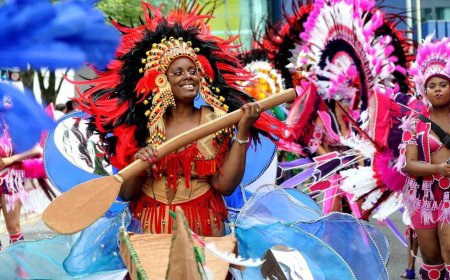
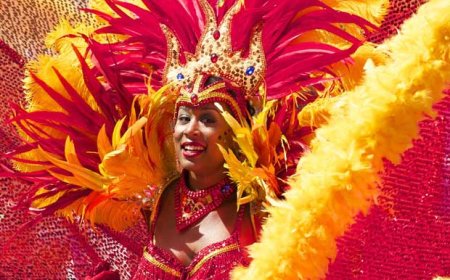
Carnival is one of the Caribbean's most recognised cultural celebrations. Although it is often viewed as a festival rather than a national holiday, many Caribbean countries designate public holidays during Carnival, allowing residents to participate in parades, music events, community gatherings, and traditional performances.
Carnival reflects centuries of cultural exchange involving African, European, Indigenous, and later Indian influences. Following the abolition of slavery, Carnival evolved into a celebration of freedom, creativity, and cultural identity. Today it is also an important economic event, attracting thousands of international visitors and supporting tourism, hospitality, transportation, and local businesses.
Public holidays during Carnival vary by country, but they usually include Carnival Monday and Carnival Tuesday. Schools, government offices, and many businesses close, while streets transform into stages for colourful parades, live music, and dance performances.
Trinidad and Tobago Carnival
Trinidad and Tobago hosts one of the world's most famous Carnival celebrations.
Although Carnival itself is not an Independence celebration, it has become a national cultural symbol. Carnival Monday and Carnival Tuesday are public holidays observed before Ash Wednesday.
The festivities include costume parades, steelpan competitions, calypso and soca music contests, masquerade bands, and community celebrations that attract visitors from around the world.
Months of preparation go into costume design, music production, dance rehearsals, and event organisation. Carnival also supports thousands of jobs in fashion, entertainment, hospitality, event management, and transportation.
For visitors, experiencing Trinidad Carnival offers an opportunity to witness one of the Caribbean's most influential cultural traditions.
Carnival in Other Caribbean Countries
Many Caribbean nations organise their own Carnival celebrations throughout the year.
Jamaica hosts Bacchanal Jamaica, Barbados celebrates the internationally known Crop Over Festival, while Saint Lucia, Grenada, Antigua and Barbuda, Saint Kitts and Nevis, Dominica, and several other islands organise annual Carnivals featuring local music, dance, and traditional costumes.
Although dates differ from island to island, these festivals often include public events, concerts, food fairs, children's parades, and cultural competitions.
Each Carnival reflects local traditions while sharing common themes of creativity, freedom, and community participation.
Crop over Festival in Barbados
Crop Over began as a celebration marking the end of the sugar cane harvest.
Today it has developed into Barbados' largest cultural festival and includes several public events held over many weeks.
Music competitions, art exhibitions, culinary festivals, street markets, and the famous Grand Kadooment parade attract both residents and international visitors.
The festival highlights Barbadian history while supporting local artists, musicians, costume designers, and food vendors.
Although modern Crop Over has evolved considerably, it continues to celebrate agricultural heritage alongside contemporary Caribbean culture.
Religious Holidays across the Caribbean
Religion plays an important role in Caribbean society.
Christianity remains the dominant faith across much of the region, although Hinduism, Islam, Judaism, Rastafari traditions, and other religions also contribute to the Caribbean's cultural diversity.
As a result, many religious holidays are recognised as public holidays.
Church services, family gatherings, community meals, and charitable activities often form central parts of these celebrations.
Christmas
Christmas is among the most widely celebrated holidays throughout the Caribbean.
While traditions differ slightly between islands, the holiday combines religious observance with family celebrations, community events, and cultural customs.
Homes are decorated weeks before Christmas Day, while churches organise concerts, nativity performances, and midnight services.
Traditional Christmas meals vary by country but commonly include roast meats, seafood, rice dishes, cakes, sorrel drinks, ginger beer, black cake, ham, and regional desserts.
Unlike colder countries, Christmas celebrations take place within a tropical climate, creating a distinctive festive atmosphere.
Tourists visiting during December often experience Christmas markets, concerts, and local festivals alongside warm weather.
Good Friday and Easter
Good Friday and Easter Monday are public holidays throughout most Caribbean countries.
Good Friday is observed as a solemn Christian holiday commemorating the crucifixion of Jesus Christ.
Many businesses close, churches hold special services, and families gather for quiet reflection.
Easter Monday often brings a more relaxed atmosphere with beach outings, family picnics, sporting events, and community gatherings.
In several islands, kite flying has become an Easter tradition enjoyed by both children and adults.
These holidays combine religious significance with opportunities for family recreation.
Diwali in Trinidad and Tobago and Guyana
The Caribbean's multicultural heritage is reflected in the celebration of Diwali.
In Trinidad and Tobago and neighbouring Guyana, Diwali is recognised as a public holiday because of the significant Indo-Caribbean population.
Families decorate homes with traditional oil lamps known as diyas, prepare festive meals, exchange gifts, and attend religious ceremonies.
Public cultural events introduce wider communities to Hindu traditions through music, dance, exhibitions, and educational programmes.
Diwali demonstrates how Caribbean societies celebrate religious diversity while promoting mutual understanding among different cultural groups.
Eid Celebrations
Muslim communities throughout several Caribbean countries celebrate Eid al-Fitr and Eid al-Adha.
Although not every island recognises these occasions as public holidays, many communities organise prayers, charitable activities, family gatherings, and cultural events.
The celebrations highlight the multicultural character of Caribbean societies where numerous religious traditions coexist peacefully.
National Heroes' Days
Several Caribbean countries dedicate public holidays to individuals who made outstanding contributions to national development.
These holidays honour political leaders, freedom fighters, educators, labour activists, and cultural pioneers whose achievements helped shape modern nations.
Schools, museums, and public institutions organise exhibitions explaining the lives and achievements of these historical figures.
National Heroes' Days encourage younger generations to understand the sacrifices that contributed to democracy, education, equality, and national identity.
Jamaica's National Heroes Day
Jamaica observes National Heroes Day each October.
The holiday honours important historical figures including Marcus Garvey, Nanny of the Maroons, Paul Bogle, George William Gordon, Norman Manley, Alexander Bustamante, and Samuel Sharpe.
Official ceremonies include wreath-laying events, award presentations, educational programmes, and cultural performances.
Schools use the occasion to teach students about leadership, courage, and national history.
National Heroes in Other Caribbean Countries
Other Caribbean nations recognise influential leaders through similar commemorations.
Antigua and Barbuda, Saint Kitts and Nevis, The Bahamas, Barbados, and several other countries honour political leaders, educators, and independence advocates who contributed to constitutional development and social progress.
Although each country celebrates different individuals, the underlying purpose remains similar: preserving national history and inspiring future generations.
Local Traditions during National Holidays
Every Caribbean island has traditions that make national holidays unique.
Families often begin the day by attending religious services or community ceremonies before gathering for large meals featuring traditional recipes passed down through generations.
Music is an essential part of nearly every celebration.
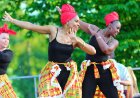
Steelpan, reggae, calypso, soca, folk songs, drumming, gospel music, and brass bands create lively atmospheres during public events.
Traditional dances, storytelling, poetry readings, and theatrical performances help preserve local heritage.
Street vendors sell regional foods while artisans display handmade crafts reflecting local culture.
These customs strengthen community connections while encouraging younger generations to appreciate their cultural heritage.
Food and National Celebrations
Food occupies a central place in Caribbean holidays.
Families prepare traditional dishes using recipes that often reflect African, European, Indigenous, Indian, Chinese, and Middle Eastern influences.
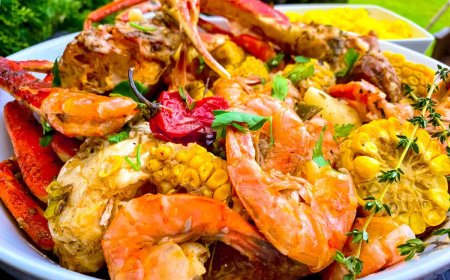
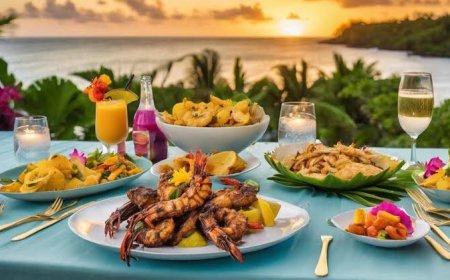
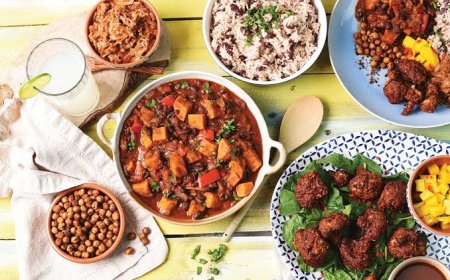
Depending on the country, holiday menus may include jerk chicken, rice and peas, flying fish, callaloo, goat curry, roti, pelau, conch dishes, saltfish, cassava bread, fresh seafood, tropical fruits, rum cake, black cake, coconut desserts, and festive beverages.
Community food festivals allow visitors to sample authentic local cuisine while supporting small businesses and local farmers.
Food becomes more than nourishment during holidays; it represents cultural identity, hospitality, and family tradition.
Music and Cultural Performances
Music defines many Caribbean public celebrations.
Official ceremonies frequently include performances by school choirs, military bands, steel orchestras, gospel groups, and folk musicians.
Carnival holidays feature soca, calypso, reggae, dancehall, and steelpan performances, while Independence celebrations often showcase patriotic songs and cultural dances.
Live performances encourage participation from all generations and help preserve traditional musical styles.
Many young artists receive valuable opportunities to perform during these national celebrations.
How National Holidays Affect Tourism
National holidays create both opportunities and practical considerations for travellers.
Visitors often experience authentic cultural events unavailable during quieter periods of the year.
Parades, concerts, food festivals, historical exhibitions, and community celebrations provide meaningful cultural experiences beyond typical sightseeing.
However, holidays can also increase visitor numbers, hotel occupancy, and transportation demand.
Flights and accommodations frequently become more expensive during major festivals such as Carnival or Independence celebrations.
Government offices, banks, and some businesses may close, so travellers should plan administrative tasks accordingly.
Restaurants, attractions, and local markets often remain busy, especially in popular tourist destinations.
Planning ahead helps visitors enjoy holiday celebrations without unnecessary inconvenience.
Travel Tips for Experiencing Caribbean National Holidays
Travellers interested in national celebrations should book flights and accommodation several months in advance, particularly for Carnival, Independence, and Christmas periods.
Learning a little about the historical meaning of the holiday enhances the travel experience and demonstrates respect for local traditions.
Visitors attending parades or outdoor festivals should wear comfortable clothing suitable for tropical weather, remain hydrated, and follow guidance from local authorities regarding road closures or event schedules.
Supporting local vendors, restaurants, musicians, and artisans helps communities benefit directly from tourism.
Photography is generally welcomed during public events, but travellers should always ask permission before taking close-up photographs of individuals, especially during religious ceremonies or community gatherings.
Participating respectfully allows visitors to enjoy celebrations while contributing positively to local communities.
The Cultural Importance of National Holidays
National holidays continue to play an essential role in preserving Caribbean identity.
They provide opportunities to remember historical struggles, celebrate political achievements, recognise cultural diversity, and strengthen community relationships.
Educational programmes organised during these occasions ensure that younger generations understand the significance of freedom, democracy, equality, and cultural heritage.
These holidays also demonstrate the Caribbean's remarkable diversity.
Although each island has its own history and traditions, common themes of resilience, creativity, family, and community unite the region.
National celebrations encourage pride while promoting mutual respect among different ethnic, religious, and cultural groups.
Looking to the Future
As Caribbean societies continue to develop, national holidays remain relevant despite changing lifestyles.
Digital media now allows younger audiences to learn about historical events through documentaries, online archives, virtual museum exhibitions, and educational campaigns.
Governments and cultural organisations increasingly promote sustainable festivals by reducing waste, encouraging recycling, supporting local artists, and preserving historical landmarks.
Tourism authorities also recognise that authentic cultural experiences have become an important reason why international visitors choose Caribbean destinations.
Balancing tourism growth with cultural preservation will help ensure these traditions continue for future generations.
Conclusion
Caribbean national holidays represent far more than days away from work or school. They commemorate the historical events, cultural traditions, and national achievements that shaped modern Caribbean societies. Independence Days celebrate political freedom, Emancipation commemorations honour resilience and the fight against slavery, Carnival showcases artistic expression and community spirit, while religious holidays and National Heroes' Days reflect the region's rich cultural and spiritual diversity.
For residents, these occasions reinforce national identity and strengthen community bonds. For travellers, they offer an opportunity to experience authentic Caribbean culture through music, dance, food, storytelling, religious ceremonies, and public celebrations that reveal the region's true character beyond its famous beaches and resorts.
Whether attending an Independence parade in Jamaica, enjoying Crop Over in Barbados, experiencing Carnival in Trinidad and Tobago, observing Emancipation Day ceremonies, or sharing Christmas traditions with local communities, visitors gain a deeper understanding of the Caribbean's remarkable history and cultural diversity. These celebrations continue to preserve the stories of the past while inspiring future generations to value freedom, heritage, unity, and community, making national holidays one of the most meaningful ways to experience life across the Caribbean.
What's Your Reaction?
 Like
0
Like
0
 Dislike
0
Dislike
0
 Love
0
Love
0
 Funny
0
Funny
0
 Angry
0
Angry
0
 Sad
0
Sad
0
 Wow
0
Wow
0