
















Resorts Offering Protected Coral Reef Tours
Resorts Offering Protected Coral Reef Tours explores how Caribbean resorts are combining snorkeling, diving and marine excursions with coral reef protection and conservation. Coral reefs are important not only for marine biodiversity but also for tourism, fisheries and coastal protection. UNEP notes that healthy reefs are closely connected to Caribbean tourism and local livelihoods. The article explains that travellers should distinguish between a resort that simply offers snorkelling and one that provides access to an official marine protected area, marine reserve or conservation program. Protected areas may have rules covering fishing, anchoring, boating, snorkelling and diving. Belize's Barrier Reef Reserve System, for example, includes seven protected areas and forms the largest reef complex in the Atlantic-Caribbean region.

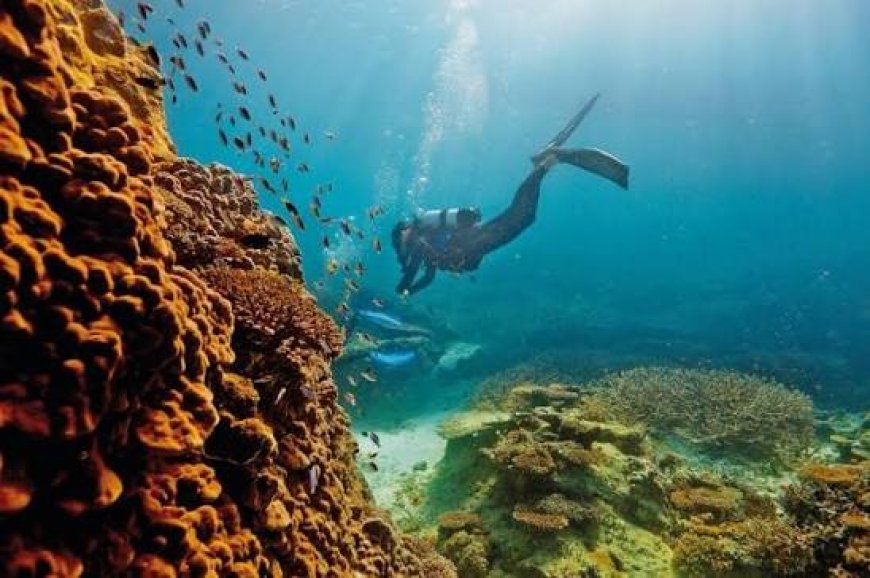
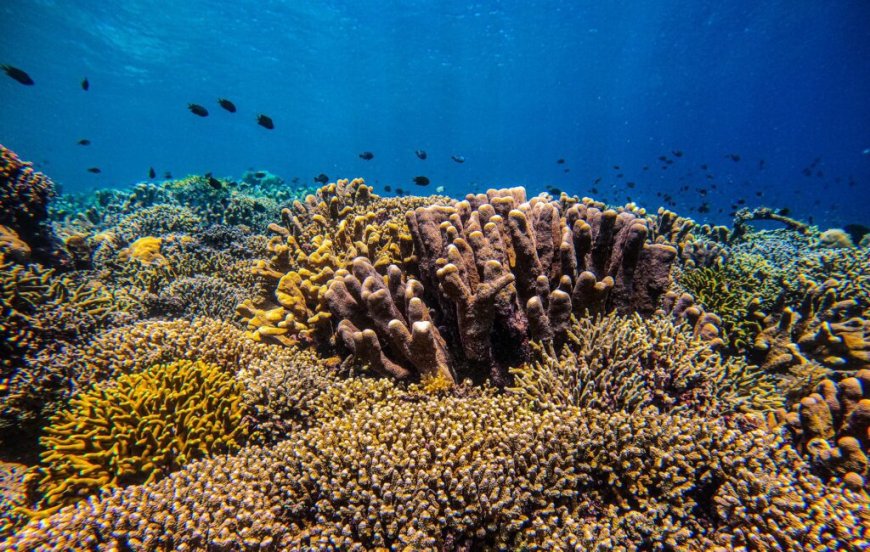
Coral reefs are one of the main reasons travelers choose the Caribbean for a beach holiday. A resort with clear water, colourful fish and easy access to a reef can turn a normal vacation into a memorable marine experience. But there is an important difference between simply offering a snorkelling trip and offering a reef experience connected to a protected marine area, conservation program or responsible tourism system.

Protected coral reef tours are becoming more relevant as Caribbean destinations try to balance tourism with marine conservation. Coral reefs support fisheries, protect coastlines from waves and storms, and generate tourism income. UNEP notes that healthy coral reefs are particularly important to the Caribbean tourism industry, which supports large numbers of local livelihoods.
For travelers, the idea is straightforward. Instead of visiting a reef without understanding its condition or protection status, you can choose a resort or tour operator that works with a marine protected area, follows reef-friendly practices, supports restoration or provides education about the ecosystem.
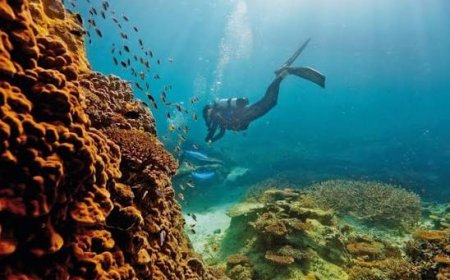
The experience can still include snorkelling, scuba diving, kayaking or glass-bottom boat tours. The difference is that the trip should be designed to reduce pressure on the reef and, where possible, contribute to its protection.
What Is a Protected Coral Reef Tour?
A protected coral reef tour usually takes visitors into or near a marine protected area, marine reserve, national park or another managed marine zone. These areas may have rules concerning fishing, anchoring, boat speeds, diving, snorkelling and other activities.
Not every reef visited by a resort is officially protected. A resort may advertise a "protected reef" because the reef is relatively healthy or because it participates in conservation work. Travelers should therefore check exactly what protection applies.
A genuine marine protected area generally has defined boundaries and management rules. Some areas prohibit fishing completely, while others allow certain activities under specific conditions.
The National Park Service, for example, manages Caribbean marine areas in Puerto Rico and the U.S. Virgin Islands. Buck Island Reef National Monument in the U.S. Virgin Islands includes a coral reef ecosystem with threatened and endangered species and is protected as a marine area.
This distinction matters because responsible travelers should understand whether their tour is entering an officially protected area or simply visiting a reef near a resort.
Why Coral Reef Protection Matters
Coral reefs occupy a very small portion of the world's oceans but support a large amount of marine biodiversity. They provide habitat, feeding areas and nursery grounds for many marine organisms.
Reefs also perform an important coastal protection function. Their structure can reduce wave energy before it reaches shore. This helps protect beaches, coastal communities and tourism infrastructure.
NOAA describes coral reefs as providing food, shelter and nursery grounds for marine species while also acting as natural breakwaters that help protect coastal communities.
The economic importance is equally relevant. Caribbean tourism depends heavily on attractive beaches and marine environments. When reefs deteriorate, the effect can extend beyond marine life to snorkelling, diving, and fishing and tourism businesses.
Why Resorts Are Becoming More Involved
Hotels and resorts have a direct economic interest in healthy marine ecosystems.
A resort located beside a healthy reef can offer snorkelling directly from the beach or organize short boat trips. If the reef becomes damaged, the resort may need to send guests farther offshore to find better sites. That means conservation can also make business sense.
UNEP, The Nature Conservancy and the Caribbean Hotel & Tourism Association developed coral reef restoration guidelines specifically for the tourism sector. The guidelines are designed to help tourism businesses become more involved in protecting and restoring Caribbean reefs.
Some resorts now support coral nurseries, marine education, reef monitoring, mooring systems or partnerships with local conservation organizations.
What Travelers Should Expect From a Good Reef Tour
A responsible reef tour should begin with a short explanation of the environment.
Guests should learn that coral is a living organism and not a rock or plant. They should understand why touching coral, standing on it or kicking it with fins can cause damage.
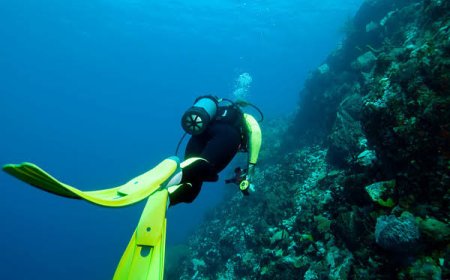
Good operators also explain how to maintain neutral buoyancy, control fins and avoid contact with the reef.
Boat operators should use designated moorings rather than dropping anchors directly onto coral. Anchoring can break coral colonies and damage reef structures.
UNEP's 2026 guidance for travelers specifically recommends choosing sustainable tourism operators and following practices that reduce physical contact and other pressure on reefs.
Marine Protected Areas in the Caribbean
The Caribbean has many marine protected areas, although their rules and management systems differ by country.
Some are located around small islands. Others cover larger coastal areas. Some protect coral reefs together with mangroves and sea grass beds.
This combined ecosystem is important because these habitats are connected. Young fish may use mangroves or sea grass before moving to reef environments as they mature.
The United Nations has emphasized that protecting coral reefs, mangroves and sea grass together can provide both biodiversity and coastal protection benefits.
For travelers, this means a protected reef tour may involve more than simply looking at coral. A guide may explain how the entire coastal ecosystem works.
Resorts in Barbados and Marine Reserve Experiences
Barbados is an interesting destination for reef-focused travelers because it has several marine conservation areas and snorkelling sites.
The Folkestone Marine Park on the west coast is one example of a protected marine area where visitors can experience coral reef and marine life.
The Nature Conservancy highlights Folkestone Marine Reserve as an example of a Caribbean location where tourists can enjoy marine recreation while supporting responsible reef tourism.
Travelers staying at nearby hotels and resorts can arrange snorkelling and glass-bottom boat experiences in the area.
The important point is to choose operators that follow local marine park rules rather than treating the reef as an unrestricted playground.
Dominica and the Soufrière-Scotts Head Marine Reserve
Dominica is another destination worth considering for travelers interested in protected marine environments.
The Soufriere Scotts Head Marine Reserve is located along the island's southwest coast and protects marine habitats around a region known for diving.
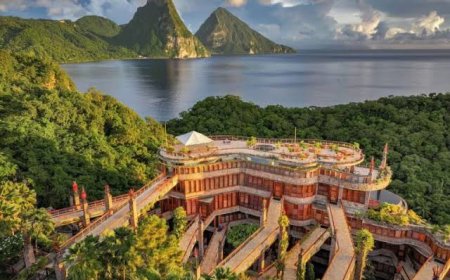
A 2026 conservation-focused diving program based at Jungle Bay Resort combines accommodation, diving and conservation activities in the marine reserve. The program includes reef exploration and sessions focused on water quality and marine protected area governance.
This is an example of how a resort stay can be combined with a conservation-focused marine experience rather than treating diving as a completely separate tourism activity.
The Bahamas and Andros Barrier Reef
The Bahamas is particularly important for reef tourism because of its extensive marine environments.
Andros Island is home to the Andros Barrier Reef, one of the largest barrier reef systems in the world.
Small Hope Bay Lodge has partnered with the Perry Institute for Marine Science for conservation-focused diving programs. A scheduled 2026 expedition combines accommodation with reef exploration and hands-on coral restoration activities.
For travelers who want more than ordinary snorkelling, programs like this demonstrate another model: visitors can stay at a small property while participating in a structured marine conservation experience.
The emphasis is not simply on seeing coral. It is on understanding the reef and contributing to restoration work.
Why Smaller Resorts Can Offer Different Experiences
Large all-inclusive resorts can provide convenient access to snorkelling and diving, but smaller eco-lodges sometimes offer a more focused conservation experience.
A small property may work directly with a local marine biologist, dive centre or conservation organization. The guest experience may involve fewer people and longer educational sessions.
This does not mean that smaller resorts are automatically more sustainable. Travelers should look at actual practices rather than relying on labels such as "eco," "green" or "nature resort."
Coral Nurseries and Restoration Tours
Coral restoration is becoming one of the more interesting experiences available to marine-focused travelers.
A coral nursery grows coral fragments under controlled conditions before they are eventually transplanted onto damaged reef areas.
Some tourism programs allow visitors to see nurseries or participate in carefully supervised activities.
UNEP's 2026 guidance notes that some tourism businesses provide opportunities for guests to visit coral nurseries or participate in programs such as symbolic coral adoption.
However, travelers should understand that coral restoration is not a replacement for protecting existing reefs.
Preventing pollution, reducing physical damage and addressing climate pressures remain essential.
What Makes a Reef Tour Responsible?
A responsible reef tour should minimize physical contact with coral. The guide should explain proper snorkelling behaviour before guests enter the water. Boats should avoid anchoring directly on reef structures. Group sizes should be appropriate for the site, and visitors should not chase marine animals for photographs. Wildlife should be observed rather than handled.
Feeding fish can also alter natural behaviour and should only occur where specifically permitted under a managed conservation program.
The goal is simple: visitors should leave the reef in essentially the same condition in which they found it.
Green Fins and Reef-Friendly Tourism
Travelers can also look for operators that follow recognized responsible-diving standards.
The Green Fins initiative is one example. It works with dive and snorkel operators to reduce the environmental impacts associated with marine tourism.
The Nature Conservancy recommends choosing sustainable tourism operators and points travelers toward programs such as Green Fins when available.
Not every Caribbean destination has the same level of participation, so travelers should check what is available at their chosen destination.
Why Tourists Should Not Touch Coral
One of the simplest rules of reef tourism is also one of the most important: do not touch the coral.
Coral colonies can be damaged by physical contact. Even a person who touches coral briefly can break fragile structures or remove protective tissue.
Standing on coral while trying to take a photograph is especially harmful because body weight can break colonies. Experienced guides should make this clear before every tour.
Sunscreen and Reef Protection
Sunscreen is another issue frequently discussed in reef tourism. Travelers should follow local regulations regarding sunscreen and marine activities. Where appropriate, using protective clothing such as rash guards can reduce the amount of sunscreen needed.
However, travelers should avoid treating any product labeled "reef safe" as automatically harmless. Environmental impacts depend on ingredients, concentrations and conditions.
The most reliable approach is to reduce unnecessary chemical exposure and follow the specific guidance provided by local marine authorities and tour operators.
Choosing a Resort Near a Protected Reef
- When comparing resorts, travelers should look beyond photographs of the beach.
- Check whether the resort offers direct access to a protected marine area.
- Find out whether snorkelling is guided or self-directed.
- Ask whether the resort has a marine conservation partnership.
- Check whether equipment is included.
- Find out whether the resort uses mooring buoys to prevent anchor damage.
- Ask whether reef restoration or monitoring is part of the resort's activities.
- These questions can reveal whether conservation is part of the resort's operation or simply part of its marketing.
Snorkelling from the Beach versus Boat Tours
Both options can be good, but they provide different experiences. A house reef allows guests to snorkel without taking a boat. This can be convenient because visitors can choose their own time and spend short periods in the water. However, a house reef can experience heavy visitor pressure if hundreds of guests use the same area.
Boat tours can take visitors to larger or less crowded reef systems, but boats create their own environmental pressures. A good operator should manage both the number of visitors and how boats interact with the marine environment.
Group Size Matters
Large groups can create more physical pressure on shallow reefs. When many swimmers enter the water at the same time, the chances of accidental contact increase. Smaller groups can make it easier for guides to monitor participants and explain marine life.
This does not mean every small-group tour is responsible or every large tour is harmful. The actual management system matters more than group size alone. Still, group size is a useful question to ask when booking.
The Role of Local Guides
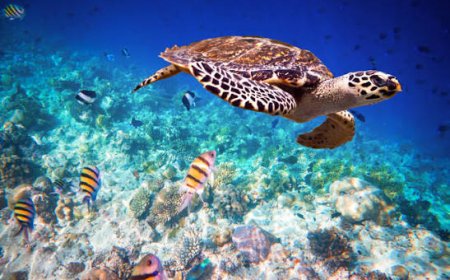
Local guides can add considerable value to reef tours. They often know which areas have healthy coral, where turtles or rays are commonly seen and which zones are closed for conservation. They can also explain local fishing traditions and how communities depend on marine resources. This creates a stronger connection between tourism and local economies.
A reef tour should not be presented only as entertainment. It can also be an opportunity to understand how local communities interact with the sea.
Supporting Local Marine Conservation
Travelers can contribute to reef protection by choosing businesses that support local conservation.
This can include resorts that finance reef monitoring, dive shops that participate in restoration programs or marine parks that use visitor fees for management. The key is transparency.
A resort should be able to explain what its conservation contribution actually supports.
Statements such as "we care about the ocean" are less useful than specific information about monitoring, restoration, waste reduction or marine education.
Coral Reefs and Climate Change
Climate change is one of the biggest challenges facing coral reefs. Higher ocean temperatures can cause coral bleaching. During bleaching, corals lose the algae that provide much of their energy and coloration. Severe or prolonged bleaching can cause coral death.
UNEP warned in its April 2026 reef tourism guidance that warm-water corals face severe long-term pressure from climate change, pollution and unsustainable use.
This is important for travelers because a reef can look different from photographs taken several years earlier. A responsible resort should not promise visitors a specific number of fish or a particular coral landscape. Marine ecosystems naturally change.
Tourism Can Help or Hurt Reefs
Tourism has two sides. Visitors create demand for healthy reefs, which can generate money for conservation. But large numbers of visitors can also create pressure through boat traffic, anchors, physical contact, pollution and coastal development. The tourism industry therefore has a responsibility to reduce its environmental footprint.
The Caribbean Hotel & Tourism Association's involvement in UNEP's coral restoration guidelines reflects the growing recognition that tourism businesses need to participate in reef protection.
Why Marine Protection Can Benefit Resorts
A healthy protected reef can provide a long-term tourism advantage. Guests may be more interested in a destination where they can see diverse marine life without travelling long distances.
Protected areas can also help manage fishing and other activities, potentially supporting healthier fish populations. This creates a connection between conservation and tourism economics.
The Nature Conservancy notes that coral reefs support tourism and local livelihoods while also providing important coastal protection.
Coral Tourism in Barbados
Barbados demonstrates how marine tourism and conservation can overlap. The island's marine environments attract snorkelers, divers, glass-bottom boat passengers and other visitors.
Folkestone Marine Reserve is one example of a protected environment where visitors can experience marine life while following conservation rules. A traveler staying at a nearby resort can combine a beach holiday with an educational reef tour.
The best experience is one where the guide explains the marine environment rather than simply taking guests to the water and leaving them to explore without instruction.
Reef Tourism in the U.S. Virgin Islands
The U.S. Virgin Islands also offer protected reef environments. The National Park Service manages marine areas that include coral reef habitats and other coastal ecosystems. Buck Island is particularly significant because its surrounding reef ecosystem includes endangered and threatened species.
Visitors can explore these environments through permitted snorkelling and boating activities. Because protected areas have specific rules, travelers should follow instructions from park staff and tour operators.
The Mesoamerican Reef and Caribbean Mexico
The Caribbean coast of Mexico is part of the Mesoamerican Reef system, one of the region's major marine ecosystems. This area demonstrates why responsible tourism planning matters.
In 2026, Mexican authorities rejected the proposed Royal Caribbean "Perfect Day Mexico" project at Mahahual following environmental and community concerns. The area is near the Mesoamerican Reef and contains sensitive ecosystems including mangroves and sea turtle nesting habitat.
The case shows that reef protection is not simply about individual snorkelling behaviour. Large tourism developments can also affect marine environments through construction, wastewater, coastal modification and increased visitor numbers.
What a Resort Conservation Program Should Include
A strong resort reef program can involve several connected activities. The resort may monitor reef conditions, support coral nurseries, use mooring buoys, control wastewater, reduce plastic waste and educate guests. It may also work with local marine parks, universities or conservation organizations. No single activity proves that a resort is environmentally responsible. Travelers should look for a broader system.
Avoiding Green washing
Green washing occurs when a company presents itself as environmentally responsible without providing meaningful evidence.
- A resort might use photographs of coral reefs in its marketing while contributing little to their protection.
- This is why travelers should look for measurable information.
- Ask who manages the conservation program.
- Ask how long it has existed.
- Ask whether the resort works with a recognized organization.
- Ask whether guests can learn about the project.
- Ask where conservation fees go.
- Specific answers are more useful than general sustainability statements.
What to Pack for a Reef Tour
Travelers should keep their equipment simple. A well-fitting mask is important because a poor fit can cause leaks and make snorkelling uncomfortable. Fins should fit securely without being excessively tight. A rash guard can provide sun protection and reduce the need for sunscreen. A reusable water bottle helps reduce single-use plastic.
If using an underwater camera, travelers should maintain enough distance from coral and avoid touching the reef to stabilize the camera. Photography should never take priority over reef safety.
Responsible Underwater Photography
- Photographers often want to get close to coral and marine animals for better images.
- This can create problems if the photographer touches the reef or blocks an animal's natural movement.
- Use buoyancy control rather than coral as a handhold.
- Do not move coral, shells or other marine organisms for a better photograph.
- Avoid chasing turtles, rays or fish.
- A good underwater photograph should document natural behaviour rather than create it.
What Families Should Know
- Protected reef tours can be excellent family activities, but children need clear instructions.
- Parents should explain that coral is alive and should not be touched.
- Children should remain close to the guide and avoid standing on the reef.
- For younger children, a glass-bottom boat can provide an alternative to snorkelling.
- This can reduce physical contact while still allowing children to observe marine life.
Beginner Divers Can Participate
- Travelers do not need advanced diving qualifications to learn about coral conservation.
- Many resorts and dive centres offer introductory experiences for beginners.
- Some conservation-focused programs combine basic diving instruction with marine education.
- Beginners should choose operators that emphasize safety and environmental responsibility.
- A guide should never encourage inexperienced divers to swim beyond their ability simply to reach a particular reef.
Protected Reef Tours Are Not Always Luxury Experiences
- The concept is sometimes associated with expensive eco-resorts, but protected reef experiences exist at different price levels.
- A traveler staying at a modest hotel may be able to book a local marine park excursion.
- A family can choose a glass-bottom boat.
- A snorkeler can join a small community-run tour.
- A diver can book a conservation-focused program.
- The important factor is not the price of the resort. It is how the marine experience is managed.
A Conservation-Focused Resort Holiday
For travelers who want their entire vacation to have a marine focus, some resorts and eco-lodges combine accommodation, diving and conservation.
Jungle Bay in Dominica is one current example through its 2026 CORAL program, which combines an all-inclusive stay with diving in the Soufrière-Scotts Head Marine Reserve and conservation education.
Small Hope Bay Lodge in Andros is another example through its partnership with the Perry Institute for Marine Science for a 2026 reef-restoration expedition.
These programs are particularly suitable for travelers who want conservation to be part of the main purpose of their trip.
How to Compare Reef Resorts
When comparing resorts, look at the actual marine experience rather than simply the number of activities listed.
A resort offering "snorkeling" may only provide equipment and access to an ordinary beach.
Another resort may offer guided trips into a marine reserve, conservation talks and access to a coral nursery. The second option may be more valuable for travelers specifically interested in reef protection.
Consider the location, reef condition, protected-area status, conservation partnerships, tour group size, guide training and equipment.
The Future of Protected Coral Reef Tourism
Protected reef tourism is likely to become increasingly important as Caribbean destinations face pressure from climate change, coastal development and rising visitor numbers.
The Eastern Caribbean has already recognized the economic importance of protecting coastlines and marine ecosystems. In 2026, the Organisation of Eastern Caribbean States emphasized that coastal protection is an economic priority because tourism depends heavily on healthy coastal environments.
The future will likely involve more marine protected areas, stronger tourism regulations, coral restoration programs and partnerships between resorts, governments, researchers and local communities.
Travelers will also play a role through their spending decisions. When visitors choose responsible operators, they send a clear market signal that reef conservation matters.
What's Your Reaction?
 Like
0
Like
0
 Dislike
0
Dislike
0
 Love
0
Love
0
 Funny
0
Funny
0
 Angry
0
Angry
0
 Sad
0
Sad
0
 Wow
0
Wow
0