





















How Climate Risk Affects Property Values
How Climate Risk Affects Property Values explains how climate change is becoming an important factor in real-estate prices, investment decisions and long-term property ownership. Flooding, hurricanes, coastal erosion, sea-level rise, extreme rainfall, heat and water shortages can affect a property's physical condition as well as its insurance, maintenance, financing, rental income and resale potential. Recent 2026 research reviewing 130 studies found that physical climate risks, particularly coastal and river flooding, are increasingly being studied in relation to real-estate values. The research also highlights that climate risk is not reflected equally in every market because information availability, location and buyer awareness influence how quickly prices respond.


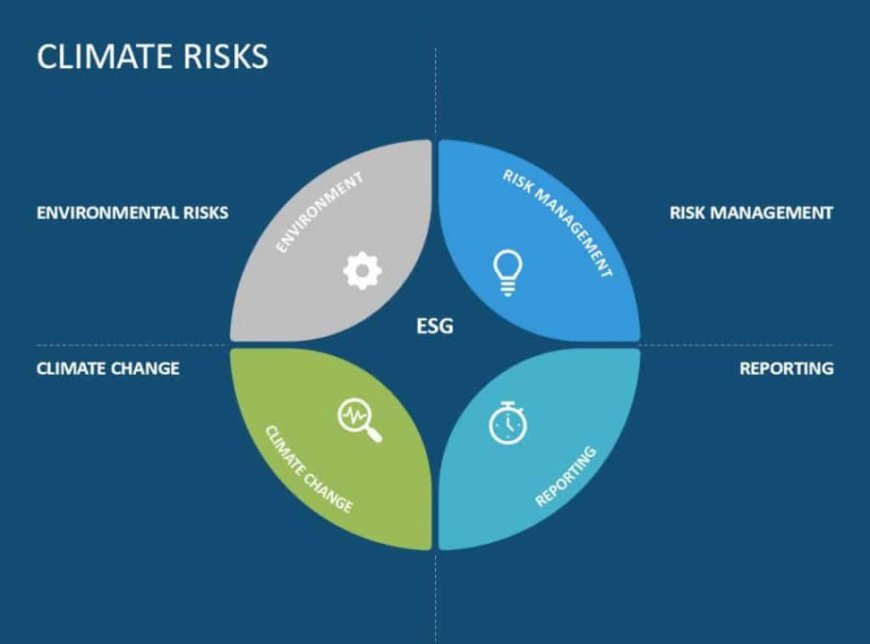
Climate risk is becoming an important part of the real-estate market. In the past, buyers usually focused on location, size, and construction quality, views, nearby facilities, rental income and the expected resale price of a property. Those factors still matter, but another question is becoming increasingly important: How exposed is this property to climate-related risks, and what will that exposure cost the owner in the future?

Flooding, hurricanes, coastal erosion, sea-level rise, extreme rainfall, heat, drought and water shortages can all influence the financial performance of property. The effect is not always immediate. Sometimes a property loses value after direct physical damage. In other cases, the effect appears through higher insurance premiums, expensive maintenance, and more difficult mortgage financing or reduced demand from future buyers.
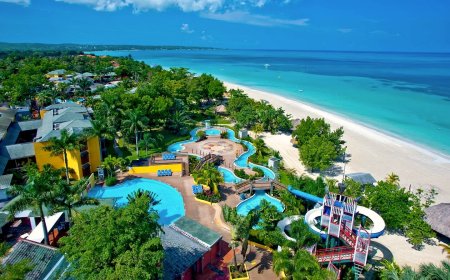
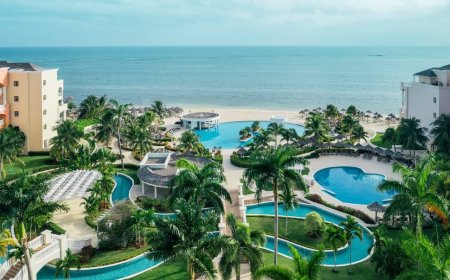
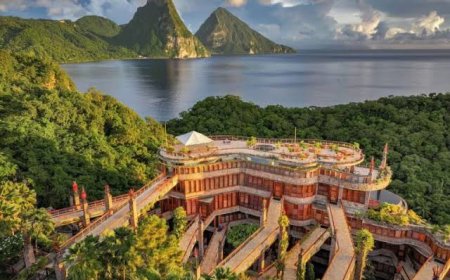
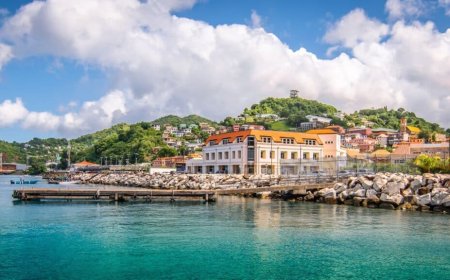
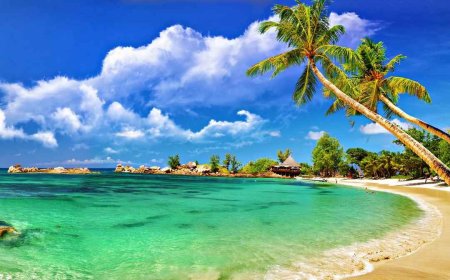
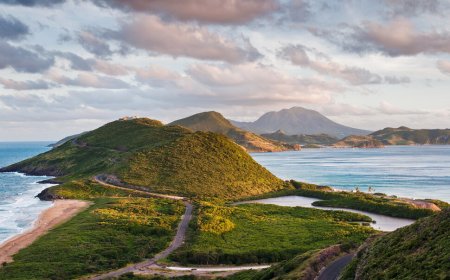
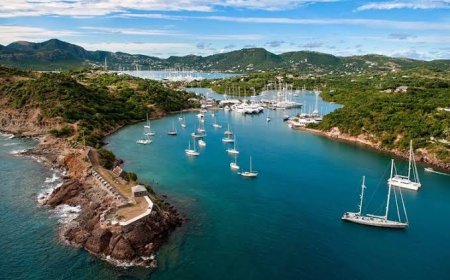
This issue is particularly relevant to Caribbean real estate. Many homes, hotels, resorts, apartments and commercial properties are located close to the coast because beaches and ocean views are major parts of the region's tourism and property markets. At the same time, Caribbean countries face exposure to hurricanes, storm surge, heavy rainfall, flooding and other hazards. Research published in 2026 reported that Caribbean nations experienced about $53.2 billion in damage from climate-fuelled disasters between 2000 and 2024.
Climate risk does not mean that every coastal property will lose value. A modern, well-maintained property on higher ground with strong construction and good drainage can have a very different risk profile from an older building in a low-lying flood-prone location. The important point for buyers and investors is that climate exposure is becoming part of the financial calculation of property ownership.
What Climate Risk Means for Property Owners
Climate risk in real estate refers to the possibility that climate-related events or long-term environmental changes will damage a property, increase its operating costs or reduce its future market appeal. Some risks happen suddenly. A hurricane, flash flood or storm surge can cause significant damage within hours. Other risks develop over many years. Coastal erosion and sea-level rise are examples of slower changes that can gradually affect land and buildings.
There is also a financial side to climate risk. A house may never experience serious physical damage, but its owner could still face higher insurance premiums. A landlord may have more expensive maintenance requirements. A hotel may lose bookings after a major storm. A buyer may have difficulty obtaining a mortgage if insurance is unavailable or too expensive.
This is why climate risk should not be understood simply as "Will the building is destroyed?" The better question is, how can climate conditions affect the complete financial life of the property?
Recent research continues to find evidence that physical climate risks can become reflected in real-estate valuations. A 2026 review of research into climate risk and property valuation found that climate-related hazards can influence property markets through physical damage, insurance, buyer perceptions and other financial channels.
Location Is More Important Than Ever
Location has always been one of the most important factors in real estate. Climate risk makes location even more important because two properties in the same city can have very different levels of exposure.
A house directly beside the ocean may face storm surge and coastal erosion risks that do not affect a house several kilometres inland. A property on elevated ground may have less flood exposure than one in a low-lying area. A house near a river or drainage channel may have a different risk profile from a property on higher ground only a short distance away.
This means buyers should avoid making decisions based only on the reputation of an island, city or neighbourhood. Climate risk needs to be assessed at the property level.
Elevation, distance from the coast, flood history, drainage, surrounding development, road access and local infrastructure can all matter. Even properties with similar prices and floor areas can have very different long-term costs.
Hurricanes and Property Values
Hurricanes are among the clearest examples of how climate risk can affect property markets in the Caribbean. A major hurricane can damage roofs, windows, walls, electrical systems, landscaping and other parts of a property. But the financial consequences can continue long after the storm has passed.
A property may need months of repairs. Rental income can stop during reconstruction. Insurance claims may take time to settle. Roads, electricity, water supplies and telecommunications can also be disrupted.
For tourism properties, the problem can become even larger. A hotel or vacation rental may be physically repaired but still experience reduced bookings if tourists believe the destination has not fully recovered.
The property market can therefore respond to both actual damage and perceived future risk.
Current insurance research also shows why the location of exposure matters. Insurers are increasingly using detailed property-level catastrophe models rather than relying only on historical storm counts. Reuters reported in July 2026 that insurers are paying greater attention to where storms make landfall, the value of properties in exposed areas and changing climate-related risks.
Flood Risk Can Reduce Property Demand
Flooding is another major factor in property valuation. Coastal flooding can occur during storm surge, but inland flooding can also happen because of heavy rainfall, rivers, poor drainage or rapid urban development.
A property does not have to have flooded previously for buyers to become concerned. If official maps or local information show that a property is in a flood-prone area, buyers may demand a discount or choose another property.
The financial impact can also come through insurance. If insurers charge more for flood-prone properties, the annual cost of ownership rises. If coverage becomes difficult to obtain, the property can become less attractive to buyers who require insurance.
For investors, this means that flood risk should be included in calculations of total ownership costs rather than treated as a separate environmental issue.
Sea-Level Rise and Coastal Property
Sea-level rise is especially important for beachfront real estate because its effects can develop gradually.
A beachfront property may remain highly desirable for years, but rising sea levels can increase the frequency of coastal flooding and make storm surge more damaging. Coastal erosion can also reduce the amount of usable land between a building and the water.
This creates a difficult situation for property owners. The same ocean view that makes a property valuable today can also make it more exposed to future climate risks.
Investors with a long holding period need to think beyond today's conditions. A property being safe and attractive in 2026 does not necessarily mean that its risk profile will remain unchanged over the next 20 or 30 years.
Coastal Erosion Can Affect the Land Itself
Flooding may disappear when the water recedes, but coastal erosion can permanently change the coastline.
If a beach becomes narrower or the shoreline moves inland, the amount of land available around a property may decline. This can affect privacy, access, landscaping and the overall appeal of the property.
Some owners use seawalls and other coastal defences, but these can be expensive and may require regulatory approval. They can also have consequences for nearby properties and coastal ecosystems.
For anyone considering beachfront land, it is therefore important to investigate whether the coastline has historically been stable and what local authorities allow property owners to do if erosion becomes a problem.
Insurance Is a Direct Link between Climate Risk and Property Value
Insurance may be one of the most important ways climate risk reaches the property market.
When insurers see greater exposure to hurricanes, flooding or other disasters, they can increase premiums, raise deductibles, reduce coverage or impose additional conditions. In some circumstances, coverage can become difficult to obtain. This directly affects the cost of owning property.
The IMF has identified property-insurance affordability as a growing challenge in the Eastern Caribbean Currency Union. Its analysis found that tighter global reinsurance conditions have been passed through to local insurance markets and have contributed to affordability and coverage problems.
For a property investor, a low purchase price does not necessarily mean a low-cost investment. If annual insurance costs are significantly higher than expected, the property's total return can be reduced.
The Insurance Problem in the Caribbean
Caribbean property markets are particularly dependent on insurance because individual countries often have limited financial capacity to absorb very large disaster losses.
The IMF notes that local insurers in the Eastern Caribbean rely heavily on global reinsurance because weather-related risks can be highly concentrated across small island economies.
This creates a chain of financial effects. A major catastrophe increases losses for insurers. Reinsurance costs can rise. Local insurers may then adjust premiums or coverage. Property owners pay more, and some may decide to reduce coverage. This can eventually influence property demand.
A buyer who knows that insurance will cost significantly more may reduce the amount they are willing to pay for the property.
Underinsurance Creates another Problem
Higher insurance costs can encourage property owners to reduce their coverage or accept larger deductibles.
This can lower annual expenses, but it increases financial exposure after a disaster.
An underinsured property can also become less attractive to buyers. A buyer may be willing to purchase a property only if adequate insurance can be obtained at a reasonable price.
The IMF has warned that rising insurance costs can worsen existing non-insurance and underinsurance problems in Caribbean markets.
This makes insurance availability an important part of property due diligence.
Climate Risk Can Affect Mortgage Financing
Banks also care about climate risk because a property is often the security for a mortgage.
If a property is badly damaged, loses value or becomes difficult to insure, the lender's collateral can become less secure.
This does not mean banks automatically reject properties in climate-exposed areas. However, insurance availability, property condition and location can become important parts of the lending decision.
A buyer should therefore find out about insurance and financing before committing to a purchase.
A property that looks affordable may become much less attractive if the lender requires expensive insurance or additional conditions.
Maintenance Costs Can Increase
Climate exposure can increase property expenses even when no major disaster occurs.
Coastal properties are exposed to salt and moisture, which can contribute to corrosion and deterioration of some building components. Properties in hurricane-prone locations may need stronger roofing, storm shutters, impact-resistant windows and regular inspections.
Flood-prone properties may require improved drainage, pumps, waterproofing or elevated electrical equipment.
These improvements cost money, but they can also reduce future losses.
For buyers, the correct question is not simply, "How much does this property cost?" It is, "How much will it cost to keep this property safe and functional?"
Resilient Buildings May Perform Better
Climate risk does not affect all buildings equally. A property designed or upgraded for local hazards may experience less damage during an extreme event than an older property that has not been maintained.
Roof reinforcement, storm-resistant windows, improved drainage, elevated equipment, backup power and water-storage systems can all contribute to resilience depending on the local hazard.
Resilience does not eliminate risk. It can, however, reduce potential damage and improve the property's ability to recover.
CBRE reported in April 2026 that rising climate risks can increase insurance costs and reduce insurability, while investment in mitigation and resilience can help address these pressures.
Infrastructure Can Matter as Much as the Property
A strong building is not enough if the surrounding community is highly vulnerable.
Consider a house that survives a hurricane with only minor damage. If the road leading to the property is flooded, electricity is unavailable and water service is interrupted, the owner can still experience major disruption. For vacation rentals and hotels, this can directly affect business.
Drainage systems, roads, bridges, power networks, water supplies and telecommunications therefore contribute to the effective value of a property. Investors should look beyond the building itself and examine the resilience of the neighbourhood.
Tourism Properties Face Special Risks
Climate risk is particularly important for hotels, resorts, villas and vacation apartments because their income depends on tourism.
A hurricane can produce three financial problems at the same time: physical damage, repair expenses and lost bookings.
Even when a property reopens quickly, tourists may cancel trips if they believe the destination is unsafe or infrastructure has not recovered.
For a property purchased primarily as a vacation rental, climate risk should therefore be evaluated using both property damage scenarios and tourism-revenue scenarios.
A property with strong construction but poor access to airports, roads or utilities may still experience prolonged financial disruption.
Climate Risk Can Change Buyer Preferences
Property markets are influenced by changing buyer preferences. If more buyers become concerned about flooding, demand may shift toward properties on higher ground. If insurance becomes expensive near the coast, buyers may prefer properties farther inland. If extreme heat increases cooling costs, energy-efficient homes may become more attractive. If water shortages become more common, properties with reliable water storage and efficient systems may receive greater attention.
These changes can happen gradually, but they can influence property values over time. Climate Risk Can Create a Price Difference between Similar Properties. Imagine two houses with the same number of bedrooms and similar finishes. One is on higher ground, has good drainage and was built to stronger storm standards. The other is low-lying, has a history of flooding and requires expensive insurance. If climate risk is ignored, the two properties may appear similarly valuable.
If buyers start paying closer attention to climate exposure, the second property may require a discount to attract buyers. This is one way climate risk can become incorporated into market prices.
The change does not necessarily happen immediately after a scientific report. It can occur when buyers, insurers, banks and investors begin acting on the information.
Climate Risk Can Affect Rental Income
Property investors should consider climate risk in rental calculations. A vacation rental may experience cancellations during severe weather. A property may also remain empty while repairs are being completed. Long-term rentals can experience different effects, particularly if infrastructure problems make the area less convenient. When rental income falls while insurance and maintenance costs rise, the property's net operating income can decline. Lower income can then reduce what investors are willing to pay.
Historical Property Appreciation Is Not Enough
A common way to evaluate real estate is to examine past price growth. But historical appreciation does not guarantee future performance. A coastal property may have increased in value for 15 years because tourism demand was strong and insurance costs were manageable.
The future may be different if insurance becomes more expensive, climate risks become better understood or buyers become more cautious. Investors should therefore combine historical price data with forward-looking climate and financial analysis.
Climate Adaptation Can Protect Property Value
Adaptation means reducing the property's exposure to climate-related hazards. At the building level, this can include roof improvements, drainage upgrades, storm-resistant windows, elevated equipment and backup power. At the community level, adaptation can involve better drainage, stronger roads, coastal protection, and mangrove restoration and improved emergency systems.
Adaptation can require significant upfront investment, but it can also reduce future damage and operating costs. The key is to determine whether the investment is appropriate for the property's actual risk.
Energy Efficiency Is Becoming More Relevant
Climate risk is not only about hurricanes and flooding. Heat can also affect property operating costs. In warm Caribbean climates, cooling can be an important expense. Efficient air-conditioning systems, insulation, shading, ventilation and solar power can help reduce electricity use. Some properties are also adding battery storage and other backup systems.
These features do not automatically increase property value by a specific amount, but they can improve the property's operating efficiency and resilience. For buyers comparing similar homes, lower expected energy costs can become part of the decision.
Barbados Shows the Insurance Protection Gap
Barbados provides a useful example of how climate risk is being examined by financial regulators. The Barbados Financial Services Commission reported a significant protection gap for property catastrophe coverage, with particular concerns for some tourism-related properties and risks such as storm surge and wind events.
A protection gap means that economic losses can exceed the amount of insurance coverage available. For property investors, this matters because the existence of an insurance market does not necessarily mean every possible loss is fully covered. Understanding exclusions, limits and deductibles is essential.
The Caribbean's Overall Financial Exposure Is Significant
The scale of climate-related losses across the Caribbean shows why this is becoming a property-market issue rather than simply an environmental issue.
Research reported in July 2026 estimated $53.2 billion in climate-related disaster damage across Caribbean countries between 2000 and 2024.
These losses affect homes and businesses, but they also affect roads, utilities, tourism infrastructure and public finances. When infrastructure is damaged repeatedly, governments and communities face higher reconstruction costs. That can influence the long-term attractiveness and economic performance of particular areas.
Jamaica Demonstrates the Importance of Resilience
Jamaica provides a useful case study because the country has experienced major hurricane impacts and has also been examining resilience at the national level. The severe 2025 hurricane season caused substantial damage across Jamaica, with recent research reporting billions of dollars in losses.
For property owners, events like these highlight the importance of construction quality, insurance, emergency planning and infrastructure. The lesson is not that Jamaican property is automatically a poor investment. Instead, it shows why investors need to distinguish between individual properties and examine their specific exposure.
Developers Have to Consider Climate Risk Earlier
- Climate risk is also changing the way developers think about new projects.
- A developer choosing a site must consider elevation, drainage, coastal setbacks, construction standards and access to infrastructure.
- A development that looks inexpensive because the land is cheap may become expensive if significant flood protection or drainage work is required.
- Conversely, a site with better natural protection may cost more initially but require less adaptation.
- Climate risk therefore becomes part of the development feasibility calculation.
Climate Risk Can Create Investment Opportunities
Climate risk is not only a negative factor. It can create opportunities for investors who understand resilience. An older property may be purchased at a reasonable price and upgraded with better drainage, stronger roofing, energy-efficient systems and other appropriate improvements. A resilient property may then become more attractive to tenants, buyers and insurers.
However, investors should calculate the cost of improvements carefully. Spending money on a feature that does not address the property's actual risk will not necessarily increase its value.
What Buyers Should Check Before Purchasing
Before buying property in a climate-exposed area, buyers should investigate the property's elevation and proximity to the sea, rivers and drainage channels.
They should check whether the property has experienced flooding or storm damage in the past and ask for repair records where available.
The building should be professionally inspected, particularly the roof, windows, foundation, drainage and electrical systems.
Insurance should be investigated before the purchase is finalized. Buyers should request an actual quotation and ask specifically about hurricane, wind, flood and other relevant coverage.
The surrounding infrastructure should also be considered. Road access, electricity, water and telecommunications can determine how quickly a property can recover after a major event.
Do Not Depend Only on the Seller
A seller may provide useful information, but buyers should verify important climate-risk claims independently. Insurance companies, building inspectors, engineers, local authorities and experienced property professionals can provide different pieces of the picture. Official flood or hazard information should also be checked where available.
Local residents and property managers can sometimes provide practical information about recurring flooding, drainage problems and power interruptions that may not be obvious during a short property viewing.
Climate Risk Should Be Included in Property Valuation
Traditional valuation methods often focus on comparable sales, location, size, building condition and income potential. Climate risk adds another layer. A property valuation may increasingly need to consider flood exposure, hurricane risk, insurance availability, adaptation features, infrastructure and expected future operating costs. This does not mean that every property needs a complicated climate model.
It means that material risks should not be ignored simply because they are environmental rather than financial. If a risk can increase expenses or reduce future demand, it has financial relevance.
Future Buyers May Be More Climate-Aware
A property purchased today will eventually be sold to someone else. That future buyer may have access to more detailed climate maps, insurance data and property-level risk information than today's buyer. This creates an important long-term consideration. A property that seems attractive today because of its low purchase price may become harder to sell if insurance becomes expensive or flood exposure becomes more widely recognized.
On the other hand, a property that has documented resilience improvements may be easier to market because future buyers can see what has already been done.
Climate Risk Does Not Affect Every Property in the Same Way
There is no universal percentage by which climate risk reduces property value. The impact depends on the hazard, location, and building, market and time period. A coastal property with a beautiful view may continue to command a premium despite higher exposure. A property that repeatedly floods may face much greater pressure.
A well-insured and resilient property may perform better than an otherwise similar property with poor insurance coverage. This is why broad claims about "climate-proof" or "climate-risky" markets should be treated carefully. The details matter.
Insurance Can Act as an Early Warning Signal
Insurance markets can provide useful information about how professionals assess risk. If premiums increase sharply, deductibles rise or insurers reduce coverage in a particular location, buyers should investigate why. This does not automatically mean property prices will fall.
It does mean the expected cost of owning the property has changed.
CBRE's 2026 analysis specifically linked increasing climate risk with higher insurance costs, reduced insurability and potential pressure on high-risk property values.
Insurance should therefore be considered part of property valuation rather than simply an annual administrative expense.
The Importance of Long-Term Thinking
- Climate risk becomes particularly important for buyers who plan to hold property for decades.
- A short-term investor may focus primarily on today's price and expected rental income.
- A long-term owner needs to consider how insurance, maintenance, infrastructure and buyer preferences could change.
- The question should not be simply, "Is this property safe today?"
- Instead, investors should ask, "Will this property remain financially viable as climate-related costs and risks change?" That question can lead to better investment decisions.
A Practical Way to Compare Properties
When comparing two properties, buyers can create a simple climate-risk comparison. Look at elevation, flood history, distance from the coast, hurricane exposure, insurance cost, construction quality, drainage, backup systems and access to essential infrastructure.
Then compare the purchase price and expected rental income. A property with a slightly higher purchase price may actually be the better investment if it has significantly lower insurance and maintenance costs. Similarly, a cheaper property may not be a bargain if it requires extensive resilience improvements.
Climate Risk and Resale Value
Resale value is especially important because climate risk is not only about today's buyer. The next buyer will also assess the property. If climate risk becomes more visible in the market, properties with repeated damage, high insurance costs or poor infrastructure could face stronger price pressure. Properties with good records of maintenance and resilience may be easier to sell.
This means owners can potentially protect future resale value by investing in sensible improvements today.
The Role of Government Policy
- Government policies can significantly influence property values in climate-exposed areas.
- Building codes can require stronger construction.
- Zoning rules can restrict development in high-risk areas.
- Coastal regulations can limit certain types of construction.
- Government investment can improve drainage, roads, utilities and coastal protection.
- These policies can increase costs for some developments but may also improve long-term resilience.
- Property investors should therefore follow local planning and infrastructure policies rather than evaluating climate risk only through weather forecasts.
What Climate Risk Means for Caribbean Property Investors
For Caribbean investors, climate risk should now be treated as part of the normal property-investment analysis. The Caribbean remains an important tourism and real-estate market, and climate exposure does not eliminate investment opportunities. But investors need to be more selective.
A property should be assessed not only for its beach access or rental potential but also for its insurance, construction, elevation, drainage, infrastructure and ability to recover after extreme weather. This approach is especially important for high-value beachfront homes, resorts, hotels and vacation-rental developments.
What's Your Reaction?
 Like
0
Like
0
 Dislike
0
Dislike
0
 Love
0
Love
0
 Funny
0
Funny
0
 Angry
0
Angry
0
 Sad
0
Sad
0
 Wow
0
Wow
0