


















Caribbean Cooking Schools Worth Visiting
Caribbean Cooking Schools Worth Visiting explores how cooking classes can give travellers a deeper understanding of Caribbean culture, history and local ingredients. Instead of only eating traditional dishes at restaurants, visitors can learn how popular foods are prepared and discover the cultural influences behind them. The article covers culinary experiences across several Caribbean destinations, including Jamaica, Trinidad and Tobago, Barbados, the Bahamas, Saint Lucia, Grenada, Antigua, Saint Kitts, Martinique, Guadeloupe, Curaçao, Aruba, the Dominican Republic and Puerto Rico. Each destination offers different food traditions, ingredients and cooking techniques.

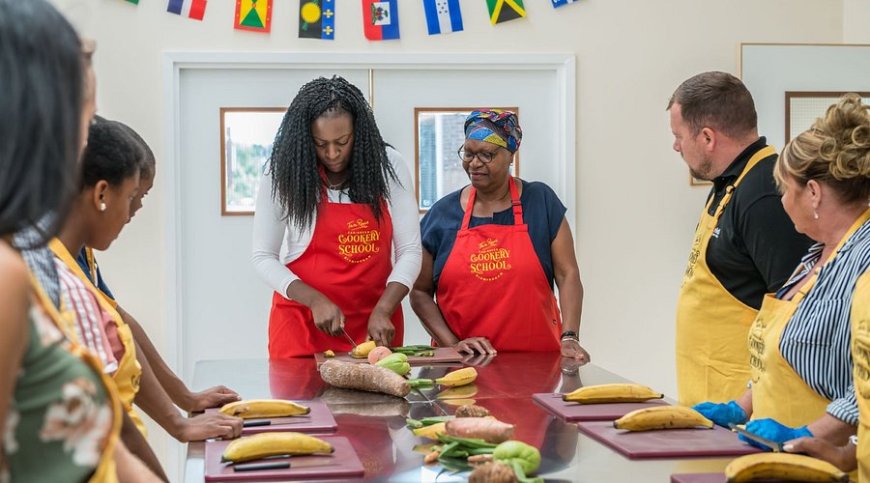
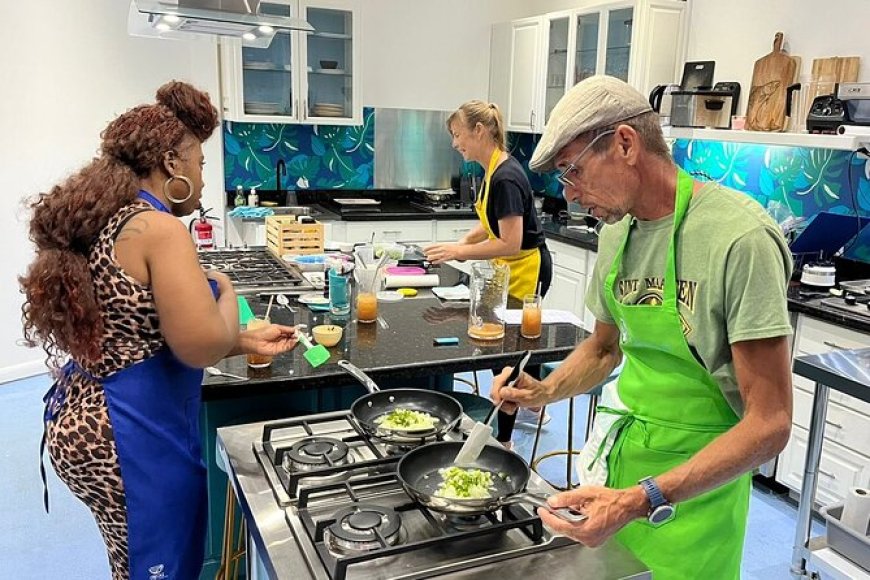
A Caribbean vacation can be about beaches, snorkeling and sightseeing, but food offers another way to understand the region. Each island has its own combination of ingredients, cooking traditions and cultural influences. Visiting a Caribbean cooking school allows travelers to move beyond simply eating local dishes and learn how those dishes are prepared.

Caribbean cooking reflects African, Indigenous, European, Indian, Chinese and other cultural influences that developed across the region over centuries. Ingredients such as plantains, cassava, breadfruit, coconut, peppers, seafood, beans, rice and tropical fruits appear in different combinations depending on the island.
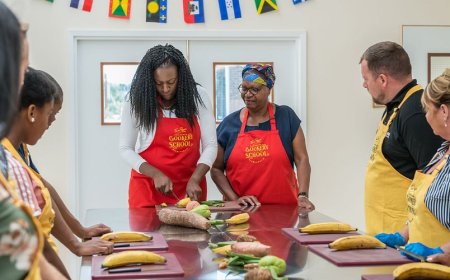
Cooking schools provide an opportunity to learn these traditions directly from local chefs and instructors. Some classes take place inside professional kitchens, while others are held in private homes, farms, outdoor kitchens or restaurants. Programs can range from a short two-hour cooking lesson to multi-day culinary experiences.
For travelers interested in food, a cooking class can also be a practical way to understand the destination. Instead of simply ordering jerk chicken in Jamaica or roti in Trinidad, visitors can learn why particular spices are used, how ingredients are prepared and how recipes have changed over generations.
Below are some Caribbean cooking schools and culinary experiences worth considering when planning a food-focused vacation.
1. Cook like a Local in Jamaica
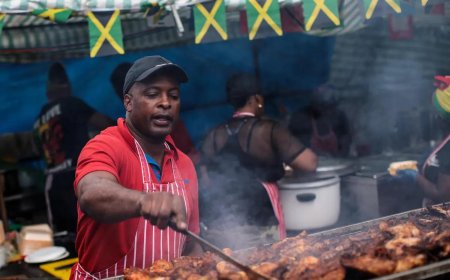
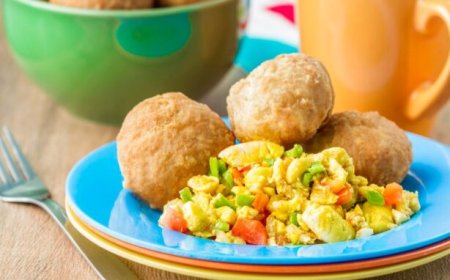
Jamaica is one of the Caribbean's strongest destinations for travelers interested in learning traditional cooking. Jamaican food is widely known for dishes such as jerk chicken, curry goat, rice and peas, festival, escovitch fish and various soups. Cooking experiences in Jamaica often focus on local ingredients and traditional preparation methods.
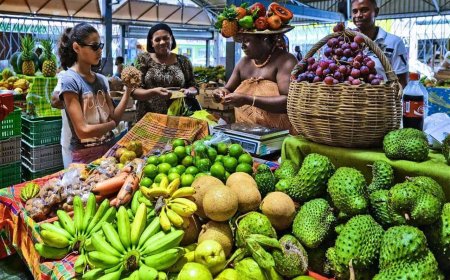
A good Jamaican cooking class may begin with a visit to a local market or garden. Travelers can learn about Scotch bonnet peppers, thyme, scallions, ginger, allspice and other ingredients before returning to the kitchen.
Jerk cooking is particularly interesting because it involves more than simply adding a spice mixture to meat. Traditional jerk preparation can involve seasoning, marinating and slow cooking over pimento wood or another suitable heat source.
For visitors staying in Montego Bay, Ocho Rios, Negril or Kingston, there are different culinary experiences available, ranging from hotel-based classes to locally operated cooking tours.
Best for: Travelers who want to learn Jamaican classics and understand the ingredients behind the country's popular dishes.
2. Rastafari Indigenous Village Culinary Experience
Travelers looking for a cultural experience alongside cooking may find Rastafari-focused culinary programs in Jamaica particularly interesting.
These experiences can introduce visitors to Ital cooking, a food tradition associated with Rastafari culture. Ital cooking commonly emphasizes natural, minimally processed ingredients and can include vegetables, legumes, fruits, grains and herbs.
A cooking experience in this setting can be different from a conventional hotel cooking class because food is connected with culture, community and lifestyle.
Visitors may learn how local ingredients are prepared while also hearing about the history and philosophy connected with the cuisine.
The experience can therefore become both a cooking lesson and a cultural education.
Best for: Travelers interested in Jamaican culture, plant-based cooking and locally sourced ingredients.
3. Trinidad and Tobago Cooking Experiences
Trinidad and Tobago is another excellent destination for culinary travelers.
The country's food reflects African, Indian, Indigenous, European, Chinese and Middle Eastern influences.
One of the most recognizable dishes is roti, but Trinidadian cuisine extends far beyond it. Doubles, pelau, callaloo, bake and shark, curry dishes and various seafood preparations are part of the country's food culture.
Cooking classes can introduce visitors to spice combinations and cooking methods that are difficult to understand simply by eating at a restaurant.
Trinidad's Indian influence is especially visible in dishes involving curry, roti and various vegetarian preparations.
A cooking lesson may include preparing dough, seasoning vegetables or meat, making curry and learning how to combine the finished dishes.
For travelers visiting Port of Spain, culinary tours can also be combined with market visits.
Best for: Travelers who want to explore the mixture of African, Indian and other culinary traditions found in Trinidad and Tobago.
4. Barbados Cooking Classes
Barbados has a strong culinary identity built around seafood, vegetables, spices and traditional Bajan dishes.
Flying fish is closely associated with Barbadian cuisine, while dishes such as cou-cou, fish cakes, macaroni pie and pepper pot also have an important place in local food culture.
Cooking classes in Barbados can range from professional chef demonstrations to smaller local experiences.
One advantage of taking a cooking class on the island is the opportunity to learn about ingredients that visitors may have seen in local markets but not known how to use.
Travelers can learn how cassava, coconut, herbs, peppers and seafood are incorporated into Bajan meals.
Some culinary experiences also include visits to farms, rum-related sites or local food markets.
Best for: Travelers who want to combine traditional Barbadian food with an island sightseeing experience.
5. Nassau and the Bahamas Cooking Experiences
The Bahamas is often associated with seafood, conch and tropical ingredients.
Conch salad, cracked conch, conch fritters and seafood-based dishes are among the foods visitors may encounter.
A culinary experience in Nassau can provide an opportunity to understand how conch is prepared and how it appears in Bahamian food culture.
Travelers should remember that conch is a marine resource and that regulations concerning harvesting can change depending on location and conservation requirements.
A responsible cooking class should emphasize sustainable sourcing rather than encouraging unnecessary consumption of protected or restricted marine species.
Cooking experiences may also include tropical drinks, local vegetables and traditional side dishes.
Best for: Seafood lovers and travelers interested in Bahamian food culture.
6. Saint Lucia Culinary Experiences
Saint Lucia offers travelers the opportunity to combine cooking with the island's agricultural landscape.
Local cuisine includes fish, seafood, green bananas, plantains, breadfruit, coconut, spices and vegetables.
Some culinary experiences incorporate visits to farms or gardens where visitors can see ingredients before they reach the kitchen.
This is useful for travelers who want to understand the connection between agriculture and Caribbean cuisine.
A cooking class can become even more interesting when the instructor explains which ingredients grow locally and which are imported.
Saint Lucia is also known for its cocoa production, making chocolate-related culinary experiences another option for food-focused travelers.
Best for: Travelers interested in farm-to-table cooking, local ingredients and Caribbean agriculture.
7. Grenada Cooking and Spice Experiences
Grenada is often associated with spices, especially nutmeg, cinnamon, cloves and ginger.
The island's nickname, the "Spice Isle," reflects the importance of spice production to its agricultural and cultural identity.
A cooking class in Grenada can therefore include much more than preparing a meal.
Visitors may learn how spices are grown, harvested, dried and incorporated into Caribbean recipes.
Traditional Grenadian dishes can include oil down, a one-pot meal made with ingredients such as breadfruit, coconut milk, vegetables, meat or seafood.
Learning to prepare oil down can give travelers a practical introduction to Grenadian food culture.
Best for: Travelers interested in spices, traditional Caribbean cooking and local agriculture.
8. Antigua Culinary Experiences
Antigua offers a variety of food experiences for visitors, including cooking demonstrations, local food tours and chef-led classes.
Antiguan cuisine includes seafood, salt fish, ducana, fungi and various Caribbean-style stews and sides.
Cooking experiences can be particularly useful for travelers who want to understand how local dishes differ from those found on neighboring islands.
Some programs combine cooking with a visit to a local market, allowing participants to select ingredients before preparing the meal.
This creates a more complete culinary experience because visitors learn about shopping, preparation and cooking rather than simply following a recipe.
Best for: Travelers who want a combination of market visits, local food and hands-on cooking.
9. Saint Kitts Culinary Experiences
Saint Kitts offers travelers a chance to explore Caribbean cooking through local restaurants, private cooking experiences and culinary tours.
The island's cuisine uses seafood, vegetables, fruits, spices and traditional Caribbean cooking methods.
Travelers may encounter dishes influenced by African, European and other Caribbean traditions.
A cooking experience can also be combined with a visit to a farm or local producer.
This is particularly useful for visitors who want to understand how food production connects with tourism.
A good instructor should explain the history of the dishes rather than treating them as generic "Caribbean food."
Best for: Travelers looking for a smaller-island culinary experience.
10. Martinique Cooking Classes
Martinique offers a different Caribbean food experience because French culinary traditions are closely connected with local ingredients and Creole cooking.
Visitors can find culinary experiences that combine French techniques with Caribbean ingredients.
Seafood, tropical fruits, vegetables, spices and rum are common parts of the island's food culture.
A cooking class can be especially interesting for travelers who want to understand how French and Caribbean culinary traditions developed together.
Some experiences include market visits in Fort-de-France, where visitors can see local produce, spices and prepared foods.
Best for: Travelers interested in French-Caribbean cuisine and market-based culinary experiences.
11. Guadeloupe Culinary Experiences
Guadeloupe is another destination where French and Caribbean food traditions meet.
Local cuisine includes seafood, spices, tropical fruits, vegetables and dishes such as accras, Colombo and various Creole preparations.
Cooking classes can introduce visitors to local spice blends and preparation methods.
A market visit can also be part of the experience.
Travelers can learn about ingredients such as christophene, plantains, cassava and tropical fruits before using them in the kitchen.
The French connection also means visitors may encounter techniques and ingredients that are less common elsewhere in the Caribbean.
Best for: Travelers who want to explore French-Creole Caribbean cuisine.
12. Curaçao Cooking Experiences
Curaçao has a distinctive food culture shaped by its Caribbean, Dutch, African, Latin American and other influences.
Local dishes can include keshi yena, a baked dish traditionally made using a hollowed cheese filled with seasoned meat or other ingredients.
Curacao an cooking experiences can therefore provide insight into a food culture that differs from the better-known cuisines of Jamaica or Barbados.
Visitors can also explore local markets and restaurants in Willemstad.
A cooking class is particularly useful for travelers who want to learn about ingredients and traditions that they may not encounter in typical resort restaurants.
Best for: Travelers interested in lesser-known Caribbean culinary traditions.
13. Aruba Culinary Experiences
Aruba offers an interesting combination of Caribbean, Dutch and Latin American influences.
The island's food scene includes seafood, stews, fried snacks, cheeses and locally influenced dishes.
Travelers can find cooking demonstrations and culinary tours that introduce local food beyond the standard resort menu.
Aruba is also a practical destination for food-focused travelers because its tourism infrastructure provides a wide variety of restaurants and food experiences.
A cooking class can provide a more personal experience than simply visiting another restaurant.
Best for: Travelers who want to combine a beach vacation with Caribbean-Latin culinary traditions.
14. Dominican Republic Cooking Experiences
The Dominican Republic has one of the largest and most diverse food cultures in the Caribbean.
Traditional dishes include mangú, sancocho, mofongo-style preparations, rice and beans, fried plantains and various meat and seafood dishes.
Cooking classes in Santo Domingo and other tourist areas can help visitors understand the country's culinary history.
Mangú is particularly simple in concept but important culturally. Green plantains are boiled and mashed, often served with onions and other accompaniments.
A cooking lesson allows visitors to learn the correct preparation rather than simply ordering it at a restaurant.
Best for: Travelers who want to learn traditional Dominican home-style cooking.
15. Puerto Rico Cooking Schools
Puerto Rico is another excellent choice for travelers who want a Caribbean cooking experience without travelling between multiple islands.
Puerto Rican cuisine includes dishes such as mofongo, arroz con gandules, pasteles, lechón and various seafood preparations.
Cooking schools and culinary experiences around San Juan can introduce visitors to these dishes and the ingredients behind them.
Mofongo is particularly popular among visitors. It is traditionally made by mashing fried green plantains with ingredients such as garlic and pork cracklings, although many variations exist.
Cooking classes can also introduce participants to sofrito, a foundational mixture used in many Puerto Rican dishes.
Best for: Travelers who want hands-on instruction and an introduction to Puerto Rican home cooking.
What Makes a Caribbean Cooking School Worth Visiting?
Not every cooking class offers the same experience.
The strongest programs usually have a clear connection to local food culture.
Look for instructors who can explain where recipes come from, how ingredients are sourced and why particular cooking techniques are used.
A class should also provide enough hands-on time.
Watching a chef prepare everything while participants simply eat afterward can be enjoyable, but it is different from a true cooking class.
If you want to learn, look for programs where participants actually chop, season, mix, cook and plate the food.
Look for Classes Using Local Ingredients
One of the biggest advantages of taking a cooking class while travelling is learning about ingredients that may be unfamiliar.
Plantains, cassava, breadfruit, callaloo, coconut, Scotch bonnet peppers, local herbs and tropical fruits can all play important roles in Caribbean cooking.
A good class explains how ingredients are selected and prepared.
This can also encourage travelers to recreate the dishes after returning home.
Market-to-Table Cooking Experiences
Market visits can make cooking classes much more interesting.
Instead of receiving a pre-measured box of ingredients, participants may visit a local market with the chef.
The instructor can explain how to choose fresh fish, vegetables, fruits and spices.
Participants can then return to the kitchen and use those ingredients.
This format connects the market, local agriculture and the finished meal.
Private Cooking Classes
Private classes can be useful for families, couples or small groups.
The instructor can adapt the menu to dietary requirements and experience levels.
Private lessons may also provide more opportunities to ask questions.
However, private classes are usually more expensive than group sessions.
Travelers should compare what is included before booking.
Group Cooking Classes
Group classes are generally more affordable.
They also allow visitors to meet other travelers.
The disadvantage is that participants may have less time with the instructor.
When choosing a group class, check the maximum number of participants.
A class with 20 people may provide a very different experience from one with six participants.
Plant-Based Caribbean Cooking Classes
Caribbean cuisine has many plant-based dishes and ingredients.
Travelers interested in vegetarian or vegan food can find classes featuring plantains, beans, rice, vegetables, coconut, cassava and tropical fruits.
Some cultural cooking experiences focus specifically on Ital or traditional plant-based preparations.
Travelers should explain dietary restrictions clearly before booking because recipes can vary and ingredients such as seafood, dairy or meat may be used in traditional dishes.
Cooking Classes for Families
Cooking classes can be a good family activity because children can participate in simple tasks.
Some programs are designed specifically for families.
When travelling with children, ask whether the class involves knives, hot cooking surfaces or other equipment that requires adult supervision.
A market visit followed by a simple cooking lesson can be particularly suitable for families.
Cooking and Caribbean Culture
Food is closely connected to Caribbean history.
Recipes have developed through migration, trade, colonization, Indigenous traditions and local agriculture.
African culinary traditions have influenced many Caribbean dishes. Indian migration also contributed significantly to cuisines in Trinidad and other parts of the region.
European, Chinese, Middle Eastern and Indigenous influences can also be seen in different islands.
A cooking class provides an opportunity to understand these influences through food rather than only reading about them.
Cooking Classes and Local Communities
Travelers should consider who benefits financially from the experience.
Locally operated cooking schools and community-based culinary programs can help direct tourism income toward residents.
This can include local chefs, farmers, fishermen, market vendors and small businesses.
Ask whether the class purchases ingredients locally.
A cooking experience that supports local producers can have a broader economic benefit than one based primarily on imported ingredients.
How Much Do Caribbean Cooking Classes Cost?
Prices vary considerably.
A short group class may cost less than a private chef experience.
Market tours, transportation, premium ingredients and alcoholic drinks can also affect the price.
Travelers should check exactly what the fee includes.
Some classes include ingredients, drinks and a full meal.
Others charge separately for transportation or additional activities.
The cheapest class is not necessarily the best value.
Consider the duration, group size, menu, instructor experience and location.
What to Ask Before Booking
- Before paying for a cooking class, travelers should confirm the date, duration and location.
- Ask whether transportation is included.
- Check whether ingredients are included.
- Confirm whether you will actually cook or simply watch a demonstration.
- Ask how many participants will attend.
- If you have food allergies or dietary restrictions, inform the organizer before booking.
- These simple questions can prevent misunderstandings.
Booking Through a Resort or Independently
Resorts often offer culinary activities through their concierge departments.
This can be convenient because transportation and scheduling may be easier.
However, independent local operators can sometimes provide more authentic and specialized experiences. Compare both options.
Check reviews, cancellation policies and what is included in the price.
A local cooking school may also have a stronger connection to the community and local food producers.
Cooking Classes as Caribbean Souvenirs
- A cooking class provides something that a traditional souvenir cannot.
- You can take the knowledge home.
- After returning from the Caribbean, you can recreate the meal and remember the destination through its flavours and techniques.
- Many cooking schools also provide recipes or ingredient lists.
- Keep these materials because they can help you recreate the experience later.
What's Your Reaction?
 Like
0
Like
0
 Dislike
0
Dislike
0
 Love
0
Love
0
 Funny
0
Funny
0
 Angry
0
Angry
0
 Sad
0
Sad
0
 Wow
0
Wow
0