






















Afro-Caribbean Cultural Tours
Afro-Caribbean cultural tours give travellers an opportunity to explore the Caribbean beyond beaches and resorts by learning about African heritage, history, music, food, religion, art, festivals and local communities. These experiences show how African traditions interacted with Indigenous Caribbean, European and Asian influences to create distinct cultures across different islands. The article covers major destinations including Jamaica, Barbados, Trinidad and Tobago, Haiti, Cuba, the Dominican Republic and Puerto Rico. It highlights important cultural traditions such as reggae, Rastafari, calypso, soca, rumba, bomba and traditional Caribbean cuisine.

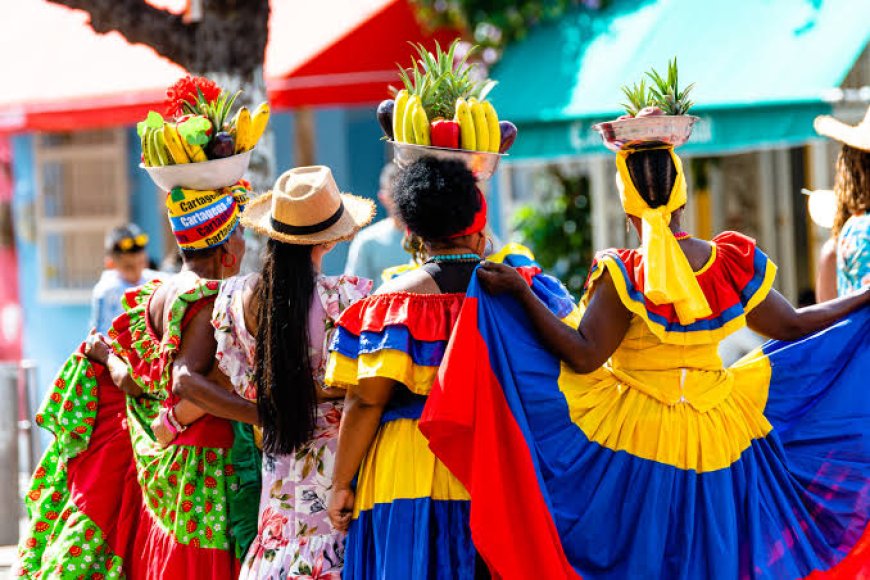
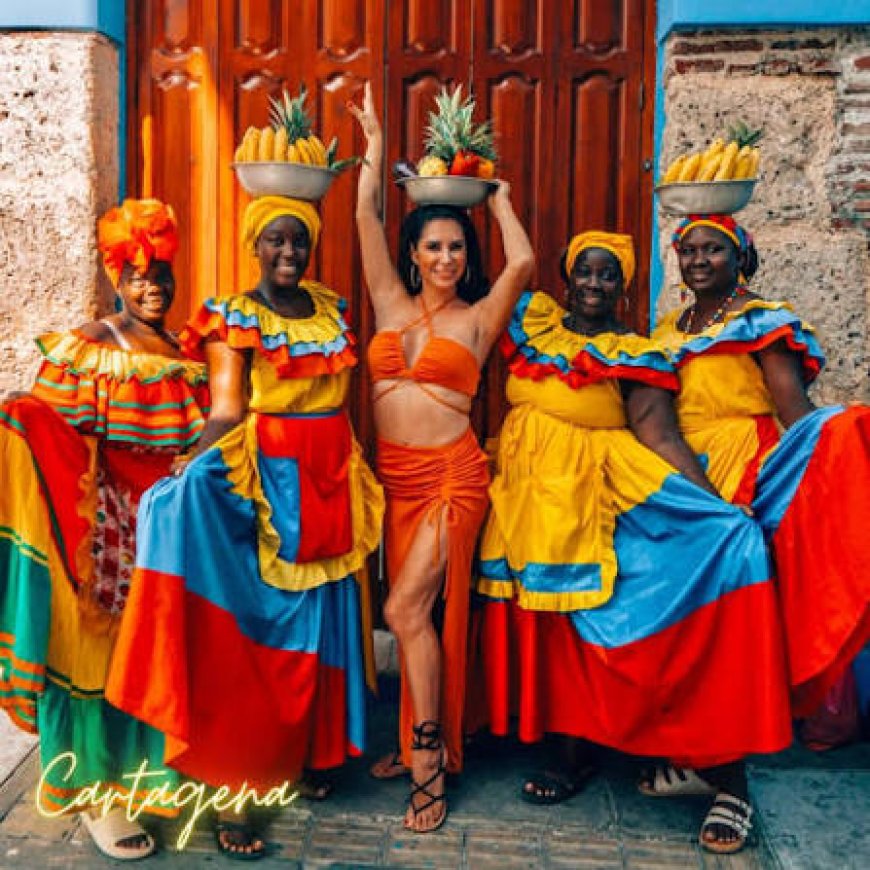
Afro-Caribbean cultural tours offer travelers a different way to understand the Caribbean. Instead of focusing only on beaches, resorts and nightlife, these tours explore the history, traditions, communities, food, music, religion, art and everyday experiences shaped by people of African descent across the Caribbean.

African heritage is central to the history of much of the Caribbean. Millions of Africans were forcibly transported to the region during the transatlantic slave trade, and their descendants developed communities and cultural traditions that remain an important part of Caribbean society today. African influences can be seen in music, language, food, dance, religious practices, agriculture, architecture, storytelling and community celebrations.
At the same time, Afro-Caribbean culture is not simply a preserved version of African culture. It developed through interaction between African traditions, Indigenous Caribbean cultures, European colonial systems, Asian migration and local Caribbean experiences. Each island and territory has its own history and cultural identity.
That is why an Afro-Caribbean cultural tour in Jamaica can feel very different from one in Barbados, Trinidad and Tobago, Cuba, Haiti, the Dominican Republic, Martinique, Guadeloupe or Puerto Rico.
For travelers, the most valuable tours are usually those that connect historical information with present-day communities. A good guide does more than point out an old building or museum. The guide explains why a particular tradition exists, how it developed and how local people continue to practice it.
What Are Afro-Caribbean Cultural Tours?
Afro-Caribbean cultural tours are travel experiences focused on the African heritage and contemporary cultural life of Caribbean communities. They can take many forms. Some are historical walking tours through former plantation areas and historic towns. Others visit museums, heritage centers, churches, markets, community organizations, music venues, food producers and cultural festivals.
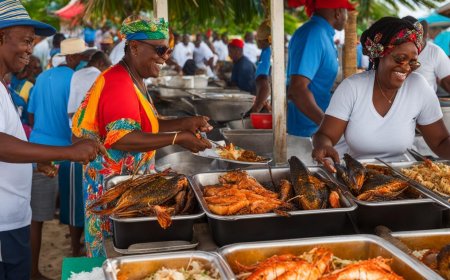
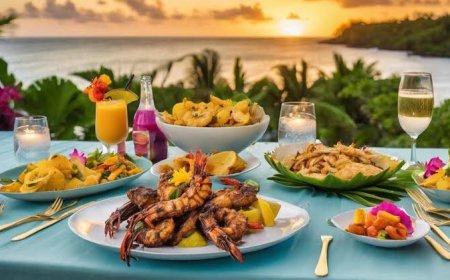
Some tours focus specifically on genealogy and family history. Visitors whose ancestors came from the Caribbean may travel to the region to research family records, visit ancestral communities or understand the places connected with their family history. Food tours are another important category. Traditional dishes can tell travelers a great deal about migration, agriculture, trade and survival. Ingredients such as cassava, plantains, okra, yams, rice, coconut, peppers and various seafood became part of Caribbean cooking through different cultural and historical influences.
Music tours are equally important. Reggae in Jamaica, calypso and soca in Trinidad and Tobago, rumba in Cuba, kompa in Haiti and other Caribbean musical traditions demonstrate how African rhythms and cultural practices developed into distinct Caribbean forms.
Understanding the Historical Background
To understand Afro-Caribbean culture, travelers need some historical context. From the 16th through the 19th centuries, European colonial powers transported millions of enslaved Africans across the Atlantic. Enslaved people were forced to work on plantations, in mines, households and other economic activities throughout the Caribbean. The plantation economy produced sugar, coffee, tobacco, cotton and other commodities for international markets. Conditions varied across territories, but slavery was characterized by forced labour, violence, family separation and the denial of basic rights. Despite these conditions, African-descended communities maintained and adapted cultural practices.
People preserved elements of languages, musical traditions, food preparation, spiritual practices, storytelling and community organization. These traditions changed over time as people from different African regions were brought together and interacted with local populations. An Afro-Caribbean cultural tour should therefore present both sides of this history: the violence and exploitation of slavery and the creativity, resilience and cultural development of the people who lived through it.
Jamaica and Afro-Caribbean Heritage
Jamaica is one of the most popular destinations for travelers interested in African-Caribbean heritage. The country's history includes Spanish and British colonial rule, plantation slavery, emancipation and the development of independent Jamaican cultural traditions.
Kingston is particularly important for cultural travelers.
The city is closely connected with Jamaican music, political history, literature and contemporary arts. Visitors can explore museums, cultural institutions, historic neighbourhoods and music-related sites.
The Bob Marley Museum is one of Jamaica's best-known cultural attractions and occupies the former Kingston home and recording location of Bob Marley. His music played a major role in bringing Jamaican reggae to international audiences. But Afro-Caribbean cultural tourism in Jamaica should not stop with reggae. Travelers can also explore traditional food, Maroon history, craft communities and local storytelling.
The Maroons are descendants of Africans who escaped slavery and established independent communities in parts of Jamaica. Their history is an important part of the island's African heritage.
The Maroon communities of Jamaica have preserved distinct cultural practices, including music, ceremonies and traditions. A responsible cultural tour should explain this history in context rather than treating Maroon culture simply as entertainment.
Rastafari and Cultural Tourism
Rastafari is another important part of Jamaica's cultural history.
The movement developed in Jamaica during the 20th century and is associated with spiritual beliefs, African identity, resistance to colonialism and the importance of Ethiopia in Rastafari thought. Travelers may encounter Rastafari culture through music, art, food and community-based experiences.
However, visitors should understand that Rastafari is a living religious and cultural tradition, not a tourist performance. When visiting Rastafari communities or participating in related tours, travelers should follow local guidance about photography, ceremonies, and food and personal interactions. This is an important principle for Afro-Caribbean cultural tourism in general: cultural traditions should be approached with respect rather than treated as attractions created solely for visitors.
Barbados and African Heritage
Barbados has a long history connected to sugar production, colonialism and African enslavement. The island's cultural identity today reflects these historical experiences. Bridgetown and its surrounding areas offer opportunities to learn about colonial history, slavery, emancipation and the development of Barbadian society. Museums and heritage sites can help visitors understand the plantation economy and the lives of enslaved Africans. Food is another useful entry point.
Traditional Barbadian cooking includes dishes shaped by African, European and other influences. Flying fish and cou-cou, for example, are closely associated with Barbadian cuisine.
Visitors should look beyond restaurant menus and ask guides about the origins of ingredients, cooking techniques and the historical circumstances that shaped local food. This turns a meal into a cultural learning experience.
Trinidad and Tobago: African Heritage and Carnival
Trinidad and Tobago is one of the Caribbean's most important destinations for cultural tourism.
The country's population reflects African, Indian, European, Chinese, Syrian-Lebanese and other influences.
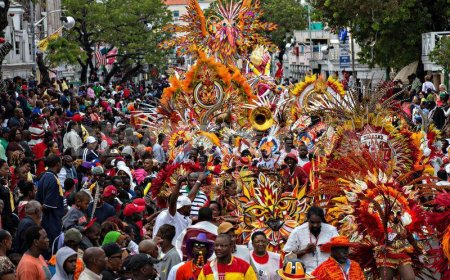
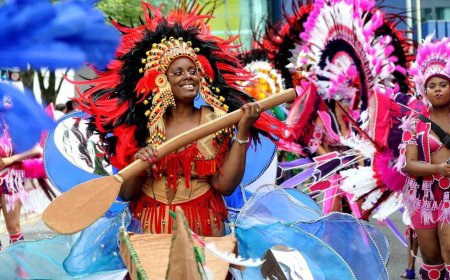
African heritage is especially visible in Carnival, music, dance and community traditions. Calypso and soca developed in Trinidad and Tobago and became internationally recognized forms of Caribbean music. Carnival itself has a complicated history involving colonial restrictions, emancipation and the development of African-Caribbean cultural expression.
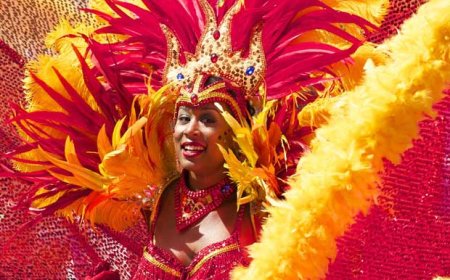
Travelers visiting around Carnival season can see costumes, music, Steelpan performances and large public celebrations. But cultural tourism does not need to happen only during Carnival. Visitors can explore the history of Steelpan, attend live music events, visit cultural organizations and learn about traditional festivals throughout the year.
The Steelpan is particularly important because Trinidad and Tobago is recognized as the birthplace of the instrument.
Haiti and African-Caribbean Cultural Heritage
Haiti has a unique place in Caribbean history. The Haitian Revolution, which began in 1791, resulted in the creation of the independent Republic of Haiti in 1804. It was the first successful large-scale slave revolution that resulted in the creation of an independent state.
For cultural travelers, Haiti's history cannot be separated from African heritage, resistance and the legacy of the revolution. Haitian culture includes distinctive traditions in music, dance, art, food and religion. Vodou is an important Haitian religious tradition with African, Indigenous and European influences. Visitors should be particularly careful when encountering religious ceremonies or sacred practices. Tourists should not assume that every ceremony is available for observation or photography. Community permission and local guidance matter.
Cuba and Afro-Cuban Culture
Cuba has one of the most developed Afro-Caribbean cultural traditions in the region.
African influences are especially important in Cuban music, dance and religion.
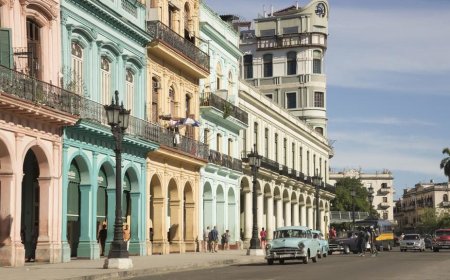
Havana and other cities provide opportunities to explore Afro-Cuban music and cultural history.
Cuban musical forms such as rumba developed within Afro-Cuban communities and became important parts of the country's cultural identity.
Santería, also known as Regla de Ocha, developed through interaction between Yoruba religious traditions and Catholic practices during the colonial period.
Travelers can learn about Afro-Cuban heritage through museums, music performances, dance classes and community-based tours.
Again, context matters.
A cultural tour should explain how these traditions developed rather than reducing them to exotic entertainment.
The Dominican Republic and Afro-Caribbean Identity
The Dominican Republic has a complex cultural identity shaped by Indigenous Taíno heritage, African ancestry, Spanish colonial history and later migration.
African influences can be found in music, dance, food, religious traditions and local cultural practices.
Merengue and bachata are two internationally recognized Dominican music traditions.
Visitors interested in Afro-Caribbean culture can explore local music, traditional food, community festivals and historic areas.
The country's racial and cultural identity can also be complicated, and travelers should avoid assuming that Caribbean racial categories work exactly like those in North America or Europe.
A good local guide can explain how history, nationality, class and race interact in Dominican society.
Puerto Rico and Afro-Puerto Rican Culture
Puerto Rico also has a strong African cultural heritage.
Bomba is one of the best-known Afro-Puerto Rican musical and dance traditions.
It developed among African-descended communities during the colonial period and has remained an important form of cultural expression.
Bomba performances can be found in cultural centers, festivals and community events.
Travelers can also explore Afro-Puerto Rican food, music, art and historic communities.
San Juan is the main starting point for many visitors, but cultural travelers may benefit from exploring areas beyond the main tourist districts.
Community-based tours can provide a more detailed understanding of Puerto Rican history and contemporary culture.
The Importance of Music
Music is one of the easiest ways for travelers to connect with Afro-Caribbean history.
Many Caribbean musical traditions developed from African rhythmic structures combined with European instruments, Indigenous influences and local experiences.
The results include reggae, calypso, soca, rumba, bomba, plena, zouk, kompa and many other forms.
Each genre has its own history.
Reggae became internationally associated with Jamaica, while calypso and soca are strongly connected to Trinidad and Tobago. Rumba has deep Afro-Cuban roots, and bomba is central to Afro-Puerto Rican culture.
Music tours can include studio visits, live performances, dance lessons and meetings with musicians.
The most useful experiences explain the social history behind the music.
For example, calypso has historically provided a way for performers to comment on politics, society and current events.
Music is therefore not only entertainment. It can also be a form of journalism, community expression and political commentary.
Caribbean Food as Cultural History
Food is another powerful way to explore African heritage.
Many Caribbean ingredients and cooking methods developed through the movement of people, crops and ideas.
African culinary traditions interacted with European ingredients, Indigenous crops and Asian migration.
Okra, for example, has strong historical connections to Africa and became widely used in Caribbean cooking.
Plantains, yams, cassava and various legumes also became important parts of Caribbean diets.
Rice and peas, callaloo, pepperpot, stews, fried plantains and many other dishes have different histories depending on the island.
Food tours can therefore become history tours.
A knowledgeable guide can explain where ingredients came from, how enslaved communities adapted food systems and how dishes changed over generations.
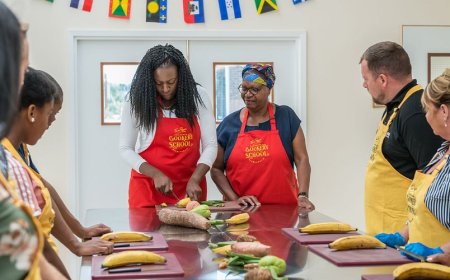
Travelers should look for local markets, family-run restaurants, cooking classes and community food experiences rather than relying only on hotel restaurants.
Historic Plantations and Heritage Sites
Former plantations are among the most sensitive sites on Afro-Caribbean cultural tours.
Many plantations are now museums, heritage attractions or restored estates.
These places can help visitors understand how colonial economies worked, but the interpretation is important.
A plantation tour should explain the lives of enslaved people rather than focusing exclusively on the architecture or former owners.
Travelers should look for sites that include historical records, archaeological evidence, testimonies and information about emancipation and post-emancipation society.
The goal should be education rather than romanticizing plantation life.
Emancipation and Freedom
Emancipation is a major theme in Afro-Caribbean history.
Different territories ended slavery at different times and under different legal systems.
In the British Caribbean, the Slavery Abolition Act of 1833 led to the legal abolition of slavery, although apprenticeship systems continued for a period afterward.
Emancipation did not immediately produce economic equality.
Formerly enslaved people often continued working in plantation economies under difficult conditions.
Cultural tours can help visitors understand this transition and explain how communities built new social and economic systems after slavery.
Emancipation celebrations remain important in several Caribbean countries.
These events can include music, speeches, food, parades and educational programs.
Museums and Cultural Centers
Museums are useful starting points for travelers who want historical context before visiting communities.
The National Museum of Jamaica and other Caribbean museums preserve historical objects, documents and cultural material.
The Barbados Museum and Historical Society, museums in Trinidad and Tobago, and cultural institutions throughout the region provide additional perspectives.
Travelers should check opening hours and temporary exhibitions before visiting because museum schedules and programs can change.
Community cultural centers can offer a different experience.
Instead of presenting culture through display cases, they may teach visitors through music, food, dance, storytelling and workshops.
Genealogy and Ancestry Tours
Afro-Caribbean genealogy tourism is growing as more travelers research family history.
A genealogy tour may involve visiting archives, churches, cemeteries, former plantations, villages and government record offices.
The research process can be complicated because historical records were often incomplete or created by colonial authorities.
Names may have changed after emancipation, records may have been lost and families may have moved between islands.
A professional genealogist or local historian can sometimes help connect records that would be difficult for an independent visitor to interpret.
Travelers interested in genealogy should research before arrival and bring known family names, dates, locations and documents.
Festivals and Cultural Events
Festivals provide an opportunity to experience culture as a living activity.
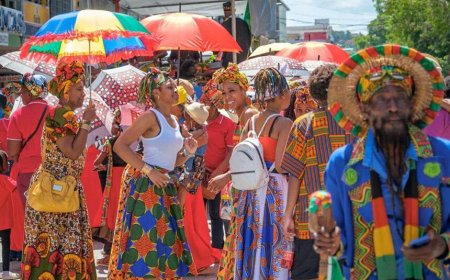
Carnival is the best-known example, but there are many other cultural celebrations throughout the Caribbean.
Events may focus on emancipation, African heritage, music, food, storytelling, traditional crafts or religious celebrations.
Travelers should check official event schedules because dates can change annually.
Festival travel also requires planning. Accommodation can become more expensive during major events, and popular activities may sell out early.
Visitors should also remember that a festival is a community event first and a tourist attraction second.
Respecting local rules and avoiding intrusive photography is important.
Responsible Afro-Caribbean Cultural Tourism
Responsible tourism matters particularly when visiting communities whose histories include slavery, colonialism and discrimination.
Travelers should avoid treating poverty as an attraction.
They should ask permission before photographing people, especially during religious ceremonies or private community events.
Visitors should also support local businesses when possible.
Booking directly with local guides, eating at locally owned restaurants, purchasing crafts directly from artists and paying fair prices can help keep tourism revenue within communities.
A responsible tour operator should clearly explain where the money goes and how local residents participate in the experience.
How to Choose an Afro-Caribbean Cultural Tour
The first step is to decide what type of culture interests you most.
History-focused travelers may prefer museums, plantations, emancipation sites and historic walking tours.
Music lovers may prefer studio visits, concerts and dance experiences.
Food travelers may want cooking classes and market tours.
Travelers researching family history may need a genealogy-focused guide.
Those interested in contemporary culture should look for community-based experiences.
Read recent reviews and examine the tour description carefully.
Look for guides with local knowledge and relevant historical expertise.
A tour that simply lists many attractions may not provide much meaningful context.
A smaller tour led by a knowledgeable local historian can sometimes be more valuable than a large sightseeing bus.
Best Time to Take an Afro-Caribbean Cultural Tour
There is no single best month for every destination.
Weather, festivals, cruise schedules and local events influence the experience.
The Caribbean's main tourist season generally runs through the winter months, while summer and early autumn can bring higher heat and greater hurricane risk in many destinations.
However, cultural tourism can be worthwhile throughout the year.
Travelers who want to attend Carnival or another major festival should plan specifically around the event dates.
Those who prefer quieter travel may choose periods outside major festivals.
Before booking, travelers should check official tourism websites, local event calendars and weather information.
What to Expect From a Community-Based Tour
Community-based tours are often smaller and more personal.
Instead of moving quickly between major attractions, travelers may spend several hours in one neighbourhood or village.
A local resident may explain family history, traditional food, and music or community development.
Some programs include workshops where visitors learn drumming, cooking, dance, weaving or other crafts.
The quality of these experiences depends heavily on the organization running them.
Look for tours where local residents are directly involved in planning and delivering the experience.
This helps prevent cultural tourism from becoming a one-sided commercial activity.
Cultural Etiquette for Travelers
Respect is essential.
Learn a few local expressions before arriving. Dress appropriately for religious or community spaces. Ask before taking photographs. Listen when guides explain cultural practices.
Do not assume that a particular tradition represents every person on the island.
The Caribbean is culturally diverse, and even neighboring islands can have very different traditions.
Travelers should also avoid making assumptions based on stereotypes about race, religion or music.
Ask questions respectfully.
Most local guides appreciate genuine curiosity when it is combined with awareness and respect.
Why Afro-Caribbean Cultural Tours Matter
Cultural tourism can provide economic opportunities for guides, musicians, artists, cooks, historians and small businesses.
It can also encourage preservation of cultural traditions.
When visitors pay for authentic cultural experiences, communities can generate income from knowledge and creative work rather than depending only on large hotels and international tourism companies.
However, tourism must be managed carefully.
Cultural traditions can become simplified when they are performed only for visitors.
The strongest programs give local communities control over how their history and traditions are presented.
What's Your Reaction?
 Like
0
Like
0
 Dislike
0
Dislike
0
 Love
0
Love
0
 Funny
0
Funny
0
 Angry
0
Angry
0
 Sad
0
Sad
0
 Wow
0
Wow
0