






















Sustainable Development Investments in the Caribbean
Sustainable development investment is becoming an important economic priority across the Caribbean as countries face climate risks, high energy costs, infrastructure gaps, water challenges, and dependence on imported fuel. Hurricanes, flooding, drought, coastal erosion, and rising temperatures can create significant economic losses, making investment in resilience increasingly necessary. Renewable energy is one of the strongest investment opportunities. Solar power, wind energy, geothermal projects, battery storage, rooftop solar, and energy-efficiency programmes can reduce dependence on imported petroleum while improving energy security. Recent programmes supported by the World Bank and Caribbean Development Bank show increasing investment in renewable energy and climate resilience.
Sustainable development investment in the Caribbean is moving from a long-term environmental goal to a practical economic priority. Governments, development banks, private companies, institutional investors, tourism businesses, and local communities are increasingly looking at projects that can create economic value while reducing climate risk, protecting natural resources, improving infrastructure, and expanding access to reliable energy.

The need is particularly strong in the Caribbean because many economies are exposed to hurricanes, flooding, drought, coastal erosion, rising temperatures, and changes in marine ecosystems. At the same time, many countries have small domestic markets, relatively high infrastructure costs, limited fiscal space, and significant dependence on imported fuel. The OECD and Inter-American Development Bank reported in 2026 that climate-related extreme weather events in the Caribbean increased by 84% between 2004 and 2024 compared with the previous two decades, while average annual damage from climate-related events has been equivalent to about 2.13% of regional GDP over the last 40 years.
These conditions create both risks and investment opportunities. Renewable energy, resilient infrastructure, sustainable tourism, water management, agriculture, blue economy projects, waste management, climate-smart construction, and nature conservation are becoming important areas for investment.
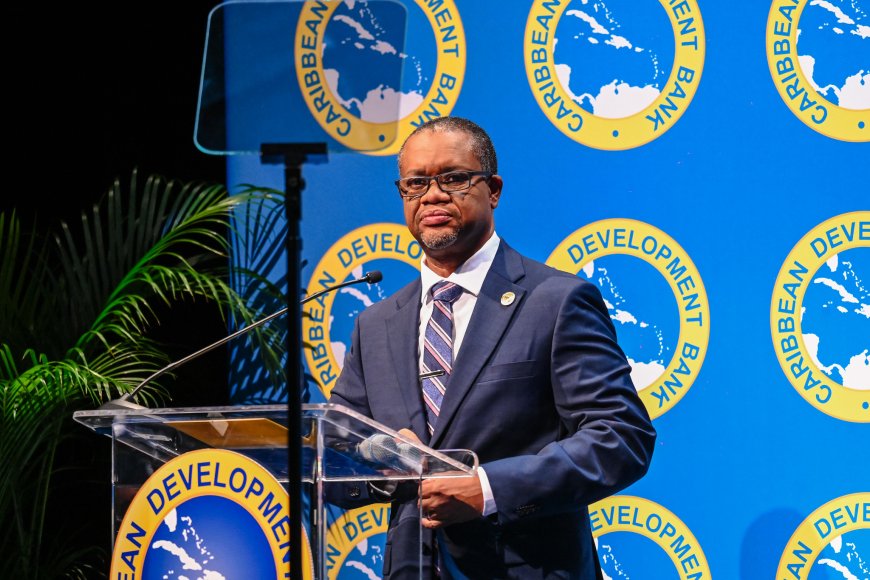
The Caribbean Development Bank approved US$226.7 million for climate action initiatives in 2025, more than double its 2024 climate finance commitment. The amount represented roughly half of the bank's total project approvals for that year.
This growing flow of capital does not mean sustainable development is easy to finance. The region still faces a major gap between what is needed and what is available. In May 2026, the Caribbean Development Bank said the region's gross financing needs were projected at US$65.2 billion over the following decade, while less than 10% of the estimated US$14 billion needed annually for climate readiness was currently being mobilised.
For investors, this creates an unusual market. The Caribbean needs large amounts of capital, but successful projects must account for local conditions, climate exposure, infrastructure limitations, regulation, currency issues, community interests, and long-term operating costs.
Why Sustainable Investment Matters in the Caribbean
Sustainable investment means more than simply putting money into environmentally friendly businesses. A genuinely sustainable project should have a reasonable economic purpose while also considering environmental and social effects.
For a Caribbean country, this could mean financing a solar power plant that reduces dependence on imported fuel, upgrading a water system that can continue operating after a hurricane, supporting farmers who use climate-resilient crops, or developing a tourism property that reduces water and energy consumption while creating local employment.
The economic argument is particularly important. Climate damage can destroy infrastructure that governments and businesses have already paid for. Roads, ports, electricity networks, hotels, farms, homes, and water systems can all be affected by extreme weather.
Investing in resilience before a disaster can therefore be less expensive than repeatedly rebuilding after one.
The region's high exposure to imported energy provides another strong reason for sustainable investment. The World Bank reported in 2025 that Caribbean countries depended heavily on imported petroleum products, with imports accounting for around 90% of petroleum consumed.
Reducing that dependence through renewable energy and efficiency projects can improve energy security while creating opportunities for new businesses.
Renewable Energy Investment
Renewable energy is one of the clearest sustainable investment opportunities in the Caribbean.
Solar power is particularly suitable for many islands because of the region's strong solar resource and the availability of rooftops and other distributed sites. Investors can participate in utility-scale solar projects, commercial rooftop systems, battery storage, solar water heating, and energy-efficiency services.
Wind energy also has potential in suitable locations, while geothermal energy is particularly relevant to volcanic islands.
The investment case is not based only on reducing carbon emissions. Renewable energy can also reduce exposure to international oil prices and improve the predictability of electricity costs.
In February 2025, the World Bank approved a US$131.87 million regional project involving Grenada, Guyana, and Saint Lucia to improve energy efficiency and expand renewable energy. The project combines concessional financing and grants and is designed to support cleaner energy systems and economic growth.
Another World Bank initiative approved in April 2025 created a Caribbean Resilient Renewable Energy Infrastructure Investment Facility for Grenada, Saint Lucia, and Saint Vincent and the Grenadines. The facility aims to accelerate clean, resilient, and affordable energy systems.
These projects show how public and development finance can help create conditions for private investment.
Solar Power and Distributed Energy
Distributed renewable energy is particularly interesting for island economies.
Instead of relying entirely on a few large power stations, electricity can be generated through multiple smaller systems located closer to consumers.
Rooftop solar is one example. Hotels, factories, schools, offices, supermarkets, and homes can install photovoltaic systems to generate part of their electricity.
Battery storage can further improve the usefulness of solar power by storing electricity for periods when sunlight is unavailable.
In July 2025, the Caribbean Development Bank announced US$26.7 million in Green Climate Fund financing for an energy programme covering Barbados, Belize, and Jamaica. The programme is designed to increase distributed renewable energy, energy efficiency, and other clean-energy technologies, with an expected reach of about 40,700 people.
For investors, such programmes can help demonstrate that smaller distributed projects can be combined into larger investment portfolios.
Energy Efficiency
Not every sustainable investment requires new power generation.
Energy efficiency can provide an equally important opportunity.
Hotels and resorts, for example, can reduce electricity consumption through efficient air-conditioning systems, LED lighting, smart controls, improved insulation, solar water heating, and better building management.
Industrial businesses can replace inefficient equipment and reduce electricity use without reducing production.
Commercial buildings can use energy-management systems to monitor consumption and identify areas where money is being wasted.
For investors, energy-efficiency projects can sometimes be attractive because savings on electricity bills provide a measurable economic benefit.
The challenge is creating financing structures that allow businesses and households to pay for upgrades without facing large upfront costs.
Sustainable Tourism
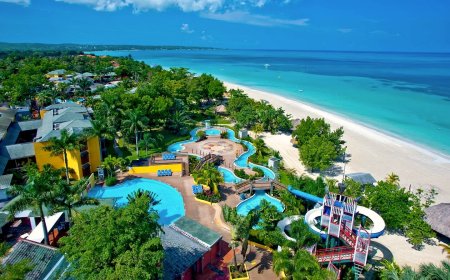
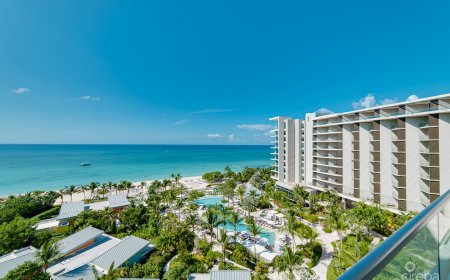
Tourism remains central to many Caribbean economies, which makes sustainable tourism investment particularly important.
A sustainable tourism project should consider more than whether a hotel uses solar panels. Investors need to examine water consumption, wastewater treatment, waste management, energy use, coastal development, local employment, transportation, and the effect of tourism on surrounding communities.
Hotels can reduce environmental costs through water-saving fixtures, rainwater collection, renewable energy, efficient cooling systems, recycling programmes, local food sourcing, and responsible landscaping. Resilient construction is equally important.
A hotel located in a hurricane-exposed area needs building systems, backup power, drainage, and emergency procedures capable of dealing with severe weather. Sustainable tourism can therefore combine environmental improvements with risk management.
Green Buildings
Construction represents another significant investment opportunity.
Caribbean buildings must operate in hot and humid conditions while facing risks from hurricanes, flooding, salt exposure, and heavy rainfall.
Green building investment can focus on designs that reduce energy consumption and improve resilience.
Features may include stronger roofs, storm-resistant windows, natural ventilation, reflective roofing, efficient cooling systems, rainwater management, solar energy, and durable materials.
The initial construction cost may be higher for some resilient features, but investors should evaluate the full life-cycle cost.
A building that survives severe weather with less damage may produce better long-term returns than a cheaper building that requires repeated repairs.
Water Infrastructure
Water security is another major sustainable investment area. Caribbean countries face different water challenges. Some have relatively abundant rainfall but inadequate storage or distribution infrastructure, while others face seasonal shortages, drought, saltwater intrusion, or high costs for desalination and pumping.
Investment opportunities include wastewater treatment, water recycling, desalination, leak reduction, rainwater collection, storage infrastructure, and efficient irrigation. Tourism creates additional pressure because hotels can consume significant quantities of water. Investors supporting efficient water systems can therefore address both environmental and commercial needs.
Waste Management and Circular Economy
Waste management remains a practical challenge for many island economies.
Limited land availability can make landfill expansion difficult, while importing packaged goods increases the amount of waste generated.
Recycling, composting, waste-to-resource businesses, materials recovery, and improved collection systems can provide investment opportunities.
The circular economy approach focuses on keeping materials in use for longer rather than treating them as disposable. Hotels and restaurants can reduce food waste through better purchasing and storage systems. Organic waste can potentially be processed into compost or other useful products. Plastic collection and recycling can also reduce pressure on landfills and coastal ecosystems.
For investors, the challenge is achieving sufficient scale. Small island markets can make waste businesses difficult to operate profitably unless multiple municipalities, tourism businesses, or countries participate. Regional cooperation can therefore make a major difference.
Climate-Resilient Infrastructure
Infrastructure investment is central to sustainable development. Roads, bridges, airports, ports, power lines, telecommunications networks, hospitals, and water systems must increasingly be designed to withstand climate-related hazards.
This creates demand for resilient engineering, stronger drainage systems, flood protection, coastal management, emergency communications, and improved early-warning systems.
In 2025, the Caribbean Development Bank secured US$27 million in Green Climate Fund resources for a regional hydro meteorological and multi-hazard early-warning project covering Belize and Trinidad and Tobago. The project is expected to strengthen forecasting systems protecting approximately 1.8 million people.
Early-warning systems are a good example of sustainable investment that does not necessarily involve a physical structure. Better information can reduce economic losses by giving governments, businesses, farmers, and communities more time to prepare.
Blue Economy Investment
The Caribbean's ocean resources create another major investment category.
The blue economy includes fisheries, marine tourism, coastal protection, aquaculture, marine biotechnology, renewable ocean energy, and other activities connected with marine resources.
Sustainable investment in fisheries can improve equipment, cold storage, processing, traceability, and resource management.
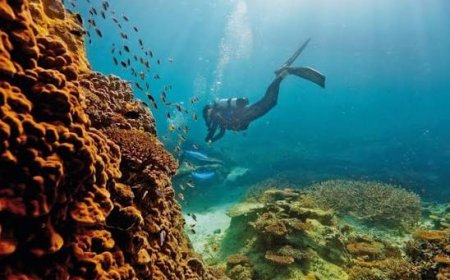
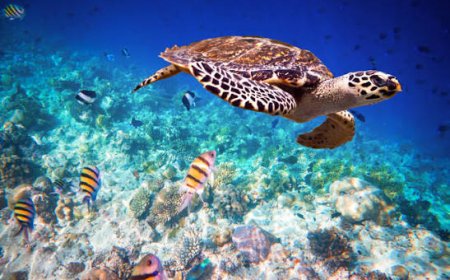
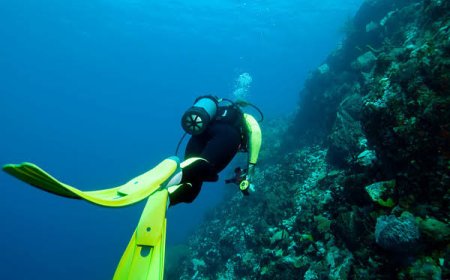
Marine tourism can focus on activities such as diving, snorkelling, sailing, kayaking, and wildlife experiences while protecting coral reefs and coastal ecosystems.
The key is ensuring that economic activity does not destroy the natural resources on which future revenue depends.
A coral reef, mangrove forest, or healthy fish population can be viewed not only as an environmental asset but also as an economic asset.
Nature-Based Investment
Nature-based solutions are receiving increasing attention in Caribbean development finance.
Mangroves, coral reefs, wetlands, forests, and other ecosystems can provide protection against flooding and coastal erosion while supporting tourism and fisheries.
Investments can therefore combine conservation with economic resilience.
For example, restoring mangroves can help protect coastal communities while creating habitat for fish and storing carbon.
Coral reef protection can support tourism and reduce wave energy reaching coastlines.
These projects can be more complicated to finance because their financial benefits may not appear immediately on a company's balance sheet.
Blended finance and public-private partnerships can help bridge this gap.
Sustainable Agriculture
Agriculture remains important in several Caribbean economies, but farmers face increasing risks from drought, storms, heat, pests, changing rainfall, and soil degradation.
Sustainable agriculture investment can focus on irrigation, climate-resilient crops, efficient water use, soil conservation, protected agriculture, agro forestry, storage, processing, and renewable-powered farm equipment.
Investing in local food production can also support tourism.
Hotels and restaurants that purchase more food locally can reduce dependence on imported products while creating markets for farmers.
However, investors need to consider scale, logistics, land availability, climate risks, and access to markets before financing agricultural projects.
Sustainable Fisheries
Fisheries provide income and food for coastal communities, but overfishing and climate change can reduce long-term productivity.
Investment can support better boats, cold-chain infrastructure, sustainable aquaculture, fish processing, monitoring technology, and traceability systems.
Technology can improve the ability to track catches and manage resources.
The long-term investment case depends on maintaining healthy fish populations. Short-term extraction without resource management can damage the underlying asset and reduce future returns.
Green Finance and Blended Finance
One of the biggest challenges in Caribbean sustainable development is the cost of capital.
Small economies may face higher financing costs because individual projects are relatively small and investors may perceive greater risks. Blended finance can help. This approach combines different sources of capital, such as grants, concessional loans, development-bank financing, and private investment. Public or philanthropic money can sometimes absorb part of the early-stage risk, allowing private investors to participate in projects that might otherwise appear too risky. Development banks are increasingly using this model to mobilize additional capital.
The Caribbean Development Bank's climate finance work demonstrates this approach. In 2025, the bank secured Green Climate Fund resources alongside its own financing for energy and resilience programmes.
Carbon Markets and Climate Finance
Carbon finance may also become an additional source of investment for certain Caribbean projects.
Projects that reduce or remove greenhouse gas emissions can potentially generate carbon credits under appropriate standards and regulations. However, investors should treat carbon revenue carefully. Carbon-credit prices can change, methodologies differ, and projects must demonstrate credible environmental benefits. The primary business case should ideally remain strong even if carbon revenue is lower than expected.
Investment Risks
Sustainable development investment in the Caribbean offers opportunities, but it is not risk-free.
Climate exposure is an obvious concern. A renewable-energy project, hotel, farm, or infrastructure asset can still be damaged by hurricanes, flooding, or other extreme events.
Currency risk can also matter, particularly where project revenues are earned in local currency but debt is denominated in US dollars or another foreign currency. Small domestic markets can limit economies of scale.
Regulatory changes, permitting delays, land ownership issues, grid limitations, and shortages of technical skills can also affect project performance.
Investors should therefore conduct detailed due diligence rather than assuming that every project labelled "green" is automatically sustainable or profitable.
The Importance of Local Communities
Sustainable investment works best when local communities benefit from development.
Projects that create employment, support local businesses, improve services, and protect natural resources are more likely to receive long-term community support.
This is particularly important for tourism, renewable energy, coastal development, agriculture, and infrastructure projects. Community participation can also identify practical issues that may not appear in financial models. Investors should therefore consider local consultation, employment, procurement, training, and social impact as part of project planning.
The Role of Governments
Governments play a critical role in creating investment conditions. Clear regulations, reliable permitting systems, transparent procurement, stable energy policies, land-use planning, and credible environmental standards can reduce uncertainty for investors.
Governments can also use tax incentives, guarantees, and public-private partnerships, concessional financing, and targeted grants to encourage investment in priority sectors. However, incentives need to be designed carefully.
A tax incentive that attracts investment but produces little local employment or environmental benefit may not deliver strong development value.
Regional Cooperation
Caribbean countries face a structural problem: many markets are small. Regional cooperation can help overcome this limitation. Countries can coordinate energy procurement, infrastructure standards, disaster-risk systems, financial mechanisms, data systems, and technical expertise. Pooling demand can also reduce costs.
The World Bank's 2025 energy programme involving Grenada, Guyana, and Saint Lucia, for example, includes regional support through the Organization of Eastern Caribbean States and the Caribbean Centre for Renewable Energy and Energy Efficiency.
Regional approaches can make projects more attractive to investors by creating larger markets and reducing duplication.
What Investors Should Look For
Investors considering Caribbean sustainable development projects should look beyond environmental claims. A strong project should have a clear revenue model, realistic operating costs, credible management, appropriate insurance, reliable infrastructure, regulatory support, and measurable environmental or social benefits.
Climate risk should be incorporated into financial modelling rather than treated as a separate environmental issue.
Investors should also examine whether the project depends heavily on government subsidies or uncertain future carbon revenue.
Projects that solve practical problems can be particularly interesting. Reliable electricity, affordable energy, water security, resilient tourism infrastructure, waste management, and food production are all needs that can generate measurable economic demand.
The Growing Investment Gap
The scale of the challenge remains substantial. In 2026, the Caribbean Development Bank highlighted the region's projected US$65.2 billion gross financing needs over the next decade and the large gap between current climate-finance mobilisations and estimated annual requirements. This gap means governments alone cannot finance the transition.
Private capital will need to play a larger role, but investors require projects that are properly structured and capable of generating acceptable risk-adjusted returns.
Development institutions can help by providing technical assistance, concessional finance, guarantees, project preparation, and risk-sharing mechanisms.
Future of Sustainable Investment in the Caribbean
The next stage of sustainable investment is likely to focus increasingly on combining resilience with economic performance.
Renewable energy will remain important, but investment will also expand into storage, smart grids, energy efficiency, electric mobility, resilient buildings, water systems, sustainable agriculture, marine resources, waste management, and climate information. Technology will support many of these developments. Digital monitoring can improve energy and water management. Remote sensing can help agriculture and disaster planning. Smart-grid technology can improve electricity systems. Digital financial tools can help small businesses access green financing.
At the same time, investors are likely to demand better environmental, social, and governance information.
Projects will need to demonstrate measurable results rather than relying only on sustainability labels.
Conclusion
Sustainable development investment in the Caribbean is becoming an economic necessity rather than simply an environmental choice. The region faces climate risks, high energy costs, infrastructure gaps, water challenges, limited fiscal space, and small domestic markets. At the same time, these problems create investment opportunities in renewable energy, resilient infrastructure, sustainable tourism, water management, agriculture, fisheries, waste reduction, green buildings, and the blue economy.
Recent financing demonstrates that the investment market is developing. The Caribbean Development Bank approved US$226.7 million for climate action in 2025, while the World Bank has supported regional renewable-energy and energy-efficiency initiatives.
The biggest opportunity may be in projects that combine environmental benefits with clear economic value. Solar systems can reduce imported fuel dependence. Efficient hotels can lower operating costs. Resilient infrastructure can reduce disaster losses. Sustainable fisheries can protect future income. Better water systems can support both communities and tourism.
However, sustainable investment requires careful planning. Investors must understand local regulations, climate exposure, financing conditions, infrastructure, market size, community needs, and long-term operating costs. Governments and development institutions have an important role in reducing risks and preparing projects that are suitable for private capital.
The Caribbean cannot finance its sustainable development needs through public money alone. Mobilising private investment, strengthening regional cooperation, expanding blended finance, and developing investment-ready projects will be essential.
For investors, the region offers an increasingly important combination of challenges and opportunities. The strongest projects are likely to be those that do not treat sustainability as an additional feature, but build it into the core business model. In the Caribbean, protecting natural resources, improving resilience, reducing energy dependence, and creating local economic opportunities can be directly connected to long-term investment performance.
What's Your Reaction?
 Like
0
Like
0
 Dislike
0
Dislike
0
 Love
0
Love
0
 Funny
0
Funny
0
 Angry
0
Angry
0
 Sad
0
Sad
0
 Wow
0
Wow
0